Israel versus the UN: How it got this bad

Israeli forces seized the last remaining facility run by the UN agency for Palestinian refugees, Unrwa, in occupied East Jerusalem on Tuesday.
It’s but the latest fallout in the acrimonious relationship between Israel and the global organisation, which Israeli Prime Minister Benjamin Netanyahu and fellow politicians have said is biased against their country.
In recent years, Israel has quit some of the UN’s dozens of bodies, offices, departments and specialised agencies.
It doesn’t do so alone, often coordinating the moves with the US during the first and second administrations of President Donald Trump.
Search for the terms "Israel" and "UN" on Google and among the top results is a sponsored page, paid for by the government of Israel and entitled "UN bias against Israel".
New MEE newsletter: Jerusalem Dispatch
Sign up to get the latest insights and analysis on Israel-Palestine, alongside Turkey Unpacked and other MEE newsletters
There is even an Israel-linked organisation called "UN Watch" founded to scrutinise alleged antisemitism across the UN's various arms.
Israeli and US withdrawals have hurt UN agencies, which depend on funds from member states to support those in need on the ground.
Below, Middle East Eye explains how the relationship has deteriorated and from which agencies Israel has withdrawn.
How are relations between the UN and Israel?
Israel has sat at the UN General Assembly since it became a full member under UN Resolution 273 in 1949, a year after the creation of the state. But it’s never been elected as a non-permanent member of the UN Security Council, despite seeking a seat.
Relations have long been tense: the phrase “Um-Shmum”, popularised by Israel's founding Prime Minister David Ben-Gurion in the 1950s, is a Hebrew sign of contempt towards the UN.
The UN has mediated in several Arab-Israeli conflicts, including the 1967 Arab-Israeli war via Security Council Resolution 242, and the 1973 war via Resolutions 338-340.

And in 1975, the General Assembly passed Resolution 3379, which stated that “Zionism is a form of racism and racial discrimination”. This was met with fury from Israel and the US, and repealed in 1991 to incentivise Israel to participate in the Madrid Conference talks.
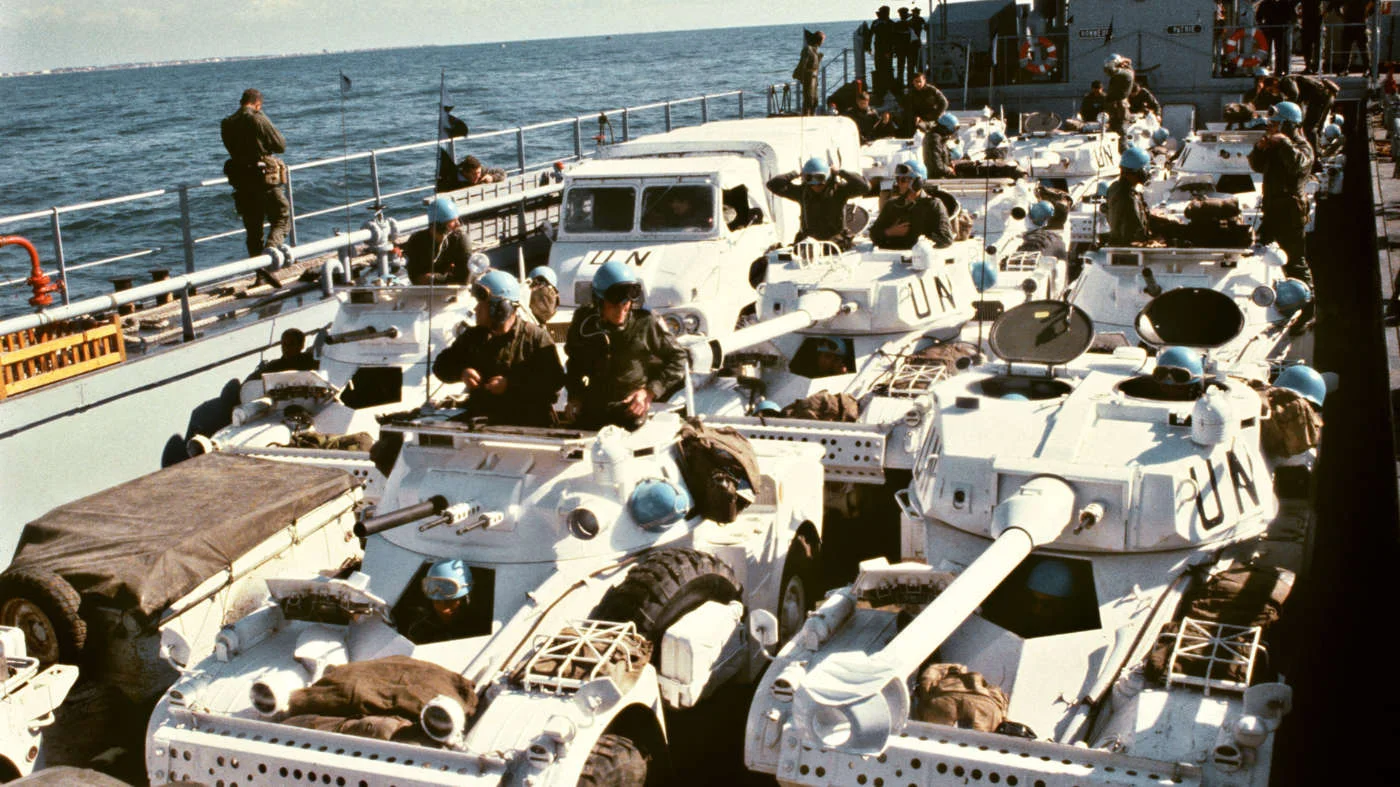
In 1978, the UN established the Unifil peacekeeping mission in Lebanon following Israel's invasion of its northern neighbour.
Palestine gained observer status at the UN in 2012 after a decades-long campaign - but the US and Israel prevented full membership.
Resolution 2334, passed by the Security Council in 2016, declared as illegal all Israeli settlements in the Palestinian territories occupied since 1967, re-enforced by an International Court of Justice ruling in 2024. Israel called the resolution “shameful” and retaliated by cutting aid to Senegal, which had backed the resolution as a non-permanent Security Council member.
How Israel quit Unesco
Israeli moves against UN agencies have increased in the past two decades and only accelerated amid its genocide in Gaza.
The United Nations Educational, Scientific and Cultural Organization (Unesco) promotes and protects science and culture. It has had tensions with Israel since it admitted Palestine in 2011, prompting Israel and the US to pull funding.
Israel was further angered in 2017 when Unesco designated the Ibrahimi Mosque in the occupied West Bank as an endangered World Heritage Site belonging to the State of Palestine.
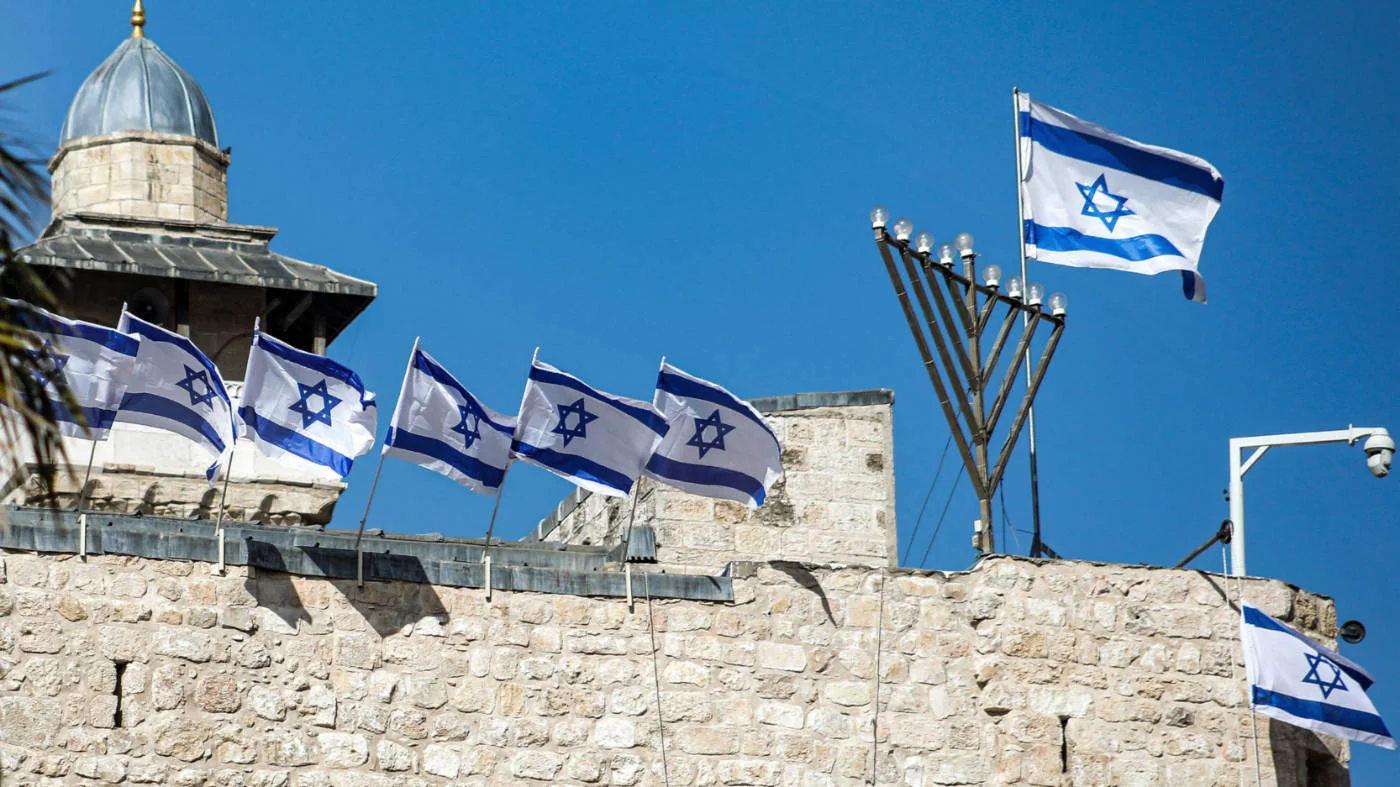
Israel officially quit in 2019, alleging that Unesco had been “manipulated by Israel’s enemies and continually singles out the Jewish state for condemnation”.
The US, which funded 20 percent of Unesco’s budget, quit during Trump’s first administration in 2017, citing its “anti-Israel bias”.
Washington rejoined in October 2023 under President Joe Biden, before quitting again in July 2025 during the second Trump presidency.
Israel bulldozes Unrwa
Unrwa (the United Nations Relief and Works Agency for Palestine Refugees in the Near East) is the largest humanitarian aid organisation in Gaza and the West Bank.
Overseeing facilities including schools, shelters and emergency kitchens, it was founded in 1949 to support the estimated 700,000 Palestinian refugees displaced by the 1948 Nakba.
Israel opposes Unwra because the agency considers Palestinians to be refugees, implying they have a right to return to their lands seized by Israel.
It cut ties with the agency in January 2025 after declaring it a terrorist group and banning it from Israel and occupied Palestine. David Mencer, a spokesperson for the Israeli government, said “Unrwa is riddled with Hamas operatives” and that “if a state funds Unrwa, that state is funding terrorists”.
The move came after Israel said in January 2024 that some of Unrwa’s 11,000 Gaza staff were involved in the attacks on southern Israel on 7 October 2023, during which more than 1,100 Israelis were killed.
In April 2024, the independent Colonna report found that Unrwa had ensured that it was politically neutral. Unrwa sacked nine staff in August 2024 after a UN investigation found possible evidence of involvement.
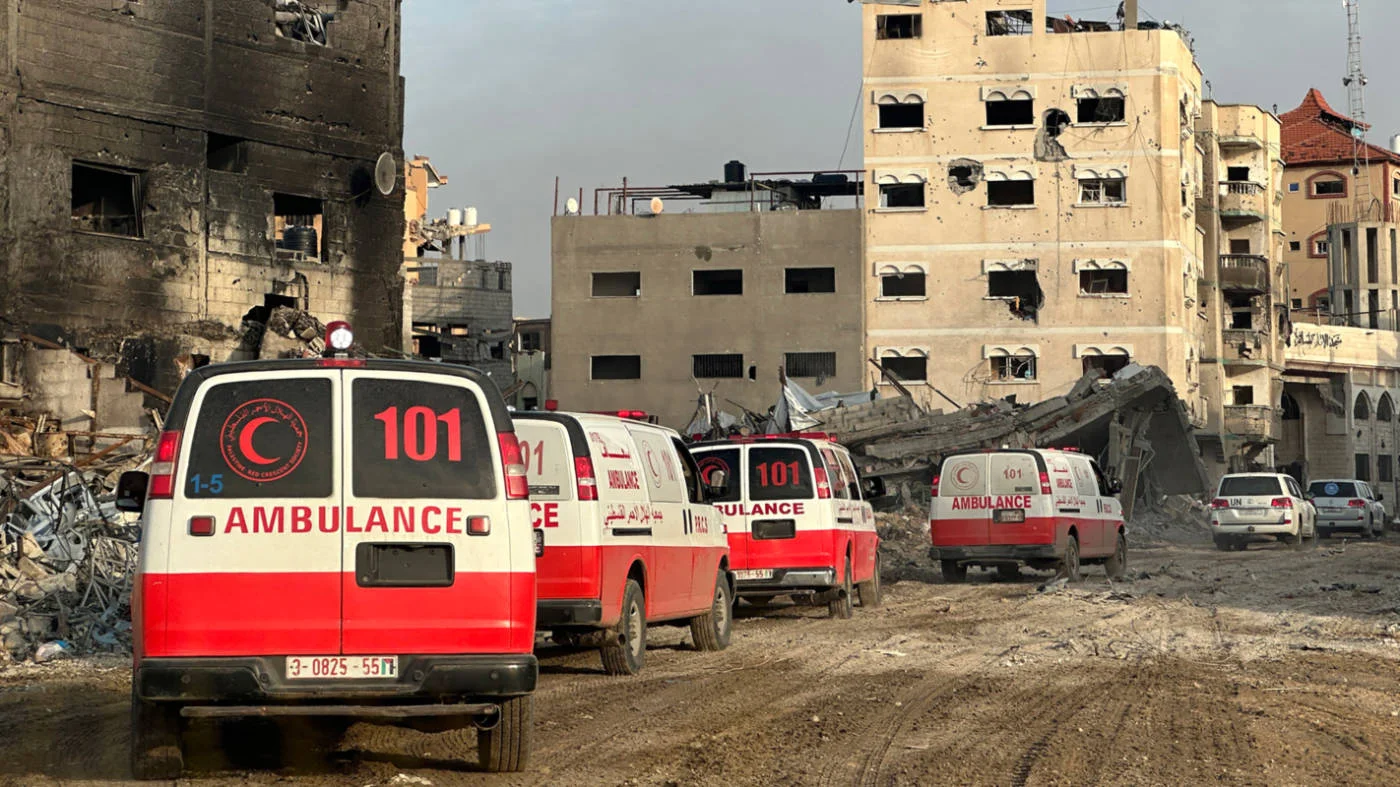
Without Unrwa, Israel renewed its blockade on aid coming into Gaza in March 2025, which eventually led to the declaration of famine in Gaza in August 2025. It has killed 391 Unrwa staff members during its genocide in Gaza.
Israel’s ban on Unrwa was condemned, and ruled as unlawful in an advisory opinion by the International Court of Justice in October 2025, which also found that Israel has not substantiated its allegations.
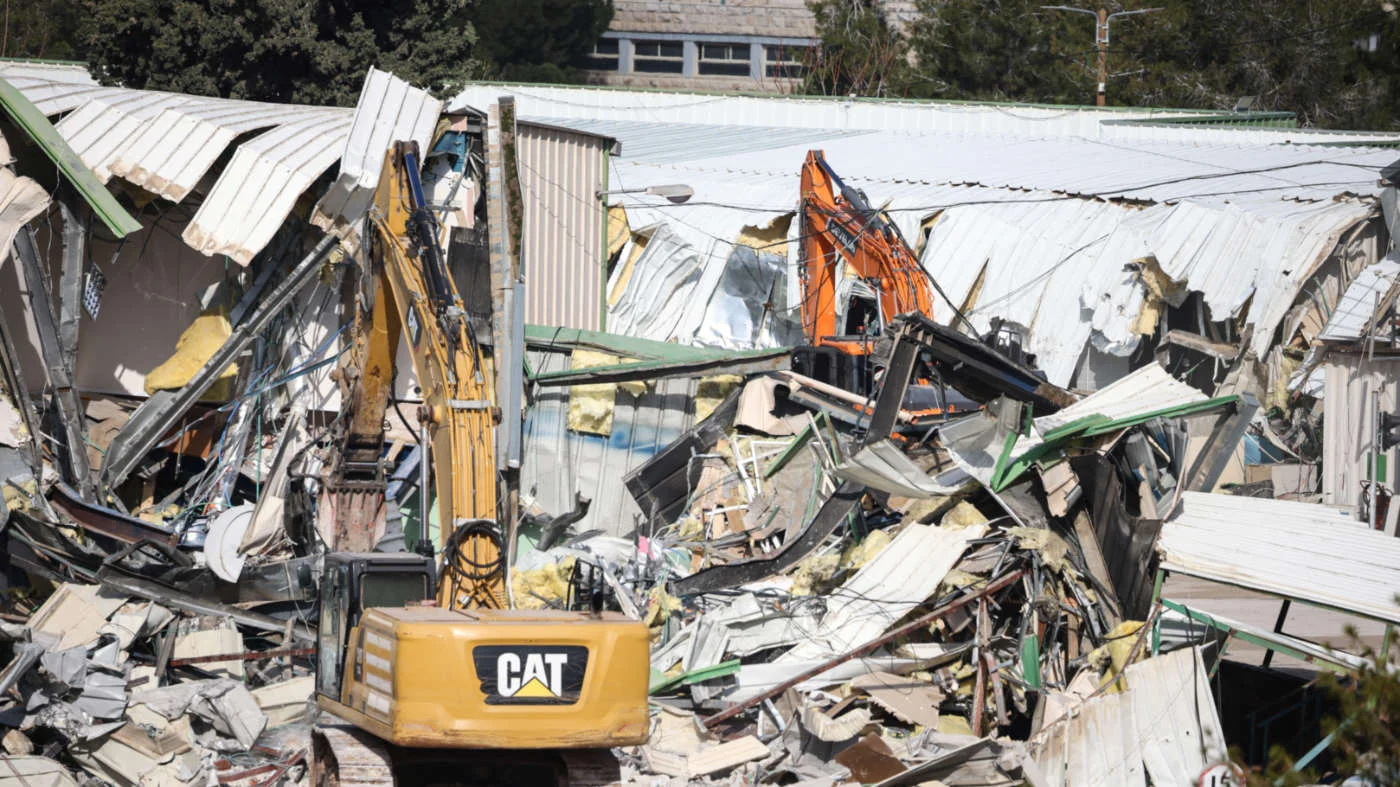
In January, Israel bulldozed Unrwa’s HQ in occupied East Jerusalem, weeks after passing legislation to cut off the agency's water and electricity. The demolition was led by far-right Israeli national security minister Itamar Ben Gvir.
Phillippe Lazzarini, the outgoing commissioner-general of Unrwa, told Middle East Eye’s David Hearst Podcast in April that “the dismantlement of the agency has become an [Israeli] objective” and that “the campaign against the agency is politically driven”, despite using “a pretext of a total infiltration by Hamas into the organisation”.
Israel leaves the UNHRC
The UN Human Rights Council (UNHRC), based in Geneva, is designated with protecting human rights, alongside the Office of the High Commissioner for Human Rights. Israel has never been elected as a member.
In February 2025, Israel cut ties, accusing the UNHRC of “ongoing and unrelenting institutional bias against Israel”. The US quit the previous day.
The UNHRC had criticised Israel’s genocide in Gaza, adopting a resolution in April 2024 demanding it end its blockade and “all other forms of collective punishment”.
Meirav Eilon Shahar, Israel’s then UN representative, stormed out in protest at the resolution, which the Israeli government said “provides legitimacy for Palestinian 'resistance' to the 'occupation'”.
Israel, the US and many western nations had long opposed the council’s standing Agenda Item 7, introduced in 2006, to ensure an annual debate on the “Human Rights Situation in Palestine and Other Occupied Arab Territories” - the UNHRC’s only permanent country-specific agenda item.
The US quit in 2018, citing anti-Israel bias, before rejoining in 2021 under President Biden.
Israel and other UN agencies
The US announced in January 2026 that it would cut ties with 66 international organisations, 31 of which were UN entities. Israel followed days later, formally announcing that it had cut ties with the following six organisations:
UN Women: The UN Entity for Gender Equality and the Empowerment of Women is the UN agency that advocates for women, girls and LGBT people. Israel said it had “deliberately ignored all cases of sexual violence committed against Israeli women on Oct. 7th, 2023”. But the agency had issued multiple statements condemning the Hamas-led attacks.
Unctad: Part of the UN Secretariat focused on economic issues, the UN Conference for Trade and Development published reports about the economic price of the occupation of Palestine, which Israel described as “virulent anti-Israel reports”.
The UN Alliance of Civilizations: Founded by then UN Secretary-General Kofi Annan in 2005, it aims to foster “intercultural dialogue, understanding and cooperation”. Israel said it had “severed ties”, before subsequently saying it had not been invited to join, adding that the Alliance “has instead for years been used as a platform for attacks against Israel”.
UN Energy: This group coordinates energy policy in line with the Paris Agreement climate goals. The Israeli Ministry of Foreign Affairs described it as a “wasteful organisation” that “reflects the excessive and inefficient bureaucracy of the UN”.
The Global Forum on Migration and Development: This is an annual intergovernmental forum previously attended by all UN member states, founded by Annan. Israel said it “erodes the ability of sovereign nations to enforce their own immigration laws”. The forum has no power to make binding decisions.
The Office of the Special Representative of the Secretary-General for Children in Armed Conflict: A UN-appointed expert who reports on the rights of children affected by war, the role is currently held by Maltese diplomat Vanessa Frazier. In June 2024, her predecessor, Argentinian diplomat Virginia Gamba, added Israel to the UN blacklist of warring parties committing rights violations against children. Israel complained that it was “the only democratic country to be listed, alongside Isis and Boko Haram”.
UN Economic and Social Commission for Western Asia: Israel never joined the Mena regional bloc, which consists of 21 Muslim-majority member states, and instead joined its Western European counterpart. The Israeli Ministry of Foreign Affairs said that it had “severed ties with” the UN Economic and Social Commission for Western Asia, having been “disengaged for years”, adding: “The organization issues virulent anti-Israel reports annually, and serves as a basis for further anti-Israel resolutions.”
Could Israel quit other agencies?
Israel has not quit all UN agencies - but some are in its sights.
Israeli critics of the UN have encouraged it to sever ties with Ocha (the UN Office for the Coordination of Humanitarian Affairs), which oversees UN humanitarian relief in natural disaster zones and warzones such as Gaza. Its situation reports are cited by journalists, NGOs and academics worldwide. In July 2025, Israel refused to renew the visa for Jonathan Whittall, Ocha’s top official in occupied Palestine, citing “biased and hostile conduct”.
Others in Israel want it to quit the WHO (World Health Organization), which the US, the organisation’s largest donor, left in January. Israel is still a member.
Limor Son Har Melech, the far-right Israeli lawmaker who chairs the Knesset’s health committee, said in January: “The World Health Organization has long since ceased to operate as a professional and objective organization.”
Senior Israeli officials also say it should ignore rulings from the ICJ (International Court of Justice), the UN’s main court, to which all members are automatically a party.
In January 2024, the ICJ ruled that Israel must take “all measures within its power” to prevent genocide. Ben Gvir said: “The ruling of the antisemitic court in The Hague confirms what was already known: this court does not seek justice but rather the persecution of the Jewish people.”
Israel and the UN secretary-general
Israel cut ties with UN Secretary-General Antonio Guterres on 28 May after his office formally named Israel, in an annual report, as a state credibly suspected of sexual violence.
The declaration followed multiple reports by human rights organisations and media outlets, including Middle East Eye, documenting allegations of rape and other sexual violence by Israeli forces against Palestinians.
The Israeli Foreign Ministry said in a 28 May statement that the decision was “shameful and absurd” and “further proof of the UN’s true nature: a politicized and corrupt organization that has abandoned its founding principles and systematically targets Israel as its primary mission”.
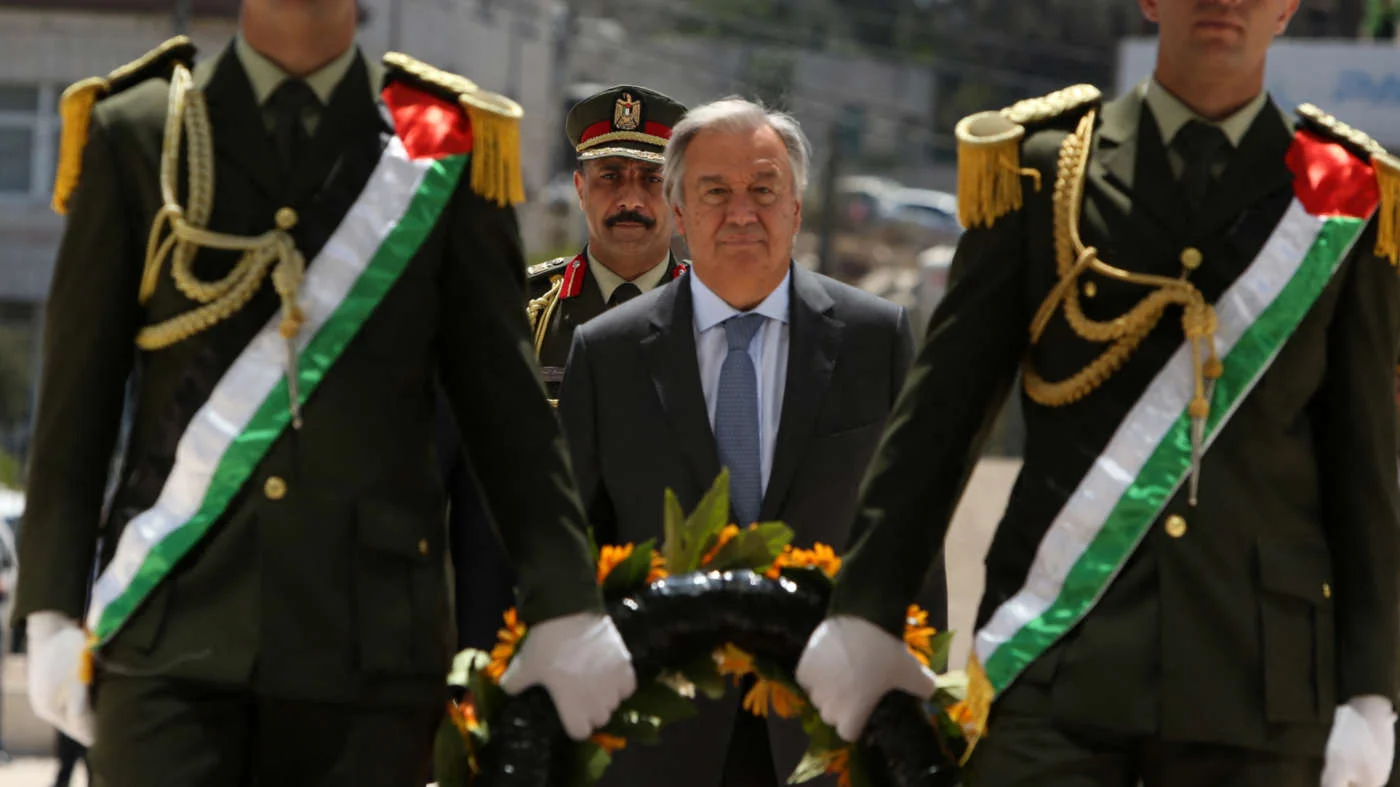
Stephane Dujarric, spokesperson for Guterres, said Israel’s announcement was “more symbolic than anything”, and that the UN would continue to work with the Israeli mission. Guterres’ 10-year term ends in December.
Israel had previously declared Guterres a “persona non grata” in October 2024, banning him from entering Israel and the occupied Palestinian territories.
Israel Katz, then Israeli foreign minister, said Guterres was an “anti-Israel secretary-general”, and claimed he had not condemned Iran’s attacks on Israel in October 2024 (Guterres had condemned the conflict as well as previous attacks on Israel, and confirmed that he condemned Iran’s attacks after the Israeli announcement).
For any country, cutting ties with the UN secretary-general is a highly unusual move. The last such case was when the USSR and China blacklisted Trygve Lie, the UN's first secretary-general, in the 1950s.
In 2016, Netanyahu accused Guterres’ predecessor, Ban Ki-moon, of “encouraging terror” after he said that Palestinian attacks were the result of decades of Israeli occupation.
Israel rejects special rapporteur
The UN special rapporteur for the occupied Palestinian territories is appointed by the UNHRC to independently report on human rights violations in occupied Palestine.
The current incumbent, Italian legal scholar Francesca Albanese, has criticised Israel since her appointment in 2022 and has been banned from the country, as well as Gaza and the West Bank, since December 2024.
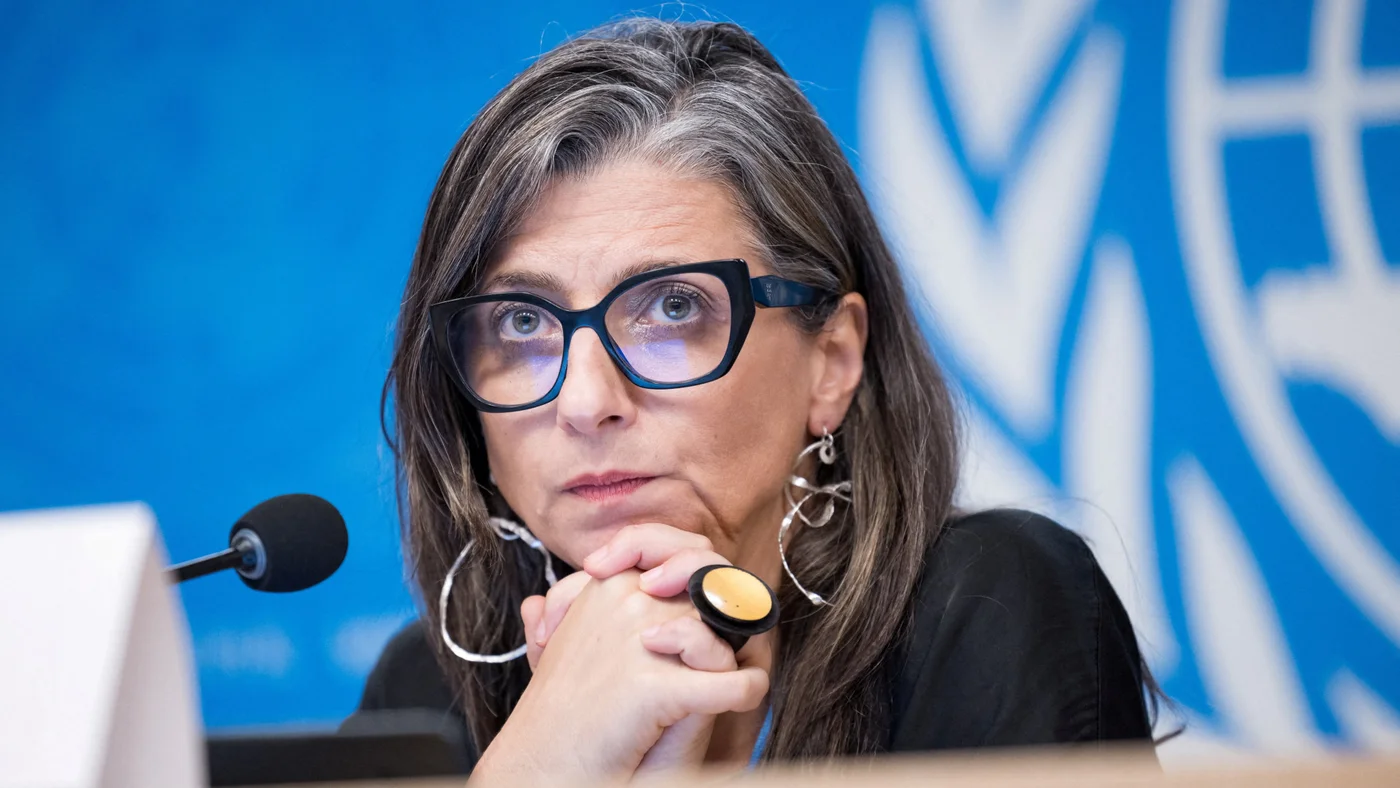
The Israeli foreign ministry said it was because Albanese observed that “the victims of the October 7 massacre were not murdered because of their Jewishness, but in response to Israeli oppression”.
Israel rejects the work of special rapporteurs. Albanese’s predecessors, including Canadian academic Michael Lynk and the American legal scholar Richard Falk, were also blocked, instead working from neighbouring Jordan.
In a historic first, Albanese was sanctioned by the US in July 2025 after she urged the ICC to prosecute corporate executives of more than 60 companies, some American, for alleged complicity in Israeli crimes in Gaza.
The sanctions were lifted by a US judge on 21 May before being reimposed six days later.
Middle East Eye delivers independent and unrivalled coverage and analysis of the Middle East, North Africa and beyond. To learn more about republishing this content and the associated fees, please fill out this form. More about MEE can be found here.