US-Iran peace deal: Six things we learned from the Islamabad Memorandum of Understanding

Talks between the US and Iran on a final settlement to end the war have been postponed.
Washington announced late on Thursday that Vice President JD Vance would not travel to Switzerland for negotiations as the logistics had not been "simple or predictable".
US President Donald Trump and Iranian President Masoud Pezeshkian separately signed a peace deal, called the Islamabad Memorandum of Understanding (MoU), on Wednesday to end the war that has devastated the Middle East since late February.
The 14-point document, the full text of which is below, provides a framework to end the conflict and restart oil trade around the Persian Gulf.
However, negotiations on the thorniest issues, including Iran’s nuclear programme, have been deferred to a 60-day negotiating period, which the deal states is “extendable by mutual consent”.
New MEE newsletter: Jerusalem Dispatch
Sign up to get the latest insights and analysis on Israel-Palestine, alongside Turkey Unpacked and other MEE newsletters
The deal contains several concessions to Iran, but the US has presented it as an ultimatum.
“We’re going to bomb the hell out of them if they violate the agreement,” Trump said at a press conference on Wednesday. “I don’t want them to. I want them to honour the agreement,” he added.
Here is what we have learned from the MoU.
1. The Strait of Hormuz will reopen for now
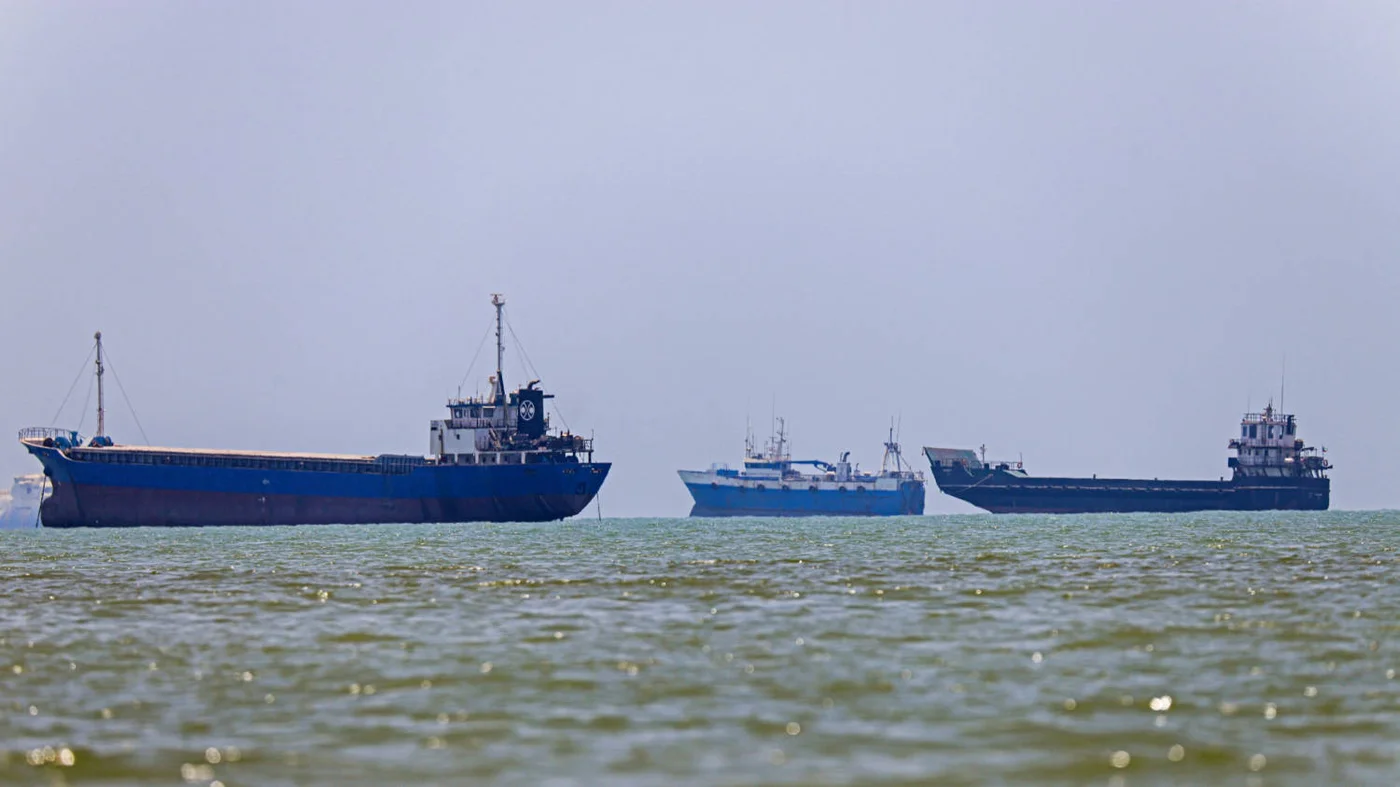

The strait is a key waterway linking the Persian Gulf to the Sea of Oman, through which around one-fifth of global oil shipments pass.
But it has been effectively blockaded by Iran since the start of the war, causing oil prices to surge.
The MoU states that Iran “will make arrangements using its best efforts for the safe passage of commercial vessels with no charge, for 60 days only, from the Persian Gulf to the Sea of Oman and vice versa”.
The first maritime traffic restarted only hours after the deal was signed, with three Saudi-flagged supertankers sailing through the strait on Thursday morning.
While the MoU states that Iran will not charge tolls during the 60-day negotiating period, the long-term future is less clear.
Trump said in an interview with The New York Times on Sunday that the peace agreement would ensure that the strait was “permanently toll-free”.
But Iran said on Thursday that it plans to introduce “fees” for ships passing through the strait.
The MoU itself offers little clarity. It states only that Iran will “conduct dialogue with the Sultanate of Oman to define the future administration and maritime services in the Strait of Hormuz in discussion with other Persian Gulf littoral states in line with the applicable international law and the sovereign rights of coastal states of the Strait of Hormuz”.
2. The US will lift sanctions, but questions remain around investment

The MoU includes several measures that will offer economic relief to Iran, where a US naval blockade on exports during the war has compounded years of US sanctions.
In exchange for the free passage of ships through the strait, the MoU states that the US is to “immediately” dismantle its naval blockade, with full US withdrawal following 30 days after signing. The US began removing the blockade on Friday morning.
The MoU also states that the US will “terminate all types of sanctions against the Islamic Republic of Iran, including the United Nations Security Council resolutions, IAEA [International Atomic Energy Agency] Board of Governors resolutions, and all unilateral US sanctions, primary and secondary, in an agreed upon schedule as part of the final deal”.
Discussing the deal on Wednesday, Trump said: “We have sanctions that will never let them rebuild.”
He added that if the US continued its current measures, “there would be poverty, then 91m people would starve”.
The MoU also states that the US will “undertake” to release Iran’s frozen assets, some of which it has held since the 1979 Islamic Revolution.
“The United States of America and the Islamic Republic of Iran will mutually agree on the procedures related to the release of these funds during negotiations,” the document states.
Also promised is that the US will provide “at least USD 300 billion for the reconstruction and economic development of the Islamic Republic of Iran”.
But the White House has sent mixed messages about this fund since Vance first discussed it on Monday.
Later that day, Vance said that the US “would invite other countries, not us, but other countries, to invest”.
Trump echoed this on Tuesday, saying in a press conference that the US is “not investing ten cents” in Iran.
3. There will be a ceasefire in Lebanon
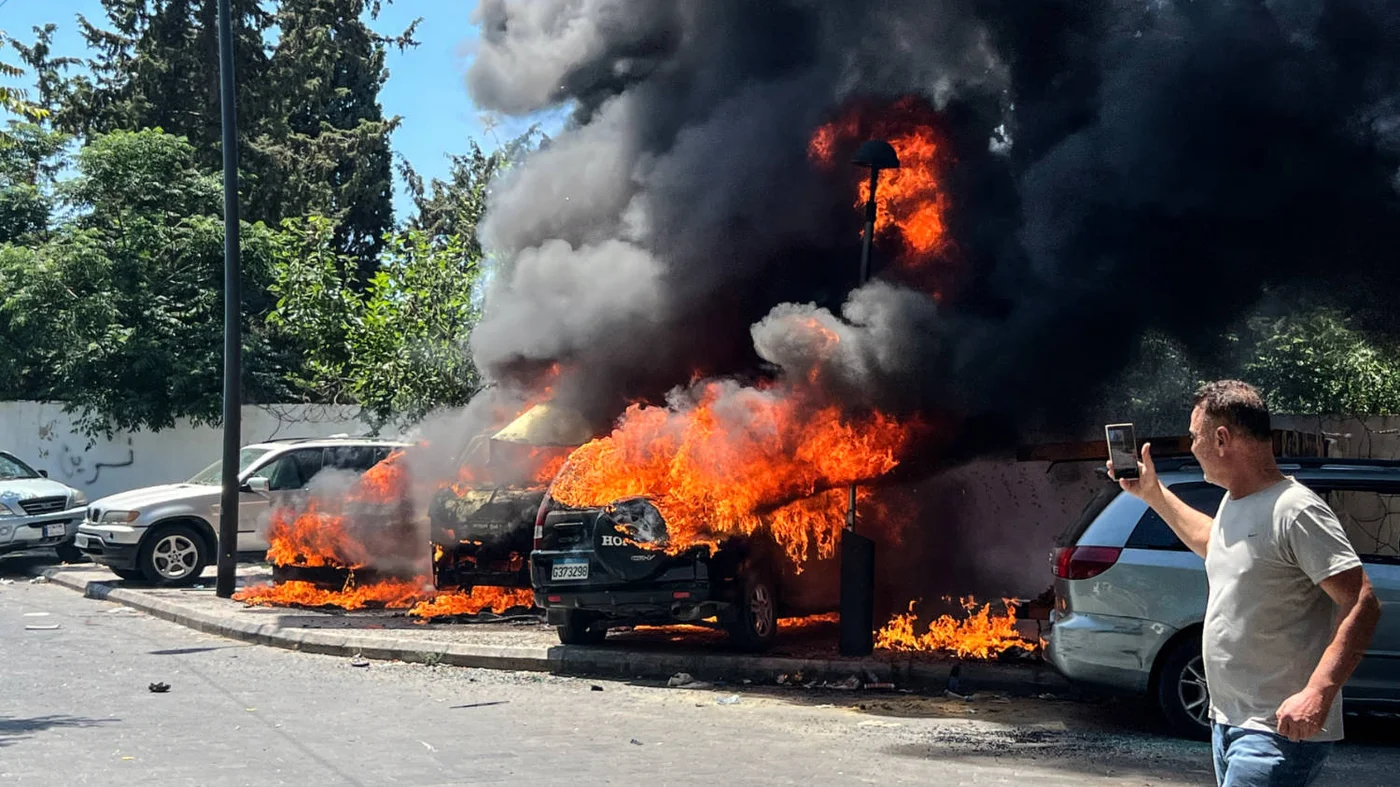
The first paragraph of the MoU states that there will be an “immediate and permanent termination of military operations on all fronts, including in Lebanon”.
It also says that Iran and the US will commit to “ensuring the territorial integrity and sovereignty of Lebanon”.
But the MoU does not mention Israel, which has drastically expanded its invasion of southern Lebanon since March to purge Hezbollah. Israel now occupies around a fifth of the country.
Israel has also increased its bombing, killing over 3,000 people since March in violation of several ceasefire agreements, and continuing on Thursday and Friday morning despite the MoU.
Israel and Hezbollah agreed to yet another ceasefire on Friday afternoon, according a senior US official.
But Israeli government officials spent the week casting doubt on whether it would withdraw from Lebanon without its long-term goal of fully disarming Hezbollah.
Itamar Ben Gvir, Israel’s far-right national security minister, said on Monday: "Trump's agreement does not bind us... We are not party to this agreement. It does not safeguard our security.
“We must not compromise on anything less than the dismantling of Hezbollah.”
And Defence Minister Israel Katz said on Monday that Israeli forces would remain "indefinitely" within what Israel calls its “security zones” in Syria, Lebanon and Gaza.
Trump criticised Israeli conduct in Lebanon at the G7 on Tuesday, amid an apparent fallout with Israeli Prime Minister Benjamin Netanyahu.
"You don't have to knock down an apartment house every time you're looking for somebody, because there are a lot of people in those apartment houses, and they're not all Hezbollah," he said, adding that Israel had been fighting in Lebanon for "too long".
4. No nuclear deal yet
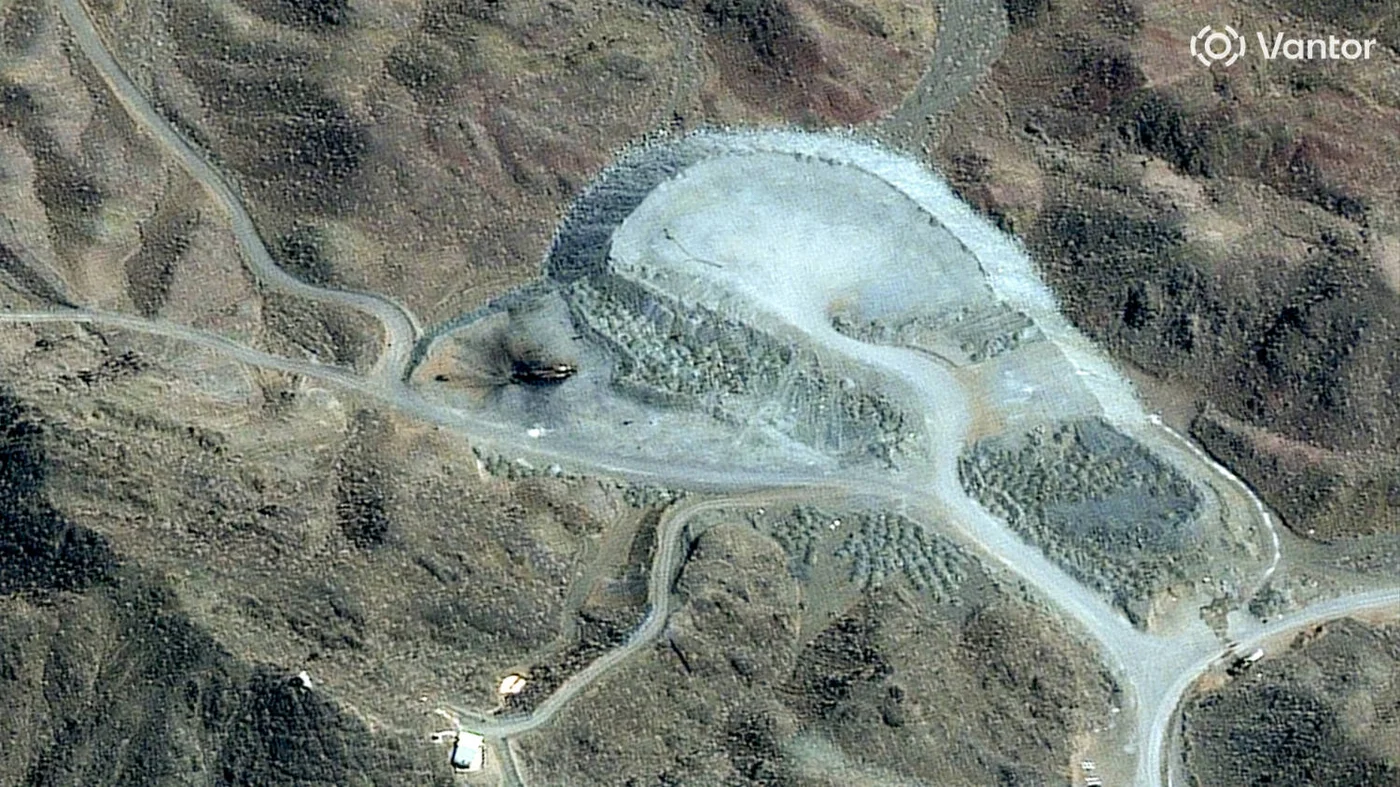
The MoU postpones talks on Iran’s stockpiles of enriched uranium, which the US has long seen as evidence that Tehran wants to develop nuclear weapons.
The document says that the US and Iran “have agreed to resolve the disposition of stockpiled enriched material pursuant to a mechanism that will be mutually agreed upon,” adding that a "satisfactory framework” will be “agreed upon in the final deal”.
The US and Israel have long opposed Iran developing nuclear weapons and cited this as a major reason for their bombing campaign.
But Iran has long denied that it is developing nuclear weapons - something emphasised in the MoU, which states that “Iran reaffirms that it shall not procure or develop nuclear weapons”.
Trump reiterated on Tuesday that the “main thing” was ensuring that “Iran will not have a nuclear weapon”.
“They fully agreed to that with strong policing powers,” he said. “Which is what it was all about, because they probably would have used it if they had it.”
On the table over the next 60 days will be the fate of Iran’s uranium stockpiles, which are presently understood to be enriched to around 70 percent.
This is far more potent than the 5 percent needed to generate nuclear energy, but still short of the 90 percent needed for nuclear weapons.
Iran agreed to dilute its stockpile of enriched uranium on 26 February, two days before the war began.
The US is understood to prefer Iran to export its uranium to a third-party state, which Iranian Supreme Leader Mojtaba Khamenei reportedly ruled out last week.
5. No mention of Iran’s ballistic missiles
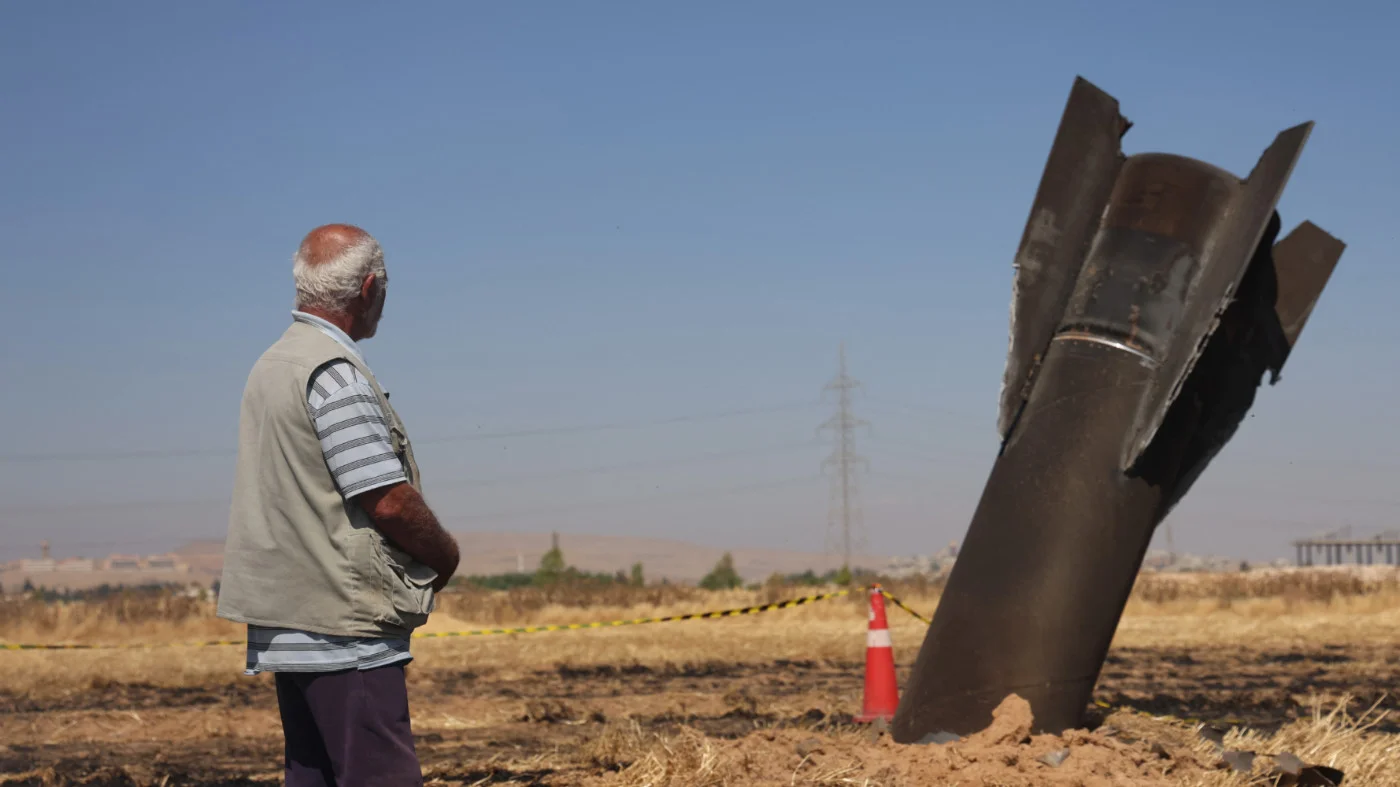
No reference is made in the MoU to limiting Iran’s arsenal of ballistic missiles, which Washington had previously cited as a war objective.
In March, Trump said that US intervention in Iran was justified because it had developed “missiles capable of hitting Europe and our bases, both local and overseas, and would soon have had missiles capable of reaching our beautiful America”.
At the start of the war, Iran was estimated to have more than 3,000 ballistic missiles, giving it the largest arsenal in the Middle East, although that stockpile has since been significantly depleted.
Trump appeared to change his stance this week, saying on Wednesday that “if other countries have them [ballistic missiles], it’s a little bit unfair for them not to have some”.
“Missiles are not the problem,” he added during his G7 summit speech on Tuesday. “They hurt a little location, but they don’t blow up the planet.”
6. No talk of Iranian regime change
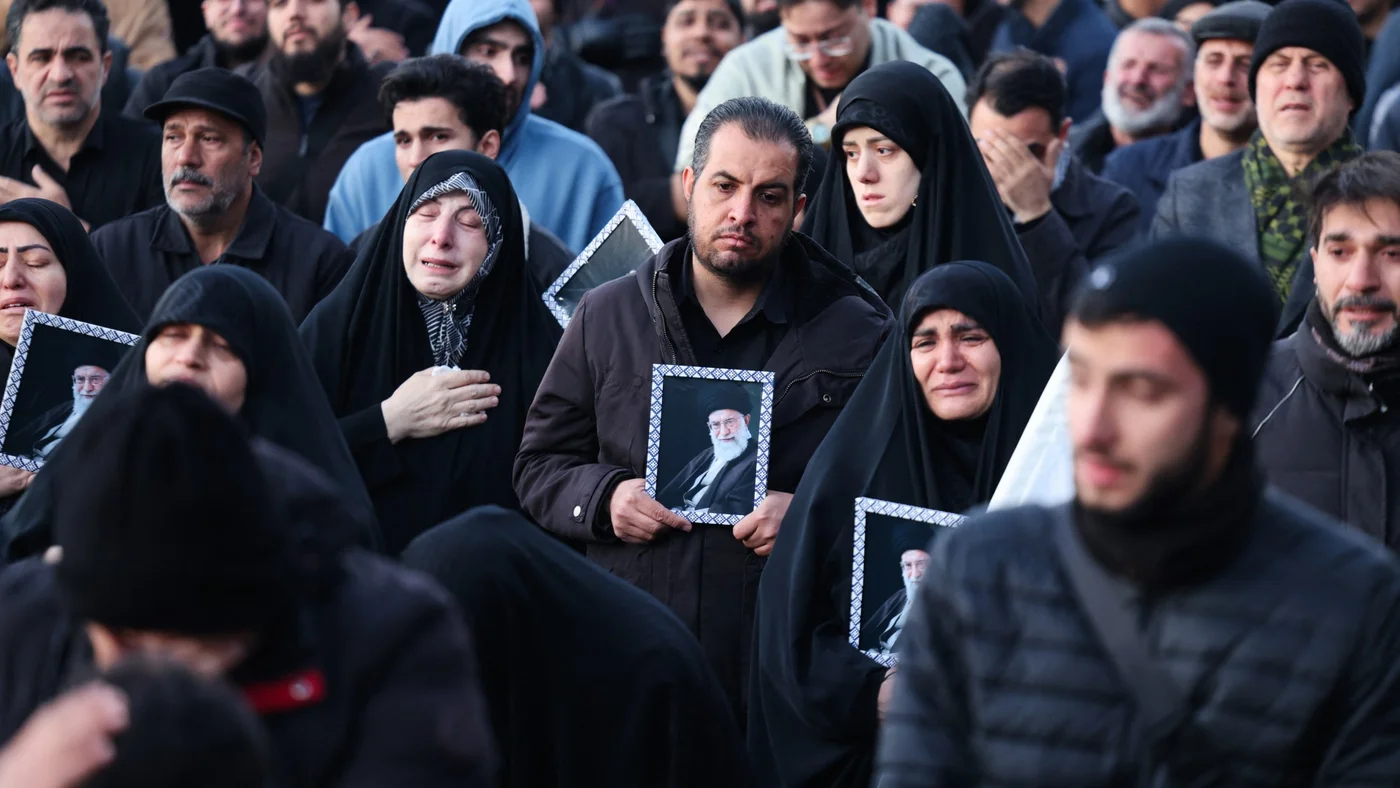
Wholly absent from the MoU is any mention of what many see as the US and Israel’s ultimate goal: regime change in Tehran.
Rather, the MoU states that the US and Iran “undertake to respect each other's sovereignty and territorial integrity, and to refrain from interfering in each other's internal affairs”.
Trump claimed at the G7 summit that he “never cared about regime change” in Iran.
He then praised Iran’s current leadership, now headed by Mojtaba Khamenei after the US assassination of his father, long-time Supreme Leader Ali Khamenei, on 28 February.
“I think they’re very smart,” he said on Tuesday. “I think they're far less radicalised; I think they’re good.
“Frankly, I think that’s regime change.”
At the start of the war, Trump called on Iranians to rebel against the country’s clerical government.
“To the great, proud people of Iran, I say tonight that the hour of your freedom is at hand,” he said in an address on 28 February. “When we are finished, take over your government. It will be yours to take. This will be, probably, your only chance for generations.”
Full text of the Islamabad Memorandum of Understanding, as published by the US
1. The United States of America and the Islamic Republic of Iran and their allies in the current war are signing this MoU to declare the immediate and permanent termination of military operations on all fronts, including in Lebanon, and undertake from now on not to initiate any war or any military operation against each other, and to refrain from the threat or use of force against each other, and ensuring the territorial integrity and sovereignty of Lebanon. The final deal will confirm the permanent termination of the war on all fronts, including in Lebanon and other provisions of this paragraph.
2. The United States of America and the Islamic Republic of Iran undertake to respect each other’s sovereignty and territorial integrity and to refrain from interfering in each other’s internal affairs.
3. The United States of America and the Islamic Republic of Iran commit to negotiating and achieving the final deal in maximum 60 days, extendable with mutual consent.
4. Immediately upon the signing of this MoU, the United States of America will begin the removal of its naval blockade and any disturbances or impediments against the Islamic Republic of Iran, and will fully end the naval blockade within 30 days. During this period, the traffic of vessels will be in proportion to the numbers of pre-war traffic being restored by the Islamic Republic of Iran. The United States of America further undertakes to remove its forces from the proximity of the Islamic Republic of Iran within 30 days after the final deal.
5. Upon the signing of this MoU, the Islamic Republic of Iran will make arrangements using its best efforts for the safe passage of commercial vessels with no charge, for 60 days only, from the Persian Gulf to the Sea of Oman and vice versa. The traffic of commercial vessels will immediately start, and considering the need for removing the technical and military obstacles, and demining by the Islamic Republic of Iran will be instated within 30 days. The Islamic Republic of Iran will conduct dialog with the Sultanate of Oman to define the future administration and maritime services in the Strait of Hormuz in discussion with other Persian Gulf littoral states in line with the applicable international law and the sovereign rights of coastal states of the Strait of Hormuz.
6. The United States of America undertakes with regional partners to develop a definitive, mutually agreed plan with at least USD 300 billion for the reconstruction and economic development of the Islamic Republic of Iran. The mechanism for the implementation of this plan will be finalized as part of a final deal within 60 days. All required licenses, waivers and permissions needed for the relevant financial transactions will be granted by the United States of America.
7. The United States of America undertakes to terminate all types of sanctions against the Islamic Republic of Iran, including the United Nations Security Council resolutions, IAEA Board of Governors resolutions, and all unilateral US sanctions, primary and secondary, in an agreed upon schedule as part of the final deal. The Islamic Republic of Iran and the United States of America acknowledge the critical importance of the sanctions termination issue above mentioned, and expressed their intentions to immediately address these issues in the negotiations in order to achieve mutual agreement on them.
8. The Islamic Republic of Iran reaffirms that it shall not procure or develop nuclear weapons. The United States of America and the Islamic Republic of Iran have agreed to resolve the disposition of stockpiled enriched material pursuant to a mechanism that will be mutually agreed upon in accordance with the schedule mentioned in paragraph seven, with the minimum methodology to be down blended on site under the supervision of the IAEA. The two parties also agreed to discuss the issue of enrichment and other mutually agreed matters related to the Islamic Republic of Iran’s nuclear needs, based on a satisfactory framework being agreed upon in the final deal. The final deal will confirm the provisions of this paragraph. The United States of America and the Islamic Republic of Iran acknowledge the critical importance of the nuclear issues above mentioned. They express their intention to immediately address these issues in the negotiations in order to achieve mutual agreement on them.
9. Pending the final deal, the United States of America and the Islamic Republic of Iran agree to maintain the status quo. The Islamic Republic of Iran will maintain the current status quo of its nuclear program, and the United States of America will not impose any new sanctions and will not deploy additional forces in the region.
10. The United States of America undertakes that immediately upon the signing of this MoU and until the termination of sanctions, US Department of Treasury will issue waivers for the export of Iranian crude oil, petroleum products and derivatives, and all associated services, including banking transactions, insurances, transportation, etc.
11. The United States of America undertakes to make fully available for use the frozen or restricted funds and assets of the Islamic Republic of Iran upon the implementation of this MoU. The United States of America and the Islamic Republic of Iran will mutually agree on the procedures related to the release of these funds during negotiations. Such funds, whether retained in the original account or transferred, shall be made fully usable for payment to any ultimate beneficiary designated by the Central Bank of the Islamic Republic of Iran. The United States of America undertakes to issue all necessary licenses and authorizations accordingly.
12. The United States of America and the Islamic Republic of Iran agree that an executive mechanism will be established to monitor the successful implementation of this MoU and the future compliance of the final deal.
13. After signing this MoU, and subject to the beginning of the implementation of paragraphs 1, 4, 5, 10 and 11 of this MoU, and the continuing implementation of these measures, the United States of America and the Islamic Republic of Iran will start negotiations regarding the final deal exclusively on the other paragraphs.
14. The final deal will be endorsed by a binding UN Security Council resolution.
Middle East Eye delivers independent and unrivalled coverage and analysis of the Middle East, North Africa and beyond. To learn more about republishing this content and the associated fees, please fill out this form. More about MEE can be found here.