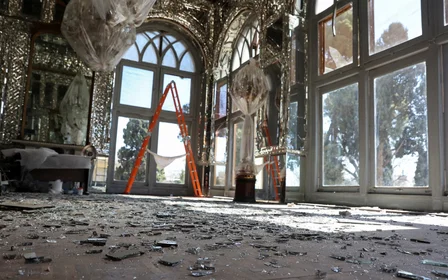

War on Iran: Who are the Kurds and what does Trump want from them?

President Donald Trump has encouraged the people of Iran to rise up and “take over” their government amid the US-Israeli war on the Islamic Republic.
But the US has also been approaching regional allies to enter the conflict, not least the Kurds of Iran.
Amid reports that the CIA was working to arm Iranian Kurdish forces, Trump said on 5 March that it would be “wonderful” if Iranian Kurdish forces in Iraq crossed the border and attacked the Iranian government.
Days later, he was more cautious. “We’re very friendly with the Kurds, as you know, but we don’t want to make the war any more complex than it already is. I have ruled that out. I don’t want the Kurds going in.”
Some Iranian Kurds have been reluctant to get involved, wary of the fickleness of previous US support against common enemies, including the government of Saddam Hussein during the 1990s. The Kurdish Regional Government in Iraq has also discouraged armed Iranian Kurds from attacking Iran.
New MEE newsletter: Jerusalem Dispatch
Sign up to get the latest insights and analysis on Israel-Palestine, alongside Turkey Unpacked and other MEE newsletters
Yet Tehran has targeted Kurdish bases in Iraq, while US missile interceptors have been used to protect Erbil, the region’s capital. And Iranian government targets in Kurdish-majority areas across the border in Iran have faced heavy bombing by US-Israeli strikes.
So who are the Kurds?
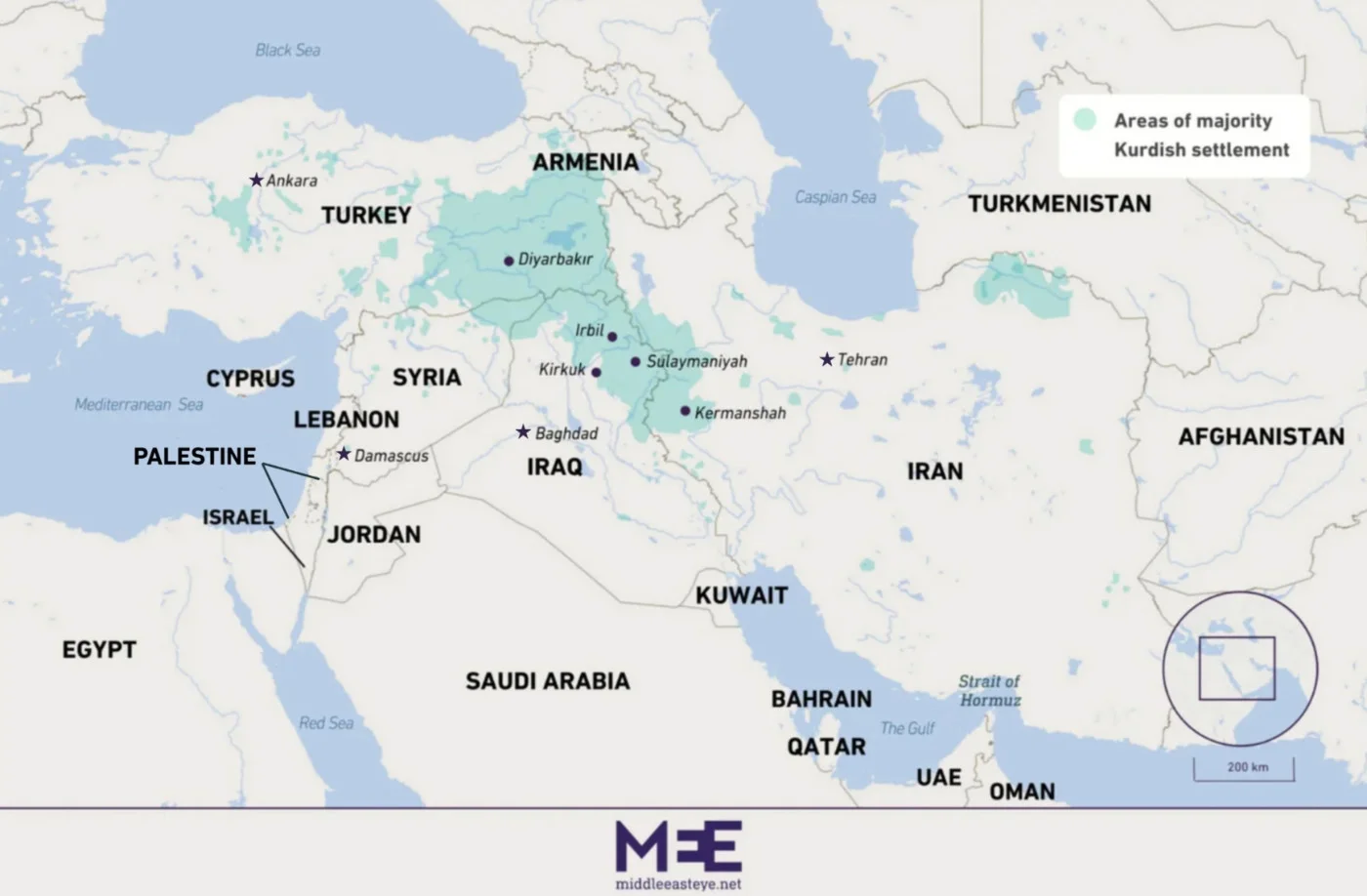
The Kurds are an ethnic group indigenous to the ancient region of Mesopotamia, covering parts of modern-day Turkey, Syria, Iraq, and Iran. They are the fourth-largest ethnic group in the Middle East, after Arabs, Turks and Persians.
Estimates place the region’s current Kurdish population between 30 and 40 million. There is also a significant Kurdish diaspora in Europe and the Caucasus, including one million Kurds in Germany.
Most Kurds are Sunni Muslims and speak Kurdish, with dialects that vary regionally.
The Kurdish-speaking Yazidi, who mostly live in Iraq, follow Yazidism, which contains elements of Islam, Christianity and ancient Persian faiths. Smaller Kurdish minorities follow Shia Islam, Yarsanism, Zoroastrianism, Christianity and Judaism.
Where are the Kurds from?
Ancient Kurdish history is poorly documented: some scholars trace their origins to the Medes, the inhabitants of the region during the Iron Age, around 1200-500 BCE. The name “Kurd” is usually dated to the seventh century, when many Kurdish tribes converted to Islam.
For centuries, most Kurds were nomadic sheep and goat herders. Kurdish dynasties and emirates that controlled the region include the Hasanwayids (959-1015), the Marwanwids (983-1085) and the Ayyubids (1171-1270). The last of these controlled an empire that stretched across the Sinai into North Africa and also down the western part of the Arabian Peninsula.

But from the 14th century onwards, much of the Kurdish-speaking region was controlled by the Ottoman Empire.
Today, the largest number is in Turkey, constituting around 15 million people or 15-20 percent of the population, with most in Kurdish-majority regions in the southeast.
There are also Kurds elsewhere in Turkey, including Istanbul, home to an estimated three million Kurds.
Kurds make up a similar proportion of the population in Iraq (six million), and around 10 percent of the population in Iran (eight million) and Syria (2.5 million).
Why don't the Kurds have an independent state?
When the Ottoman Empire collapsed after the First World War, some of the victorious Allied forces, including France, the UK and Italy, signed the Treaty of Sevres (1920), which included provisions for a Kurdish state.
But the agreement was rejected by Turkish nationalists amid the Turkish War of Independence (1919-1923) and never ratified.
Under the subsequent Treaty of Lausanne in 1923, Turkey dropped its claims to Arab areas formerly controlled by the Ottoman Empire, including territories that are now Syria and Iraq.
In return, the new republic gained formal sovereignty over Anatolia, which covers much of Kurdistan. Other Kurdish-majority areas fell under British and French mandates.
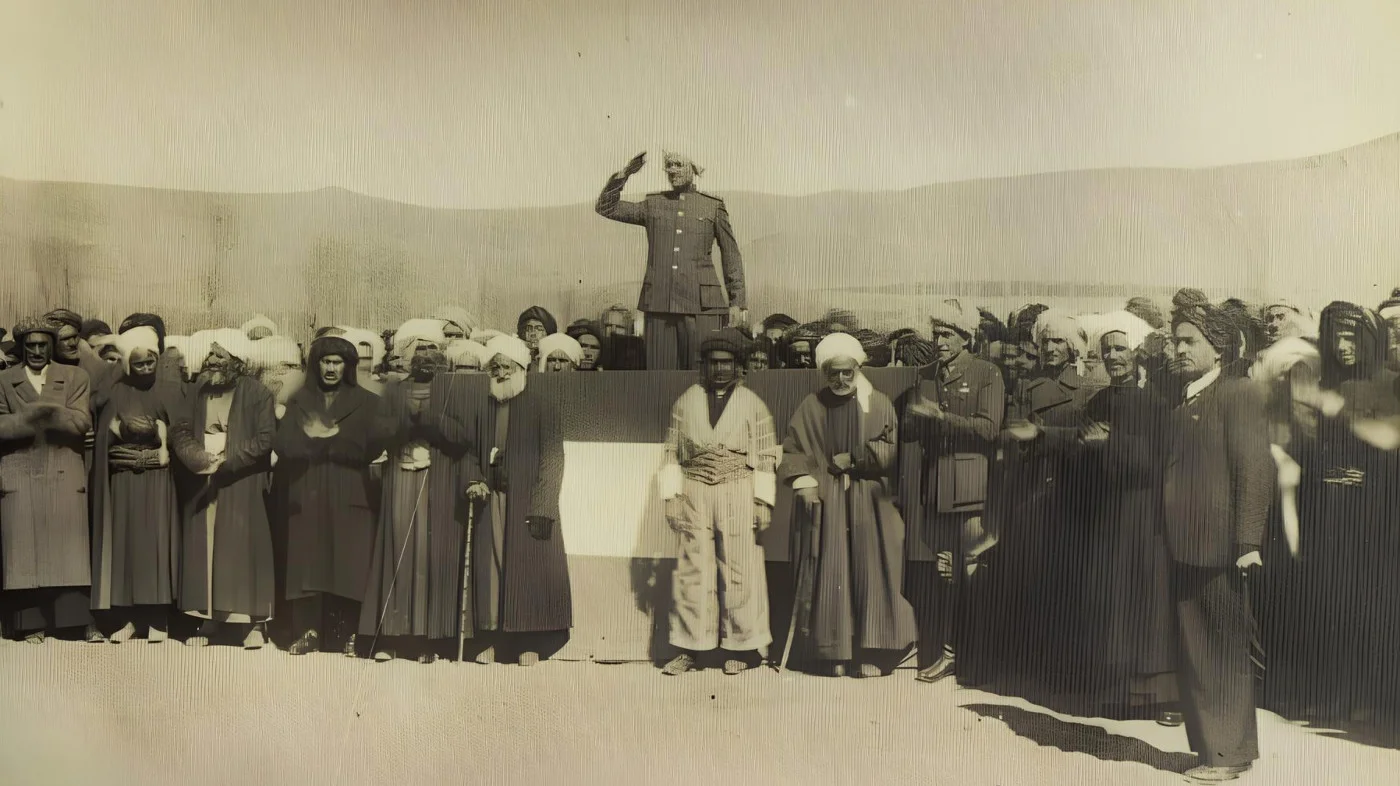
Kurdish nationalism has always been a force in the region, and an independent state has been a constant dream of the Kurds.
In 1922, the Kingdom of Kurdistan was declared after an uprising in Sulaymaniyah in modern-day Iraq. The city-state was never internationally recognised, and the territory was recaptured by a British-led Assyrian force in 1925.
In January 1946, the Kurdish Republic of Mahabad was declared in what is today northeast Iran. Founded during the Soviet occupation of Iran and regarded as a proxy state, it lasted less than 11 months after Moscow withdrew from the region.
Since then, the Kurds have been politically and militarily trying to secure an independent state, only to be met with repression and abuse of human rights.
Iran and the Kurds
Iranian Kurds are concentrated along the country’s western border, with pockets elsewhere in the country, including the northeastern border with Turkmenistan.
Kurds were persecuted under Iran’s western-backed Pahlavi dynasty, which lasted until the fall of the shah in 1979, and then under the subsequent Islamic Republic.
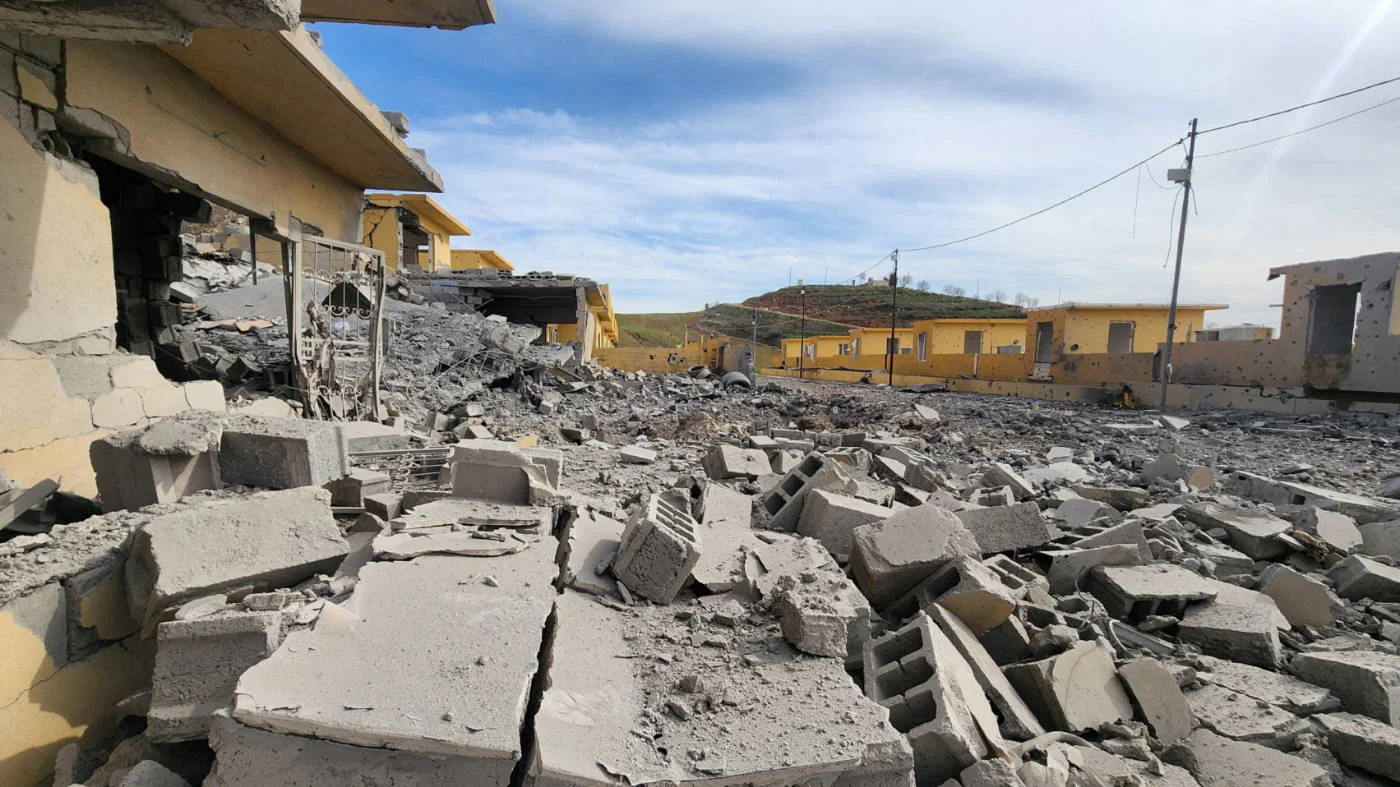
Kurdish regions suffered heavily during the January 2026 protests, in which thousands were killed by Iranian security forces.
Iranian Kurdish opposition groups include the Kurdistan Freedom Party (PAK), Komala, the Kurdistan Democratic Party of Iran (KDPI), and the Kurdistan Free Life Party (PJAK).
Some have militant wings and are mostly based across the border in Iraq’s Kurdistan Region.
On 22 February, a week before the war in Iran began, five of the parties formed the Coalition of Political Forces of Iranian Kurdistan (CPFIK). Five days later, it called for “the rights of the Kurdish people within a decentralized and democratic Iran”, as opposed to an independent Kurdish state.
Iraq and the Kurds
In March 1988, when Saddam Hussein was in power in Iraq, an estimated 5,000 Kurds were killed in a chemical attack on Halabja, later described as an act of ethnic cleansing. Between 50,000 and 100,000 Kurds were killed in what is known as the Anfal campaign, widely seen among Kurds as a genocide.
In early 1991, the US-led coalition repelled Saddam's invasion of Kuwait and inflicted heavy losses. The Peshmerga, the Kurdish militia, seized the opportunity to rebel after receiving encouragement from US President George HW Bush.
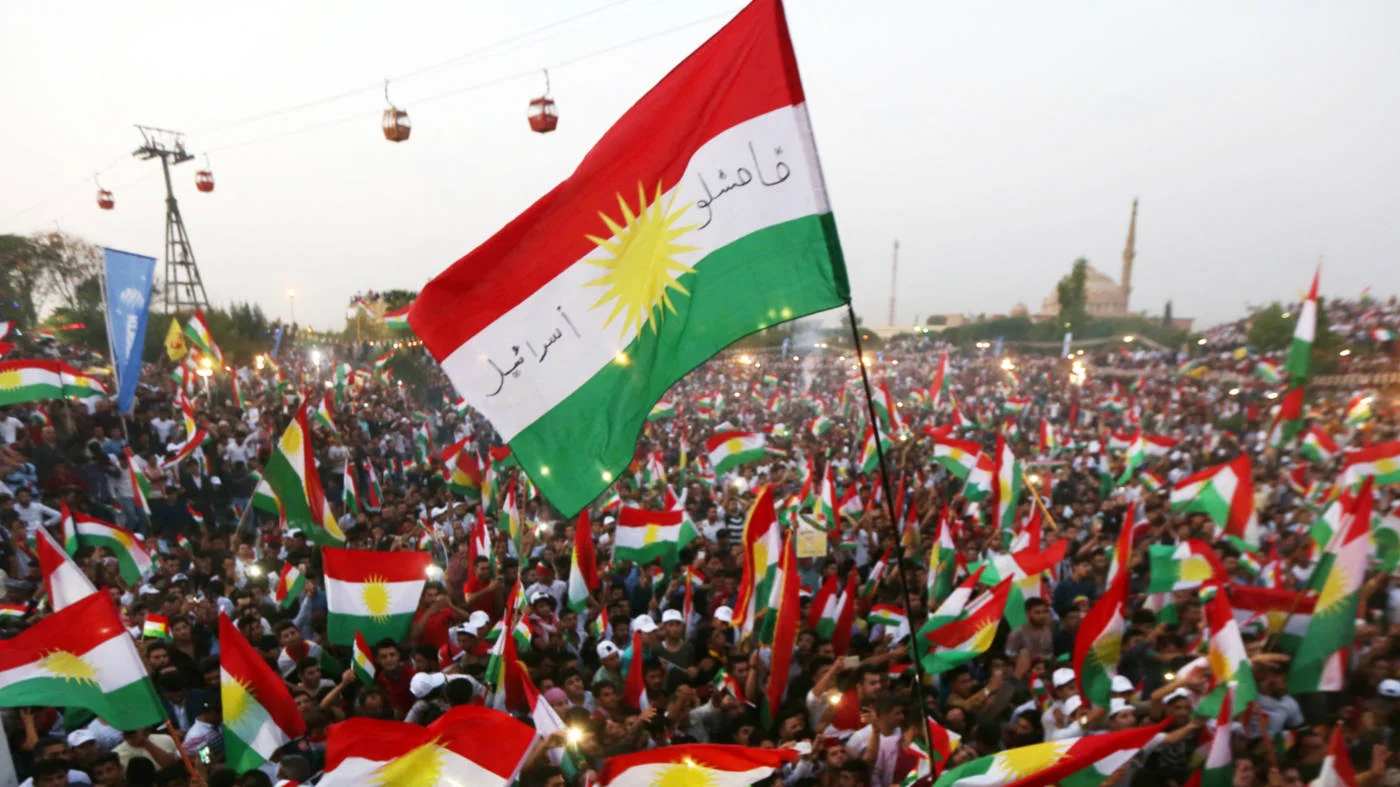
But the US gave no military support to the rebellion, which was subsequently quashed by Iraqi government forces (nor was it the first time). More than one million were displaced to Turkey and Iran.
During the 2003 war in Iraq, Kurdish Peshmerga forces fought alongside US-led coalition troops against Hussein, and became key allies a decade later against the rise of the Islamic State (IS) militant group.
The 2005 Iraqi constitution established the Kurdistan Region, which is run by the Kurdistan Regional Government (KRG). In 2017, 92 percent of the region’s residents voted for independence in a non-binding vote that was rejected as unconstitutional by the Iraqi government and never ratified.
The KRG is currently divided between the rival Kurdistan Democratic Party (KDP) and the Patriotic Union of Kurdistan (PUK), each with separate security forces controlling different parts of the Kurdistan Region.
Turkey and the Kurds
After the foundation of the Turkish state in 1923, Kurds faced decades of cultural restrictions and political exclusion, as well as periods of human rights abuses such as mass imprisonment and the destruction of villages.
Eventually, the leftist Kurdistan Workers Party (PKK), founded in 1978, demanded an independent Kurdish state. It declared an insurgency against Ankara in 1984, led by its chairman, Abdallah Ocalan.
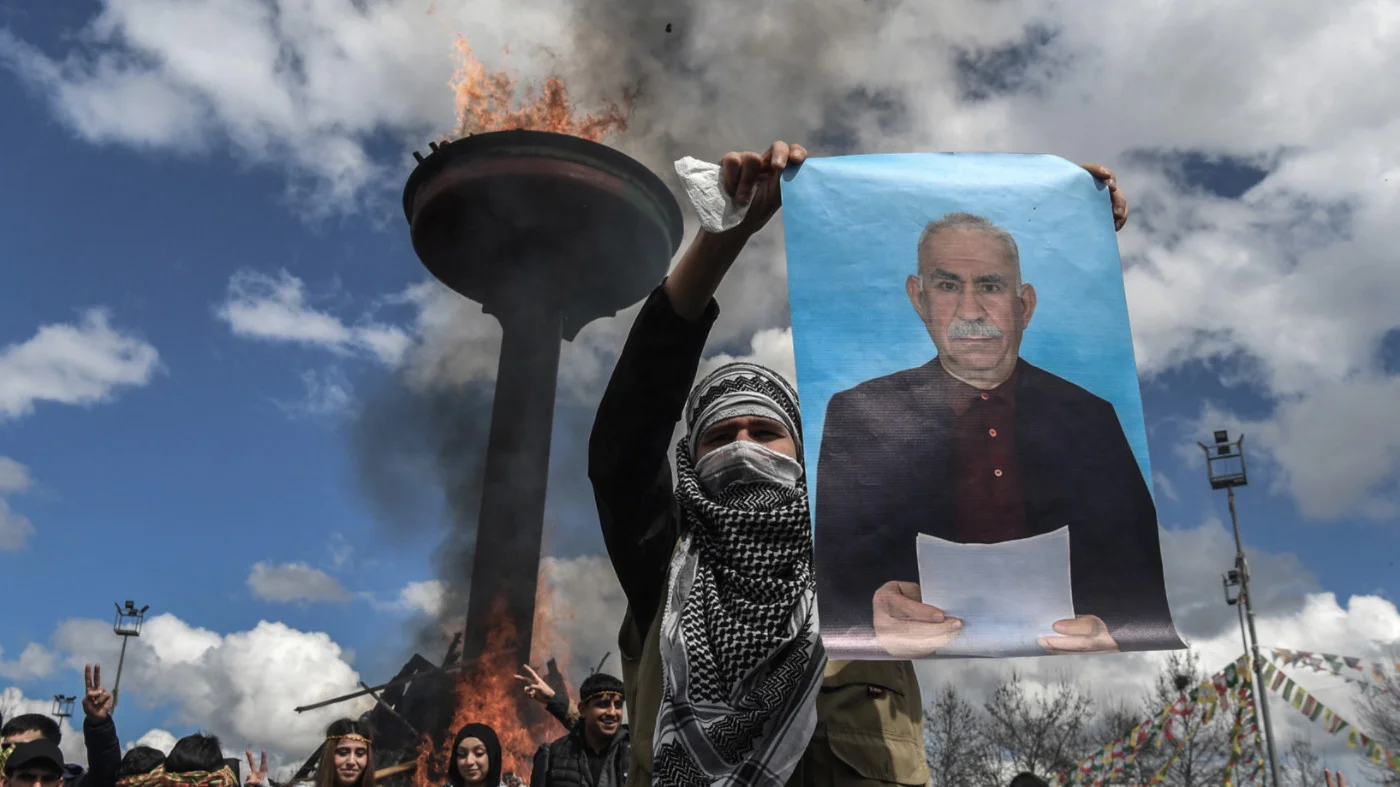
An estimated 40,000 were killed in the four-decade-long guerrilla conflict, the majority of whom were Kurds. During the 1990s, the PKK refocused from secession to improved rights and autonomy within Turkey.
In May 2025, the PKK agreed to disband in exchange for political involvement. On 17 February 2026, Ocalan, imprisoned since 1999, announced that the PKK had fully disarmed amid an effort from Turkish President Recep Tayyip Erdogan to court support from the Kurds.
At the time of writing, the pro-Kurdish People’s Equality and Democracy (DEM) party is the third largest party in the Turkish parliament. But regional autonomy is limited.
Syria and the Kurds
In 1962, hundreds of thousands of Kurds were stripped of their citizenship as part of a plan to "Arabise" the north of the country. For decades, they were deprived of full rights in Syria, yet also unable to flee elsewhere.
During the Syrian civil war from 2011 onwards, Kurdish forces organised around the People’s Protection Units (YPG), forming the core of the Syrian Democratic Forces (SDF), backed by the West against the Islamic State group.
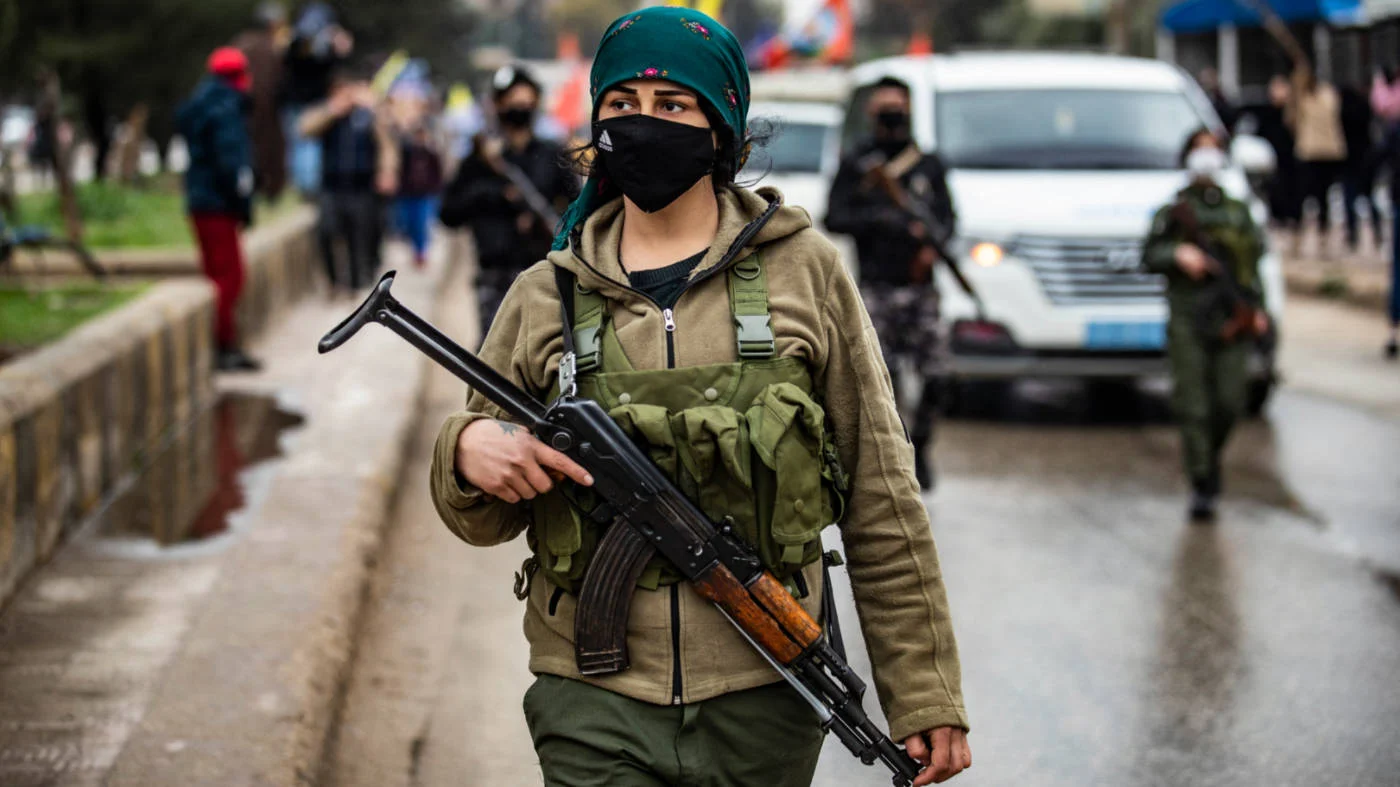
The political arm of the YPG, the PYD, established the Democratic Autonomous Administration in North and East Syria, better known as Rojava, which covered a third of the country.
In December 2024, Syrian President Bashar al-Assad was driven from power. A year later, the new government launched a major offensive against the SDF and took much of its territory. The offensive appeared to have received backing from the US, which previously backed the SDF, leading many Kurds to feel betrayed.
A ceasefire deal was signed on 30 January, including a provision to integrate the Kurdish SDF military and administrative bodies.
The deal has smoothed relations between the US and Turkey, which previously were at odds over US support for the SDF, which Turkey regards as an extension of the outlawed PKK.
What's next for the Kurds and Iran?
For the time being, Kurdish involvement is less likely than it was in the early hours and days of the war.
The Kurdistan Regional Government has been warned by Baghdad not to allow Kurdish groups to be pulled into the US-Israeli war on Iran.
"The message from Baghdad was clear: Kurdish groups must not get involved in Iran," an Iraqi official told Middle East Eye, adding that if that proved impossible, then the Iraqi government would move to secure the border.
Abdullah Mohtadi, the leader of the Iranian Kurdish Komala party, acknowledged on 7 March that there were ongoing talks with the US. But he said that Kurdish forces would only intervene in Iran if the government was already significantly weakened. “We will not send our forces to the slaughterhouse."
'This is not our war, and we've made that very clear'
- Qubad Talabani, Deputy Prime Minister, KRG
And Qubad Talabani, the deputy prime minister of the KRG, has downplayed suggestions of intervention. "Our forces would not get involved under any circumstances," he told Channel 4 News. "This is not our war, and we've made that very clear.”
Iranian military official Ali Akbar Ahmadia said on 6 March that the Kurdistan Region in Iraq will be “widely targeted” should Kurdish forces cross the border into Iran.
He added: “Friendly relations and the generous support of the Islamic Republic in the Kurdistan region during difficult days - such as the attack by ISIS - will also be halted,” using another acronym for the IS militant group.
But some exiled Kurdish groups, including the Free Life Party of Kurdistan (PJAK) and the Democratic Party of Iranian Kurdistan, have said they are open to the idea, and called on Kurds in western Iran to form local committees to fill gaps where the Iranian state has reportedly withdrawn.
“We cannot take the side of either the Americans or the Iranians," Mazloum Haftan, a senior PJAK commander, told The New Region. "Our goals are different...a democratic and decentralised Iran that guarantees the Kurds and other people's right to self-determination."
Middle East Eye delivers independent and unrivalled coverage and analysis of the Middle East, North Africa and beyond. To learn more about republishing this content and the associated fees, please fill out this form. More about MEE can be found here.