Morocco set to legalise cannabis growth and export for medical use

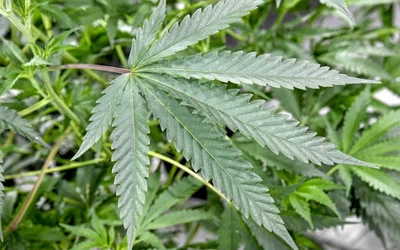
Morocco is set to allow the production and sale of cannabis in the kingdom in an attempt to help ease pressure on farmers in the Rif mountains.
The government said on Thursday that the farming, export and domestic sale of the drug for medical and industrial use would be allowed, should it be passed in parliament next week.
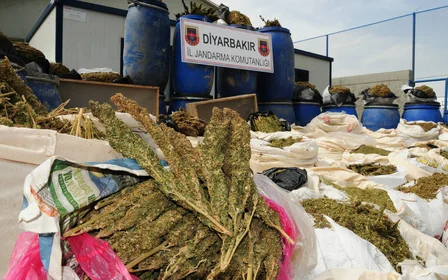
Though growing cannabis is currently illegal in Morocco, it has long been tolerated and the North African kingdom is among the top global producers, according to the UN drug agency, UNODC.
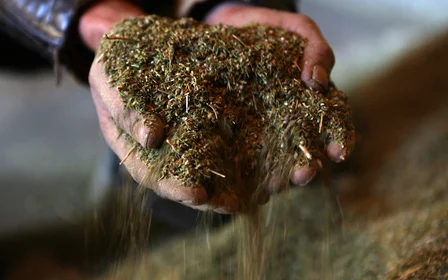
The smoking of hashish - or "kif" - has long been popular among both locals and tourists in the country.
Though past attempts to legalise cannabis farming in the country have failed, the conservative Justice and Development Party (PJD) - the largest in parliament - dropped its opposition after the UN drug agency removed the plant from its list of the most tightly controlled narcotic drugs.
The draft law, seen by Reuters, envisages a national agency to monitor production, transportation and sales.
The recreational use of cannabis in Morocco would still be officially banned, however.
The bill, which the cabinet is expected to approve next week, aims to improve farmers' incomes, protect them from drug traffickers who now control the trade in cannabis and gain access to the booming legal international market for the drug.
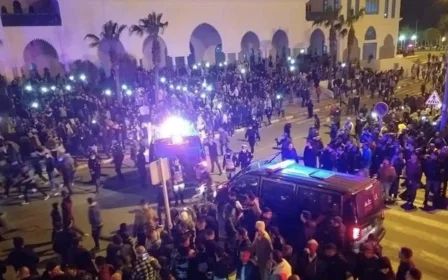
Cannabis is mostly grown in the northern Rif mountains, which in recent years have seen protests over economic inequality.
Morocco reduced the amount of land where cannabis is cultivated from 134,000 hectares in 2003 to 47,000 hectares six years ago, the interior ministry has said.
In December, the UN drug agency’s member states narrowly voted to remove cannabis from the most tightly controlled category of drugs, following the World Health Organisation’s recommendation to make research into its medical use easier.
Morocco was among the countries backing the change.
Middle East Eye propose une couverture et une analyse indépendantes et incomparables du Moyen-Orient, de l’Afrique du Nord et d’autres régions du monde. Pour en savoir plus sur la reprise de ce contenu et les frais qui s’appliquent, veuillez remplir ce formulaire [en anglais]. Pour en savoir plus sur MEE, cliquez ici [en anglais].