
Almost 50,000 Pakistani pilgrims disappeared in Iraq, says minister

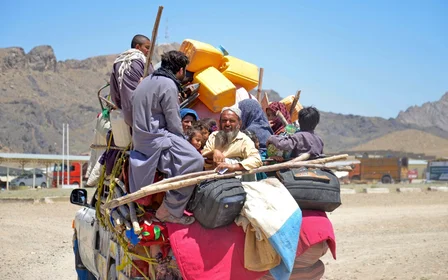
Almost 50,000 Pakistani pilgrims have disappeared in Iraq, according to Islamabad's minister for religious affairs.
Chaudhry Salik Hussain revealed the figures at a Pakistani Senate committee meeting on Wednesday, without elaborating on the timescale or nature of the disappearances.
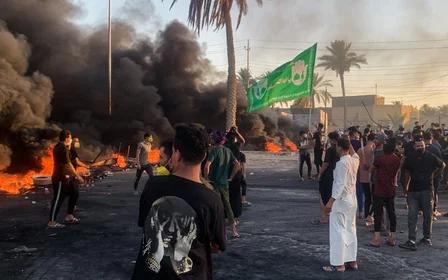
Millions of foreign pilgrims travel to Iraq every year, primarily for Shia Muslim religious festivals on Arbaeen and Ashura.
The Arbaeen pilgrimage, marking the martyrdom of the Prophet Muhammad's grandson Hussein at the Battle of Karbala, is arguably the largest gathering in the world, sometimes attracting as many as 22 million people.
Members of Pakistan's Shia minority are among those who regularly take part in the pilgrimage.
Ahmed al-Asadi, Iraq's labour and social affairs minister, said on Thursday that his government would be investigating the reports and implied that those missing were working illegally in the country.
"Iraq has witnessed the influx of tourists from various countries during the past days, including Pakistanis, but many of them have begun to engage in the labour market without the required legal permits," he said in a statement, according to the Iraqi News Agency.
"Iraq welcomes all tourists, whether for religious tourism or otherwise, from all over the world, but stresses the need to respect local laws and regulations."
A report by the UN said that in 2020, there were 688 Pakistanis living in Iraq, but comments by officials imply a much larger number.
The Senate committee reportedly discussed monitoring challenges faced by pilgrims, particularly at the Taftan border with Iran.
Prolonged waits, a lack of basic facilities and high expenses were raised as issues that faced pilgrims.
The secretary of the Ministry of Religious Affairs, Zulfiqar Haider, also referenced the creation of a directorate for pilgrims to Iraq and Iran.
Earlier this month, Pakistan and Iraq signed a Memorandum of Understanding aimed at making it easier for Pakistanis to acquire work visas for Iraq.
At the time, Hussain said the MoU would "also increase legal immigration and reduce illegal entry into Iraq."
Middle East Eye propose une couverture et une analyse indépendantes et incomparables du Moyen-Orient, de l’Afrique du Nord et d’autres régions du monde. Pour en savoir plus sur la reprise de ce contenu et les frais qui s’appliquent, veuillez remplir ce formulaire [en anglais]. Pour en savoir plus sur MEE, cliquez ici [en anglais].