
Half of Sudan's population faces acute food insecurity, MSF warns

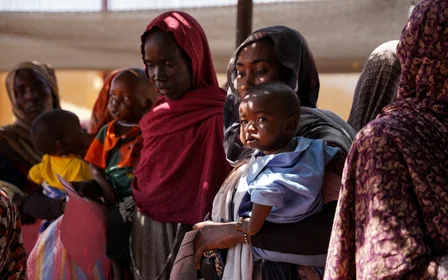
Half of Sudan’s population, or 24.6 million people, is facing high levels of acute food insecurity, Doctors Without Borders (MSF) said on Monday in its latest plea for immediate action in the country.
This figure also includes 8.5 million people at risk of an “emergency or famine-like situation”, according to data gathered from the Integrated Food Security Phase Classification (IPC)’s latest report.
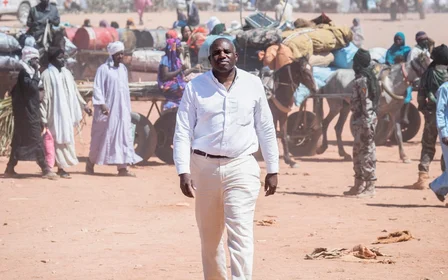
“Despite this new wake-up call, robust humanitarian and diplomatic mobilisation to act on aid deliveries has fallen far short of the needs,” Stephane Doyon, MSF operations manager, said.
“To provide only those in the most extreme situation with monthly food rations, 2,500 aid trucks per month would be required, whereas only about 1,150 crossed into Darfur between August and December.”
According to MSF, Sudan’s warring sides, the Sudanese army and the Rapid Support Forces paramilitary (RSF), have both obstructed the distribution of aid, while the “neglectful inertia” of the United Nations and the aid system in Darfur has also exacerbated the conflict-driven malnutrition crisis.
The organisation said immediate action is needed to prevent “even more avoidable deaths from malnutrition” in the country.
Since April 2023, Sudan has been engulfed in a civil war that has killed tens of thousands of people and caused what leading humanitarian organisations have called the largest internal displacement crisis in the world, with over 10 million people having fled their homes.

As the war rages on with no end in sight, the MSF, the UN and other aid groups have repeatedly warned of the food crisis in Sudan, with the situation continuously getting worse.
“Parts of Sudan are difficult to work in. But it is certainly possible, and this is what humanitarian organisations and the UN are supposed to do,” Marcella Kraay, MSF emergency coordinator in Nyala, South Darfur, said in the organisation’s plea.
“In places that are easier to access, as well as in the hardest to reach areas like North Darfur, options like air routes remain unexplored. The failure to act is a choice, and it’s killing people.”
Last October, the UN’s Office of the High Commissioner for Human Rights (OHCHR) warned that Sudan was facing one of the worst famines in decades, with 97 percent of the country’s internally displaced people facing severe levels of hunger.
“Never in modern history have so many people faced starvation and famine as in Sudan today,” the UN experts said.
Middle East Eye propose une couverture et une analyse indépendantes et incomparables du Moyen-Orient, de l’Afrique du Nord et d’autres régions du monde. Pour en savoir plus sur la reprise de ce contenu et les frais qui s’appliquent, veuillez remplir ce formulaire [en anglais]. Pour en savoir plus sur MEE, cliquez ici [en anglais].