
More than 600 Palestinian captives freed as first phase of Gaza deal concludes

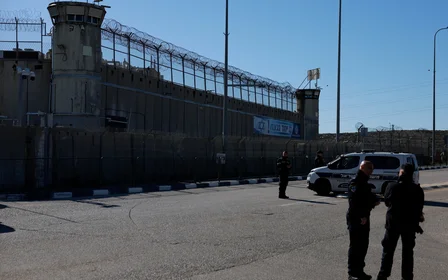
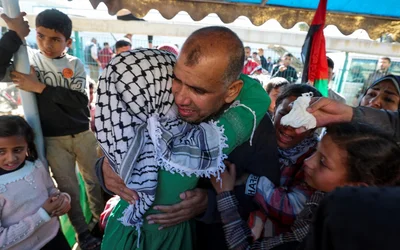
More than 600 Palestinian detainees were freed on Thursday from Israeli jails in the final batch of the first phase of the Israel-Hamas captive exchange and ceasefire deal.
This follows several delays by Israel in the release of more than 640 prisoners, according to figures from the Palestinian Prisoners' Society (PPS) and the Commission of Detainees and Ex-Detainees Affairs, which was originally scheduled for Saturday.
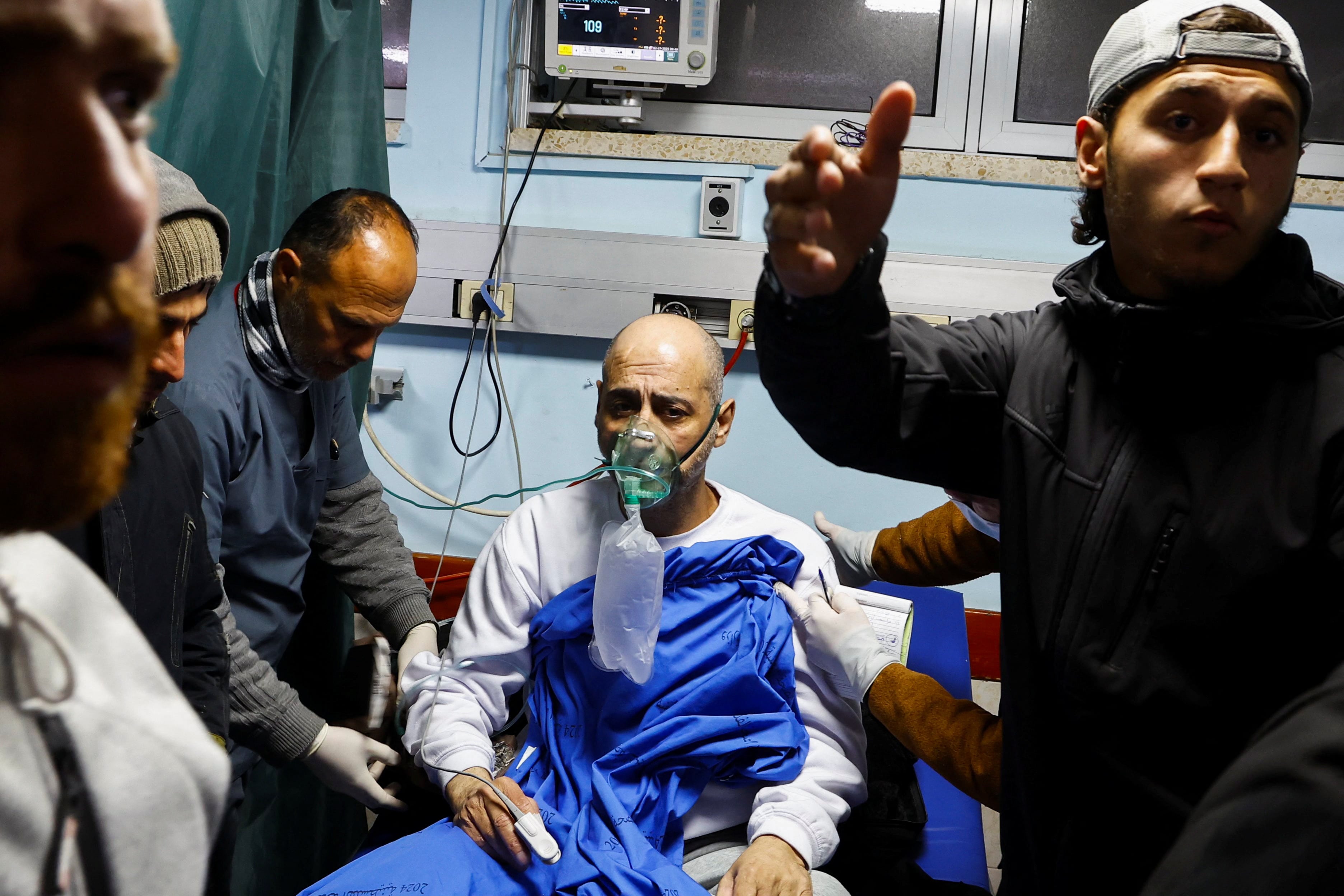
Around 450 of them were released to Gaza, with several needing immediate medical care upon arrival and were administered into the European Hospital in Khan Younis, in the south of the besieged enclave.
More than 15 prisoners serving life sentences or long-term sentences were among those released, including 40 freed to the West Bank.
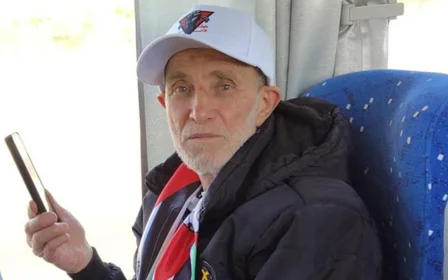
Some prisoners who were handed life sentences were also exiled as part of a group of 97 who were sent to Egypt, including the longest-serving political prisoner in the world, Nael al-Barghouti.
Iman Nafi, Barghouti's wife, told Middle East Eye that her happiness was incomplete because Israeli forces had prevented her from leaving the occupied West Bank to reunite with him in Egypt.
“They told us the ban is for security and political reasons. I don’t understand what that means, but there are dozens of families who have also been prevented from traveling, like me, to meet the released prisoners. We hope they will allow us to do so immediately,” she added.
She expressed her wishes of him returning to his home town in Ramallah, "but what is important now is that he is free, outside the bitter prison and harsh conditions,” Nafi said.
The release took place as Hamas handed over four bodies of Israeli captives to the Red Cross.
Israeli authorities confrimed their identities to be Itzik Elgarat, Ohad Yahalomi, Shlomo Mantzur and Tsahi Idan.
Despite the joy felt across the occupied West Bank and Gaza, many freed detainees showed signs of distress, abuse, starvation and medical negligence in Israeli-run prisons and detention centres.
A number of them received medical attention not long after their release.
In one clip, a former detainee in a bus entering the Gaza Strip warned about the condition of those remaining in prison, shouting: “Prisoners [inside Israeli jails] are in danger. Save them.”

In a different clip, the same Palestinian man describes the torment they endured.
"We couldn't sleep, we were exhausted. They tortured us in the Israeli prisons. They tortured us and broke us. We couldn't eat," he says, adding that they had been kept waiting in the buses since 7am.
Another Palestinian man described his detention as akin to the horrors of Nazism and hell.
"We were in hell, and we came out of hell," he said.
One case of serious health complications upon release was that of Kazem Zawahreh, who had been in a coma for months. He was immediately transferred to a medical facility in the West Bank, according to local reports.
Other clips showed freed captives unable to walk due to their injuries, including those who had undergone amputations.
Rampant torture has been recorded in civilian and military detention facilities across Israel in recent months, resulting in the deaths of at least 60 known Palestinians since 7 October 2023, among them are at least 39 from Gaza.
The latest victim was 34-year-old Raafat Adnan Abdul Aziz Abu Fanouneh, who was taken captive from Gaza, according to the General Authority of Civil Affairs, the Ministry of Detainees and Ex-Detainees Affairs, and the PPS.
The exchanges on Thursday marked the final swaps agreed upon between Israel and Hamas as part of the first phase of the ceasefire agreement, which is due to end on Saturday.
Discussions for the second phase, involving the release of more Palestinian and Israeli captives, were scheduled earlier this month, but no progress has been made so far.
Middle East Eye propose une couverture et une analyse indépendantes et incomparables du Moyen-Orient, de l’Afrique du Nord et d’autres régions du monde. Pour en savoir plus sur la reprise de ce contenu et les frais qui s’appliquent, veuillez remplir ce formulaire [en anglais]. Pour en savoir plus sur MEE, cliquez ici [en anglais].