Israel’s war on Gaza: What is the meaning of genocide?

In December 2023, South Africa accused Israel before the International Court of Justice (ICJ) for its war on Gaza. More than a year later, and the ICJ, the world's highest court, is still hearing the case.
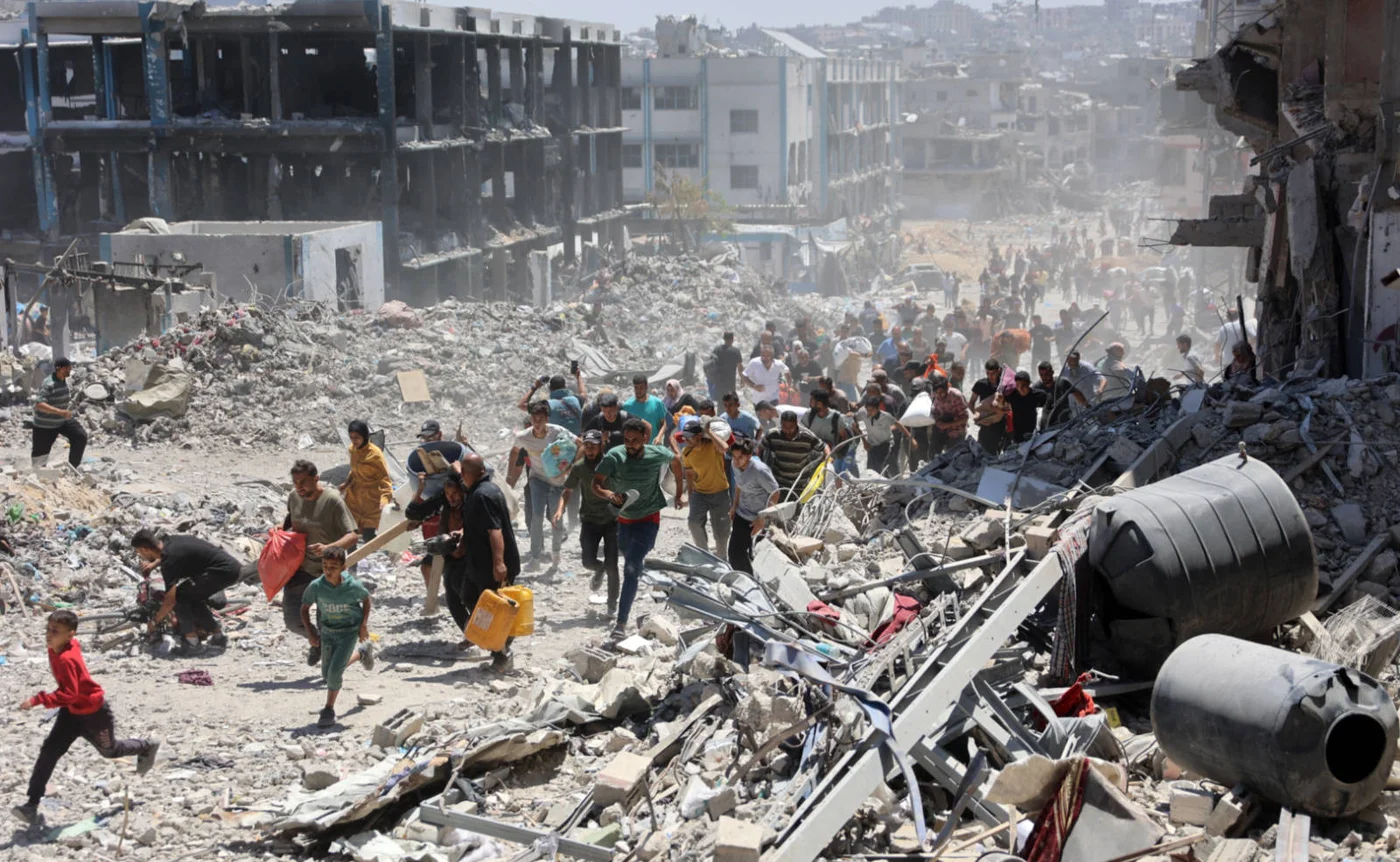
In the meantime, international human rights groups, scholars, and UN experts have come up with their own judgments that genocide has been committed in the Palestinian enclave, where at least 48,440 people were killed between 7 October 2023 and 5 March 2025, according to the Palestinian health ministry.
But what is "genocide"? And how does international law define and prosecute this most serious of crimes?
What is the definition of genocide?
The definition of genocide focuses on the destruction, or intent to destroy, in whole or in part, a national, ethnic, racial, or religious group. It is one of the most serious international crimes, alongside crimes against humanity, and war crimes. They are collectively known as “core international crimes” or “atrocity crimes”.
Genocide is widely recognised as “the crime of all crimes”: it doesn't need to be part of a war between countries, and can exist, for example, as part of an internal domestic policy against an identifiable group.
What makes genocide different?
What differentiates crimes from each other is their core elements: the mens rea (the mental element of intent or knowledge); and the actus reus (the prohibited acts themselves).
For genocide, the intention is specific: to destroy, in whole or in part, a national, ethnic, racial, or religious group. Other actions that lead up to genocide are also prohibited and considered substantive crimes under the 1948 Genocide Convention - more on that below.
Read more: Israel’s war on Gaza: What is the meaning of genocide?