Opinion: The chaos Israel is sowing across the Middle East could come back to haunt it

A ritual is performed every time Israel starts another war, before the white phosphorus rains down, before the fear and panic of people fleeing their homes, before the footage of stunned survivors sifting through the rubble of collapsed apartment blocks.
It’s called the ceasefire ritual - a public display of hand-washing. It’s the charade of pretending that there are honest diplomats out there trying to search every avenue, stretch every sinew, to stop this bedlam from starting.
Much of it is choreographed. Other parts are improvised. But be sure about one thing: it is pantomime. It bears no relationship to reality.
Hours before Israel declared that its ground attack on Lebanon had begun, French Foreign Minister Jean-Noel Barrot was vainly insisting in a media conference in Beirut that his proposed 21-day ceasefire was “still on the table”.
As he was doing so, the US, France’s co-sponsor, was briefing journalists that ceasefire talks had stopped. This position went through several iterations as the afternoon wore on, and the contradictions accumulated.
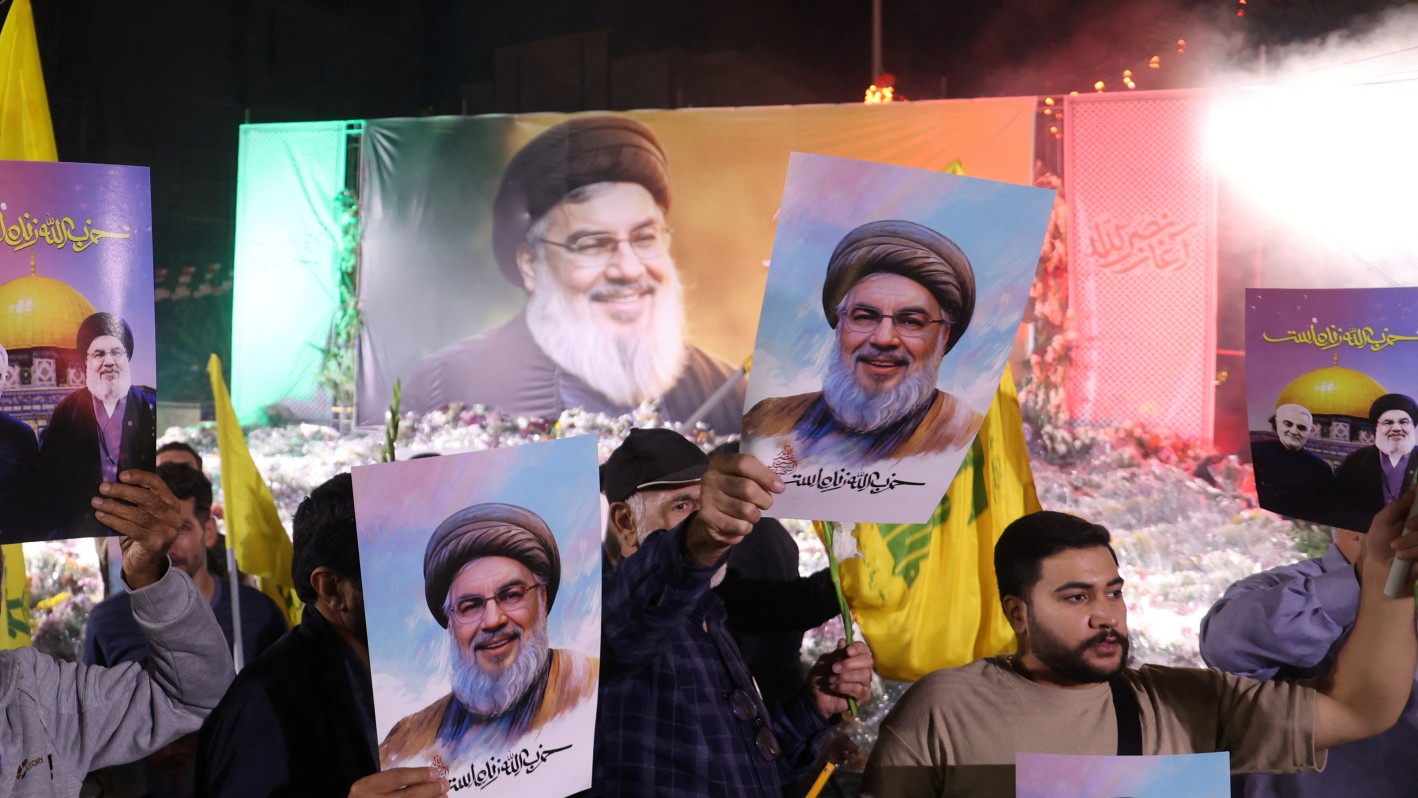
The US simultaneously wanted a diplomatic solution, while describing Hezbollah leader Hassan Nasrallah’s assassination as an “unalloyed good”. It claimed to have restrained Israel to a limited operation on the border, while also expressing anxiety about the humanitarian aspect of the operation. And it pledged to continue to work on de-escalating tensions while acknowledging that Israel was a sovereign country that made its own decisions.
If this charade sounds horribly familiar, that’s because it is.
Cut through the verbiage and the bottom line - as the Pentagon has confirmed - is that the US supports a ground invasion of Lebanon, and ceasefire plans can go hang.
Read more: The chaos Israel is sowing across the Middle East could come back to haunt it by David Hearst