
Opinion: Why Arab regimes' betrayal of Palestine may come back to haunt them

On 2 August, funeral prayers for Ismail Haniyeh drew thousands to Doha's Imam Muhammad ibn Abd al-Wahhab Mosque to honour the assassinated Hamas leader.
Notably absent from the funeral were representatives from the governments of Jordan, Saudi Arabia, the United Arab Emirates, Bahrain, Egypt and Morocco.
Despite their critical policy differences, similar occasions in the past, such as the funeral of the late Palestinian leader Yasser Arafat, brought together Arab leaders in a symbolic display of unity and collective mourning.
For all their glaring contradictions, Arab states previously found it necessary to pay heed to the question of Palestinian liberation in the eyes of their populations, though more often with words than deeds.
However, since their violent suppression of the Arab uprisings, authoritarian regimes no longer need to legitimise their rule through declared support for Palestine. They now have a free hand to pursue deeply unpopular policies, including normalisation with Israel.
So, the absences in Doha are just the latest example of a shift in these regimes' style and substance that was more than a decade in the making and has become more pronounced since 7 October.
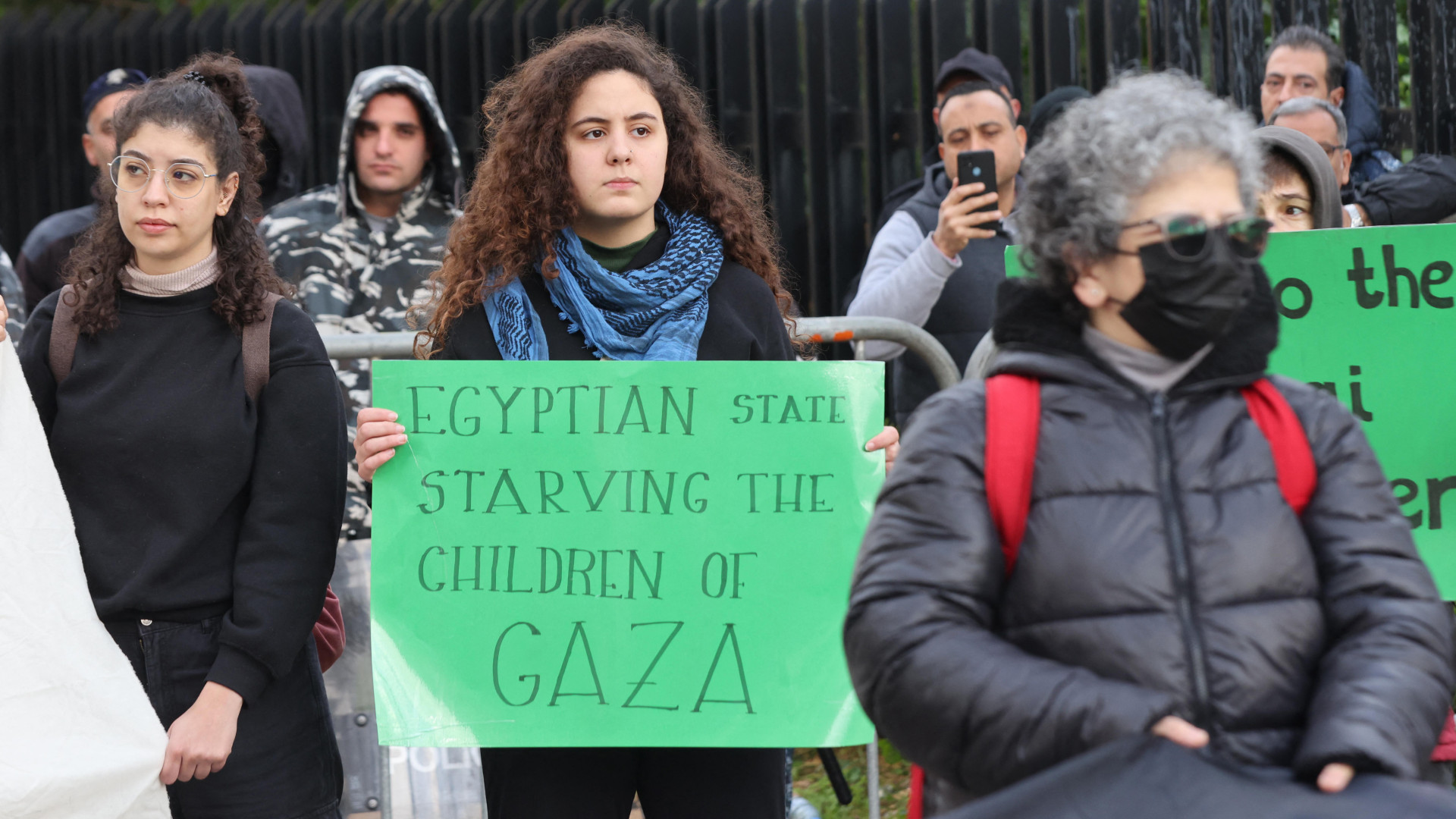
Indeed, several Arab states have offered Israel significant support since it unleashed its assault on Gaza. This has brought into focus a long-developing regional picture of how these states have been enlisted in the US-Israeli security order.
In prior eras, the sight of Arab regimes acting in open alliance with Israel would have been unimaginable. This raises questions about how such a reality has come to be and what impact the current moment will have on these alliances going forward.
Read more: Why Arab regimes' betrayal of Palestine may come back to haunt them by Abdullah Al-Arian