US sincerity and Israeli defiance raise doubts about renewed push for Gaza ceasefire

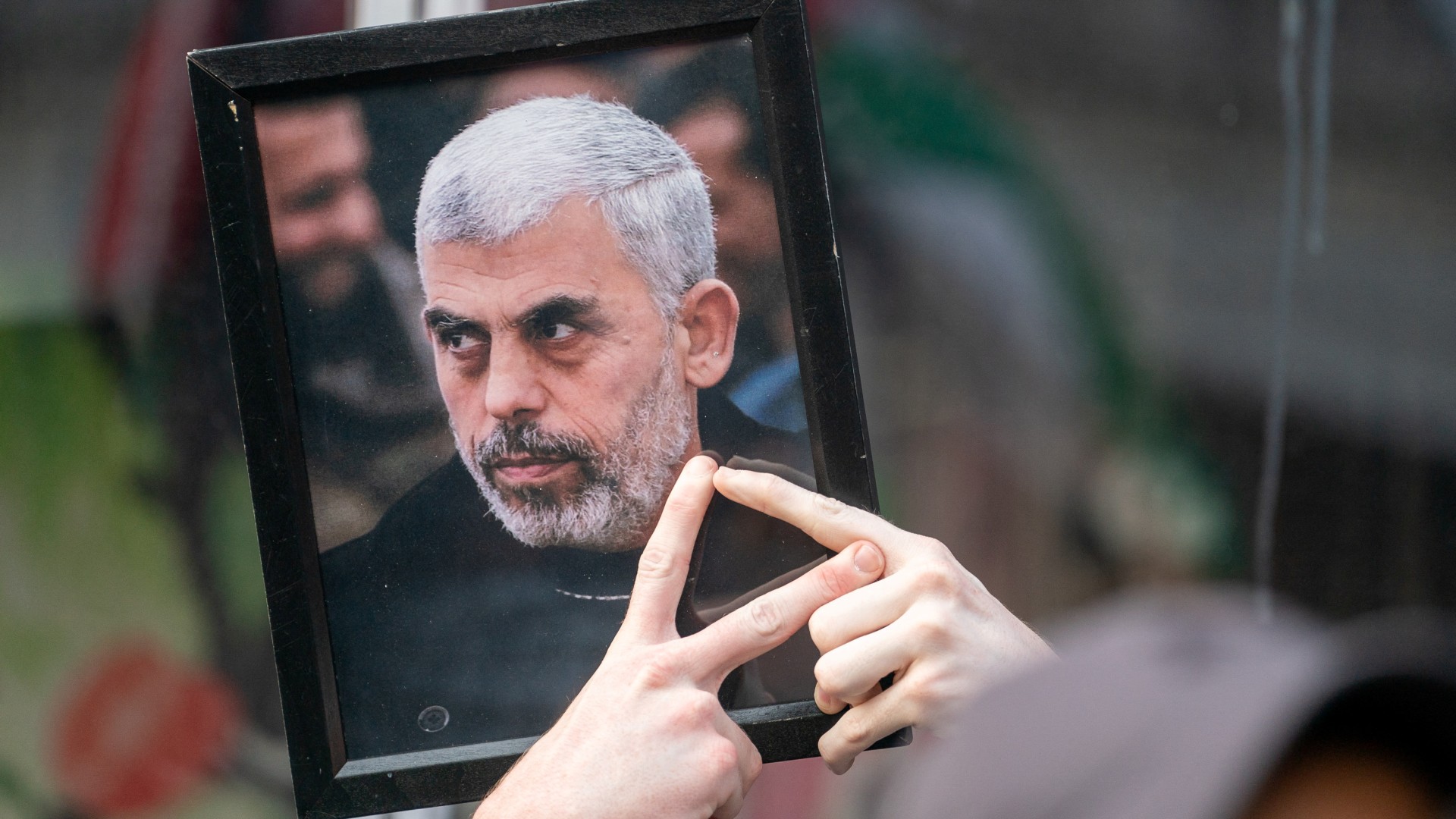
Israel’s announcement on Thursday of the killing of Hamas leader Yahya Sinwar in Gaza has seemingly fuelled the US with new energy to pursue a stalled ceasefire agreement, but it faces a short window of opportunity and an emboldened ally as it looks to revive a deal.
The Biden administration's reluctance to use any leverage against Israel for a ceasefire has brought into question the administration's sincerity in wanting an end to the war on Gaza. It has also dulled perceptions of Washington's ability to influence events as escalations between Israel and Iran, and Israel's invasion of Lebanon, bring the region to the brink of an all-out war.
US officials are now scrambling to revive ceasefire talks that just days ago the White House said were frozen, according to one current and two former senior US officials.
“This administration believed the utility of the war diminished three or four months ago. Now they have an impetus to take another stab at talks,” David Schenker, a former US State Department official, told MEE.
President Biden’s senior advisors have already reached out to mediators Egypt and Qatar, one of the former senior officials briefed by the administration told MEE, adding that the White House could dispatch CIA chief Bill Burns back to the region in the coming weeks.
“Sinwar’s death opens the door for a possible deal. The administration is going to try and run with this to see if they can take the talks out of deadlock,” Alan Pino, a former CIA and National Intelligence Council officer for the Middle East told MEE.
But Patrick Theros, the former US ambassador to Qatar, said the US might be too late in thinking a ceasefire can put a lid on regional tensions.
"Gaza is rapidly becoming an irrelevant victim. The momentum has shifted to the Lebanon war, and soon maybe an Iran war. Gaza is a sideshow and Sinwar's killing is a complication, not a show-stopper," Theros told MEE.
To read the full analysis, click below.
Hamas chief's killing may revive peace talks, but US sincerity and Israeli defiance raise doubts