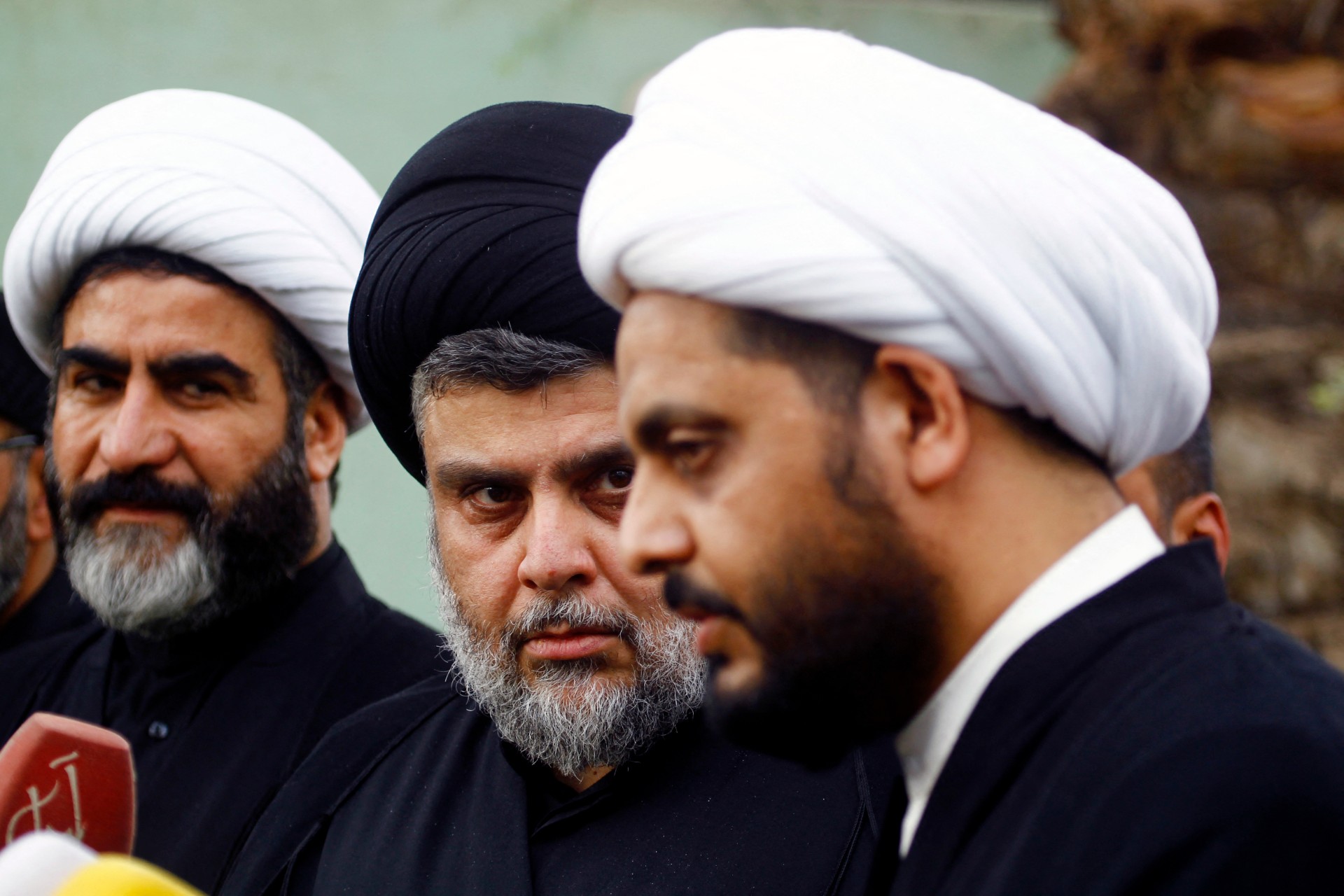
Muqtada al-Sadr: A frustrated political force

Shia cleric Muqtada al-Sadr has over the past two decades been one of the most powerful political forces in Iraq. Originally the leader of armed forces opposed to the US-led occupation, he has established himself as a nationalist and opponent of the establishment, despite many of his followers having held government positions.
Sadr's father, Mohammed Sadiq, and father-in-law, Mohammed Baqir, were both highly influential clerics, and their faces regularly adorn placards and banners of Sadrists and other religious and political factions in Iraq. Both were killed by Saddam Hussein and are regarded as martyrs and advocates of the poor by many Shia.
Sadr himself has built a following among much of the socially conservative poor and working-class of Iraq, as well as with those opposed to the influence of Iran and the US. His base of support in Baghdad is in the sprawling Sadr City, named after his relatives, but he commands widespread influence throughout the country.
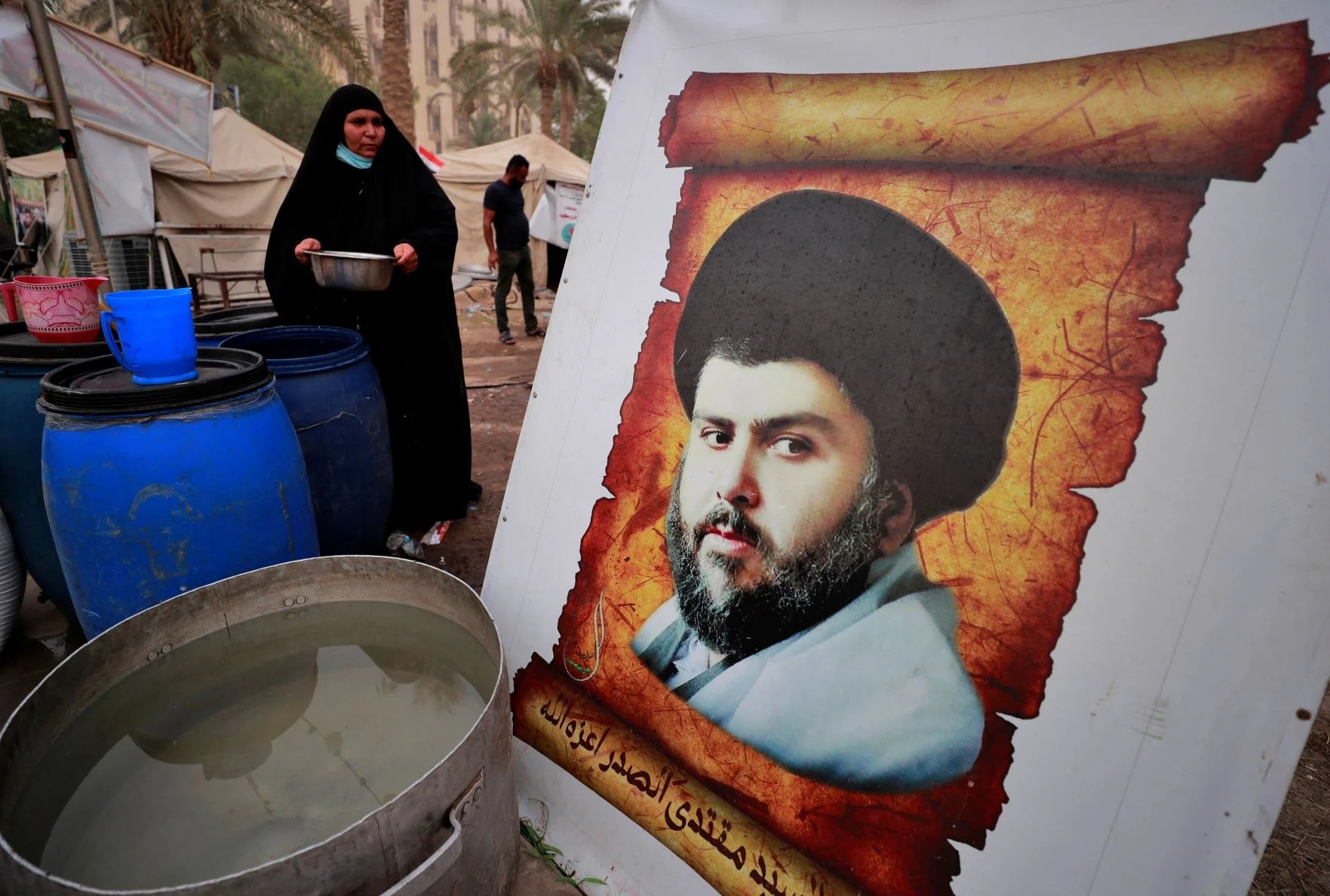

His Sairoon party came first in October's parliamentary elections (though most Iraqis did not vote), and afterwards he attempted to push for the formation of what he called a "majority government" along with Sunni and Kurdish allies.
However, he was unable to secure enough support among other parliamentarians to secure the formation of a government, and in June, in a supposed attempt to break the deadlock, Sadr ordered his MPs to withdraw from the assembly.
Sadr and his supporters then demanded the dissolution of the parliament and the announcement of new elections. When that wasn’t forthcoming, things began heating up even more, and protests began.
Read more about Sadr and the other major players in Iraq’s political crisis here:
Who are the main players in Iraq's political crisis?