UN's relief efforts obstructed by quakes

A top UN official has said that the world body's efforts in providing relief to Syria after its earthquake has been severely hampered due to damage to roads, fuel shortages and harsh winter weather.
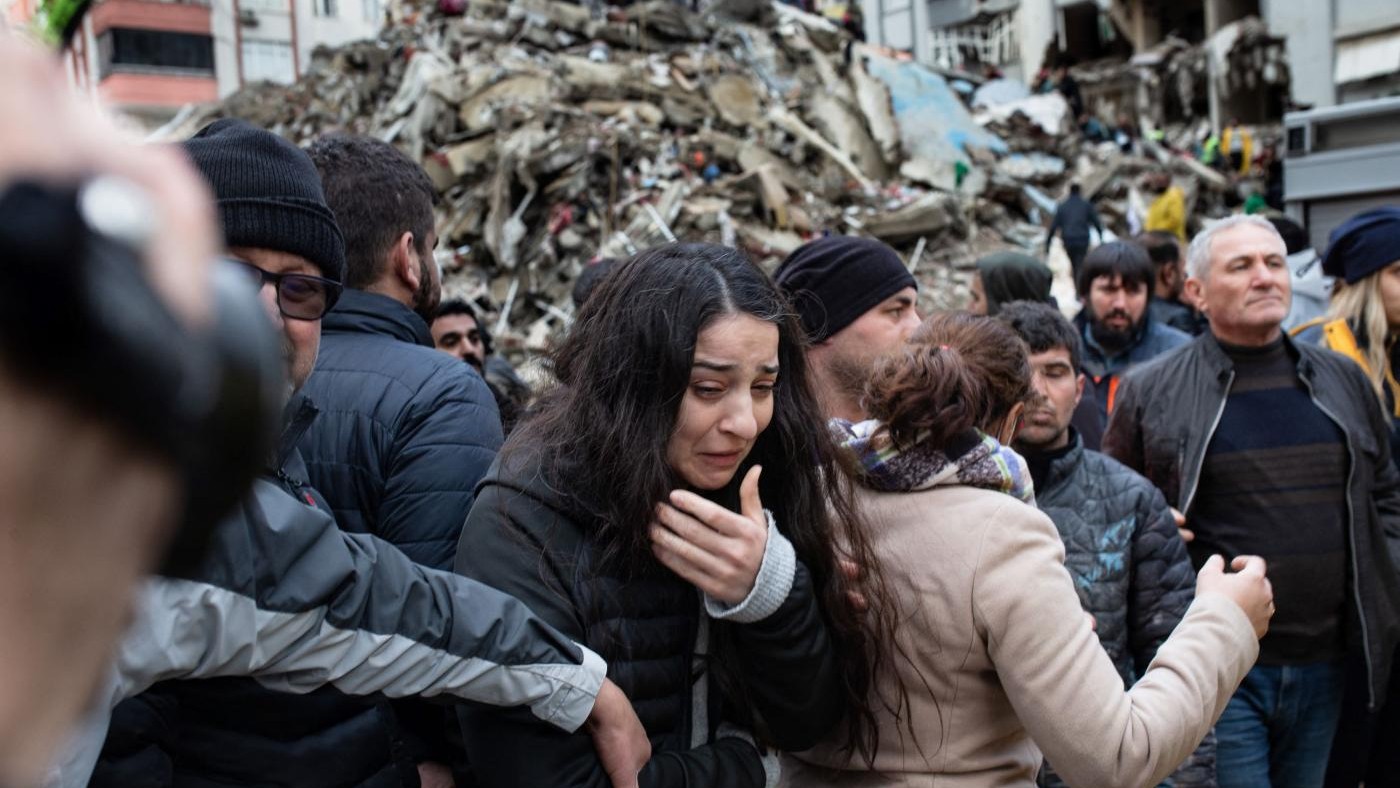
The two 7-plus magnitude tremors, which also left more than 2,300 people dead in Turkey, sent people rushing into the streets in Syria's rebel-held northwest, where past air strikes and shelling have already traumatised the population and weakened infrastructure, particular hospitals.
"The infrastructure is damaged, the roads that we used to use for humanitarian work are damaged, we have to be creative in how to get to the people... but we are working hard," UN resident coordinator El-Mostafa Benlamlih told Reuters.
Even prior to the earthquake, the UN estimated that more than four million people in northwest Syria, many displaced by the 12-year conflict and living in camps, depended on cross-border aid.
The UN says the number of people in need of humanitarian support is greater than at any point since the war began, with 70 percent of the population requiring aid.
Now, "they are the same people - suffering more," Benlamlih said.
He added that many people whose homes had been destroyed were spending the night sleeping out in the open or in cars, often in freezing temperatures, without adequate access to basic items like jackets and mattresses.
Experts have told MEE that hypothermia is a severe danger to many of the survivors of the quake.
Turkey earthquake: Rescue efforts across region after deadliest disaster in decades