Gaza live: Several dead including Hezbollah commander after Israeli strike on southern Beirut

Live Updates
Good morning Middle East Eye readers,
Here are the latest updates from the Israeli war on Gaza, now in its 348th day:
-
A day after thousands of pagers detonated in Lebanon in what is suspected to be an Israeli espionage operation, another round of explosions involving electronic devices like walkie-talkies and laptops resulted in at least 20 deaths and 450 injuries
-
Hezbollah’s executive council announced the group will respond to the attacks with "special punishment," while Lebanon’s Foreign Minister Abdallah Bou Habib condemned the "blatant assault on Lebanon’s sovereignty and security," warning that it could "signal a wider war"
-
As tensions escalated, the Israeli military confirmed the redeployment of the 98th Division, comprising approximately 10,000 to 20,000 soldiers, from Gaza to Lebanon’s northern border
-
The UN Security Council is scheduled to meet on Friday to address the explosions in Lebanon. Meanwhile, the UN human rights chief, Volker Turk, denounced "the fear and terror" caused by the attack and called for an independent investigation
-
On Wednesday, Israeli attacks across the Gaza Strip left at least 48 Palestinians dead, including nine children, according to medical sources
-
The UN General Assembly passed a non-binding resolution demanding Israel end its "unlawful presence" in Palestinian territories within a year. Palestine’s UN envoy described it as a pivotal moment in "our struggle for freedom and justice"
-
Saudi Crown Prince Mohammed bin Salman stated that the kingdom will not establish diplomatic ties with Israel until the creation of a Palestinian state, dealing a setback to US-led efforts to broker a "normalisation" deal.
Our live coverage from Gaza will shortly be closing until tomorrow morning.
Here are some of the day's key developments:
-
The death toll caused by detonations on Wednesday of hand-held radios used by Hezbollah rose to 20, the Lebanese health ministry said
-
The United Nations General Assembly (UNGA) on Wednesday adopted a Palestinian-drafted resolution that demands Israel end "its unlawful presence in the Occupied Palestinian Territory" within 12 months
-
The decision to execute the pager attack, attributed to Israel, was "imposed" following an intelligence breach involving two Hezbollah operatives who discovered the tampered devices
-
Gold Apollo, the Taiwanese company connected to the pagers involved in the deadly explosions in Lebanon, has stated that it licenced its design to another firm and had "no involvement in the design or manufacturing" of the devices
-
More forces are being sent to Israel’s northern border, as the war with Hezbollah moves into a new phase after Tuesday’s pagers explosions, Israeli Defence Minister Yoav Gallant said.
-
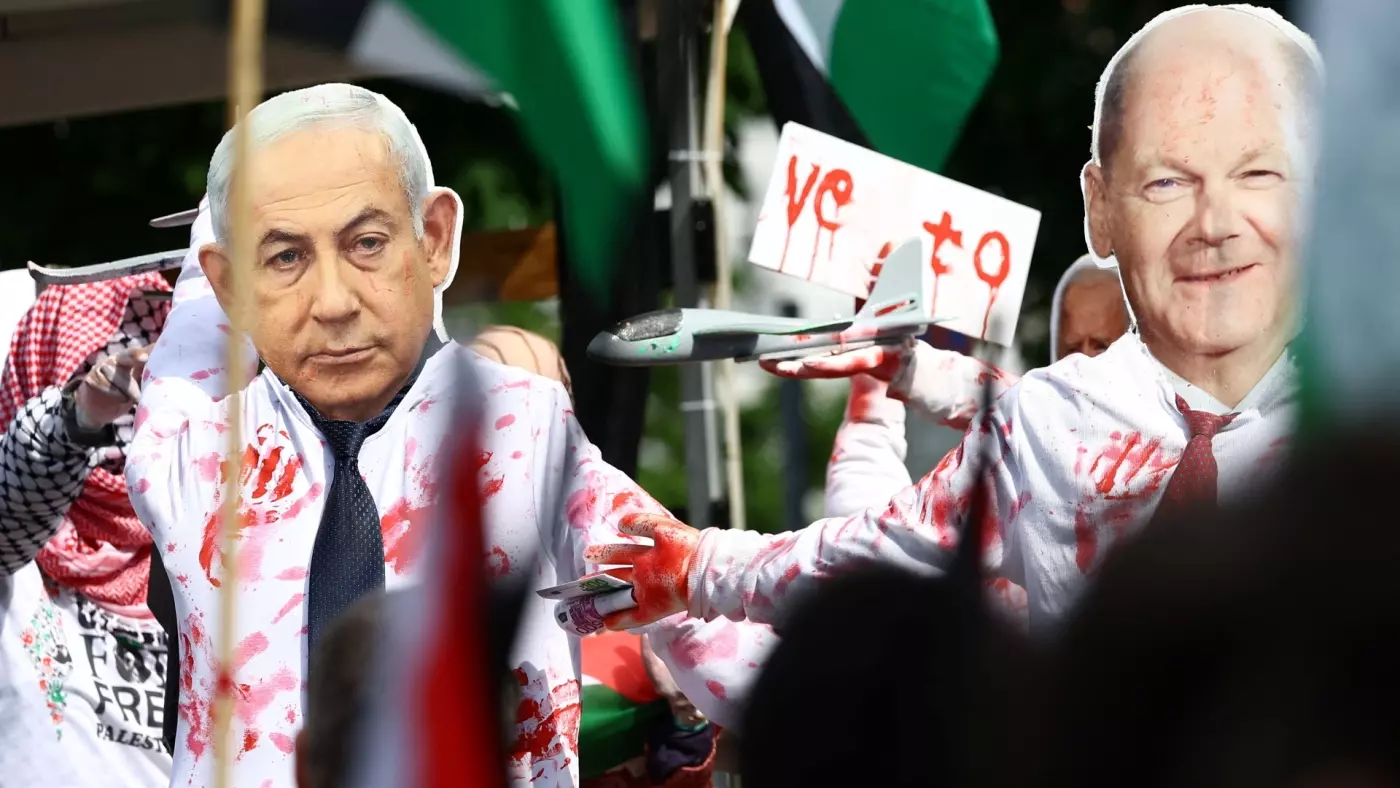
New licences for the export of "weapons of war" to Israel have been put on hold by Germany pending legal challenges
-
An Israeli air strike targeted a school sheltering displaced civilians in Shujaiya, a neighbourhood in the east of Gaza City, killing and injuring eight people
The Palestinian Authority denounced the deadly explosions in Lebanon and offered to help treat some of the wounded in Palestinian hospitals and clinics inside Lebanon.
The PA also offered Lebanon’s cabinet its “deepest condolences” in a statement released by the Palestinian news agency Wafa, and warned against the consequences of this “dangerous escalation”.
In the statement, the PA also called on the international community to take “urgent action to prevent the situation from exploding” in the region.
The death toll caused by detonations on Wednesday of hand-held radios used by Hezbollah rose to 20, the Lebanese health ministry said.
The death toll from Tuesday's pager explosions rose to 12, including two children, with nearly 3,000 injured.
New licences for the export of "weapons of war" to Israel have been put on hold by Germany pending legal challenges, according to an exclusive report from Reuters.
Citing data from Germany's economy ministry and a source close to it, licences for "weapons of war" to Israel amounted to just $36,150 in 2024 and total arms exports dropped to $16.1m.
In 2023, arms exports including military equipment and weapons of war totalled $363.5m - which was a 10-fold increase from 2022.
According to the report, Germany "had stopped work on approving export licences for arms to Israel pending a resolution of legal cases arguing that such exports from Germany breached humanitarian law".
Germany currently faces two cases, one at the International Court of Justice (ICJ) and one brought by the European Center for Constitutional and Human Rights (ECCHR).
Read more: Germany stops approving new arms export licences for Israel: Report

Iran will follow up on an attack targeting its ambassador in Lebanon, the Iranian envoy to the United Nations Saeed Iravani said in a letter on Wednesday.
Iran "reserves its rights under international law to take required measures deemed necessary to respond", Iravani said.
More forces are being sent to Israel’s northern border, as the war with Hezbollah moves into a new phase after Tuesday’s pagers explosions, Israeli Defence Minister Yoav Gallant said.
“The ‘centre of gravity’ is moving north, meaning that we are allocating forces, resources and energy for the northern arena,” he said in remarks released by his office.
Israeli Prime Minister Benjamin Netanyahu vowed on Wednesday to return tens of thousands of residents evacuated from northern border areas to their homes.
“We will return the residents of the north securely to their homes,” he said in a brief video statement, giving no further details.
In the statement, Netanyahu made no mention of the operation that remotely detonated thousands of pagers and hand-held radio devices used by operatives of Hezbollah on Tuesday, which killed 12 people and wounded 12,750.
The United Nations General Assembly (UNGA) on Wednesday adopted a Palestinian-drafted resolution that demands Israel end "its unlawful presence in the Occupied Palestinian Territory" within 12 months.
Out of 193 members of the UNGA, the resolution received 124 votes in favour, with 43 countries abstaining, while Israel, the US and 12 others voted no.
The resolution backed an advisory opinion by the ICJ – which found that Israel’s presence in Palestine is unlawful and must end.
How and when did thousands of pagers become lethal weapons that killed 12 and wounded at least 2,750 people in Lebanon on Tuesday?
Hours after the surprise attack on Hezbollah, widely blamed on Israel, those questions still stand.
But reports and other publicly available information are starting to reveal a murky trail that begins in Taiwan with a woman named Teresa and ends in a residential neighbourhood in suburban Budapest.
Here’s what we know so far.
From Taiwan to Budapest: The murky trail of Lebanon's exploding pagers
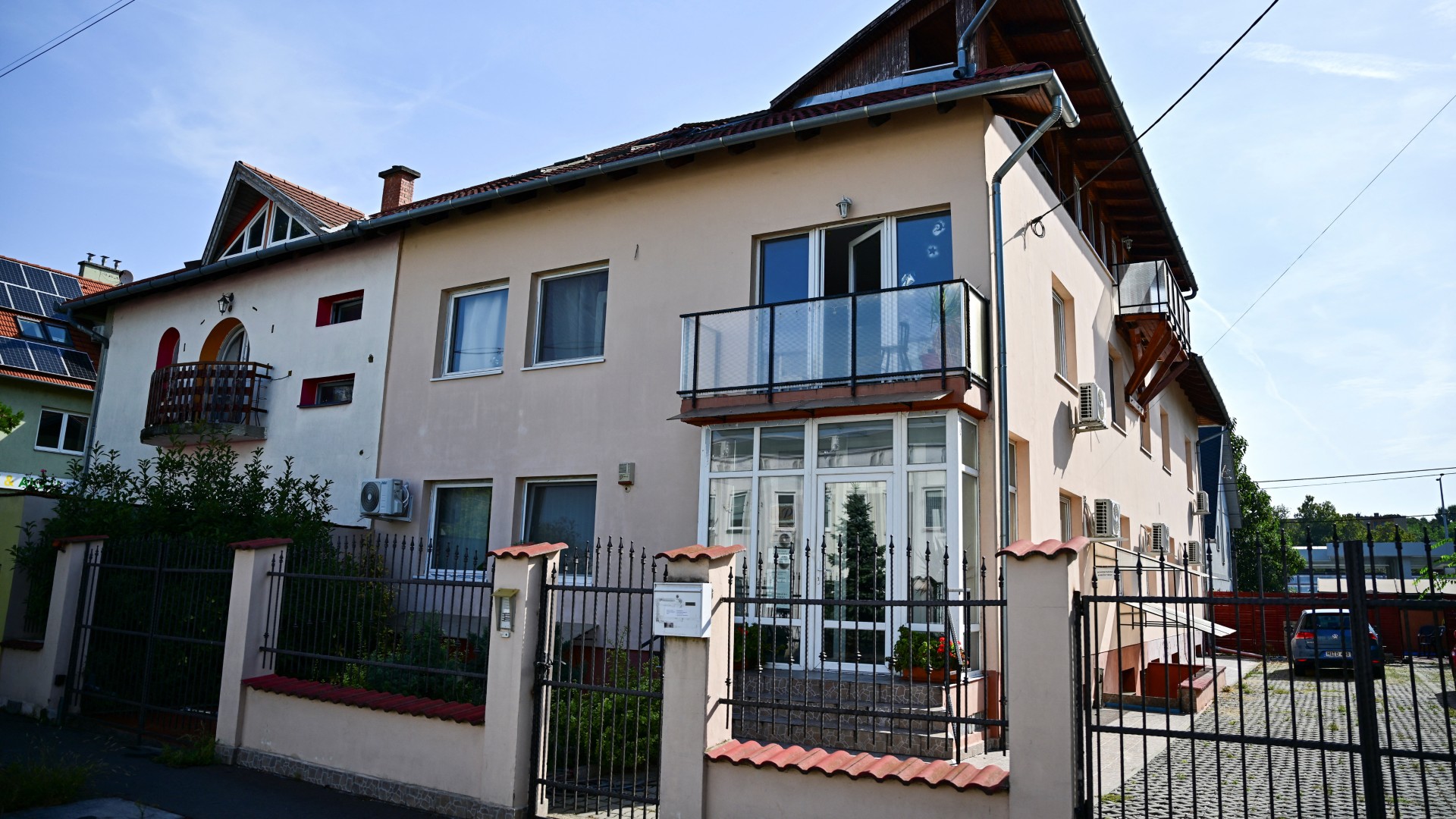
The pagers that detonated in Lebanon on Tuesday were never in Hungary, said the government of Prime Minister Viktor Orban in a statement on Wednesday.
The Taiwanese pager company Gold Apollo said earlier on Wednesday the pagers used in the attack were made by Budapest-based BAC Consulting, and that it had only licensed its brand to the company but was not involved in the production of the devices.
"Hungarian authorities have established that the company in question is a trading-intermediary company, which has no manufacturing or other site of operation in Hungary," Hungarian government spokesman Zoltan Kovacs said on Facebook.
The UN Security Council is due to meet on Friday to dicsuss the latest blasts that hit Lebanon, council president Slovenia said on Wednesday.
The Lebanese president has requested the UN Security Council to hold an emergency meeting over the blasts, which killed more than 20 people since Tuesday and wounded thousands across Lebanon.
Lebanon's health ministry has updated the death toll for Wednesday's walkie-talkie blasts to nine, and said at least 300 have been wounded as a result of the attacks.
United Nations secretary general Antonio Guterres said on Wednesday that civilian objects should not be weaponised, commenting on the pager blasts that have hit Lebanon since yesterday.
“I think it’s very important that there is effective control of civilian objects, not to weaponise civilian objects - that should be a rule that… governments should be able to implement,” Guterres said at a press briefing at UN headquarters.
“As important as the event in itself, is the indication that this event confirms that there is a serious risk of a dramatic escalation in Lebanon - and everything must be done to avoid the escalation,” he added.
Saudi Crown Prince Mohammed bin Salman on Wednesday said that Riyadh will not normalise relations with Israel without the establishment of a Palestinian state with East Jerusalem as its capital.
“The kingdom will not stop its tireless work towards the establishment of an independent Palestinian state with East Jerusalem as its capital, and we affirm that the kingdom will not establish diplomatic relations with Israel without that,” he told the Saudi parliament in a speech.
“We extend our thanks to the countries that recognised the Palestinian state in embodiment of international legitimacy, and we urge the rest of the countries to take similar steps,” he added.
"The Palestinian cause is at the forefront of your country’s concerns, and we renew the kingdom’s rejection and strong condemnation of the crimes of the Israeli occupation authority against the Palestinian people, ignoring international and humanitarian law in a new and bitter chapter of suffering."
Lebanon's state-run media reported that exploding devices killed three people in the east on Wednesday.
"Three martyrs fell after devices exploded in the town of Sohmor," the state-run National News Agency said.
Meanwhile, AFP reported that at least 100 have been wounded in nationwide walkie-talkie blasts on Wednesday.