
Live: US and Iran say peace deal reached, signing planned in Geneva

Live Updates
Iran's former supreme leader Ali Khamenei, who ruled Iran for nearly 37 years before being killed by Israeli and US air strikes on 28 February, will be buried on 9 July, state television reported.
The burial in his hometown, the northeastern holy city of Mashhad, initially scheduled for March but postponed due to the war, will follow three days of funeral ceremonies in capital Tehran beginning 4 July and another in the holy city of Qom on 7 July, it said.
The UAE on Saturday denied media reports that it agreed to release billions of dollars of frozen funds to Iran, according to CNBC.
"The Ministry of Foreign Affairs affirmed that these allegations are entirely false and unfounded, stressing that no frozen Iranian funds have been released, transferred, or facilitated through the UAE," the government told CNBC.
Pakistan’s Foreign Minister, Ishaq Dar, in a call with his Swiss counterpart expressed hope that ongoing efforts to reach an understanding between the US and Iran will contribute to regional "peace and stability".
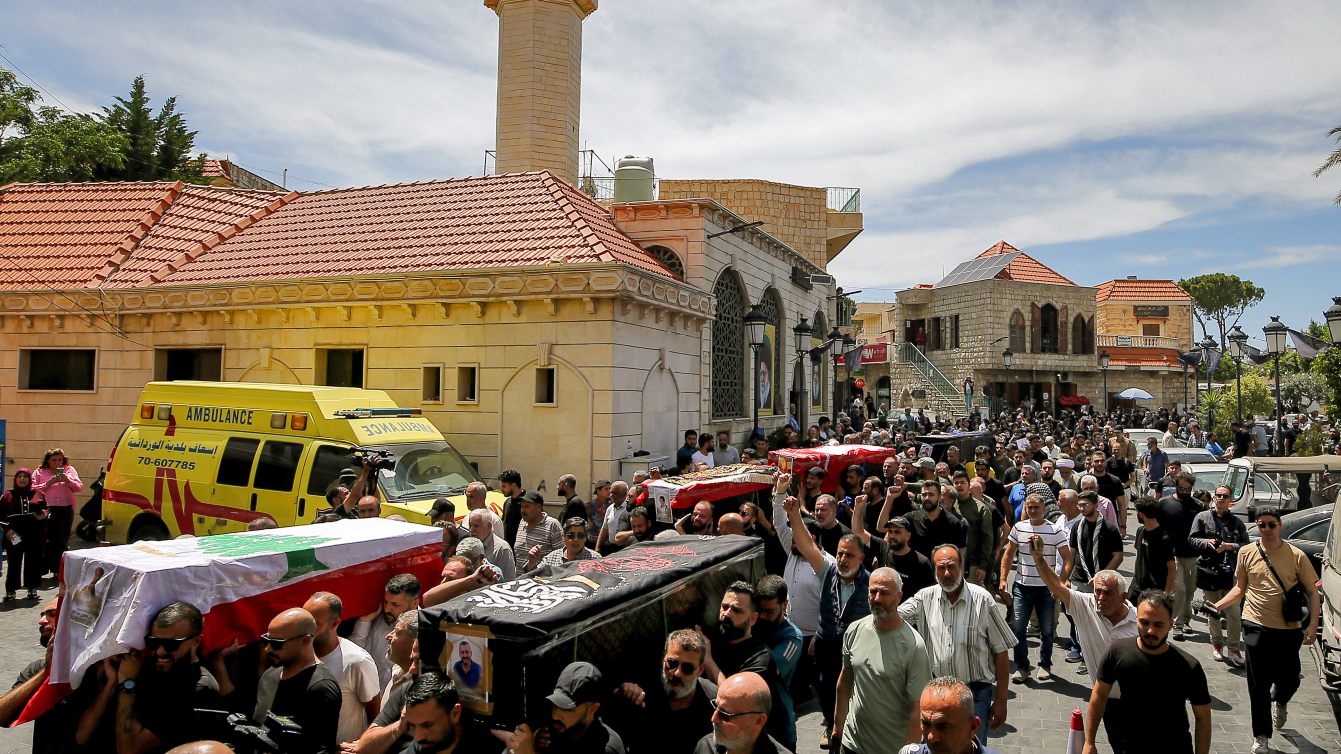
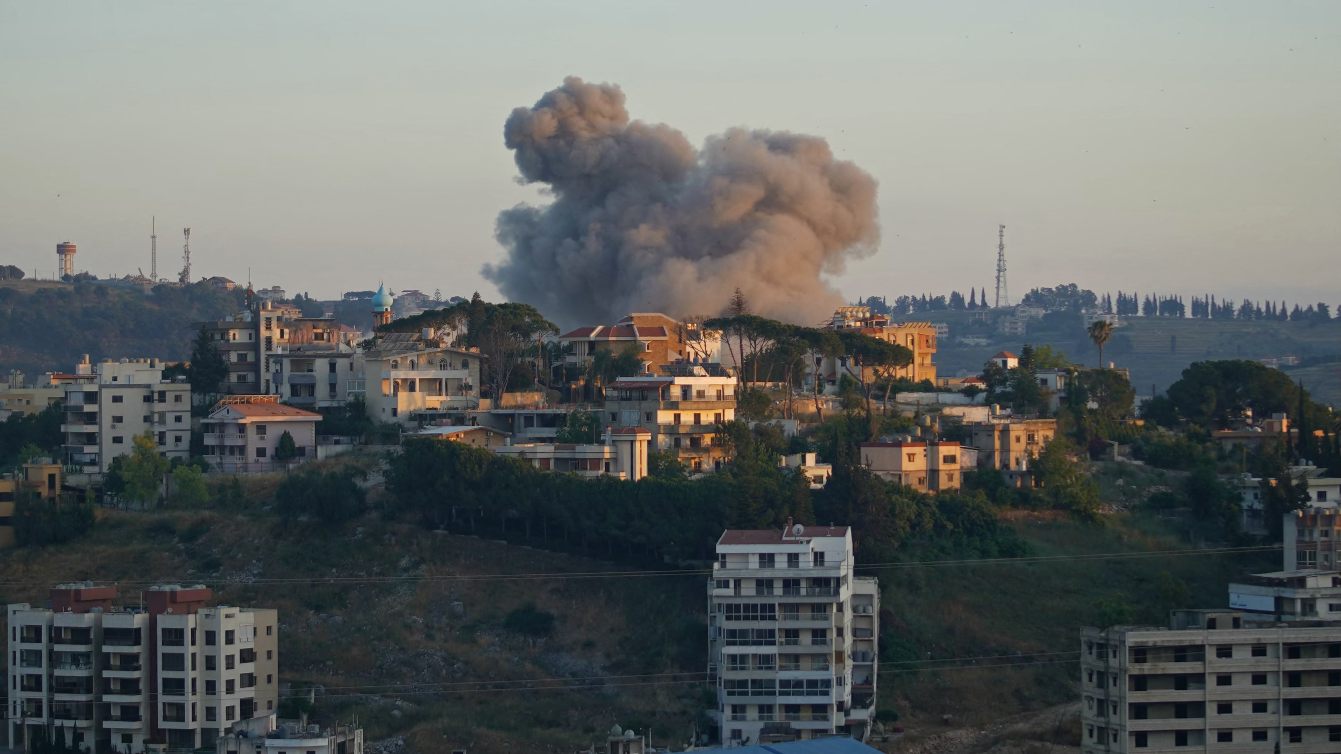
An Israeli air strike that targeted the southern Lebanese town of Kfar Reman, Nabatieh, killed at least one civilian.
Nearby attacks were also reported, including in Nabatieh al-Fawqa.
The Israeli army struck several towns in southern Lebanon after it issued expulsion orders for 20 locations, including the city of Nabatieh.
The state-run National News Agency said Israeli air strikes hit several areas covered by the order, including Nabatieh and nearby villages of Rihan and Sujud.
The Israeli army ordered residents to leave their homes "immediately and move to the north of the Zahrani River", around 45 kilometres from the southern border with Israel.
The Israeli army last month declared all areas south of the river "combat zones", and has since been striking the area.
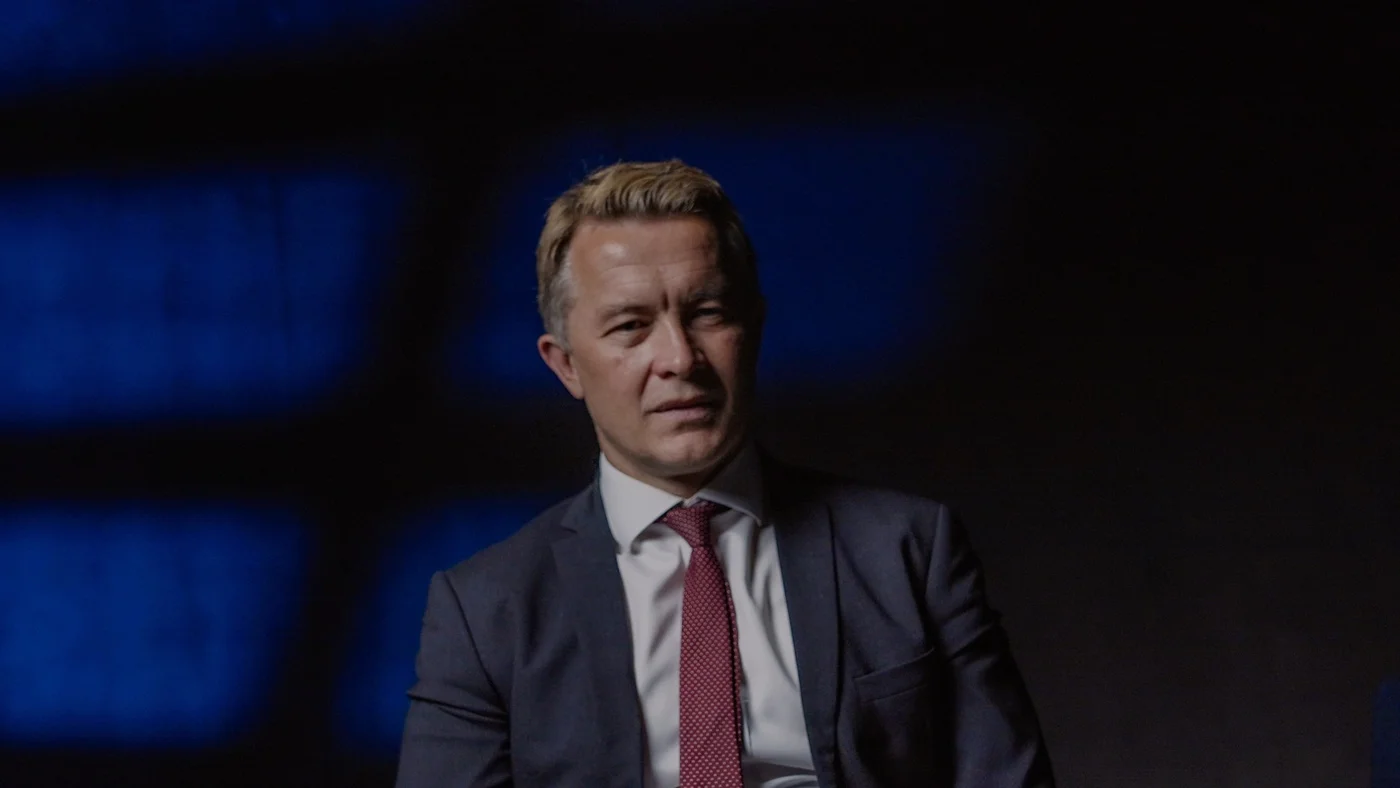
International law should be defended even when the country's closest allies are the ones breaking it, said Norway's deputy foreign minister as Oslo reiterated its condemnation of the US-Israeli war on Iran as illegal.
In an interview with Middle East Eye's Expert Witness podcast in Oslo, four months into the devastating war, Andreas Kravik said the war on Iran, launched on 28 February, had no basis in law.
"In our interpretation of the law, it is not a legal operation," Kravik said. "We think that is a violation of the UN Charter, and we have said so in no unclear terms."
Kravik, a public international lawyer and the foreign ministry's former chief of legal affairs, said a state could lawfully use force against another only with authorisation from the UN Security Council, in self-defence against an immediate threat, or with the consent of the state concerned. None applied in Iran's case.
"There is no authorisation here from the UN Security Council… and there was no consent from Iranian authorities," he said. Norway had carried out its own legal assessment, he added.
Kravik said Iran also held a right to self-defence under the Charter but had itself breached international law in its response.
Read more: Norway: International law is worth defending, even when allies break it

Lebanese President Joseph Aoun said the country faces a “fateful choice” between building a state that holds a monopoly on weapons and operates under the rule of law or remaining “hostage to the logic of militias”.
“We are at a moment that cannot tolerate sectarian luxury or regional polarisation,” Aoun said, adding that “national unity is an existential necessity that is built through openness, strengthened by justice, and rooted in fairness.”
Free Patriotic Movement leader Gebran Bassil said Hezbollah had made “mistakes” since the 2006 war with Israel but argued that such errors did not justify supporting Israel.
Israel was responsible for waging war on Lebanon and damaging its economy and social fabric, Bassil, who is the son-in-law of former President Michel Aoun and whose party represents the Maronite Christian community said, while stressing that criticism of Hezbollah should not obscure realities on the ground.
His remarks came as political divisions in Lebanon deepened following Aoun’s decision to hold direct talks with Israel, while the Israeli military issued forcible displacement warnings to residents of 20 villages and towns in southern Lebanon.
Good morning Middle East Eye readers,
The United States and Iran say a peace agreement to end more than three months of war is closer than ever, but both sides stress that no final deal has been signed.
Diplomatic momentum is building ahead of a possible signing ceremony in Geneva, while fighting and military activity continue in Lebanon despite expectations of a broader regional de-escalation.
Here are the key updates from the past few hours:
-
Iranian foreign minister Abbas Araghchi said a memorandum of understanding with the United States has “never been closer” but cautioned against speculation before final approval.
-
Pakistani Prime Minister Shehbaz Sharif said the final agreed text of the peace deal has been reached, though procedural and implementation steps remain outstanding.
-
Trump reposted Araghchi’s statement and signalled confidence in the negotiations after previously criticising reports about leaked details of the agreement.
-
Iranian officials said the memorandum currently contains 14 articles and would launch a 60-day first phase of negotiations covering unresolved issues, including the nuclear file.
-
Tehran warned that future negotiations would not proceed if commitments under the memorandum are not implemented within the agreed timeframe.
-
US media reported preparations for a possible signing ceremony in Geneva, with Vice President JD Vance reportedly expected to attend.
-
A senior US official said no frozen Iranian funds would be released until Tehran fulfils its obligations under the agreement.
-
Iran's parliament speaker warned Washington against abandoning commitments, while Tehran described the memorandum as a means of formalising gains achieved during the conflict.
-
The US military said it shot down multiple Iranian drones over the Strait of Hormuz as maritime tensions remained elevated.
-
Iranian officials said approximately $24 billion in frozen assets could be unfrozen under the broader framework, though the UAE denied reports that funds had already been released or transferred.
-
Israeli attacks continued in Lebanon, including strikes that reportedly hit an emergency response facility and wounded paramedics.
-
The United Nations reported heavy Israeli troop and air movements near the Lebanon border, raising concerns about further escalation despite diplomatic progress elsewhere.
-
Oil flows through the Strait of Hormuz have recovered to roughly half of pre-war levels, according to US officials, signalling gradual improvement in regional shipping conditions.
One person was killed in the municipality of Maarakeh in Lebanon’s Tyre district following an Israeli attack, according to Lebanon’s National News Agency.
The report also said that Israeli attacks at dawn demolished homes and government buildings in southern Lebanon’s Bint Jbeil.
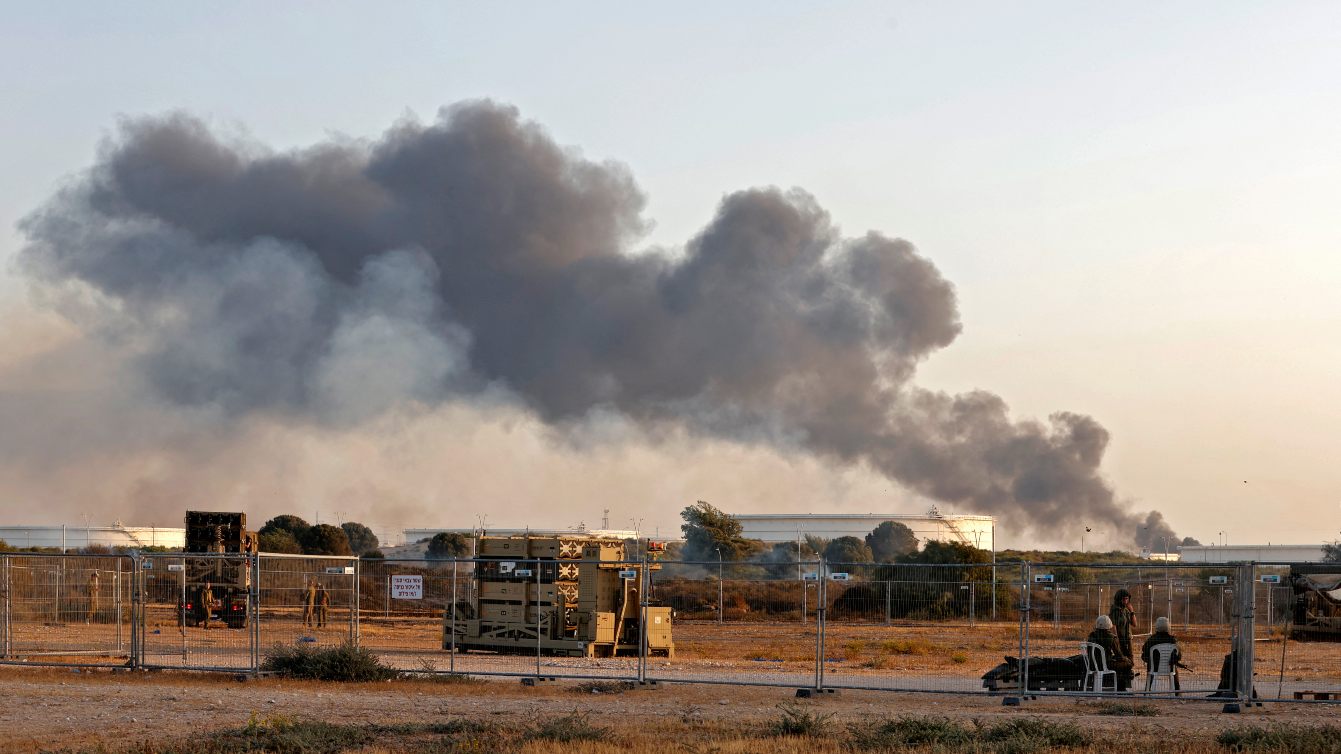
Earlier, the Israeli military said air raid sirens were activated in the northern town of Metula after the detection of what it described as a “hostile aircraft infiltration”.
Major General Ali Abdollahi said the world would soon witness “the echo of Iran’s victory and the triumph of the resistance” over what he described as an aggressive enemy, Press TV reported.
In a message to a ceremony marking the first anniversary of the death of Major General Gholamali Rashid and his son, Amin Abbas Rashid, Abdollahi said the loss had been painful but had also demonstrated Iran’s deterrent capabilities and national strength.
“The weak and predatory enemy imagined that by physically assassinating Iran’s military masterminds, it could create a breach in Iran’s defensive will,” Abdollahi said.
“But it was unaware that the martyred Rashid left behind a legacy of knowledge, experience, and strategic thinking to guide future generations.”
He added that Iran’s armed forces were continuing to confront what he called the enemy’s “complex hybrid and cognitive warfare” by following the strategic path laid out by Rashid.
Turkey and Saudi Arabia are promoting a proposed overland trade and transport corridor linking the Gulf region to Europe through Syria and Jordan, a project that would bypass Israel and compete with the India-Middle East-Europe Economic Corridor (IMEC), according to a report by the Israeli newspaper Yedioth Ahronoth.
The newspaper said the proposed route would allow goods to move between Asia and Europe via Syrian and Jordanian territory before reaching Turkey, reducing reliance on Israeli infrastructure, including the port of Haifa.
According to the report, Israeli officials view the initiative as a potential challenge to IMEC, a trade corridor backed by Israel and its international partners as a key route connecting Asia, the Middle East and Europe.
Speaking on state broadcaster IRIB, Iranian Minister of Foreign Affairs Abbas Araghchi says a memorandum of understanding with the US has not yet been signed, but that the proposed agreement would announce an end to the war on all fronts, including in Lebanon.
Araghchi said the MoU also covers the Strait of Hormuz and the lifting of the US naval blockade against Iran.
Araghchi said negotiators had changed the text of the MoU several times. He added that the nuclear file had been pushed into a second phase because Tehran rejected Washington’s demands at this stage.
He also emphasised that the agreement would also cover Lebanon, adding: “We will never leave Lebanon alone.”
Speaking on state broadcaster IRIB, Iranian Minister of Foreign Affairs Abbas Araghchi says a memorandum of understanding with the US has not yet been signed, but that the proposed agreement would announce an end to the war on all fronts, including in Lebanon pic.twitter.com/6BS1aYyeFQ
— Middle East Eye (@MiddleEastEye) June 13, 2026
Israeli officials have indicated that Israel would respond if Iran retaliates following any future Israeli strikes in Lebanon, according to a report by Yedioth Ahronoth.
The newspaper said Israeli officials believe a reported understanding between Washington and Tehran includes a cessation of hostilities across multiple fronts, including a ceasefire in Lebanon.
According to the report, Israeli sources said that if Hezbollah attacks northern Israeli communities, Israel would strike Beirut’s southern suburbs and assess Iran’s response.
“If Iran attacks us in the event that the southern suburbs are targeted, we will respond, and we will not accept the unification of fronts,” one source was quoted as saying.
UN spokesperson Stephane Dujarric said peacekeepers in southern Lebanon continue to observe extensive Israeli military activity, including “high-density armoured movements, large-scale engineering and demolition works and sustained logistical traffic” in areas near the border.
Dujarric said the UN peacekeeping mission, Unifil, also recorded intensive air activity involving fighter aircraft and drones.
Of 531 trajectories monitored on Thursday, 526 originated from Israeli positions south of the Blue Line and within Unifil's area of operations, while five were believed to have been launched by Hezbollah, with one crossing the UN-demarcated frontier, he said.
UN spokesperson Stephane Dujarric said peacekeepers in southern Lebanon continue to observe extensive Israeli military activity, including “high-density armoured movements, large-scale engineering and demolition works and sustained logistical traffic” in areas near the borde pic.twitter.com/cHnI1sLVkh
— Middle East Eye (@MiddleEastEye) June 13, 2026
Iran has significantly increased efforts in recent weeks to secure its stockpile of highly enriched uranium, according to a CNN report citing five sources familiar with US intelligence assessments.
The report said Tehran has isolated parts of the stockpile and taken additional measures to restrict access to facilities where the material is believed to be stored.
According to the report, Iran has filled in tunnels and rigged some entrances with explosive mines, making access to the uranium stockpile “much more difficult, dangerous, and time-consuming” than it was a month ago.