Gaza live: Israel continues bombing central Gaza

Live Updates

The Israeli military said that its forces had killed a "terrorist" suspected of stabbing Israeli soldiers at the Bekaa checkpoint near the Israeli-Lebanese border.
“The fighters responded by firing and neutralised the terrorist. There are no casualties to our forces,” the army posted on X.
The funeral of Palestine Red Crescent Society (PRCS) volunteer paramedic Mohammed Awad Musa was held on Sunday.
Musa was killed while treating people wounded by a settler's gunfire in the Nablus town of Sa'wiyah, according to the society.
Israel's state attorney indicted the sister of Hamas leader Ismail Haniyeh on charges of incitement and showing solidarity with a terrorist group.
Sabah al-Salem Haniyeh has been held in Israeli custody since her arrest on 1 April, after she allegedly praised Hamas's assault on southern Israel on 7 October and called for further "slaughter" in a series of text messages.
The Israeli military said on Sunday that it is "not aware" of US sanctions imposed on its Netzah Yehuda battalion.
According to Israeli media, the army unit is facing US sanctions over serious human rights violations against Palestinians in the occupied West Bank.
"If a decision is made on the matter it will be reviewed. The [Israeli military] works and will continue to work to investigate any unusual event in a practical manner and according to the law," the military said.
In response to the move, Israel's far-right National Security minister, Itamar Ben Gvir, wrote a letter to Prime Minister Benjamin Netanyahu calling for the imposition of "immediate sanctions" against the Palestinian Authority.
At least 485 Palestinians have been killed and 4,900 wounded in attacks by Israeli forces and settlers across the occupied West Bank since the war began, according to the health ministry.
The ministry said that "deliberate" Israeli restrictions on healthcare services "constitutes a flagrant violation of international humanitarian law and exacerbates the suffering of civilians".
It added that the humanitarian crisis in the occupied West Bank has been further exacerbated by Israeli restrictions on movement which limit "the population's access to basic healthcare".
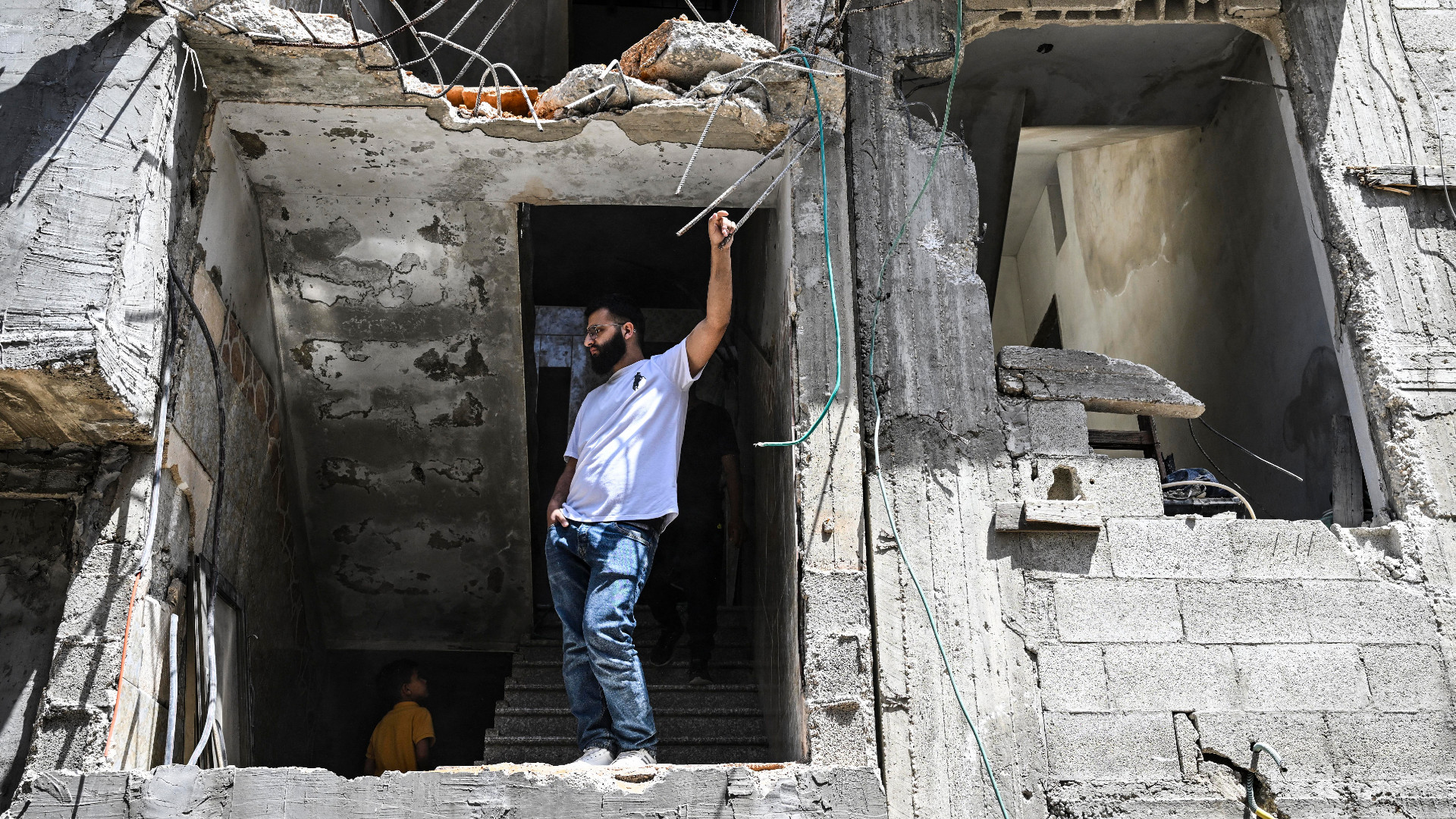
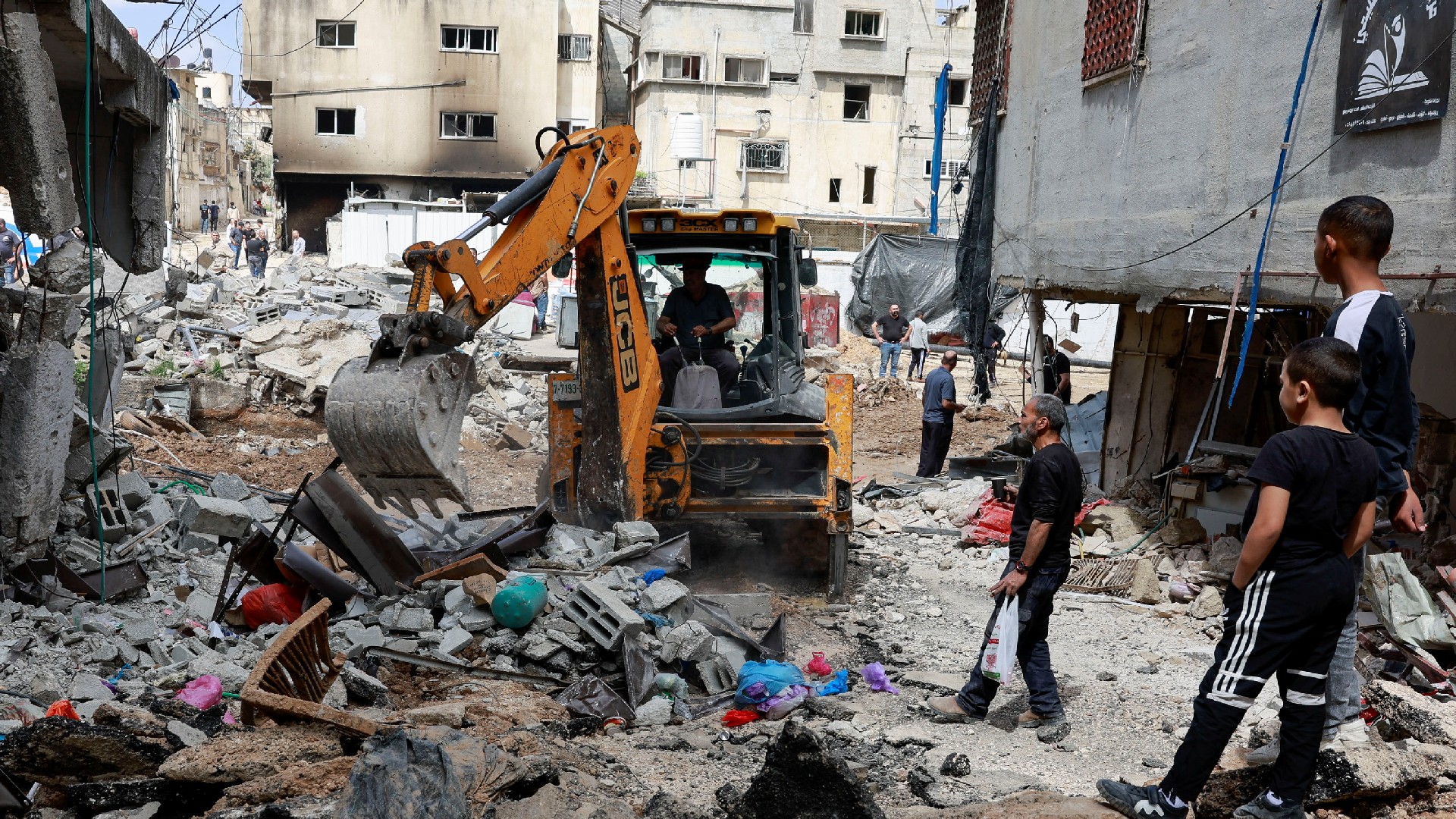
Israeli forces detained 50 Palestinians, including some who were wounded, during its three-day raid on Nur-Shams refugee camp, the Palestinian Prisoners Society (PPS) said in a statement.
The group said the majority of the detainees have now been released, many bearing the marks of torture.
Detainees were reportedly beaten, stripped naked, and tortured with shackles. According to PPS, Israeli forces also threatened to shoot them.
The Tulkarm Governorate and its two camps, Nur-Shams and Tulkarm, have been subject to several Israeli incursions since October.
According to PPS, more than 500 people were detained during these raids, including women, children and the elderly, with over 100 people detained from Nur-Shams camp alone.
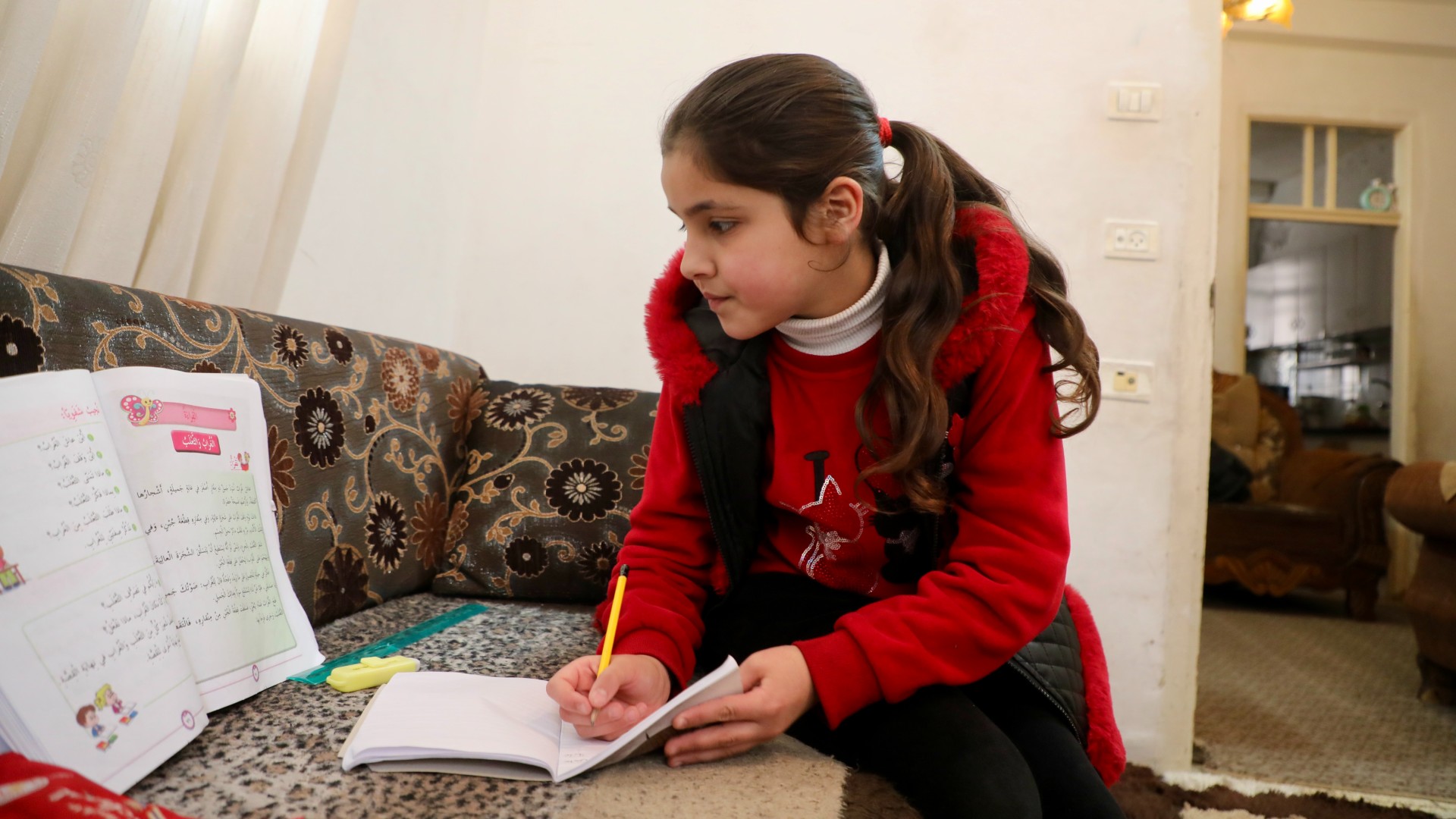
Eight-year-old Haneen Abu-Shamsiya is supposed to be sitting in her classroom in Hebron in the occupied West Bank, but for months now, she has been forced into online learning after her school closed down due to Israeli military restrictions around the city.
Since the war on Gaza broke out on 7 October, around 2,000 Palestinian students in Hebron have been studying online. The Israeli army has closed all roads leading to around 50 schools in the city, installing barriers and checkpoints that have made the route for students treacherous.
Residents have also been facing increasing attacks and harassament by Israeli settlers, making parents afraid of sending their children out on the streets.
“I wish I could go back to school like before. I miss school a lot. I want to go back to my classmates. These online classes are not clear and we don’t understand well compared to face-to-face classes,” said Haneen, who is a grade three pupil at Qurtuba school, one of the few schools providing online education in the city of Hebron.
Read more: 'I miss school': Israeli violence and closures force Hebron students into remote learning
The death toll from Israeli air strikes targeting two Palestinian homes in densely populated Rafah, in the south of Gaza, has risen to 19, including 14 children.
According to local sources, the first raid targeted a house belonging to the Joudeh family in Ashdod camp in the centre of Rafah, killing four people, including a husband, his wife and their daughter.
Reportedly, one of the victims was pregnant. Medical teams performed a cesarean on the dead woman and were able to save the baby's life.
In the second strike, which targeted the Abdel-Al family home in east Rafah, 15 people were killed, including 13 children and two women. Many are still missing, and rescue teams are trying to recover those trapped beneath the rubble.
British aid group Medical Aid for Palestinians has reported that its teams were able to deliver food aid to internally displaced people (IDP) in northern Gaza for the first time since the war began.
"For the first time since October, and with thanks to your support, our #Gaza team has been able to deliver food parcels to people driven from their homes by the Israeli military in the north," the organisation posted on X, formerly Twitter.
"Starting from today, we are going to distribute in more than 14 IDP centres in the north of Gaza," Mahmoud Shalabi, from the charity's Gaza team, said.
The group would be distributing their usual parcels of hygiene kits, dignity kits, and clothes and children's toys, in addition to food, a first for the organisation.
He said that the parcels should be enough to sustain a medium-sized family for a week.
Palestinian civil defence members have unearthed 180 bodies so far in a mass grave in the Nasser hospital courtyard. The bodies include those of elderly women, children and young men. Some were found encased in plastic bags labelled in Hebrew.
According to the rescue teams, some bodies have their hands bound behind their backs, suggesting they were executed and buried on the spot.
According to an Al Jazeera correspondent, families have started to arrive at the site searching for the bodies of their loved ones.
Conservative peer and British Secretary of State for the Commenwealth Tariq Ahmad has said he is "appalled" by the Israeli strike on a residential apartment in Rafah, in southern Gaza.
"We must stop this fighting immediately and bring an end to this conflict," he said in a post on X.
Thirteen children and two women, all from the same family, were killed in two overnight air strikes on southern Rafah, according to Gaza hospital records.
Israeli air strikes have targeted the southern Lebanon towns of Naqoura, Majdel Zoun and Ayta ash-Shab.
Local media circulated photos of smoke rising from Naqoura and Ayta ash-Shab.
No casualties have been reported.
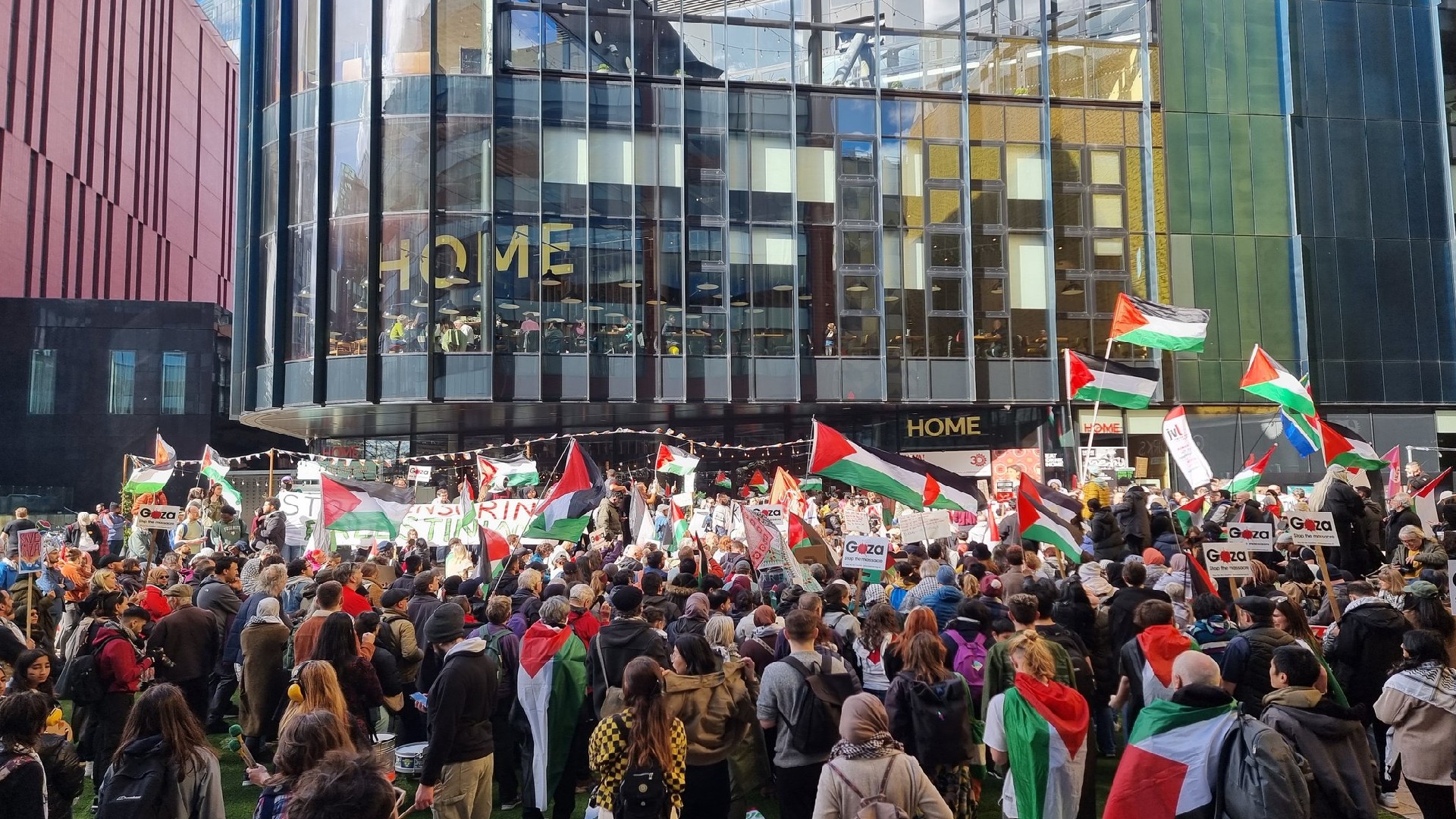
Palestinians took to the streets to condemn Israel's deadly three-day raid on Nur Shams refugee camp in the occupied West Bank, during which at least 14 people were killed by Israeli forces.
Even before 7 October, Taghrid Choucair-Vizoso, a Lebanese cultural worker residing in the UK, had been used to awkward questioning from arts venues when she pitched work about Palestine.
“I’ve had very reductive questions from some venues when pitching Palestinian artists’ work, which hasn't happened when I've pitched other artists,” she said.
“Before even giving me a chance to talk about the work, I’ve had questions about whether there was any balance by including an Israeli point of view, or if we foresaw any protests happening.”
Choucair-Vizoso once had a project pulled for featuring the word "Palestine" in its title.
Before October, these conversations tended to happen behind closed doors. However, since Israel’s war on Gaza began, a slew of venues, including the Arnolfini arts centre, the Barbican, and Chickenshed theatre have publicly pulled events featuring Palestinian or pro-Palestinian artists.
In each case the venues issued statements citing security concerns or the "complexity" of the situation in Gaza.
For Choucair-Vizoso, the speed and the scale of the censorship has intensified since October.
“I haven’t seen this happening before at this scale,” she told Middle East Eye. “It’s never been this public, and now during a genocide.
"It's very hard, because my village in the south of Lebanon has been destroyed and I have to deal with this," she said.
“I think there are so many [events] we don't know about. Imagine all the work that didn't even get to the programming stage.”
Read more: How pro-Palestine artists are being cancelled by UK cultural institutions