Israel-Palestine live: Netanyahu rejects Hamas ceasefire proposal, vows ‘total victory’

Live Updates
The Palestinian Ministry of Foreign Affairs has called for an international investigation to look at possible war crimes that might have been committed amid accusations that Israeli forces are executing prisoners in Gaza.
“According to testimonies of Palestinian citizens, more than 30 decomposing bodies of Palestinian martyrs were discovered buried in the northern Gaza Strip,” the ministry said in a statement. “They were killed while blindfolded and with their hands tied, as clear evidence that they were executed… in the most horrific forms.
“The ministry believes that the discovery of this mass grave in this brutal form reflects the scale of the tragedy to which Palestinian civilians are exposed, the mass massacres and executions of even detainees, in flagrant and gross violation of all relevant international norms and laws.”
Palestinian refugees in the occupied West Bank have reacted to the US-led decision to cut funding to the United Nations Relief and Works Agency for Palestine Refugees (Unrwa) with concern and anxiety.
A number of countries, including the US, UK, Canada, Australia, Germany, Italy, the Netherlands, Switzerland and Finland, cut off funding for the UN agency after Israel made as yet unproven allegations that 12 of its 30,000 workers had participated in the 7 October attack on Israel.
While Unwra is the leading body providing aid to Gaza after the devastating Israeli military campaign after 7 October, its operations also help Palestinian refugees in the occupied West Bank and in camps outside of Palestine.
The cuts will therefore be keenly felt among Palestinians across the region.
“The decision to cut support for Unwra will lead to a reduction in what is already reduced,” said Muhammad al-Sabbagh, head of the Popular Committee for Refugee Services in Jenin.
Read more: Palestinians in West Bank fear Unrwa aid cuts will add to their misery
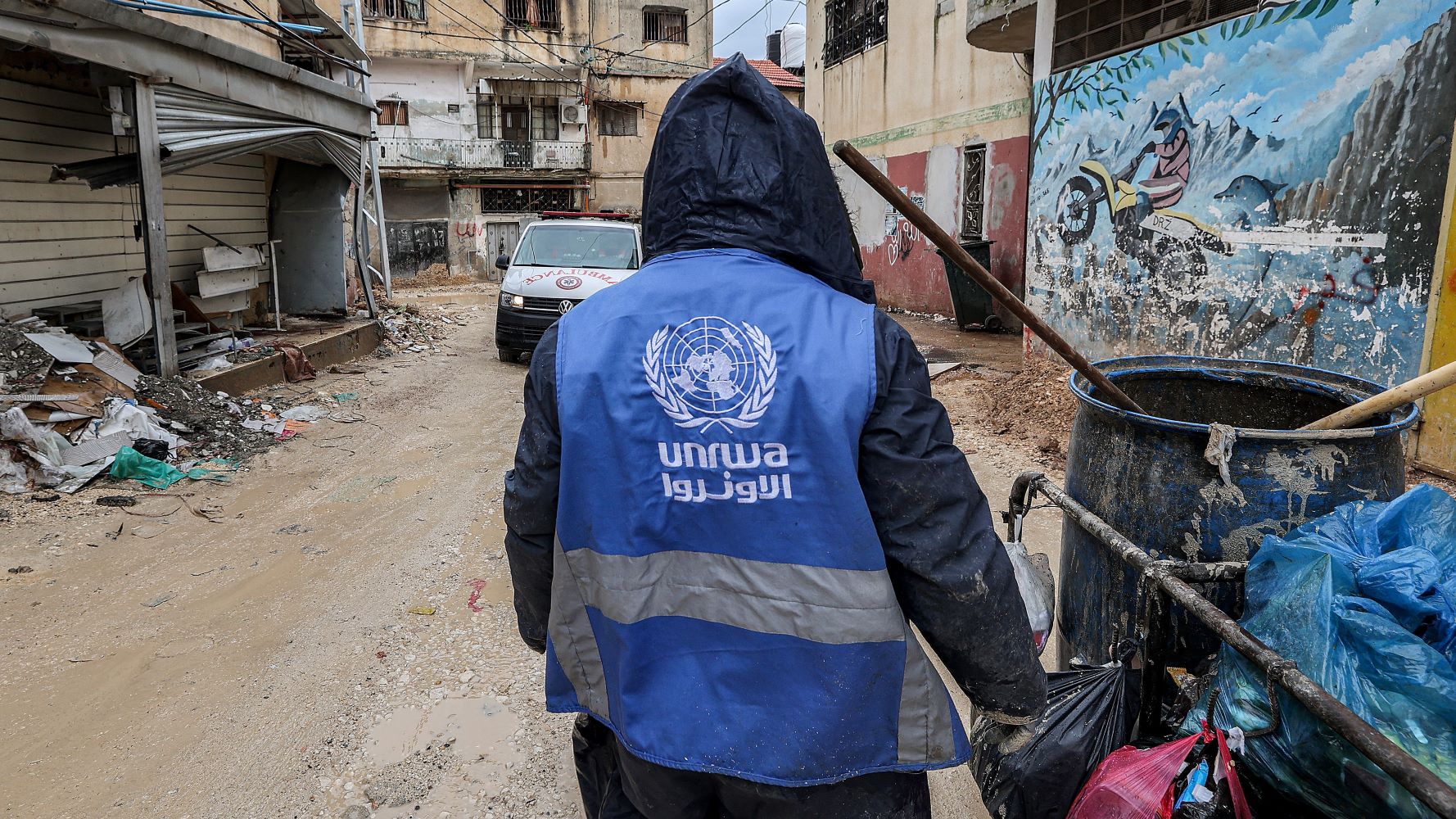
Fifteen leaders of the United Nations' agencies and non-governmental humanitarian aid organisations have appealed to the countries that paused funding for Unrwa to reconsider their decisions.
“Decisions by various Member States to pause funds from Unrwa will have catastrophic consequences for the people of Gaza,” the statement said.
“No other entity has the capacity to deliver the scale and breadth of assistance that 2.2 million people in Gaza urgently need,” it added.
Wesam Amer, dean of the Faculty of Communication and Languages at the Islamic University of Gaza, was evacuated from the strip in November.
He tries to keep track of his colleagues left in Gaza, but frequent blackouts make that difficult.
“Many of my colleagues are still there... or displaced to Rafah in the south,” Amer, a Fulbright scholar and visiting researcher at Harvard, told MEE. “Some have preferred to stay in the rubble of their homes.”
His university shut down after it was bombed on 11 October, and a number of his colleagues, including the university’s president, Professor Sufian Tayeh, and former president, Dr Said al-Zubda, have been killed in Israeli air strikes.
Rights groups have condemned Israel’s targeting of Gaza’s academic community and infrastructure as deliberate and tantamount to a war crime.
Read more: Killing of Gaza’s academics amounts to ‘educide,’ say campaigners
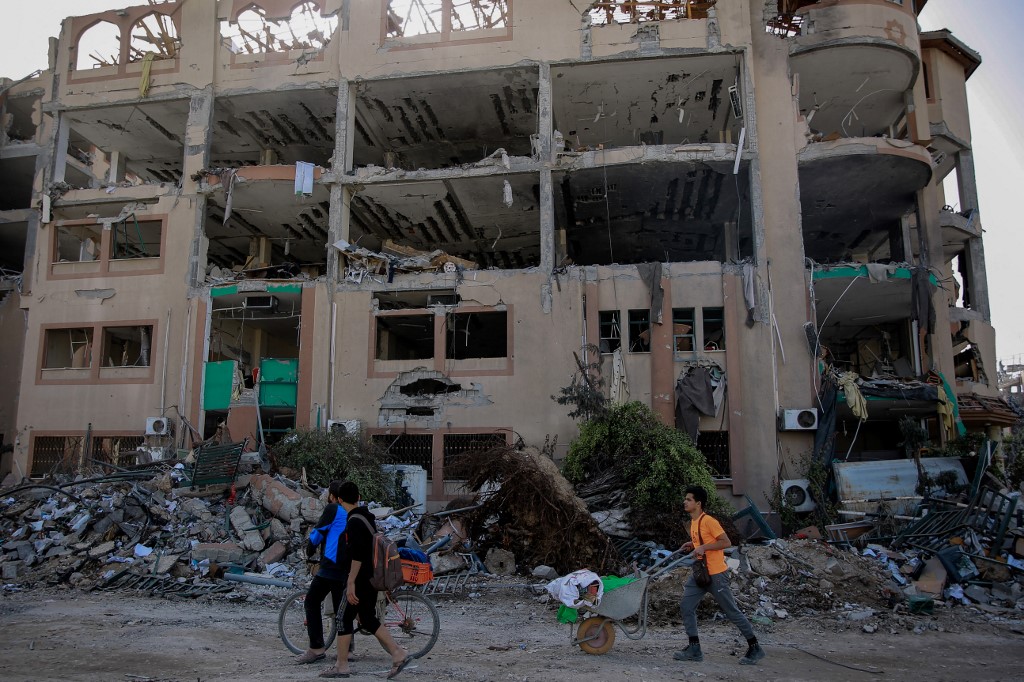
At least 26,900 Palestinians have been killed and 65,949 wounded in Israeli strikes on Gaza since 7 October the health ministry in Gaza said in a statement.
It added that 150 Palestinians had been killed and 313 wounded by Israeli strikes in the previous 24 hours.
Norway, a top donor to the UN agency for Palestinian refugees (UNRWA), is urging countries that have cut funding to the agency to consider the consequences of their actions on the population in Gaza, its foreign minister told Reuters on Wednesday.
The Nordic country on Sunday said it would maintain its funding to UNRWA following unproven Israeli allegations that some agency staff took part in the 7 October attack by Hamas.
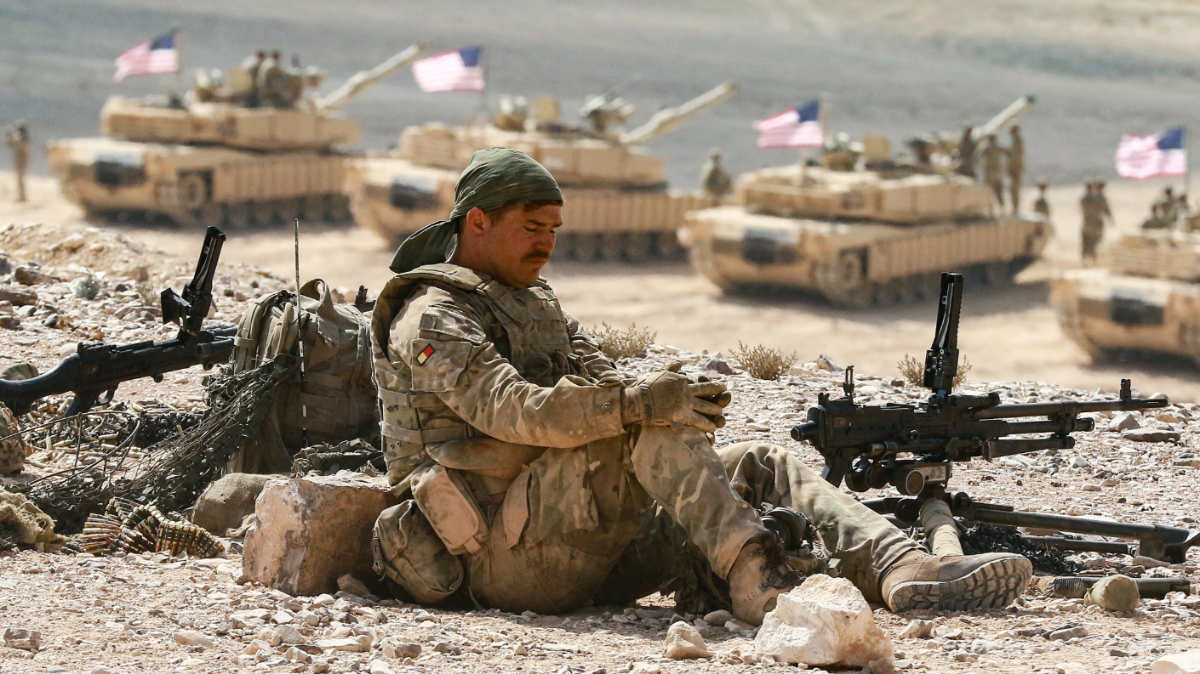
A deadly drone attack by an Iranian-backed militia on a US outpost in Jordan is raising questions in Washington about how far Iran and its allies will go in their bid to expel US troops from the region, as they force the Biden administration’s hand to conduct a powerful retaliatory strike that threatens to widen the Gaza war.
The attack that killed three US soldiers and wounded more than 40 more came just as some officials in Washington assessed that leadership in Tehran and Iran's Quds Force were looking to reduce attacks on US assets, according to current and former US officials who spoke with Middle East Eye on condition of anonymity. The Quds Force is a branch of the Islamic Revolutionary Guard Corps that operates as a special operations unit.
Over the weekend, Iran and its Iraqi allies inched closer to a long-term goal of expelling US troops from Iraq, when the Biden administration held its first talks with Baghdad on a planned withdrawal of the US-led mission to counter the Islamic State militant (IS) group in the country.
Just as those discussions were underway, CIA director Bill Burns was sitting down in Paris to hammer out the details of a proposal for a months-long pause in Gaza fighting with Arab and Israeli counterparts.
Read more: US officials see Iran escalating proxy war into uncharted terrain with Jordan strike
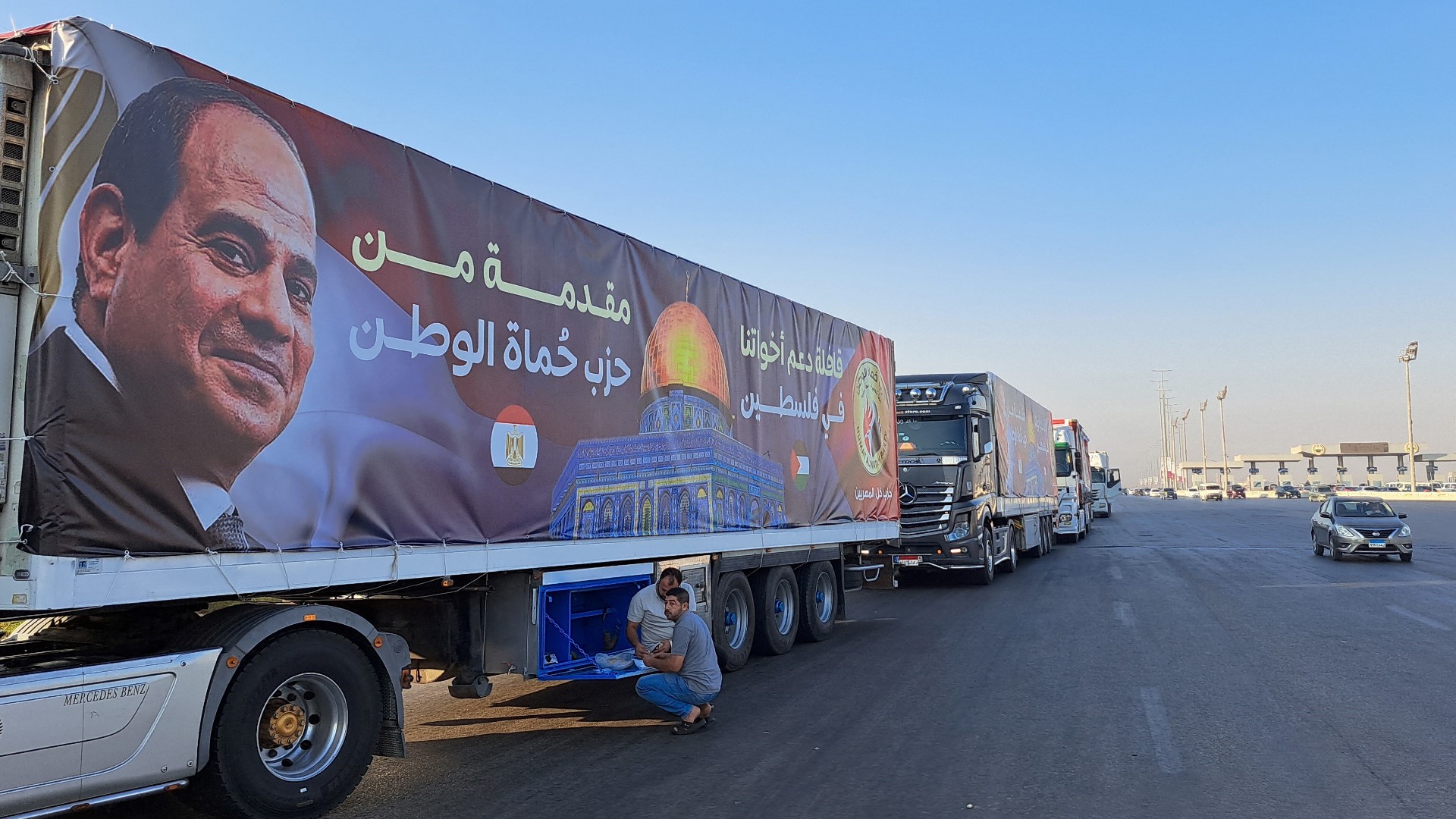
An international charity with extensive experience in providing emergency aid in wars, famines and earthquakes throughout the Middle East and in Afghanistan is being forced to pay $5,000 a truck to a company linked to Egypt’s General Intelligence Service (GIS) to get aid into Gaza.
The charity, which does not want to be named to avoid obstruction to its relief efforts in Gaza, spoke to Middle East Eye in outrage at having to pay what it openly describes as a bribe to a state-linked agent.
A spokesman for the charity said: “We have worked around the world in times of war, earthquakes and other disasters, but we have never been treated like this by a state who is profiteering from the dispatch of humanitarian goods. It’s draining a lot of our resources and the bribe being paid is per truck.”
Read more: Charity says Egypt intelligence-linked firm charging $5,000 to get aid over border
Ibn Sina Hospital spokesperson Tawfiq al-Shobaki said the Israeli squad that assassinated three Palestinians in cold blood while they were sleeping on Tuesday was unprecedented.
“What happened is a precedent. There was never an assassination inside a hospital. There were arrests and assaults, but not an assassination,” Shobaki said.
Tuesday’s raid took place in the occupied West Bank town of Jenin, long a bastion of armed struggle against the Israel occupation and a frequent target of Israeli raids, even before the war began.
There was no exchange of fire after disguised Israeli troops entered the hospital and killed three Palestinian receiving treatment there. Israel alleged that that three were fighters.
Al-Jazeera Arabic also showed dramatic footage on Wednesday of the Israeli assassination squad killing in the moments before they killed the three Palestinians.
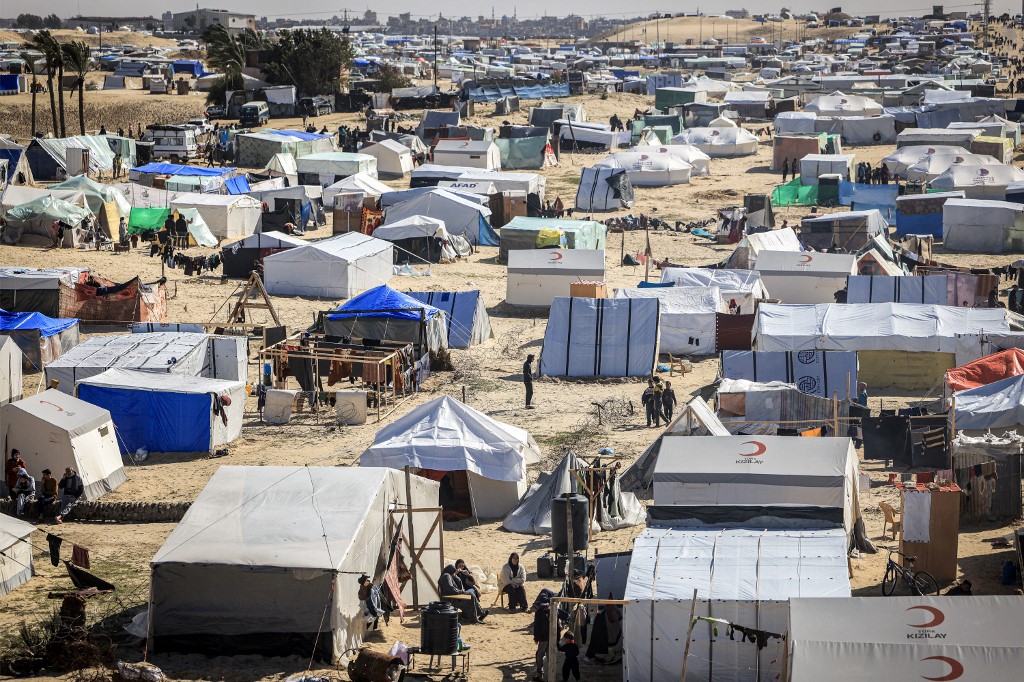

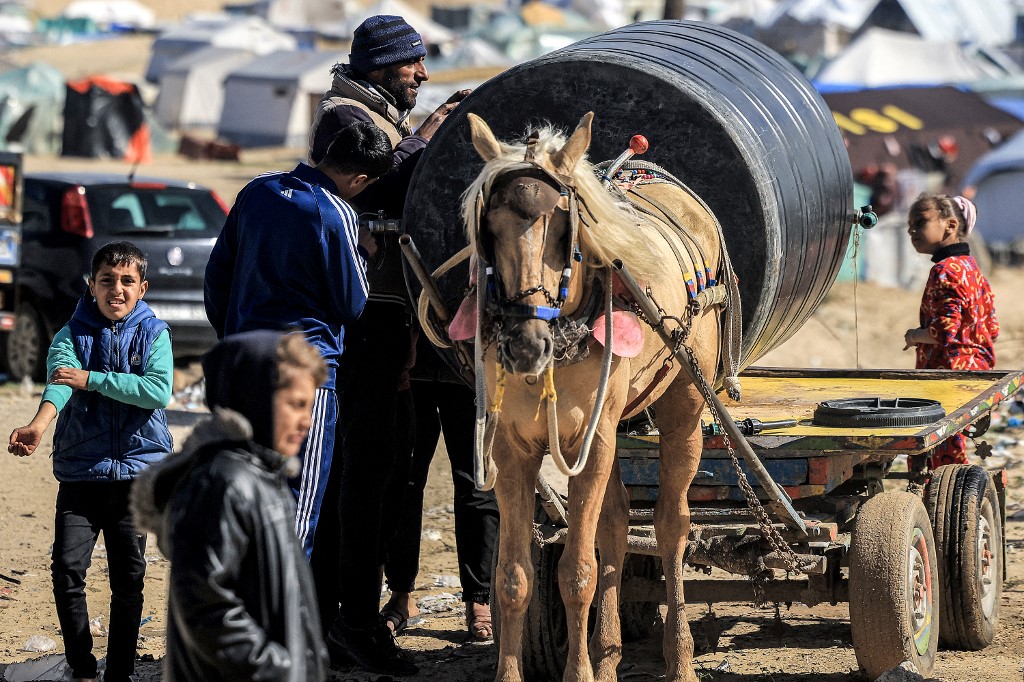
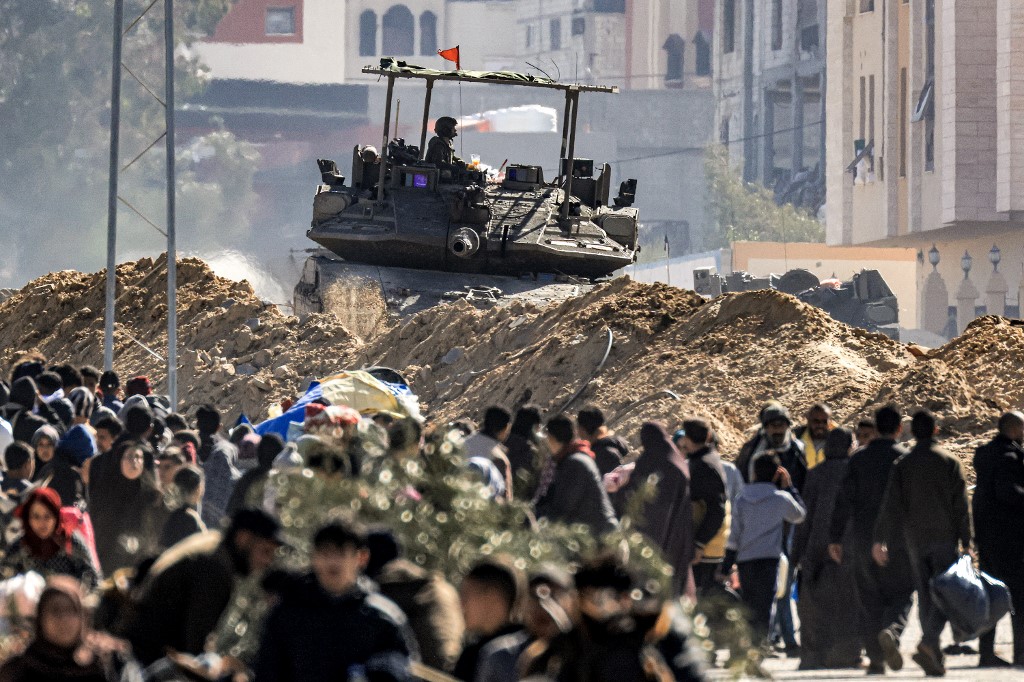
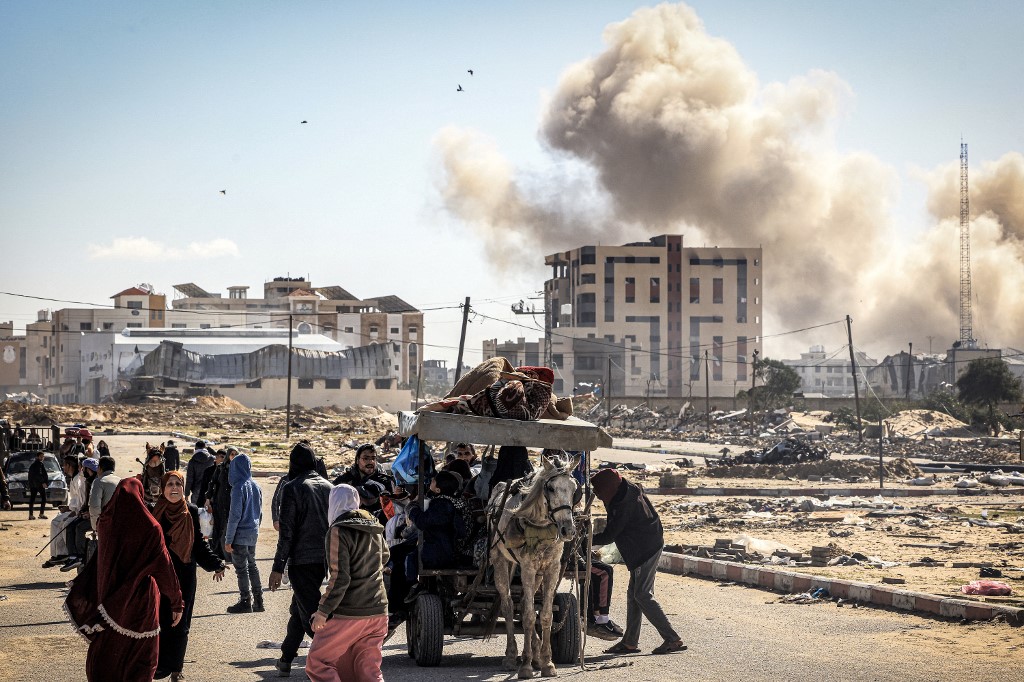
The Israel army said on Tuesday that it had been flooding some tunnels in the Gaza Strip with seawater, confirming what had been an open secret for several weeks.
Researchers specialising in water, diplomacy and conflict have told Middle East Eye that the flooding would have damaging ecological effects, including the pollution of Gaza's already devastated water supply and damage to its crops.
The impacts could amount to a breach of international humanitarian law, according to one of the experts.
“While the overall scope and magnitude of the impact is unclear, we can reasonably expect that at least some seawater will be seeping into the soil from the tunnels, particularly in areas where tunnels have previously been damaged,” Juliane Schillinger, a researcher at the University of Twente in the Netherlands, told MEE in early December when the plans were first revealed.
Schillinger, who specialises in the interaction between conflict and water management, said the seepage would lead to localised pollution of soil and groundwater with seawater.
“It is important to keep in mind that we are not just talking about water with a high salt content here - seawater along the Mediterranean coast is also polluted with untreated wastewater, which is continuously discharged into the Mediterranean from Gaza’s dysfunctional sewage system,” she said.
Israeli police have announced on Wednesday that that an officer previously thought to be amongst the dozens of Israelis being held captive in Gaza was killed on the z October.
Sergeant First Class Ran Guili, 24, served in the Yassam Special Patrol Unit in the Negev and Israeli authorities now believe his body is being held in Gaza.
According to the announcement, a special committee – comprised of representatives from the Health Ministry, the intelligence services, the police, as well as the Religious Affairs Ministry and the Chief Rabbi's Office – determined that Guili was dead, based on the forensic evidence it was presented.
The UN Security Council is set to to meet and discuss the International Court of Justice interim ruling on Israel’s war in Gaza on Wednesday at 11am New York time (16:00 GMT).
The meeting comes as Israel confirmed it is “channelling large volumes of water” into tunnels in Gaza.
“Recent reports of Israeli plans to flood tunnels in Gaza with seawater is of extreme concern,” South Africa cited as part of its evidence alleging Israel is causing the “mass expulsion” of Palestinians from Gaza.
South Africa said the plan could cause “long-lasting contamination of Gaza’s aquifer and soil” and “further degradation and collapse of Gaza’s water and sewage infrastructure”.
Iran's envoy to the United Nations Amir Saeid Iravani warned that Tehran would swiftly respond to any attack on its territory, its interests or nationals outside its borders, state media reported on Wednesday.
The comment from Amir Saeid Iravani comes a day after United States President Joe Biden announced he has decided how to respond to a drone attack by Iran-aligned Iraqi groups that killed U.S. service members in Jordan, without elaborating.
Hamas is studying a proposal drafted in Paris that will offer Palestinians in Gaza six weeks of respite from fighting in exchange for the release of Israelis held captive as well as the release of Palestinian prisoners in Israel.
The head of Hamas's political bureau, Ismail Haniyeh, said in a statement on Tuesday that the group was in the "process of studying it and submitting its response on the basis that the priority is to stop the aggression."
Haniyeh, who is based in Qatar, said Hamas was open to any "serious" initiatives provided they led to a "comprehensive cessation" of hostilities and the complete withdrawal of Israeli forces from Gaza.
His comments came after officials from Qatar, Egypt and the US met Israeli intelligence chiefs in Paris this weekend to discuss the release of some 136 Israelis held captive in Gaza.
The New York Times reported on Sunday that Hamas would release elderly captives, along with women and children in exchange for Palestinian prisoners during an initial period of six weeks.