Live: Israeli soldiers kill unarmed Palestinians as they surrender in Jenin

Live Updates
Delegations from Hamas and the Fatah party are meeting in Egypt to discuss post-war arrangements for the Gaza Strip, Egyptian state media Al-Qahera News reported on Thursday, citing unnamed sources.
The delegations are reported to be meeting "to discuss the national scene in general and arrangements after ending the war in Gaza".
US Secretary of State Marco Rubio is currently meeting with Israeli Prime Minister Benjamin Netanyahu this week to uphold the ceasefire deal.
He is the latest senior Trump administration official to meet with him. US Vice President JD Vance and Middle East envoy Steve Witkoff travelled to Israel earlier in the week and met with him.
Fewer than a hundred aid trucks operated by the United Nations and its partners have entered Gaza per day since a ceasefire commenced on 10 October, data analysed by AFP shows.
Israel authorised an average of 1,011 tonnes of aid - or 94 trucks - to enter Gaza from 10 October to 21 October, according to preliminary data from the UN.
While this is an increase from the 700 tonnes (or 62 trucks) supplied daily by the UN and partner NGOs between 19 May and 9 October, it falls short of the 600 trucks daily agreed in the ceasefire agreement.
The data analysed by AFP is compiled by the UN's "2720 Mechanism for Gaza", which has monitored and tracked humanitarian aid entering Gaza since 19 May, the day after the end of Israel's two-month blockade of Gaza, which prevented humanitarian aid from entering.
The busiest day for humanitarian aid coming in through the UN2720 Mechanism was 16 October, with 206 trucks entering Gaza, the day after UN humanitarian chief Tom Fletcher said that aid entering in the previous few days was "a fraction of what's needed", with just "tens of trucks on a good day rather than the hundreds of trucks required".
The International Court of Justice said on Wednesday that Israel was obliged to ease the passage of aid into famine-wracked Gaza, stressing it had to provide Palestinians with the "basic needs" to survive.
The World Health Organisation said that there had been no observable reduction in hunger since a ceasefire took hold, as there was little improvement in the amount of aid going into Gaza, AFP reported on Thursday.
"The situation still remains catastrophic because what's entering is not enough," WHO chief Tedros Adhanom Ghebreyesus told reporters, speaking at the United Nations health agency's Geneva headquarters.
He said there had been "no dent in hunger, because there is not enough food" since the ceasefire commenced on 10 October. srael has not been allowing the stipulated amount of aid of 600 trucks per day agreed during the ceasefire to enter.
Israel also did not allow enough humanitarian aid in during its war on the enclave, leading to famine across Gaza. Therefore, significant amounts of food are needed to address the situation.
"Although the flow of aid has increased, it's still only a fraction of what's needed," Ghebreyesus added.
He also lamented Israel's assault on Gaza's healthcare system. "There are no fully functioning hospitals in Gaza, and only 14 out of 36 are functioning at all," Ghebreyesus said. "There are critical shortages of essential medicines, equipment and health workers".
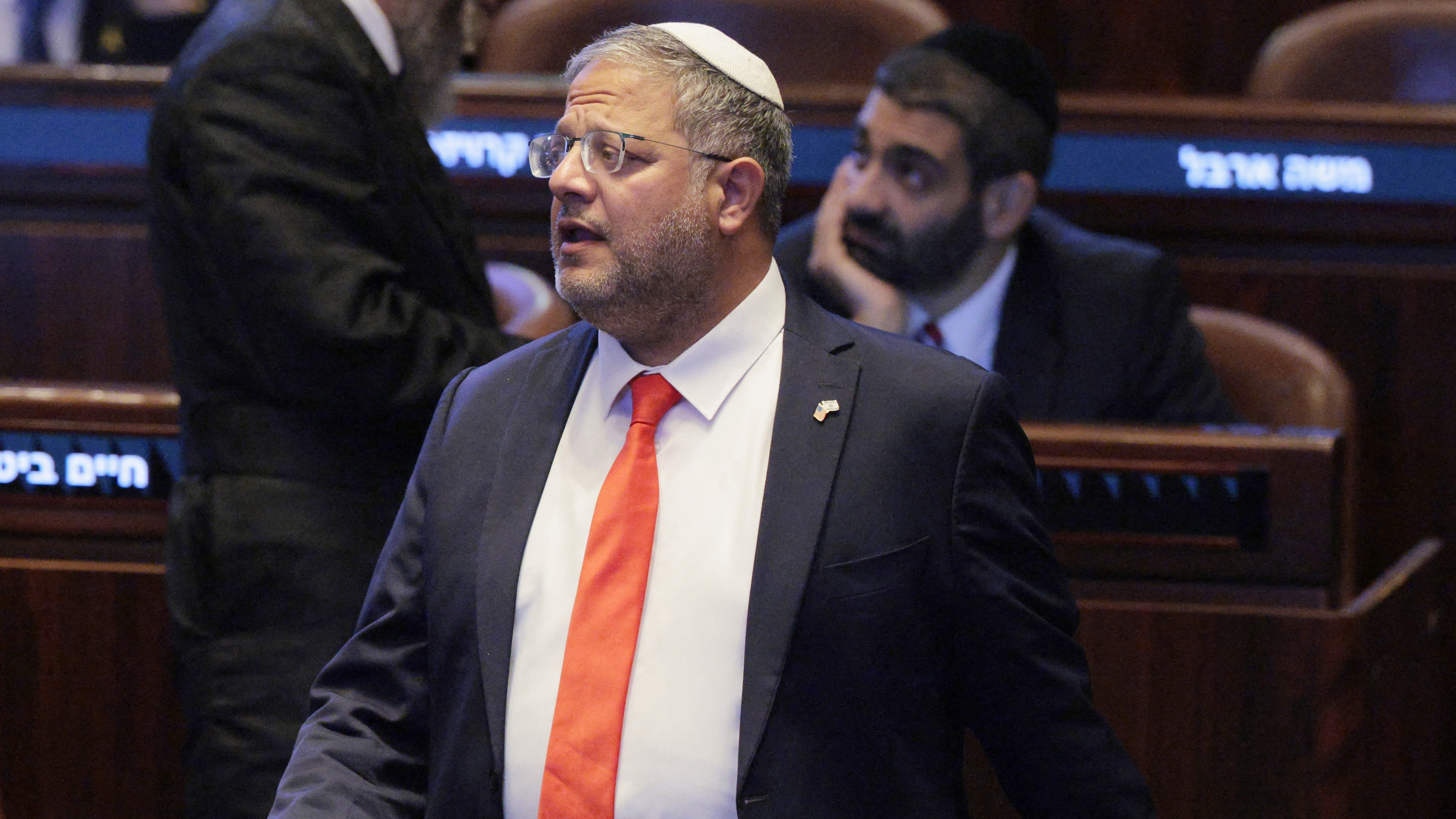
Israeli Minister Itamar Ben Gvir was filmed at an Israeli prison where he called for the execution of Palestinian detainees.
In a viral clip, the far-right national security minister was seen standing in front of a cell, declaring that Palestinian detainees "deserve a death penalty law."
The video then pans to several Palestinians inside the cell, shackled and kneeling in a stress position with their backs to the camera.
His remarks come as parliament prepares to debate a series of controversial bills, including one that would impose the death penalty on those convicted of terrorism.
Ben Gvir, who oversees prison affairs, has long called for the death penalty for Palestinians and harsher prison conditions.
Read more: Ben Gvir calls for death penalty as he faces bound Palestinian prisoners
41 NGOs have raised the alarm over continued rejections of shipments of life-saving aid into Gaza by the Israeli authorities since the ceasefire was implemented on 10 October.
Organisations operating on the ground in Gaza, including Medecins Sans Frontieres (MSF) and Oxfam, said in a statement that between 10 and 21 October, 17 INGOs had urgent shipments of aid, including water, food tents and medical supplies, denied entry into the enclave.
In almost all the cases, Israeli authorities cited the fact that the organisations were "not authorised" to deliver aid.
Israel's new restrictive registration process has precluded many organisations from operating in Gaza.
But the organisations said that Israeli authorities have refused access to agencies that continue to have long-standing INGO registration with Palestinian and Israeli authorities and are legally permitted to operate by the latter while new registration processes are ongoing.
"Supplies are packaged, staff are equipped and ready to respond at scale. What we need now is access," the statement reads.
"Israeli authorities must uphold their obligations under international humanitarian law and the terms of the ceasefire agreement."
It said that aid rejected by the Israeli authorities includes tents and tarpaulins, blankets, mattresses, food and nutrition supplies, hygiene kits, sanitation materials, assistive devices and children’s clothing.
The World Health Organization (WHO) has said it has noted little improvement in the amount of aid entering Gaza since the ceasefire took effect and that there is no reduction in hunger across the Strip.
WHO chief Tedros Adhanom Ghebreyesus emphasised that the situation remains "catastrophic", adding that "there is no dent in hunger because there is not enough food".
The World Health Organization (WHO) has said that it estimated that at least $7bn is required to rebuild Gaza's decimated healthcare system.
In a statement, WHO chief Tedros Adhanom Ghebreyesus emphasised that "there are no full-functioning hospitals in Gaza", with only 14 out of 36 functioning at all.
He added that Gaza is suffering from "critical shortages of essential medicines, equipment and health workers".
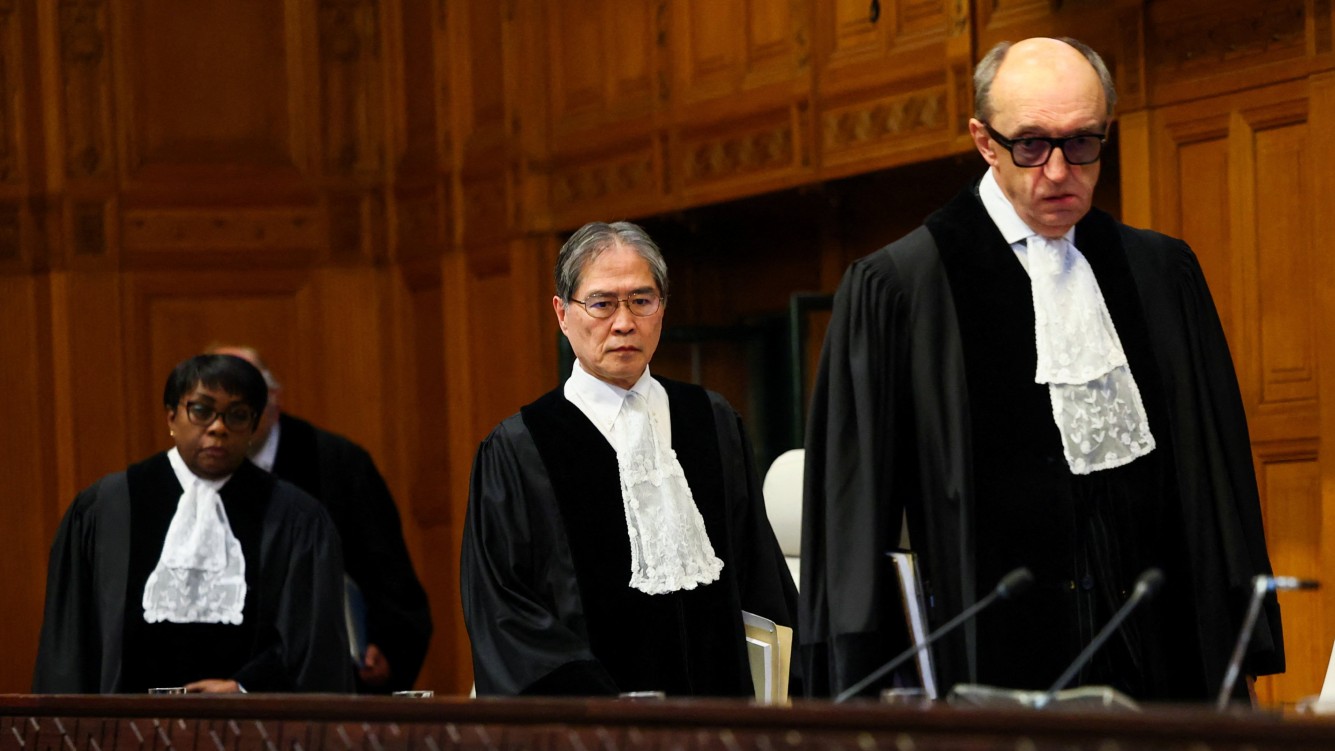
The International Court of Justice (ICJ) in The Hague has granted Israel another extension to submit its evidence in response to South Africa's argument that it has committed genocide in Gaza.
In an order dated 20 October and published on Thursday, the ICJ said it has accepted Israel's request to further extend its deadline by two months to 12 March 2026, after an earlier extension to 12 January.
The ICJ's original deadlines for the two states to deliver their written arguments were 28 October 2024 for South Africa and 28 July 2025 for Israel to file its counter-arguments, known as “counter-memorials”.
South Africa complied with its deadline, but Israel in April requested an extension of six months, which South Africa opposed.
The ICJ compromised, granting a five-and-a-half month extension to 12 January 2026.
Read more: 'Disappointing': ICJ grants Israel another extension in South Africa genocide case
US President Donald Trump has reiterated comments made by Vice President JD Vance that the US will oppose Israeli annexation of the occupied West Bank.
“It won’t happen. It won’t happen. It won’t happen because I gave my word to the Arab countries. And you can’t do that now,” Trump said in an interview with Time Magazine.
“We’ve had great Arab support. It won’t happen because I gave my word to the Arab countries. It will not happen. Israel would lose all of its support from the United States if that happened.”
Earlier on Thursday, Vance slammed a Knesset vote on annexation, saying it was an "insult" and dismissing it as a "political stunt with no practical significance".
On Wednesday, a bill to impose Israeli sovereignty on the West Bank - a move tantamount to annexation of Palestinian territory - received parliamentary approval.
US Secretary of State Marco Rubio also warned against annexation, saying it was “potentially threatening for the peace deal".
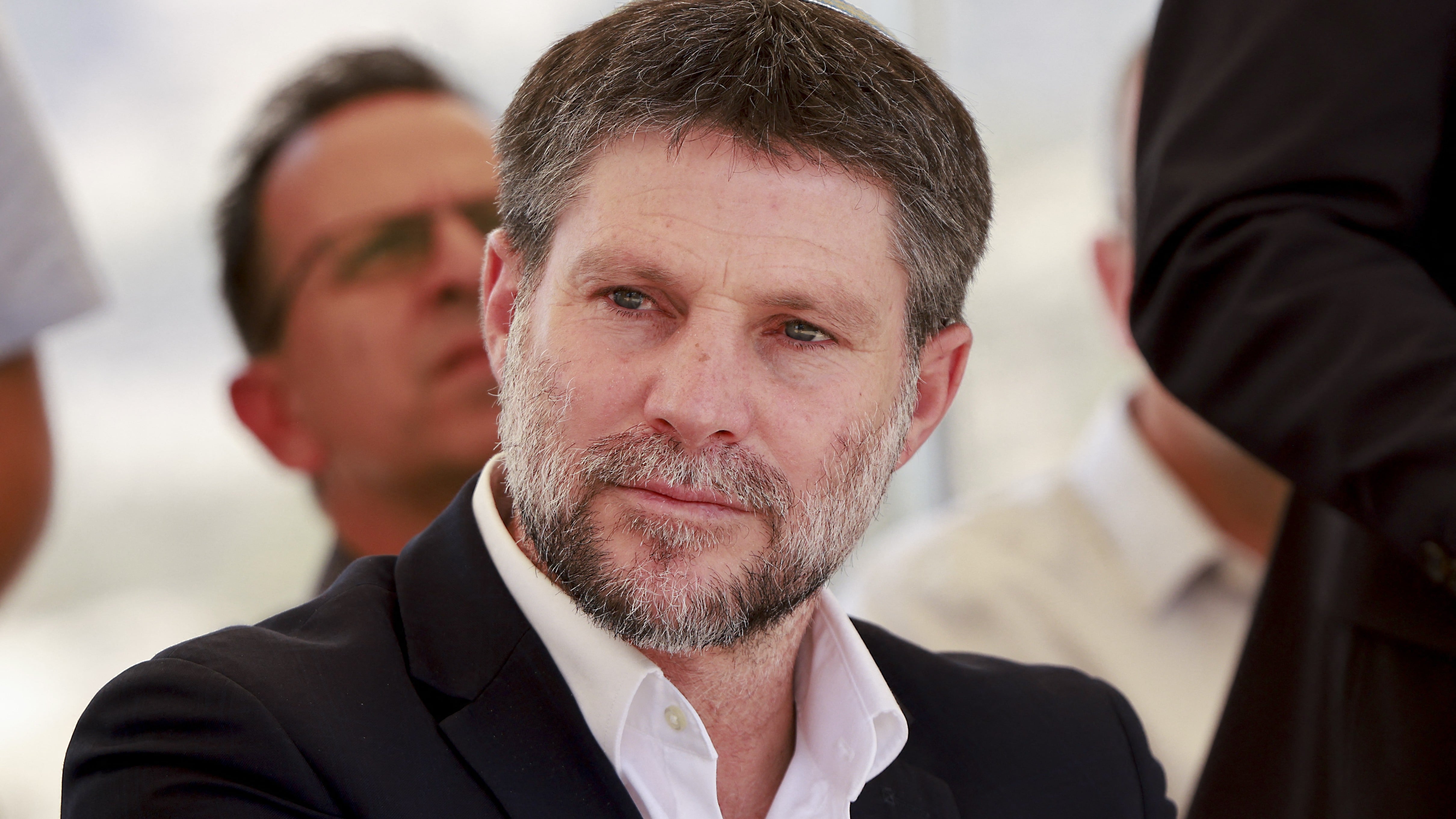
Far-right Israeli Finance Minister Bezalel Smotrich said on Thursday that Israel should reject a normalisation deal with Saudi Arabia in exchange for a Palestinian state.
"If Saudi Arabia tells us that it is normalisation in exchange for a Palestinian state, then no thank you, my friends," Smotrich said at a conference hosted by the Tzomet Institute, addressing a question on relations with Saudi Arabia
"Keep riding your camels in the Saudi desert. We'll continue to develop our economy, society, and state with all the great things we know how to do."
The statement comes as Israel's parliament passed a preliminary reading of a bill to annex the occupied West Bank, a move that was criticised by Prime Minister Benjamin Netanyahu's Likud party.
The party said the passing of the bill was an attempt to embarrass the government while US Vice President JD Vance visited the country, dismissing it as “trolling… aimed at damaging our relations with the US and Israel’s great achievements in the campaign” in Gaza.
Read more: Israel's Smotrich tells Saudi Arabia: 'Keep riding your camels in the desert'
At least one Palestinian has been killed and two others wounded in Israeli attacks across Gaza in the last 24 hours, Gaza's Ministry of Health is reporting.
It added that 32 bodies have also been recovered over that period, pushing the overall toll of Palestinians killed in Israeli attacks since it launched its genocide in Gaza to 68,280, with another 170,375 wounded.
Two people have been killed and another wounded in an Israeli drone strike in southern Lebanon, the Lebanese Health Ministry is reporting.
According to the report, the strike targeted a car on the Zebdine road in the Nabatieh district.
US Vice President JD Vance said on Thursday that President Donald Trump's policy remains that the occupied West Bank won't be annexed by Israel.
He told reporters in Tel Aviv that he "feels pretty good" about the Gaza ceasefire after his talks with Israeli Prime Minister Benjamin Netanyahu.
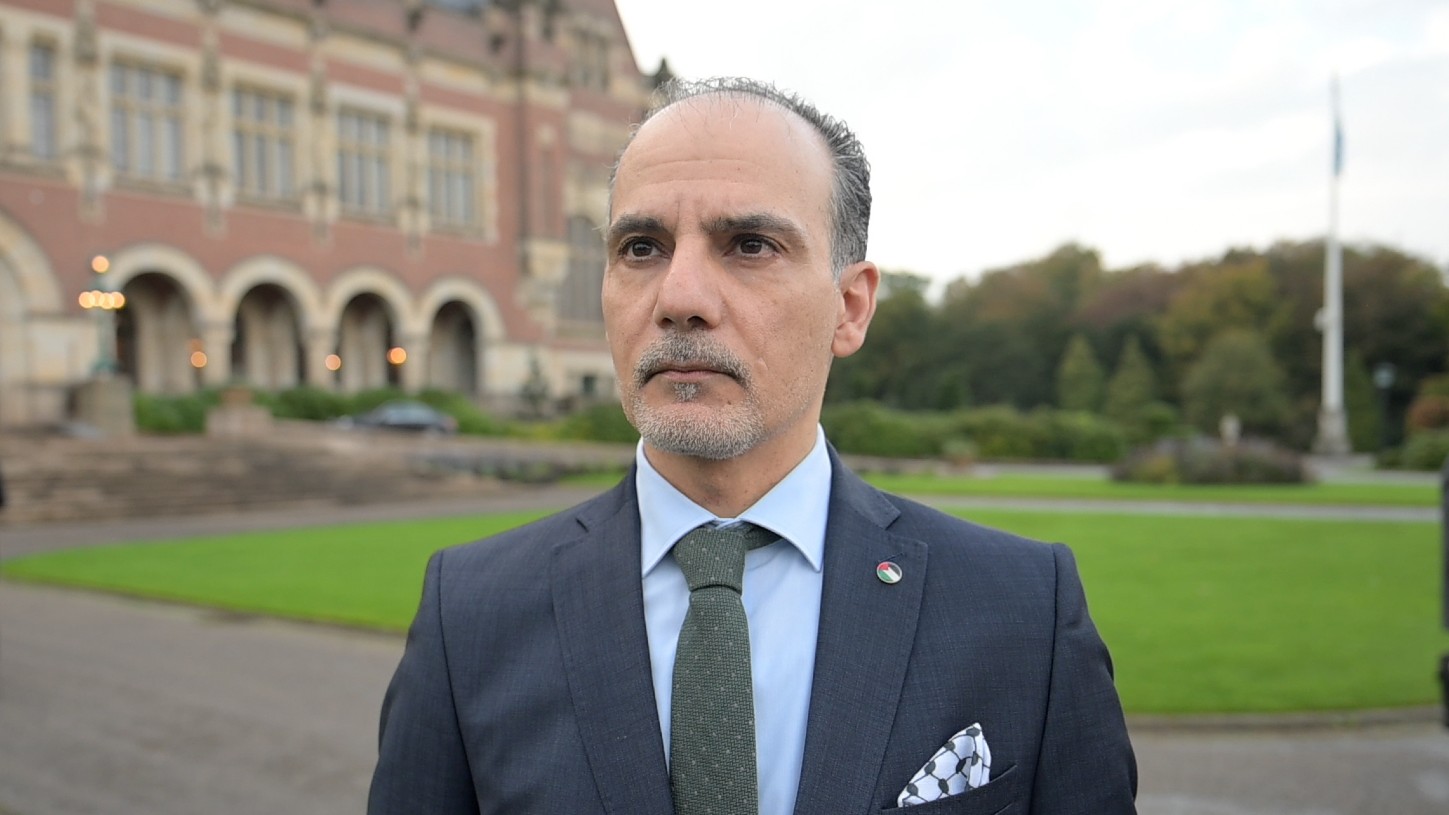
Palestine will not stop its pursuit of justice at international courts despite political pressure or the threat of sanctions, Palestinian ambassador Ammar Hijazi told Middle East Eye on Wednesday.
His comments follow a ruling by the International Court of Justice (ICJ) on Israel’s humanitarian obligations, specifically to end its blockade of aid entering Gaza.
“So long as this occupation exists on our land, the Palestinian leadership and government will not take one step back from fighting for Palestinian rights at the international level,” Hijazi said outside the court.
“This is a rightful, peaceful, legal and moral path that we must take, and we will continue until our people are free and our independence is realised,” he added.
Read more: Palestine will continue to 'pursue justice' against Israel at ICC and ICJ, says Hague ambassador