LIVE: UN overwhelmingly votes to condemn Russian invasion of Ukraine, demands withdrawal

Live Updates
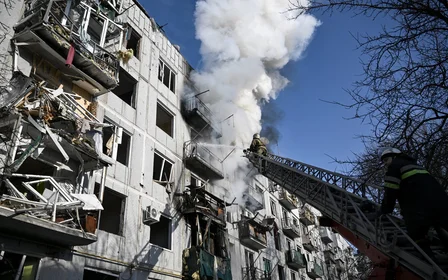
Russian ground forces have reportedly enter the Kyiv region of Ukraine, advancing on the nation's capital.
Ukraine's border guards said troops broke into the Kyiv Oblast through the north, staging an attack with Grad missiles on government positions.
An AFP reporter in the northern part of Ukraine's capital also saw several low-flying helicopters flying toward the city, amid reports that an airfield was under attack.
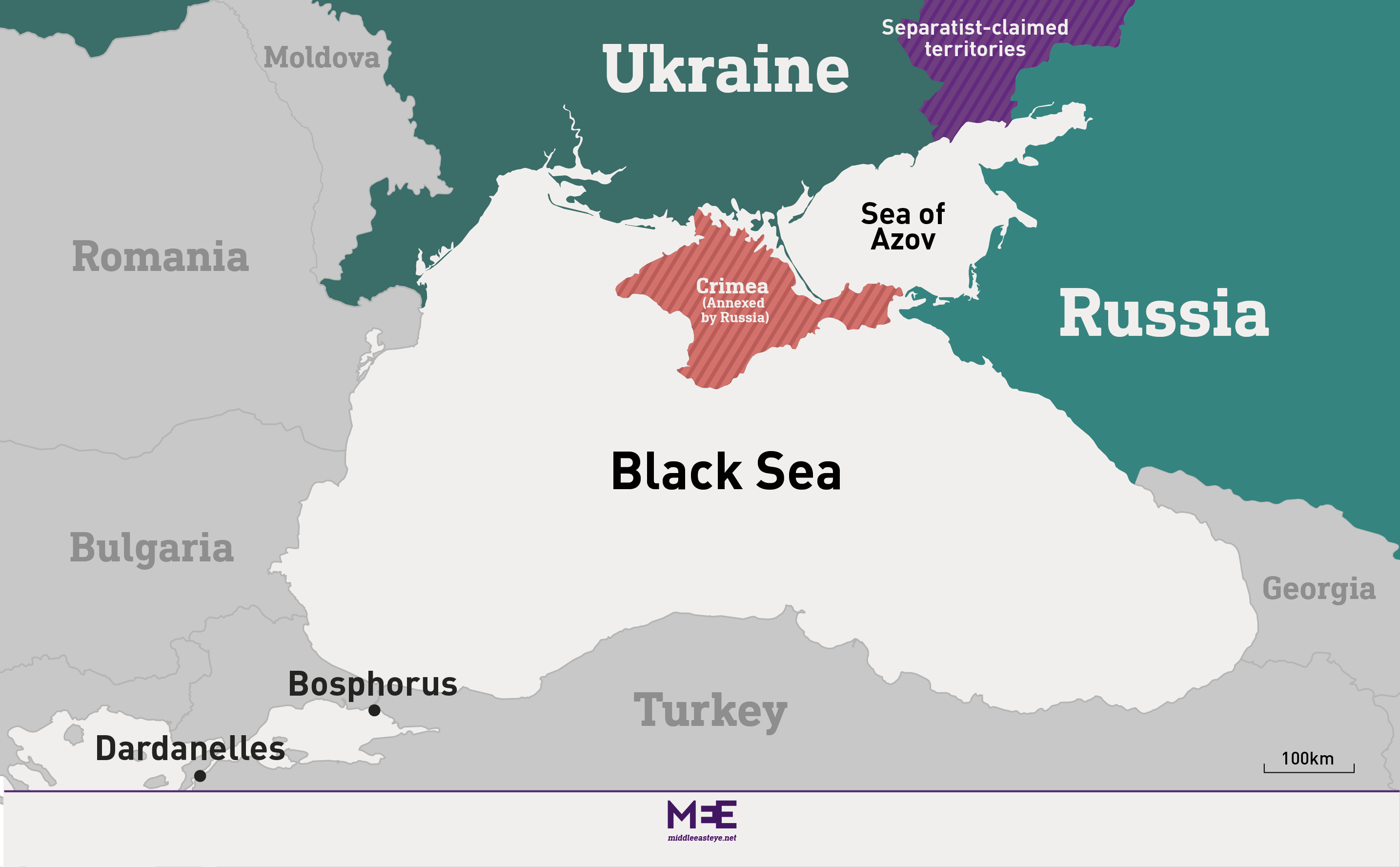
MEE has compiled an explainer on how Turkey's influence over the Black Sea could end up affecting the conflict in Ukraine:
In 1936, world powers including the United Kingdom, the Soviet Union and France agreed in the Swiss town of Montreux that Turkey would control the Bosphorus and Dardenelles as a result of its close proximity to Russia, Ukraine, Romania, Bulgaria and Georgia on the Black Sea.
In addition to control of the straits, the convention gives Turkey power to regulate the transit of naval warships, including closing the straits to all foreign warships during wartime.
Turkey can also deny passage to merchant ships if they are from countries at war with Ankara.
All Black Sea countries, including Russia, Ukraine, Bulgaria, Romania and Georgia, wishing to send vessels through the straits must give Turkey eight days' notice. In comparison, non-Black Sea countries must notify 15 days in advance.
However, Black Sea countries can send submarines without prior notice, as long as they have been built, purchased, or sent for repair outside the Black Sea.
The Turkish government must also authorise aircraft if they cross over the straits.
Russia-Ukraine war: Turkey's power over the Black Sea explained
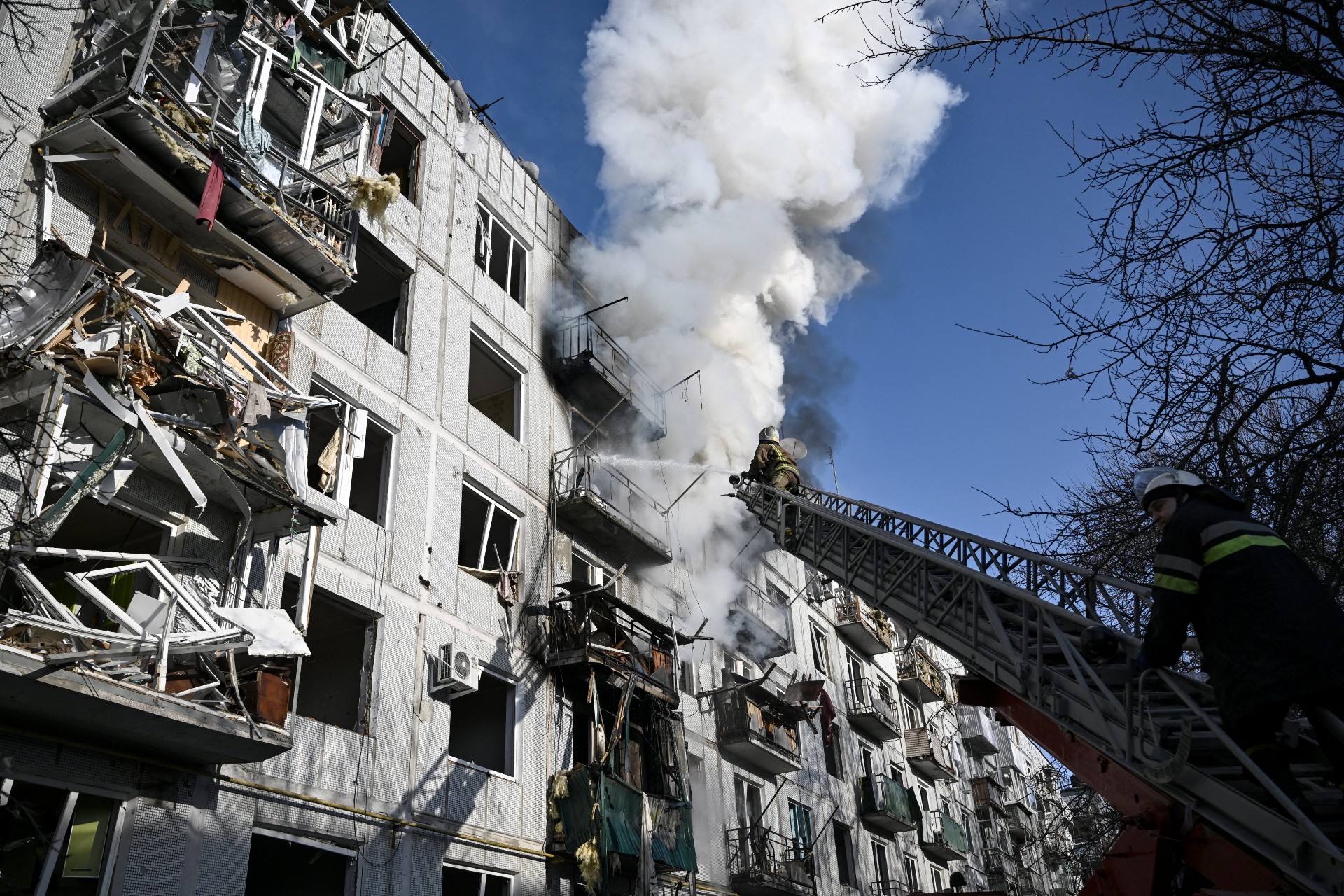
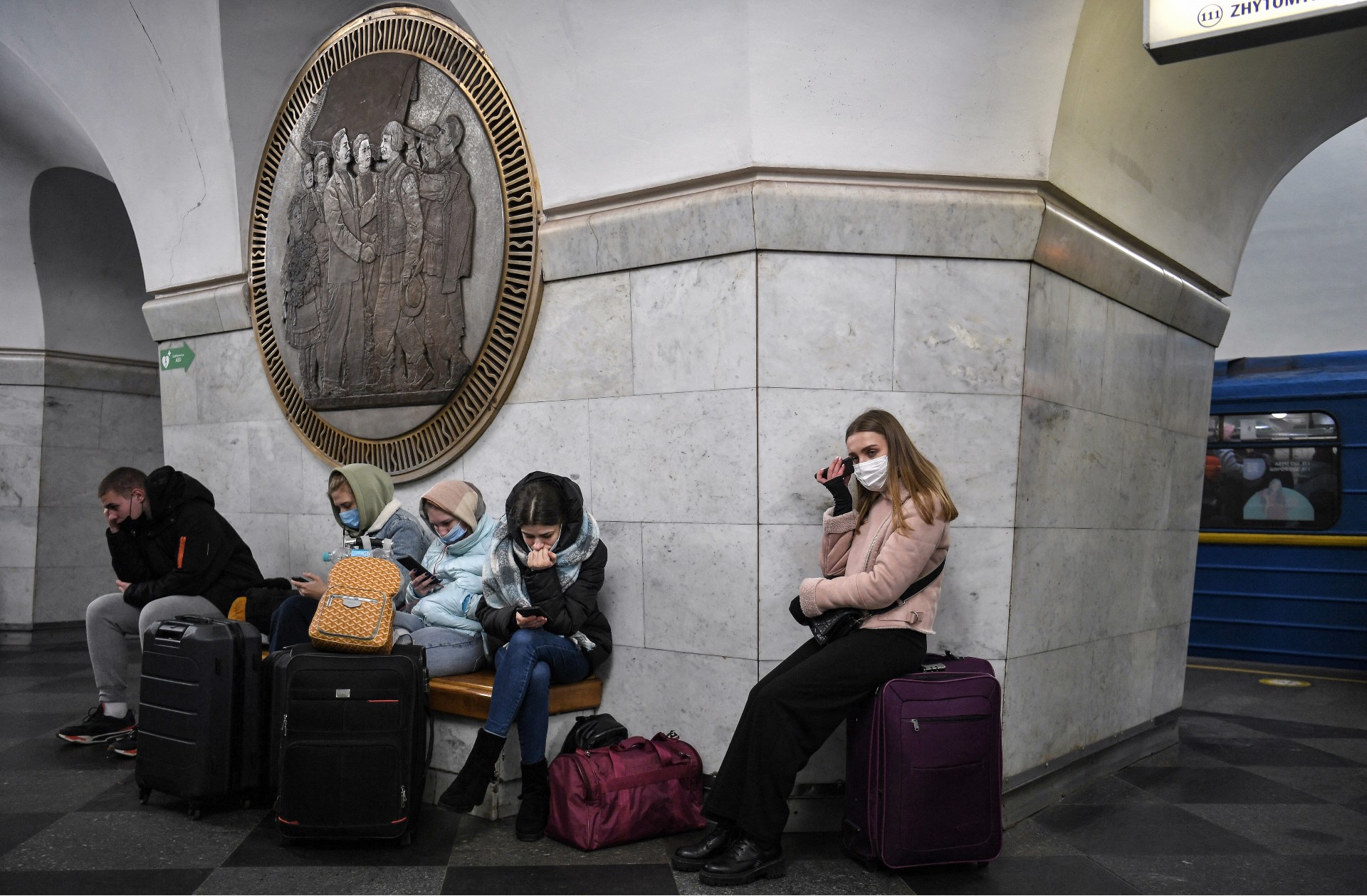
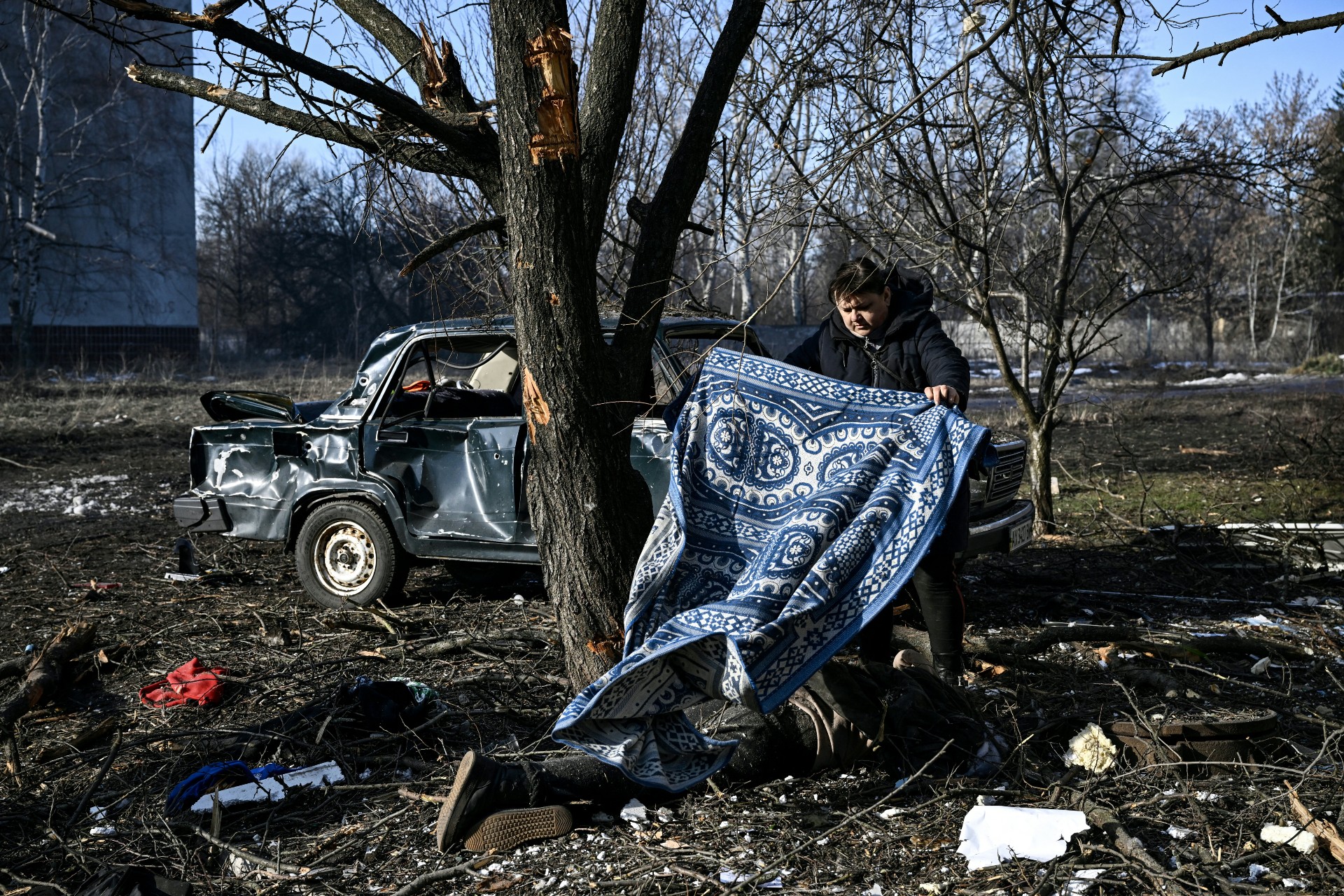
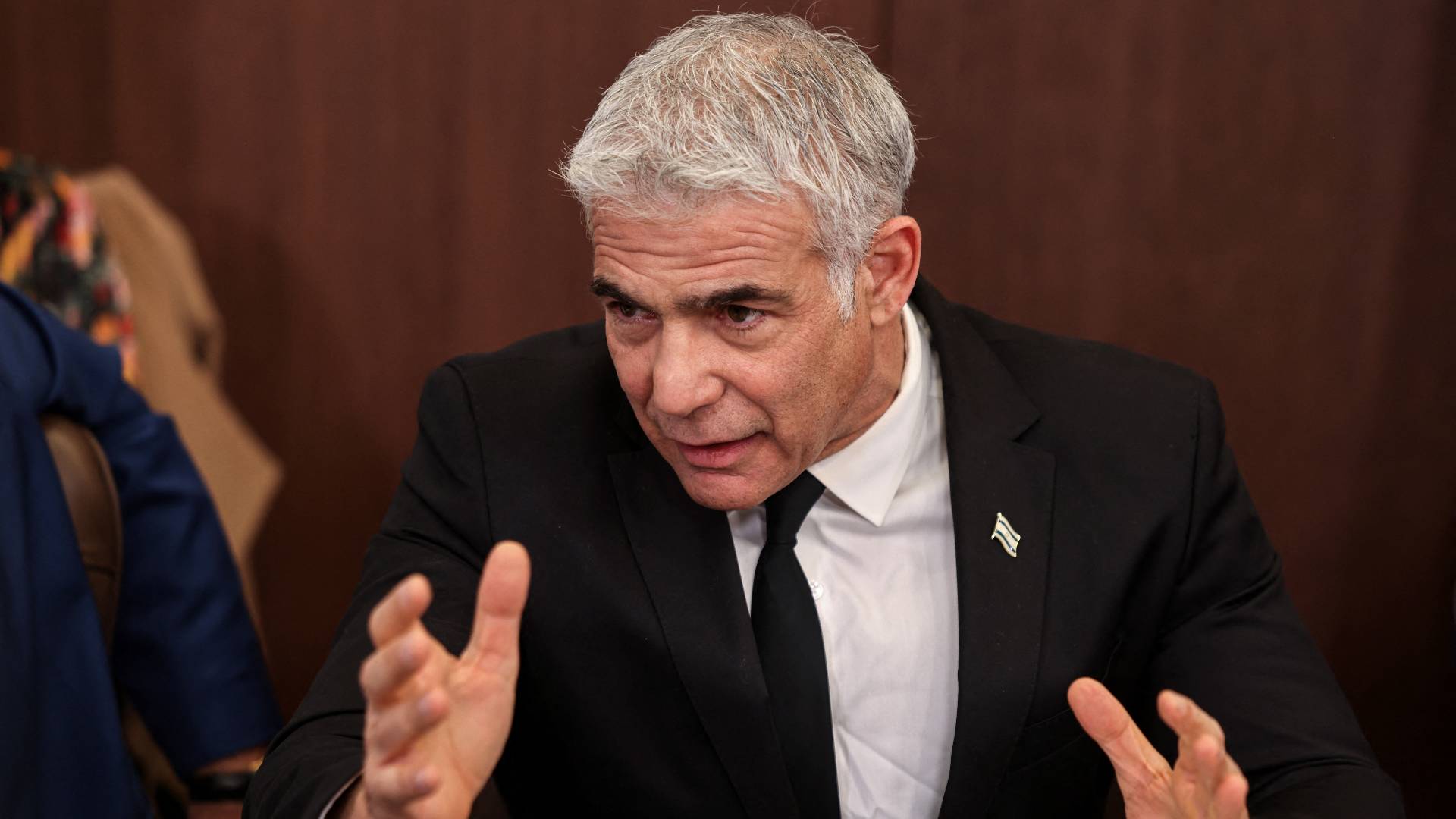
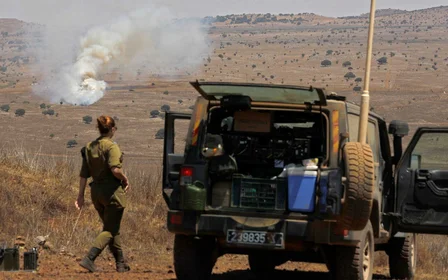
Israel condemned Russian actions in Ukraine on Thursday and called on world powers to resolve the crisis swiftly.
"Russia's attack on Ukraine is a grave breach of international order. Israel condemns the attack," Foreign Minister Yair Lapid said in a televised statement.
"There is still time to stop and to return to the negotiation table and to resolve differences peacefully with world powers' mediation.
"Israel has long-running, deep and good relations both with Russia and Ukraine.
"There are tens of thousands of Israelis in both countries, there are hundreds of thousands of Jews in both countries keeping them safe is our top priority," Lapid said.
For Turkey, a war across the Black Sea doesn't just have immediate importance - it strikes at the very heart of Turkish history.
As MEE's Ankara bureau chief Ragip Soylu writes, every Turkish schoolchild is taught that the Ottoman Empire and Russia were locked in a battle for control over the warm water ports, and Moscow has always had its eye on extending its influence south. Soylu reports:
Ankara believes it has fundamental interests in Ukraine. Every Turkish official who spoke to MEE was quick to mention Crimea and the brotherly Crimean Tatars, who are seen as Turkic, as something that necessitates Turkey’s full attention on Ukraine. Erdogan said Turkey will never recognise Russia's 2014 annexation of Crimea.
“Ukraine is like a dam that stops further Russian influence and pressure in the region,” a Turkish official told Middle East Eye. “If Ukraine falls, it will have direct implications on Turkey."
Ukraine conflict: Why it really matters to Turkey
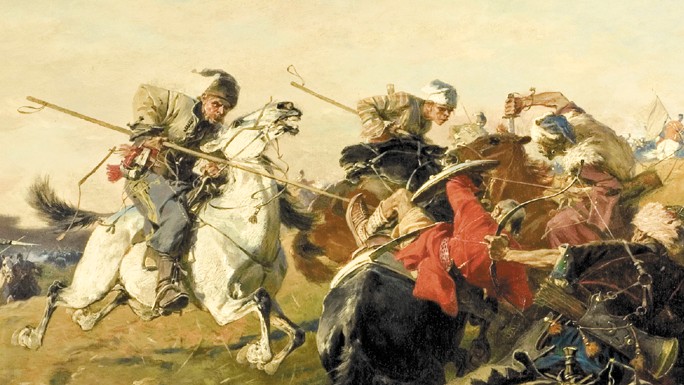
With close relations with both Moscow and Kyiv, Israel has been put in a tight spot as tensions have mounted over recent weeks.
Ukraine has at times expressed unhappiness over Israel's apparent lack of will to back it over Russian aggression, and at times even compared Russia's annexation of Crimea to the Israeli occupation of the West Bank. But Israel needs to remain on good footing with Moscow over Syria. Lily Galili explores the dynamic here:
For over six years, Israel has carefully coordinated its air force activity over Syria with Russia. This ongoing understanding with Russia allows Israel to target Iranian forces stationed in Syria while Russia controls the airspace.
This is obviously a strategic asset for Israel, and one which also serves Russian strategic and political interests in a region where Moscow wants influence.
Former Prime Minister Benjamin Netanyahu used to refer to Putin as “my friend”, a choice of words that amused those who better understand Russia and its president. Putin is motivated by interests only, and you better be careful not to undermine them.
From that point of view, Israel walks on a tightrope stretched now between the conflicting loyalties and interests of the White House and the Kremlin concerning Ukraine.
Ukraine conflict: How Israel is caught between ties with Moscow and Kyiv
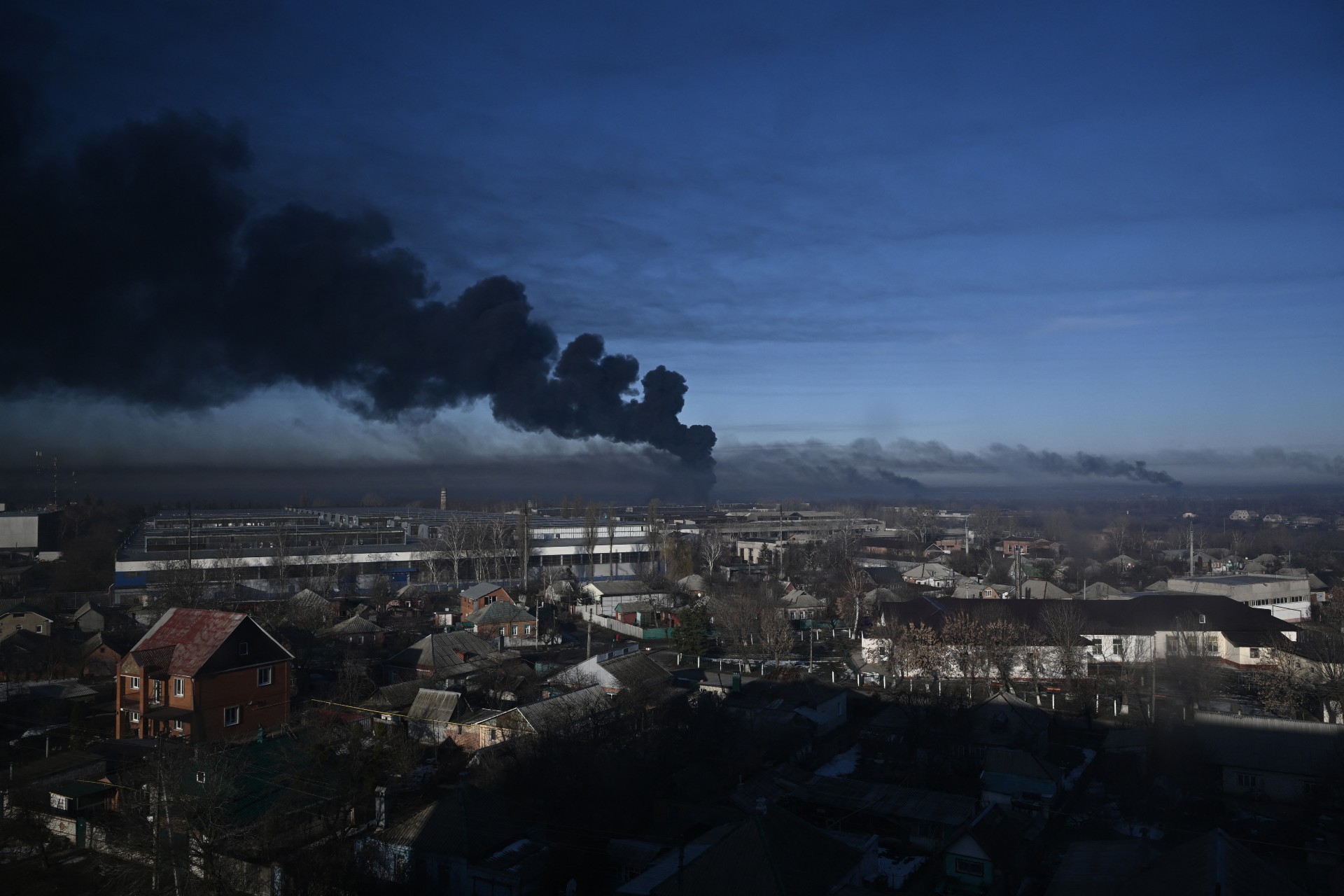
Russia and Ukraine both supply vast amounts of grain to countries across the Middle East and North Africa. Countries like Egypt, Algeria, Tunisia and Libya produce less than half the amount of grains - especially wheat - that their populations consume every year, and Ukraine is by far their greatest supplier.
Earlier this month, Amr Emam looked at the likely impact of a war in Ukraine on grain supplies in the region:
By far the world's largest importer of wheat, Egypt expects to be severely affected by possible disruptions to wheat supplies from Russia and Ukraine.
The vast Arab country - population 102 million and rising - imported 12.5m tonnes of wheat in 2020-21.
Egypt is working hard to increase its own wheat output, but its current dependence on imports would make any Ukrainian conflict very bad news, specialists said.
"Egypt will be deeply affected in case the war erupts between Russia and Ukraine," Hesham Abuldahab, a member of the grains section at the Cairo chamber of commerce, told Middle East Eye. "Most of our wheat imports come from these two countries."
How Russian invasion of Ukraine threatens wheat supplies in North Africa
Iran's Foreign Minister Hossein Amir-Abdollahian has blamed Nato for the Ukraine conflict but says Tehran opposes war.
"The crisis in Ukraine is rooted in Nato provocations," said Amir-Abdollahian.
"We do not see resorting to war as a solution. Necessary to establish a ceasefire and focus on a political solution."
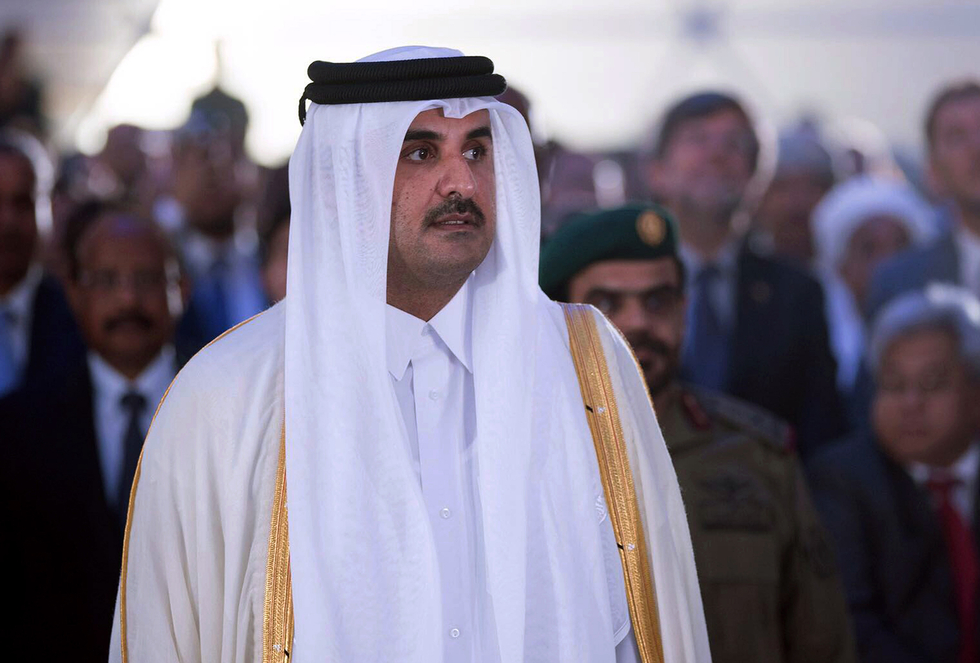
Qatar's Emir Sheikh Tamim bin Hamad Al Thani received a phone call on Thursday from Ukrainian President Volodymyr Zelenskiy who briefed him on the latest developments in Ukraine, Qatar's state news agency said.
Al Thani called on all parties to exercise restraint and resolve the crisis through diplomatic means, the statement added.
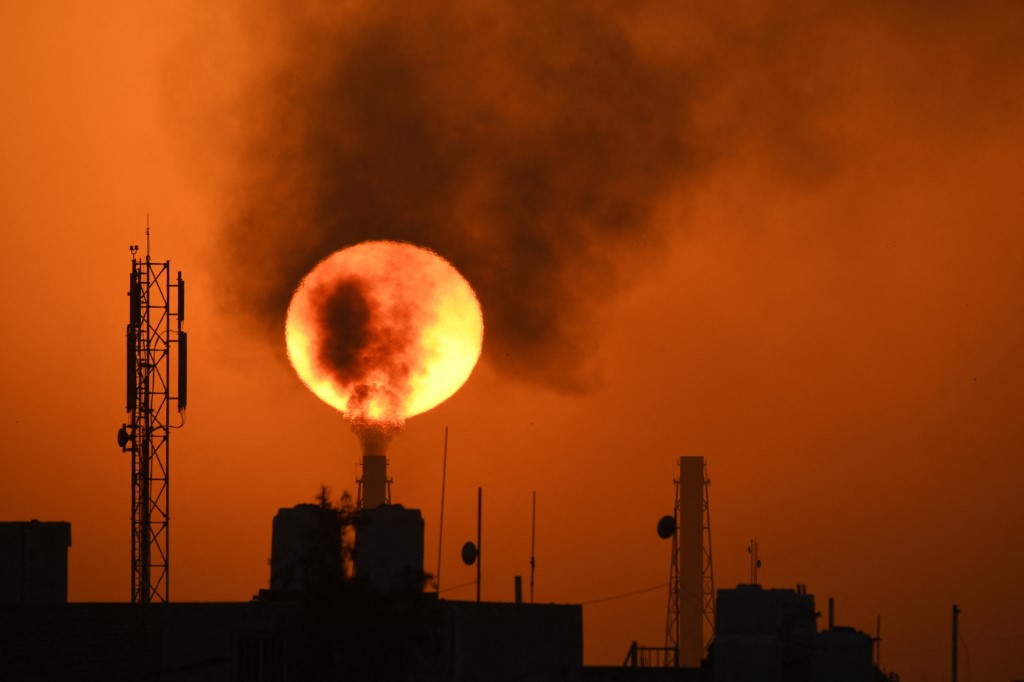
Oil prices surged on Thursday, with Brent breaching $100 a barrel for the first time since 2014, after Russia attacked Ukraine, exacerbating concerns that a war in Europe could disrupt global energy supplies.
Russia is the world's second-largest oil producer, mainly selling its crude to European refineries, and is the largest provider of natural gas to Europe, providing about 35 percent of its supply.
Brent crude rose to as much as $103.78 a barrel, the highest since 14 August 2014, and was at $103.18 a barrel at 08:30 GMT, up $6.34, or 6.5 percent.
In a column earlier this month, Middle East Eye's editor-in-chief David Hearst took a long view of the Ukraine crisis, diving into history and geopolitical developments that brought the west and Moscow facing off for the first time in years.
Drawing on his own years of reporting from Russia and other former Soviet lands, Hearst asks some serious questions of both Russian and Western policy post-Cold War:
Ask yourself whether this situation was inevitable, and whether indeed it is black and white. Was Nato’s eastern expansion wise, if all it has done is move the line of confrontation eastwards? Did it cement democracy or provoke civil war?
Should the West have ignored repeated warnings from Putin about legitimate Russian concerns, which he expressed from the Munich conference of 2007 onwards? Should Bush have torn up a treaty with Russia in order to advance missile defence in Poland? Could Ukraine have escaped being ravaged by the competing forces of Russian and Ukrainian nationalism, and emerged masters of their own land? War and separatism were absolutely not inevitable.
Ukraine crisis: Why Putin is negotiating with the West at the barrel of a gun
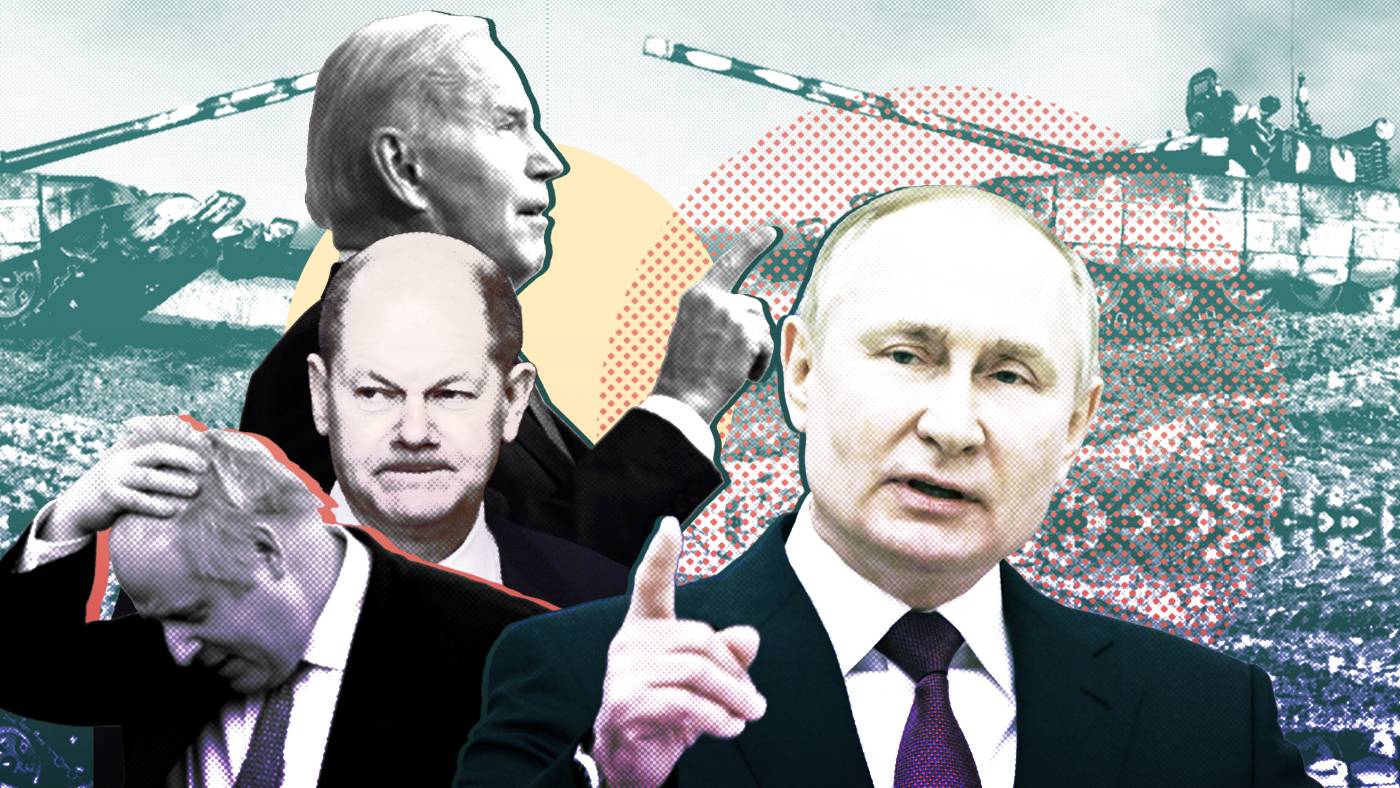
The Ukraine crisis poses two particularly uneasy questions for Turkey: How to uphold a power balance in the Black Sea. And how to manage its relations between Russia, Ukraine and the West.
Ukraine crisis: What is Turkey's stake in Russia-Nato rivalry?
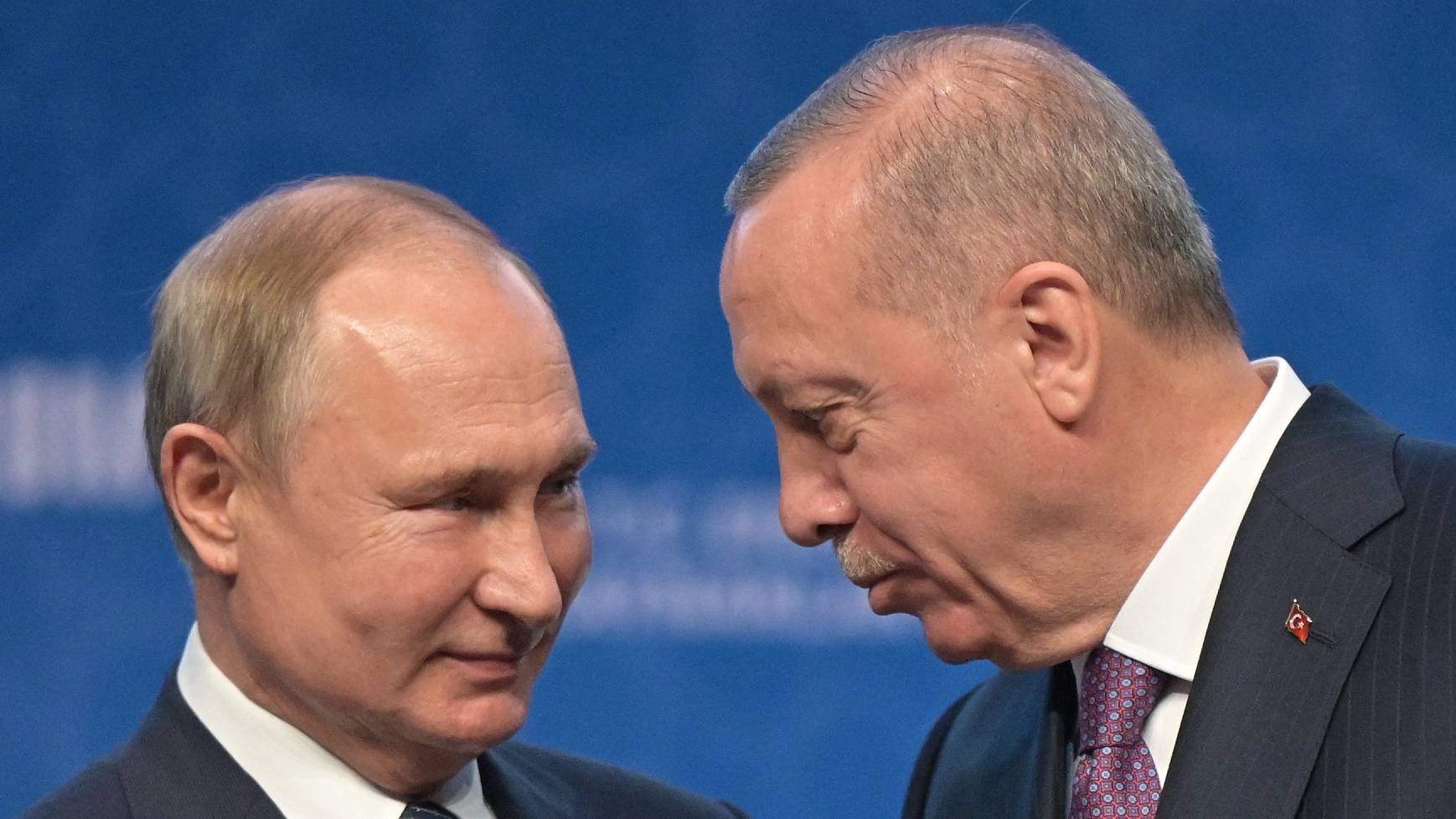
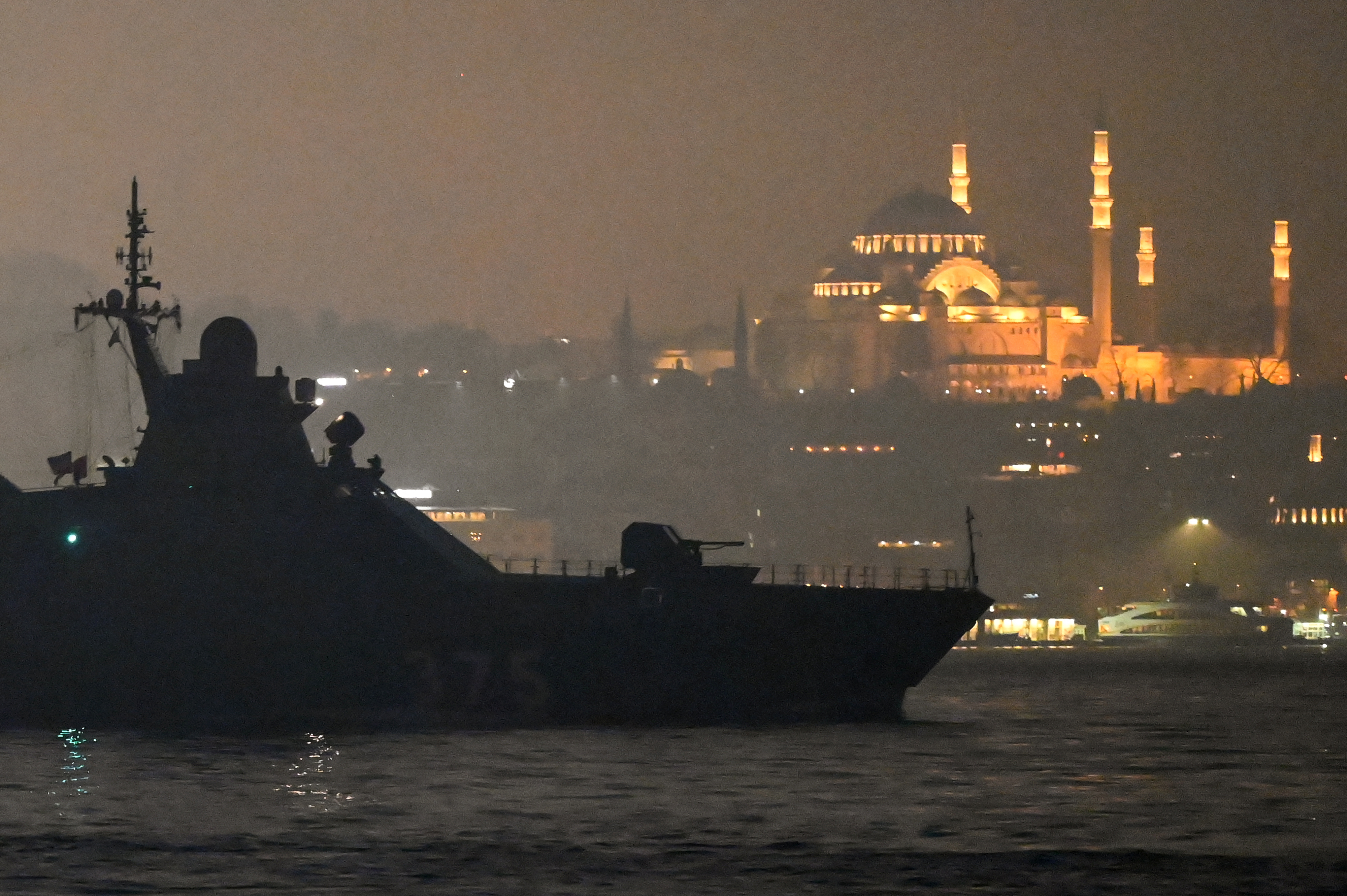
In televised remarks, Ukraine's ambassador to Turkey Vasly Bodnar has called on Ankara for help over Russia's invasion, asking it to close the Bosphorus straits to Russian ships.
“We call on our strategic partner Turkey to support us in these difficult times,” said Bodnar.
“We call on Turkey to close its air space to Russian planes, and to close the Dardanelles and Bosporus to Russian ships.”
Russia's Interfax news agency said witnesses had reported strikes at the Bayraktar drone bases in Donbass, in territory controlled by Kyiv.
Earlier this month, Ukraine and Turkey signed a series of agreements - including a deal that will expand the production capabilities of Turkish drone-maker Baykar, which saw its drones deployed last year in Kyiv's war against Russian-backed separatists in its eastern Donbass region.
The two countries signed eight agreements, which also included a trade deal that Kyiv says will boost bilateral trade to around $10bn over the next five years.
Iran urged its citizens residing in Ukraine to leave the country, Iran's semi-official Isna news agency reported on Thursday.
Iran's embassy in Ukraine is currently working on obtaining flight permits for the evacuation flights given that the Ukrainian airspace is currently closed, Isna added.