
Turkey-Syria earthquake: As it happened

Live Updates
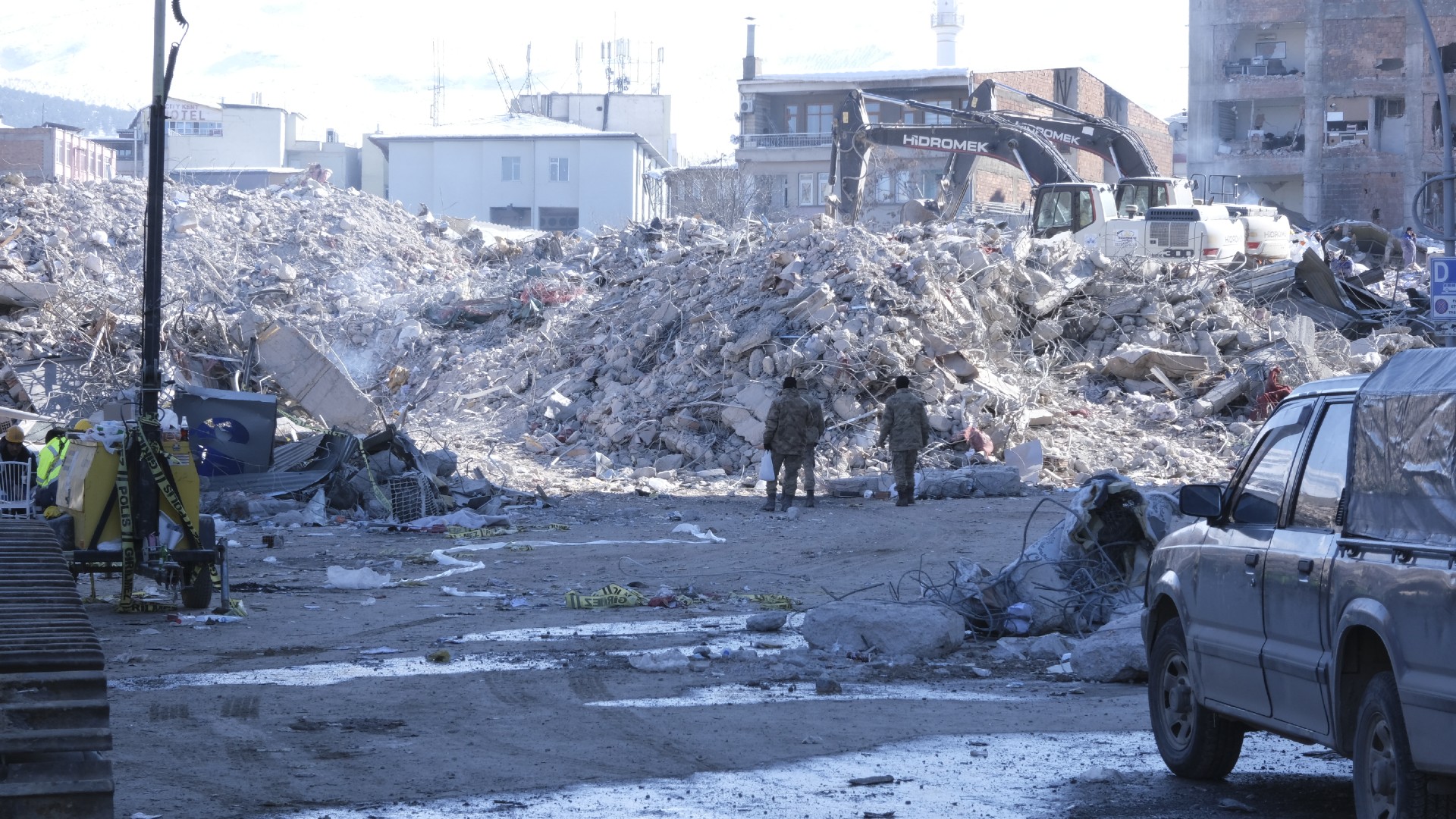
In the Turkish town of Malatya, tens of thousands of people lost their homes and belongings to the quake, but fears are growing that the disaster could now expose survivors, especially women, girls and newborns, to disease.
Many of the town's residents told MEE that their biggest concern was when they would have access to potable water, after amenities such as toilets and showers all but vanished when the first tremor struck.
"It's not sustainable," a man said while waiting in a queue to get food from the Turkish Red Crescent. "We have bottled water to drink but the main problem is the absence of hygiene."
With no water or a functioning sewage system, several of Malatya's residents were starting to worry about diseases potentially spreading after reports of diarrhea emerged.
"Clean water means you can have a bath; you can go to the toilet," said one resident.
To read the full story, click here.
Turkey earthquake: Lack of clean water and toilets puts survivors at risk of disease

US Secretary of State Antony Blinken will travel to Germany, Turkey, and Greece from 16-22 February to attend the Munich Security Conference and observe Washington's response efforts to the earthquake that hit Turkey and Syria.
Blinken will visit Incirlik Air Base in southern Turkey on 19 February "to see firsthand US efforts to assist the Turkish authorities responding to the devastation caused by the February 6 earthquakes", State Department spokesperson Ned Price said in a statement.
In Greece, Blinken will hold talks with the country's prime minister, foreign minister and opposition leader, Price said. On 21 February, Blinken will launch the fourth round of the US-Greece Strategic Dialogue, he added.
Save the Children, a leading humanitarian charity, has warned that trying to adopt unaccompanied children who were rescued from the earthquake is "not an appropriate response" for people who want to help with relief efforts.
The charity said that people who want to provide assistance to children in need should support groups working on the ground that are trying to reunite the children with their immediate or extended family.
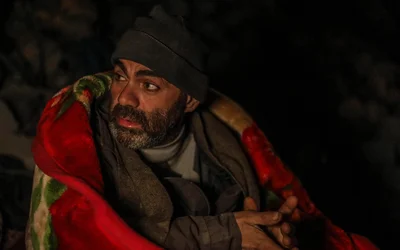
"It's natural to see these heart-breaking images and want to help in any way possible, but adoption should never be pursued during or immediately after an emergency like the recent earthquakes," Rebecca Smith, the charity's acting global child protection director, said in a statement.
"Though offers to adopt children who appear unaccompanied, separated, or may have lost immediate family members may be well-intentioned, this is not the appropriate immediate solution at this time."
The statement comes after a baby girl was born in the rubble of a collapsed building in Syria. When she was rescued, the baby was still attached to her mother by the umbilical cord. The mother, as well as the rest of her immediate family, was killed by the quake.
The news of the baby prompted calls from people around the world wanting to adopt the child.
"The best way for people to support children was by donating to trusted local organisations on the ground and humanitarian agencies who have expertise in this area," Save the Children said in a statement.
The UK said it was issuing two new licences to make it easier for aid agencies helping earthquake relief efforts to operate in Syria without breaching sanctions aimed at the government of President Bashar al-Assad and its backers.
The British government said the temporary new licences would "strengthen the timely and effective delivery of relief efforts by removing the need for individual licence applications".
"UK sanctions do not target humanitarian aid, food, or medical supplies, but we recognise that the current requirements for individual licencing are not always practical during a crisis response," Minister of State for International Development Andrew Mitchell said in a statement.
The licences provide broad protection to organisations to allow them to operate by authorising activities which would have otherwise been prohibited.
The news comes after the US issued a similar license last week, that would allow humanitarian aid for earthquake relief to be exempt from any sanctions that are in place on Syria.
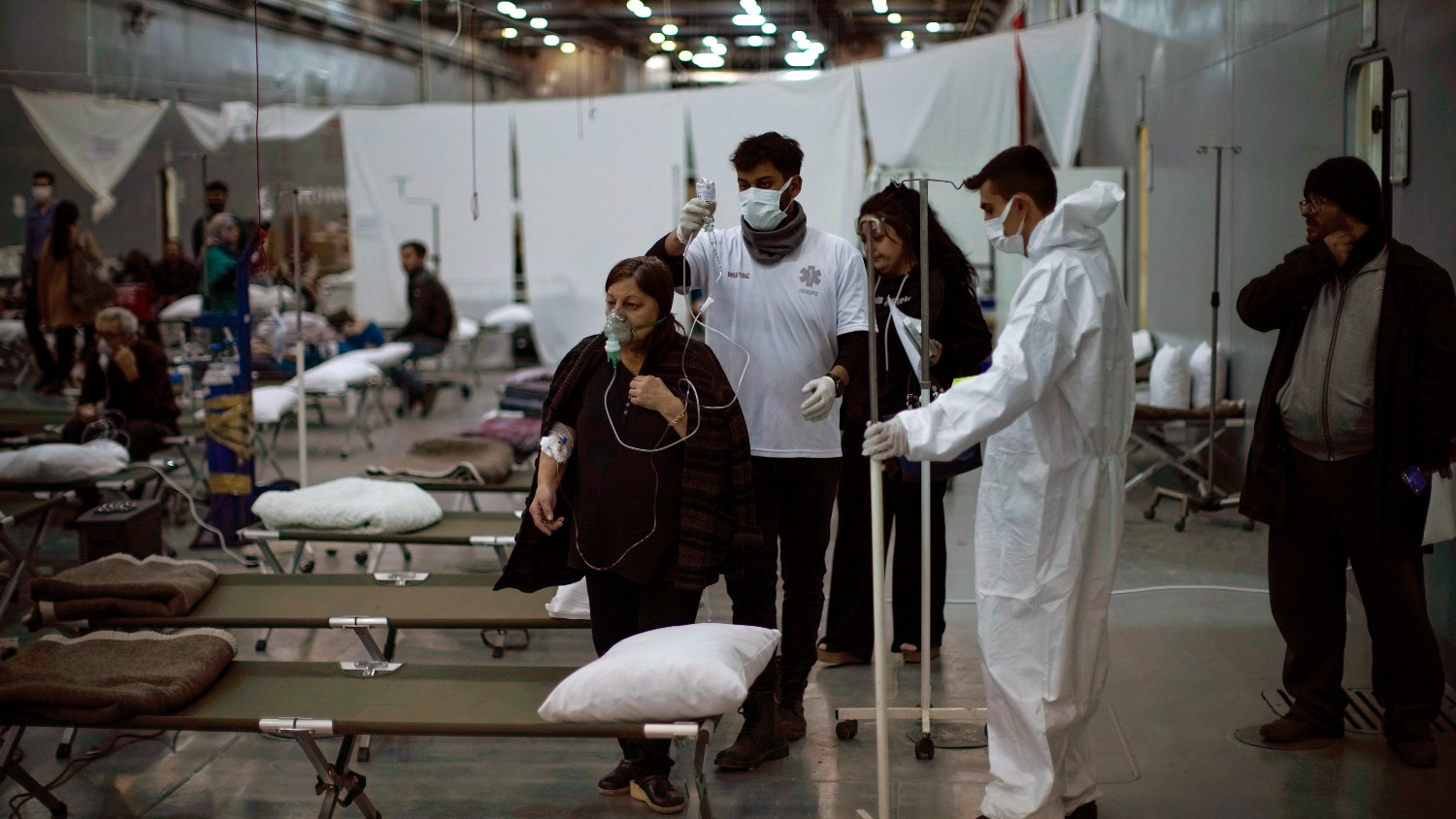
The World Health Organization said on Wednesday it was particularly concerned over the welfare of people in northwestern Syria, an opposition-held region with little access to aid, since the earthquakes struck last week.
"It's clear that the zone of greatest concern at the moment is the area of northwestern Syria," WHO's emergencies director, Mike Ryan, told a briefing in Geneva.
"The impact of the earthquake in areas of Syria controlled by the government is significant, but the services are there and there is access to those people. We have to remember here that in Syria, we've had ten years of war. The health system is amazingly fragile. People have been through hell."
Aid distribution to northwestern has been slow and sparse since the earthquake hit the region last week. At least two attempts to send aid across frontlines into Syria's northwest have been obstructed, but an aid convoy reached the area overnight.
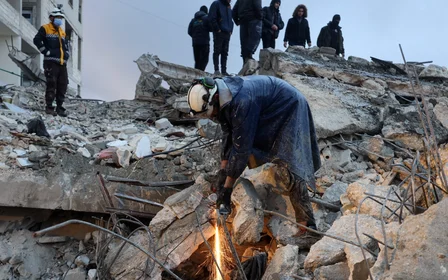
Two women were pulled from the rubble in Turkey's southern city of Kahramanmaras and a mother and two children were rescued from the city of Antakya on Wednesday, as rescue efforts shifted to getting relief to survivors nine days after a deadly earthquake.
Rescuers could be seen applauding and embracing each other as an ambulance carried away a 74-year-old woman rescued in Kahramanmaras, and earlier in the day, a 46-year-old woman was rescued in the same city, close to the epicentre of the quake.
Later on Wednesday a woman named Ela and her children Meysam and Ali were pulled from the rubble of an apartment block in Antakya, 228 hours after the earthquake, state-owned Anadolu news agency reported.
World Health Organisation (WHO) officials have asked Syrian President Bashar al-Assad to open more border crossings with Turkey to allow aid into rebel-held areas of northwest Syria.
"We requested that he allow additional cross-border access points, which he indicated he was open to," WHO Director General Tedros Adhanom Ghebreyesus said in Geneva on Wednesday.
"On Monday, two more cross border points were opened, allowing convoys from Turkey into the northwest."
Prior to the earthquake, the only path for international aid to arrive into rebel territory was through the Bab al-Hawa crossing between Syria's Idlib province and southern Turkey.
Last week, that crossing had been closed for several days due to the earthquake impacting guard officials in Turkey's Hatay province.
In December 2021, the World Bank estimated that retrofitting or rebuilding millions of residential buildings in Turkey to withstand an earthquake would cost almost half a trillion dollars.
The bank was at the time providing "technical assistance" to the Turkish government to help it meet the "massive finance needs" necessary to undertake the urgent work.
It warned that "most housing stock in Turkish cities built prior to 2000" was "highly vulnerable to seismic and climate hazards" and required "urgent strengthening".
But it said only about four percent of 6.7 million residential buildings across the country had been updated. It estimated the overall cost of the work would be $465bn.
World Bank estimated making Turkish homes safe would cost $465bn
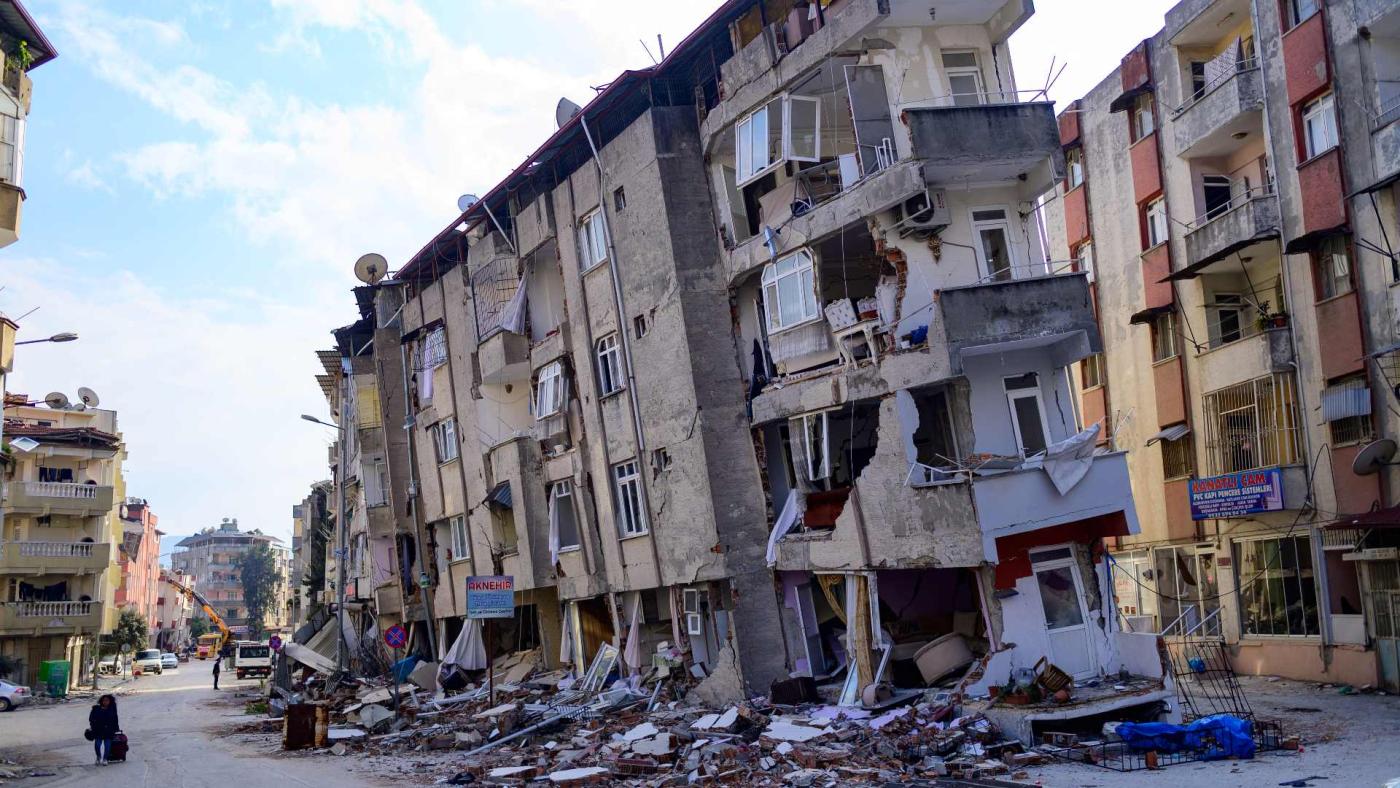
Soner Tugtekin, 58, went viral on social media last week after he emerged from the rubble in the Turkish city of Adiyaman with a half-smoked cigarette in his mouth.
As rescue workers pleaded with him to let go of his cigarette, Tugtekin swatted them away with the grit and confidence of a man who had escaped death.
He said that when his lighter fluid had run out, he resorted to "smashing the batteries of the [TV remote] controller and making a fire by crashing the cables together".
The video of Tugtekin brought hope to many, but his wife and daughter were killed by the earthquake.
“I slept on the pavement until the fourth day, when my wife’s lifeless body was removed," he recounted.
Turkey earthquake survivor recounts how he lived off tobacco
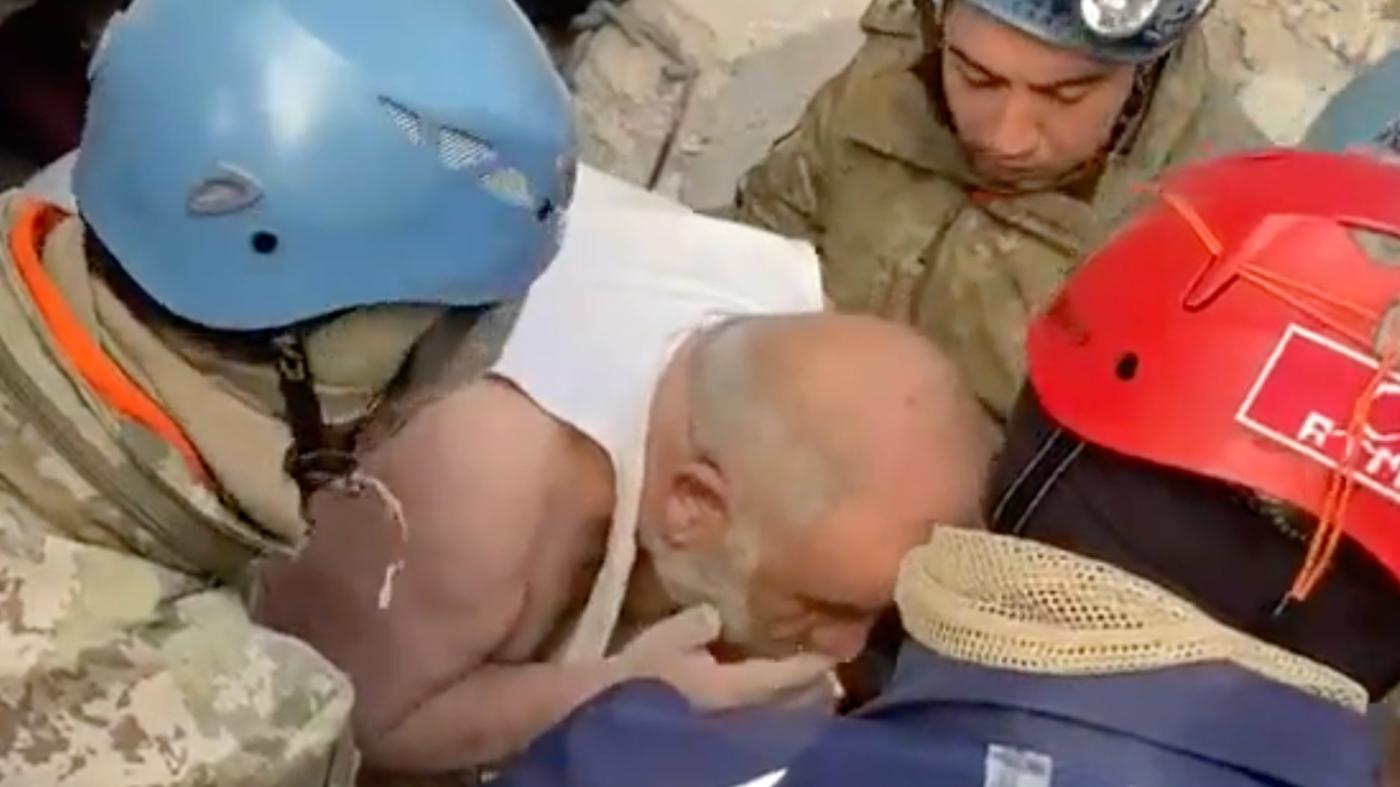
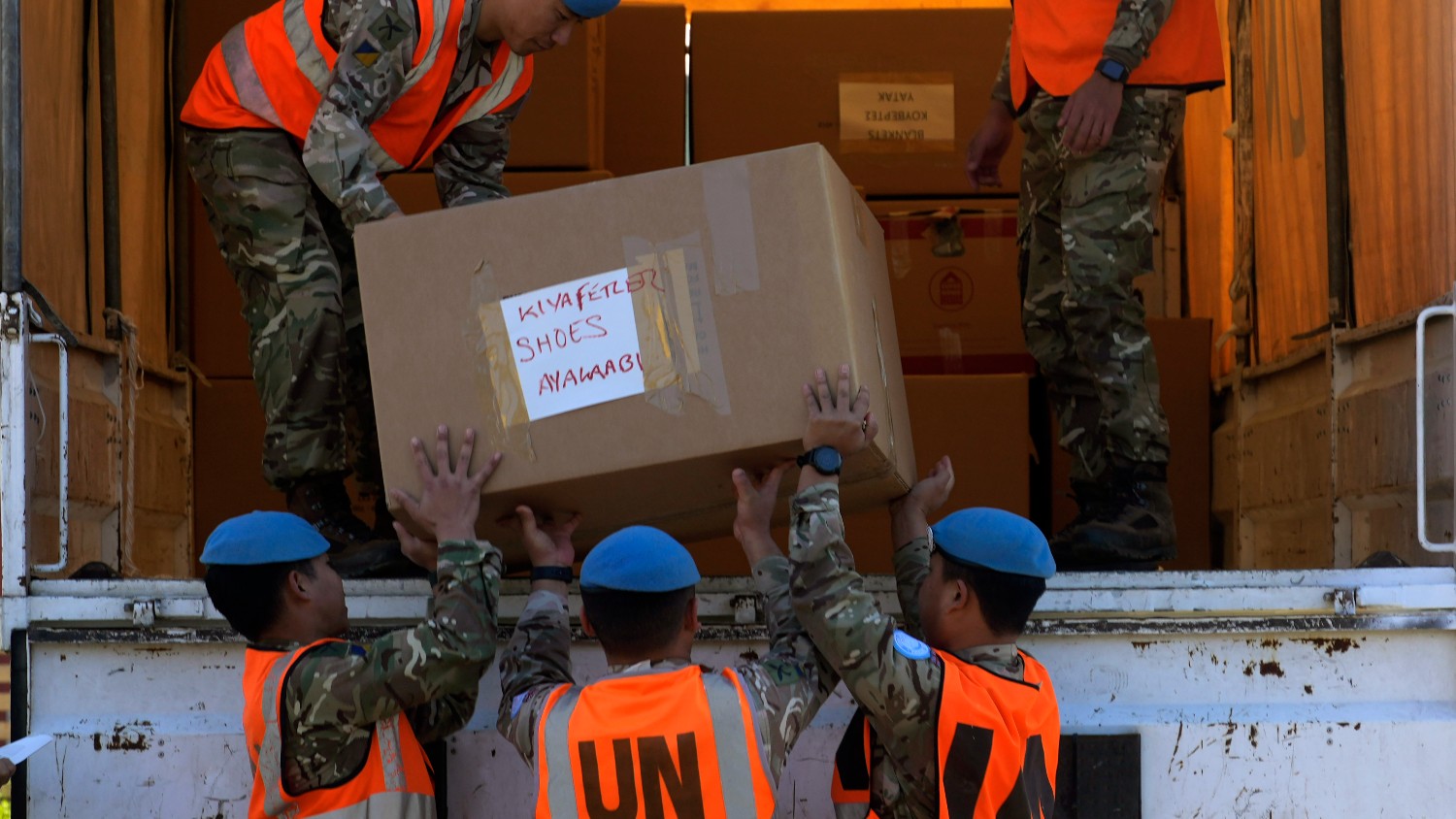
Saudi Arabia has sent new aid and relief materials to both Turkey and Syria for earthquake victims.
A plane filled with 90 tons of foodstuffs, medical and shelter supplies set off for Gazientep airport on Wednesday, Saudi's state news agency SPA reported.
Earlier in the day, a Saudi plane carrying 35 tons of aid arrived in Syria's Aleppo.
Nearly $100m has been raised since Saudi Arabia launched a donation drive for quake victims last week, according to the government's Sahem platform responsible for the campaign.
Abdullah bin Abdulaziz Al-Rabeeah, head of the King Salman Humanitarian Aid and Relief Center, told Saudi state television that Riyadh was looking into constructing 3,000 temporary houses for victims in both Turkey and Syria.
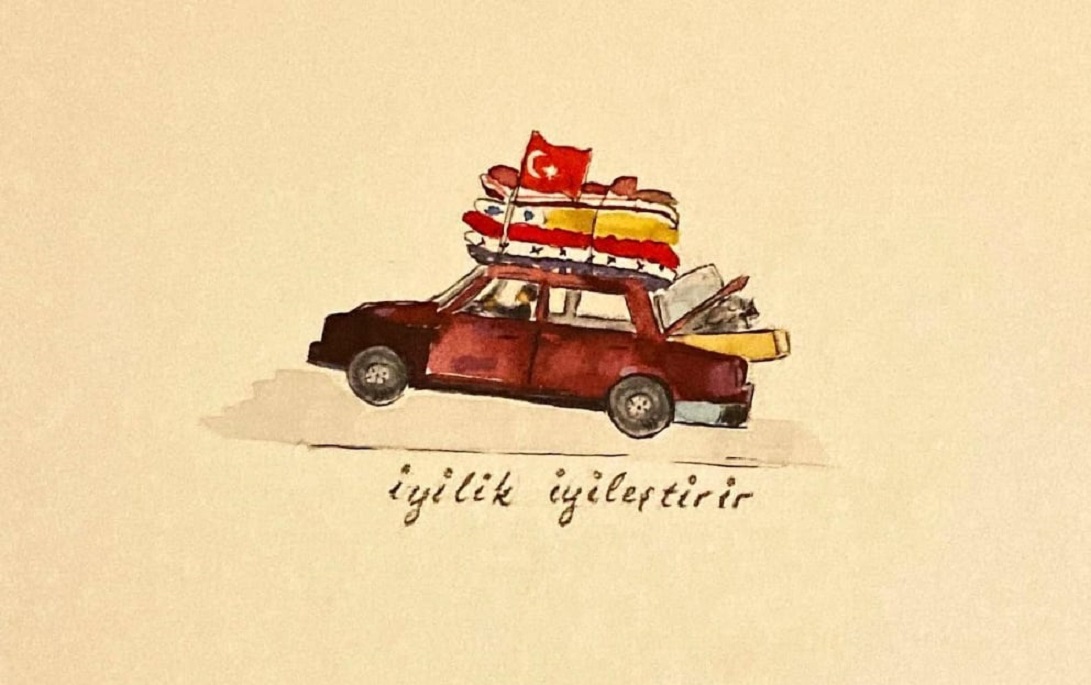
Turkish artist Hediye Sumeyra Korkmaz has shared a number of images in order to drive donations to the earthquake relief efforts. Her illustrations focus on specific themes, such as brotherhood, kindness and mercy, often based on actual photographs taken in the aftermath of the disaster. The image below is of an Azerbaijani man who packed his car with bedding, blankets and other aid and made his way to Turkey to help survivors. The caption means "being nice can heal you".
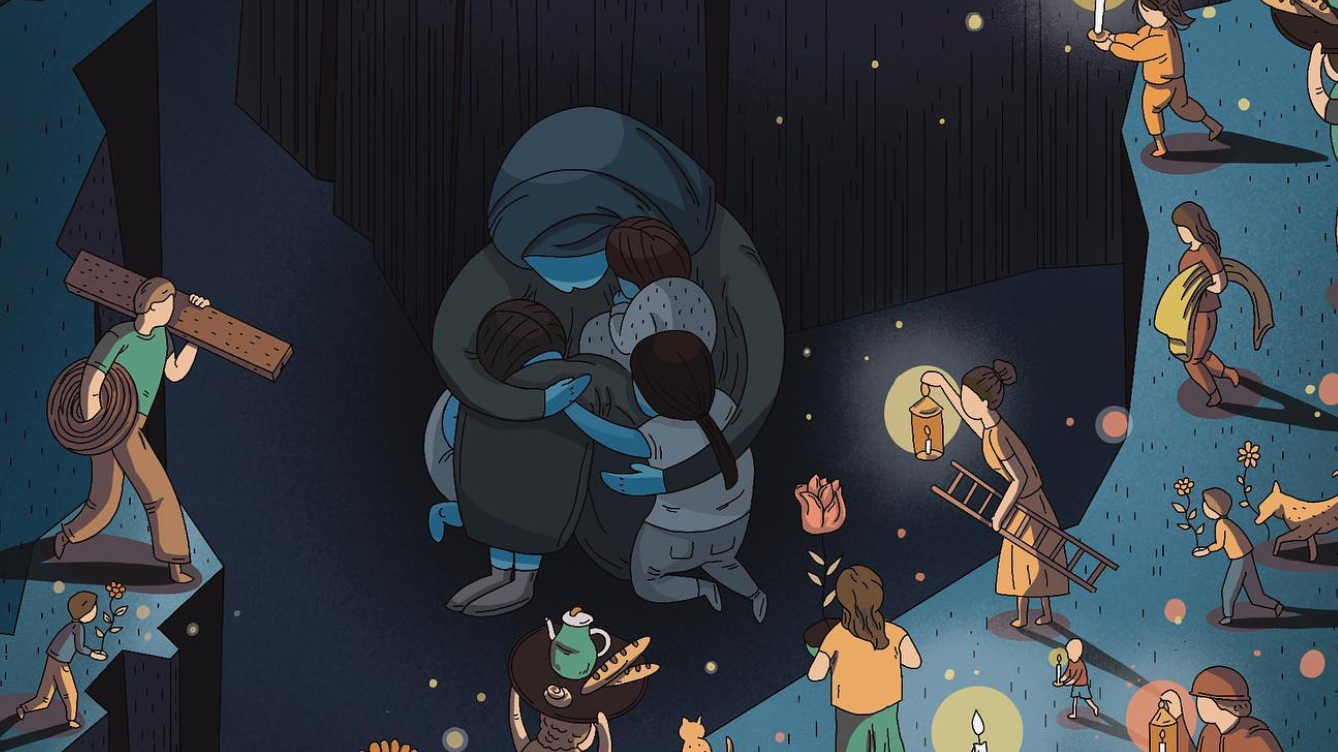
In this widely shared image, Palestinian illustrator Hadil Alsafadi depicts a Syrian mother cuddling her children in a crater caused by the earthquake as neighbours gather around to help. The rescuers come bearing ladders, lanterns and building material, as well as food. In the caption accompanying her Instagram post, she quotes a tradition attributed to the Prophet Muhammad, in which he says: “The believers in their affection, mercy and compassion for each other are of one body. When any limb aches, the whole body reacts with sleeplessness and fever.”
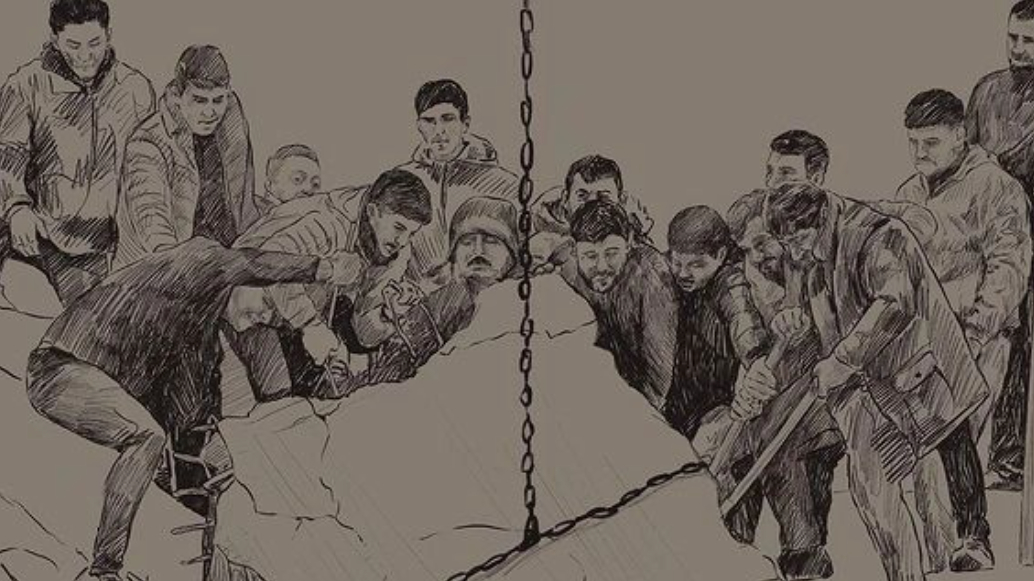
Prague-based visual artist Fuad al-Ymani shared his sketch of Syrian rescuers trying to shift rubble in their attempts to find survivors of the earthquake. Ymani said he spent a long time trying to find the best way to reflect the pain of the scenes coming out of the disaster zone. “I don’t think there is anything capable of expressing the amount of tragedy and pain this disaster has caused,” he wrote on Instagram.
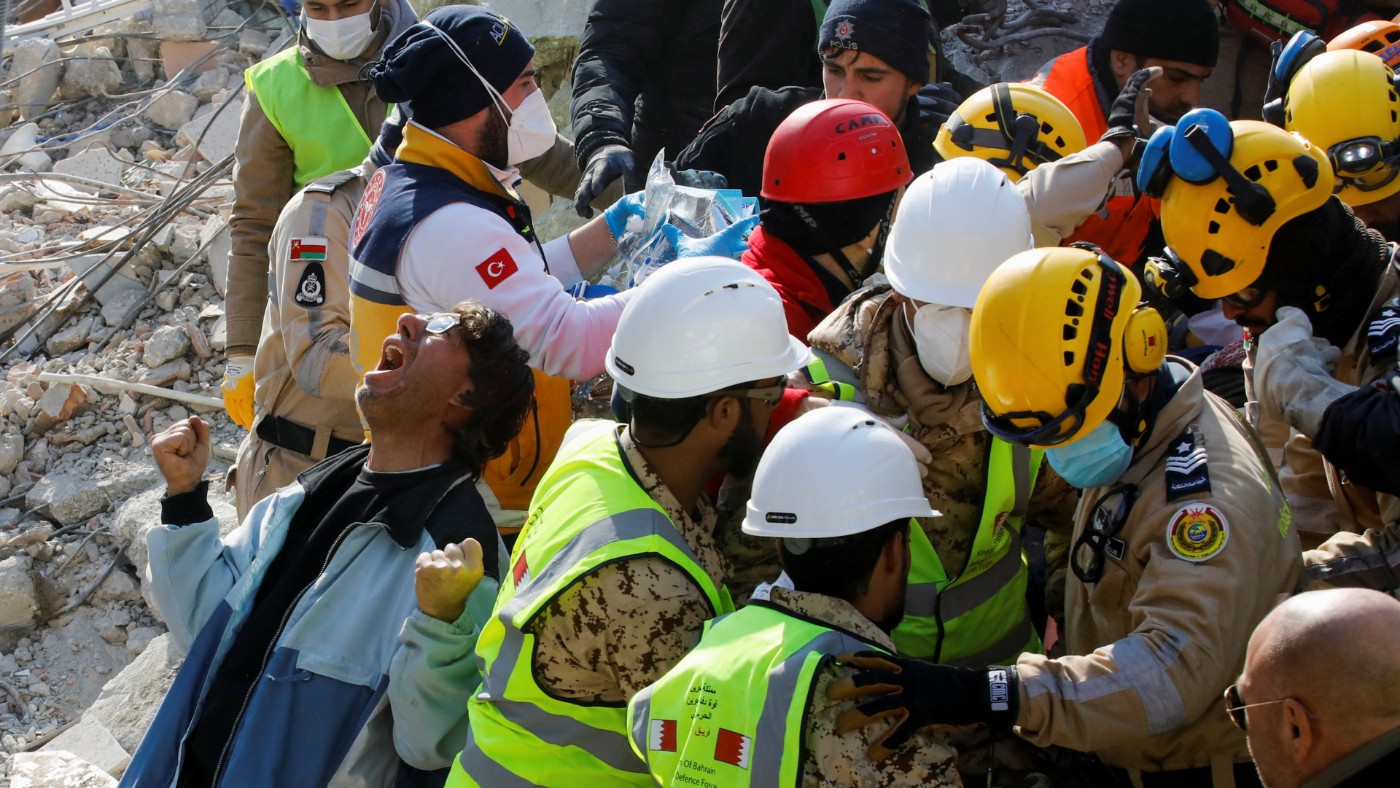
A 42-year-old woman has been rescued from the rubble of a building in southern Turkey, almost 222 hours after the devastating earthquake that hit the region last week.
In footage recorded by Turkish media, Melike Imamoglu is shown being pulled by rescue workers from the debris of a building in the city of Kahramanmaras on Wednesday.
The workers then put a thermal blanket on Imamoglu before examining her, strapping her to a stretcher and then carrying her to a nearby ambulance as the crowd around them applauds and chants “God is great”.
Rescue scenes like this have provided rare moments of hope amidst a sea of devastation, with the death toll following the two earthquakes currently standing at over 41,000 and expected to rise far higher.
For five days, Faisal Baydoun and his family stood helpless in the freezing cold as the cries of their neighbours still buried under the rubble rang out.
Like thousands of others in the Syrian border town of Jindayris, they waited patiently for help to come, praying that the international community would rush to assist the recovery efforts with heavy machinery as their loved ones remained trapped, deep under crumpled buildings in this war-battered area.
Only now, 10 days after a massive 7.8 magnitude earthquake levelled large swathes of southern Turkey and northwest Syria, families such as his are receiving the help they crucially need to recover the living - and the dead - from under the debris.
"Everyone in Jindayris has lost people: whether they be family, relatives or friends," Baydoun told Middle East Eye.
"I have lost many people in this disaster."
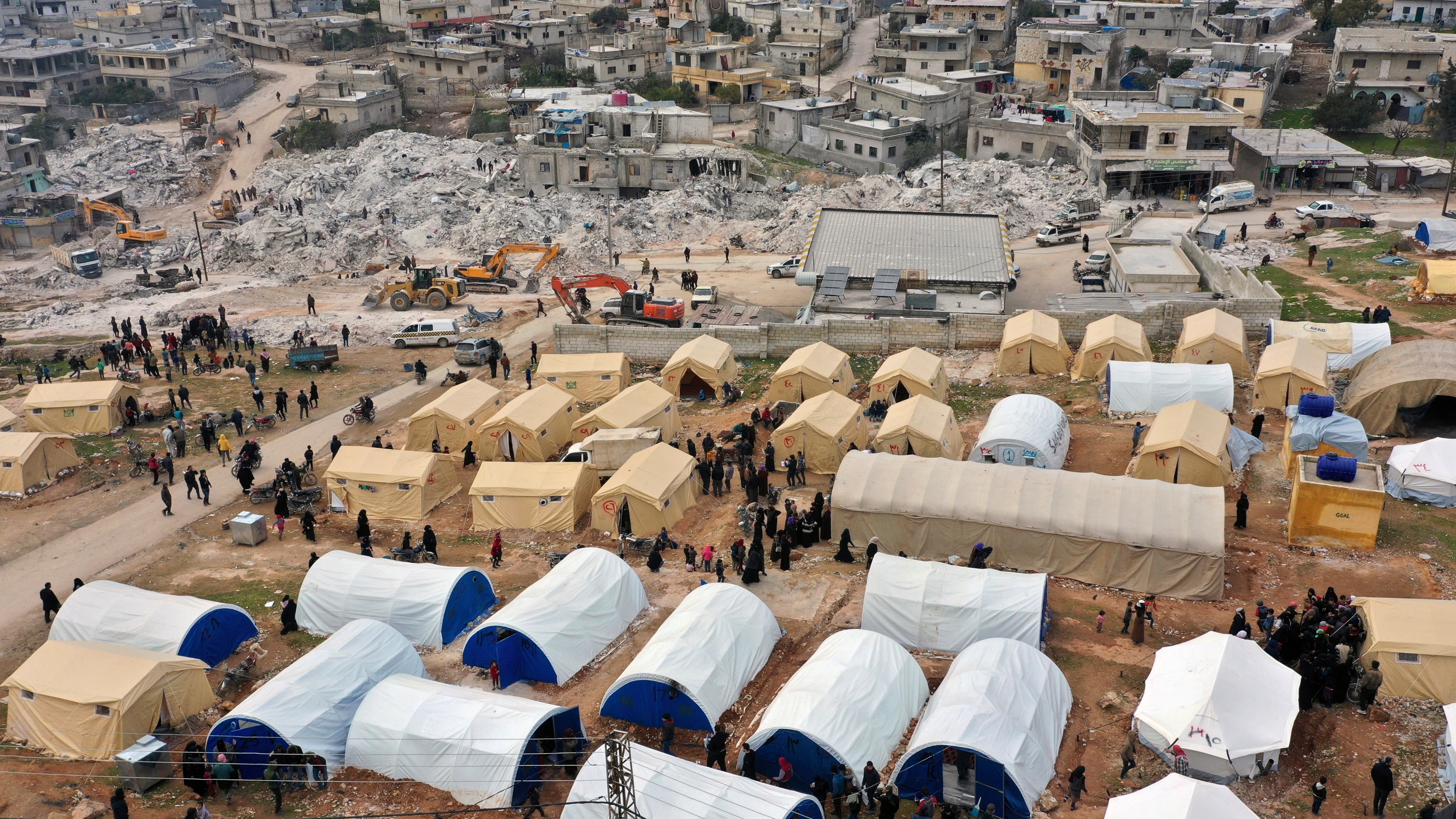
The biggest earthquake to strike Turkey in eight decades also wreaked new devastation in northwest Syria, an impoverished region that provides the last pocket of sanctuary for the opposition that rose up against President Bashar al-Assad's authoritarian government 12 years ago.
Before the quake, Syria's uprising-turned-civil war had already displaced half the country's pre-war population of 23 million. The Baydouns were among them, fleeing from their home in another part of the country for Jindayris four years ago.
Now the earthquake has caused a new wave of displacement, leaving them fearful for the future.