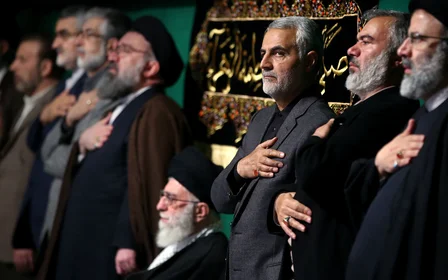
Live updates: US-Iran tensions after Qassem Soleimani's killing

Live Updates
Iraq's parliament passed a resolution on Sunday calling for the country's government to end the presence of foreign troops.
Parliament resolutions, unlike laws, are non-binding to the government, but Iraqi Prime Minister Adel Abdul Mahdi had earlier called on parliament to end foreign troop presence
A military adviser to Iran's Supreme Leader told CNN that his country will not be seeking war after the US assassinated one of its influential military commanders.
Speaking on Sunday, Hossein Dehghan, said that his country's response will be '"military and against military sites."
"Let me tell you one thing: Our leadership has officially announced that we have never been seeking war and we will not be seeking war," Dehghan said.
"It was America that has started the war. Therefore, they should accept appropriate reactions to their actions. The only thing that can end this period of war is for the Americans to receive a blow that is equal to the blow they have inflicted. Afterward they should not seek a new cycle."
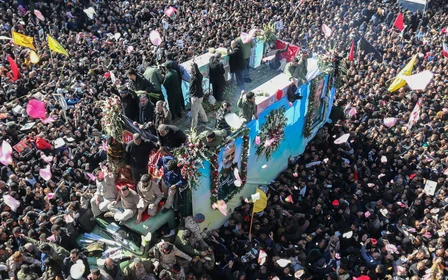
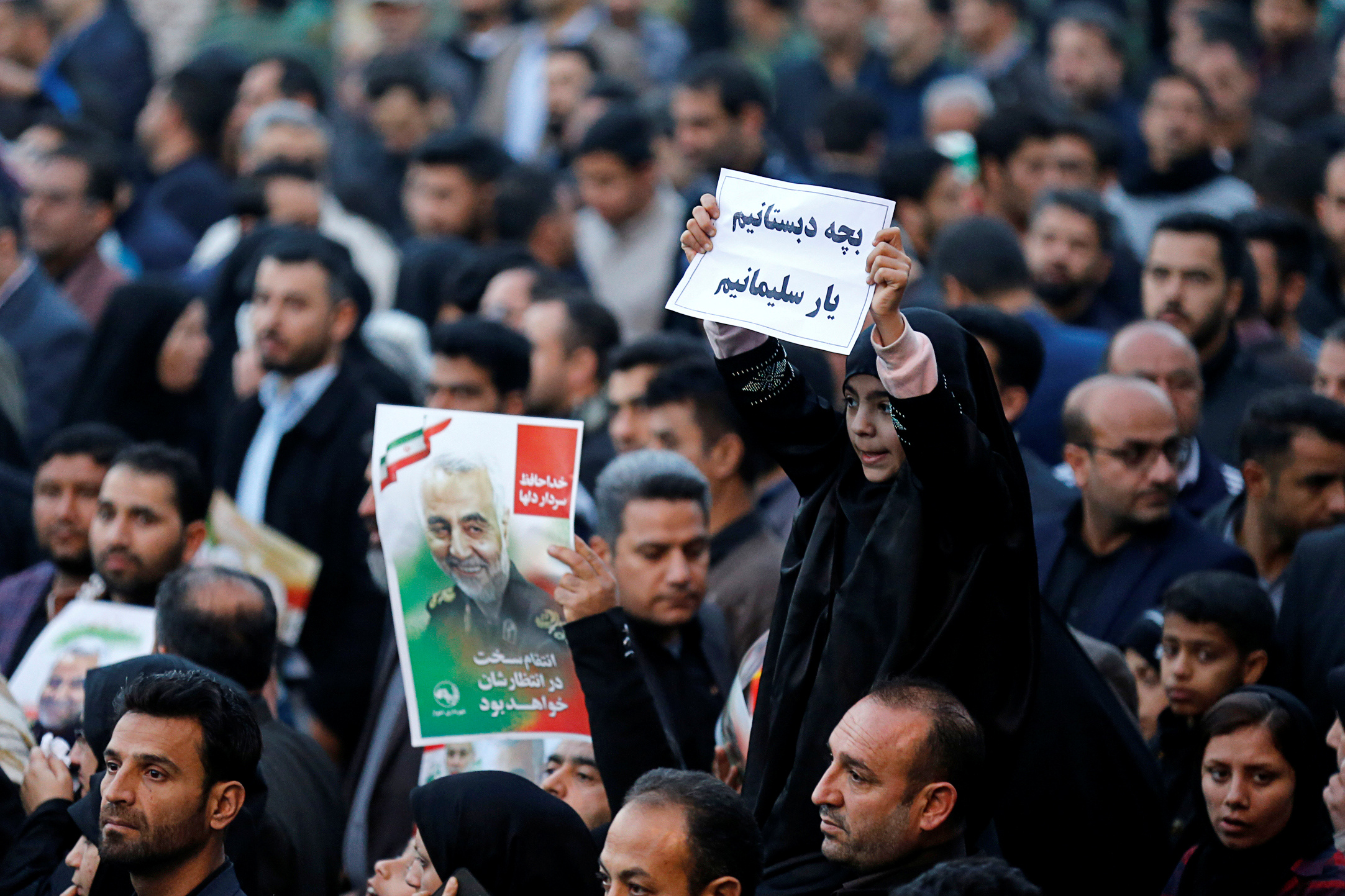
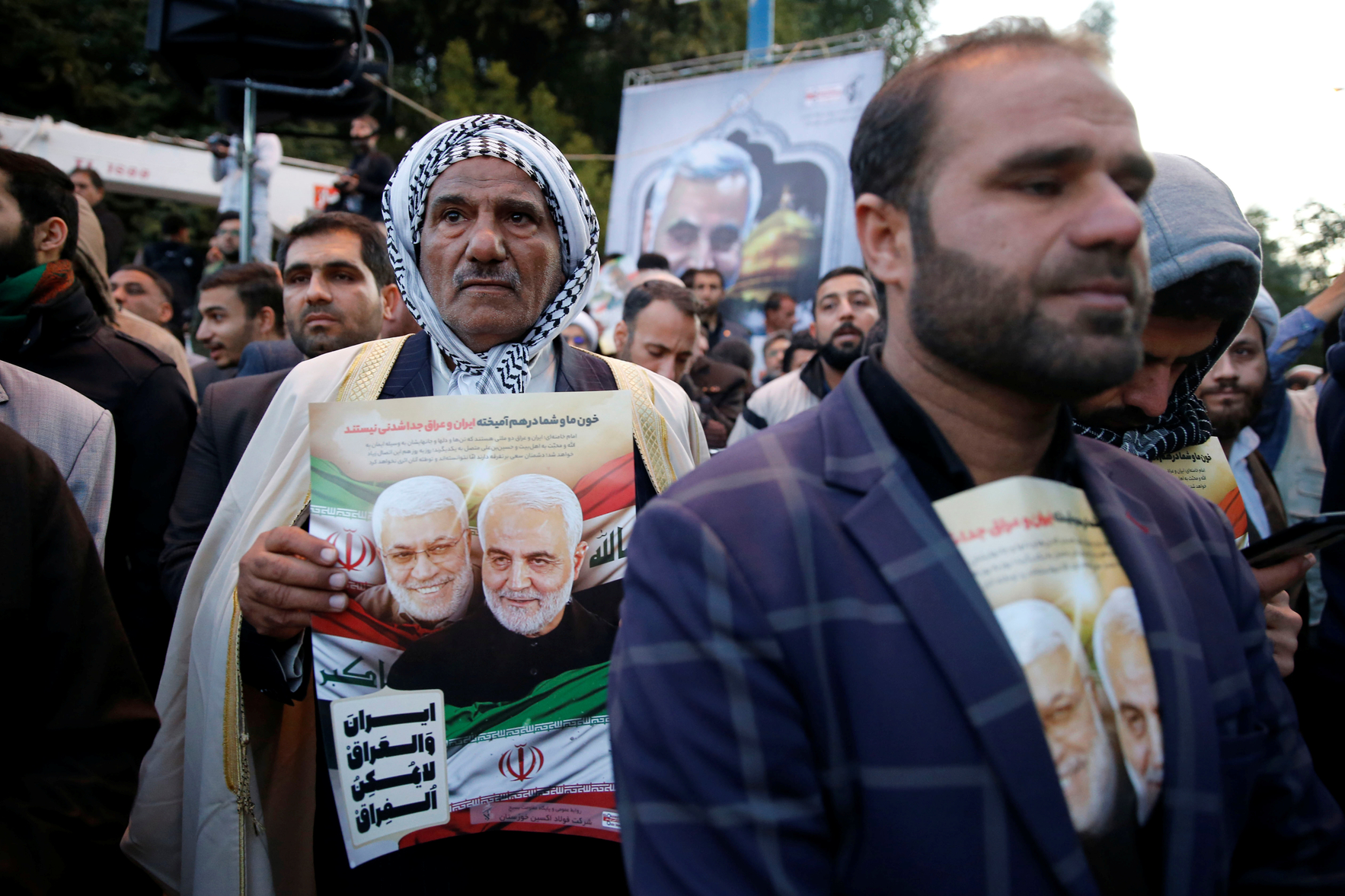
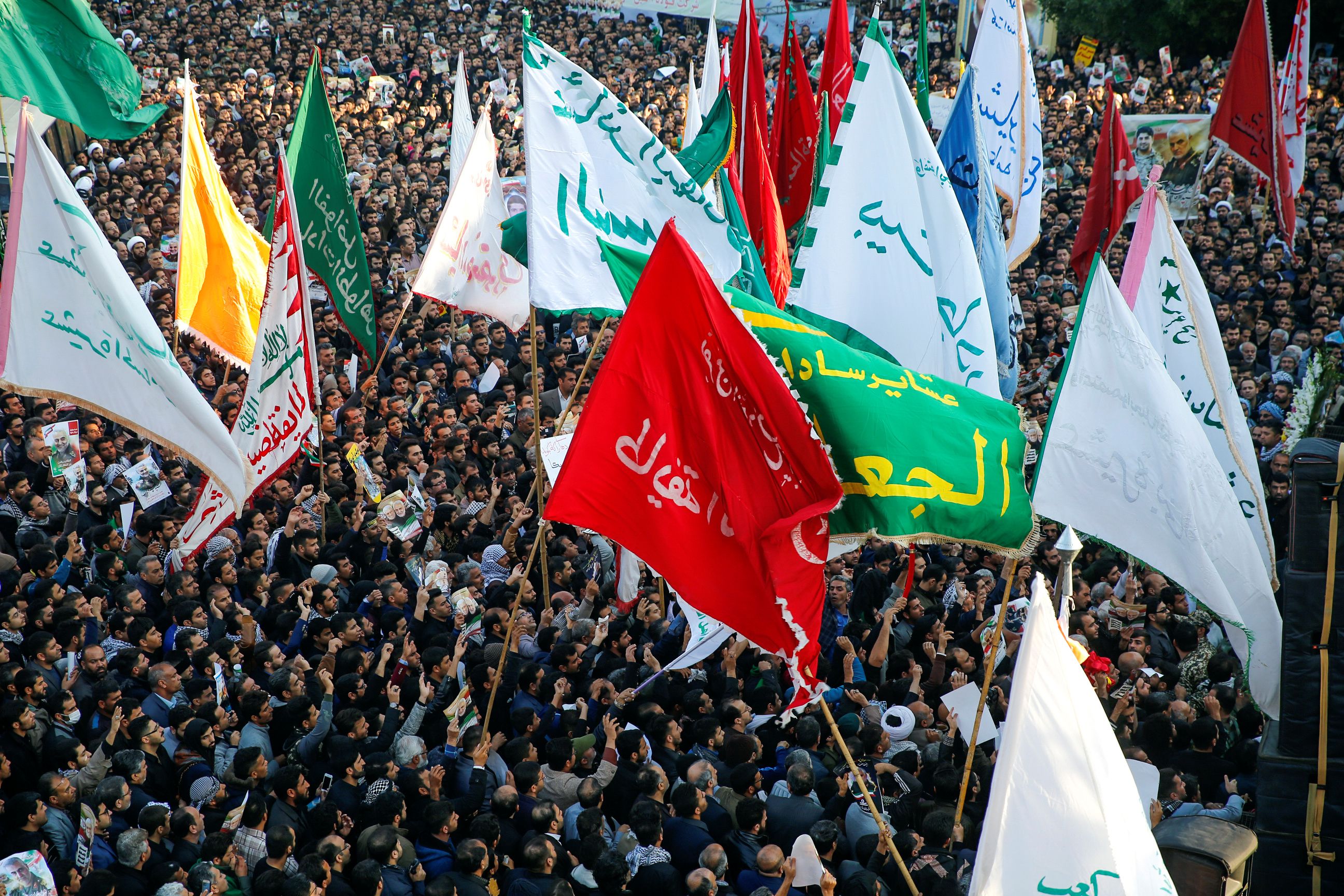
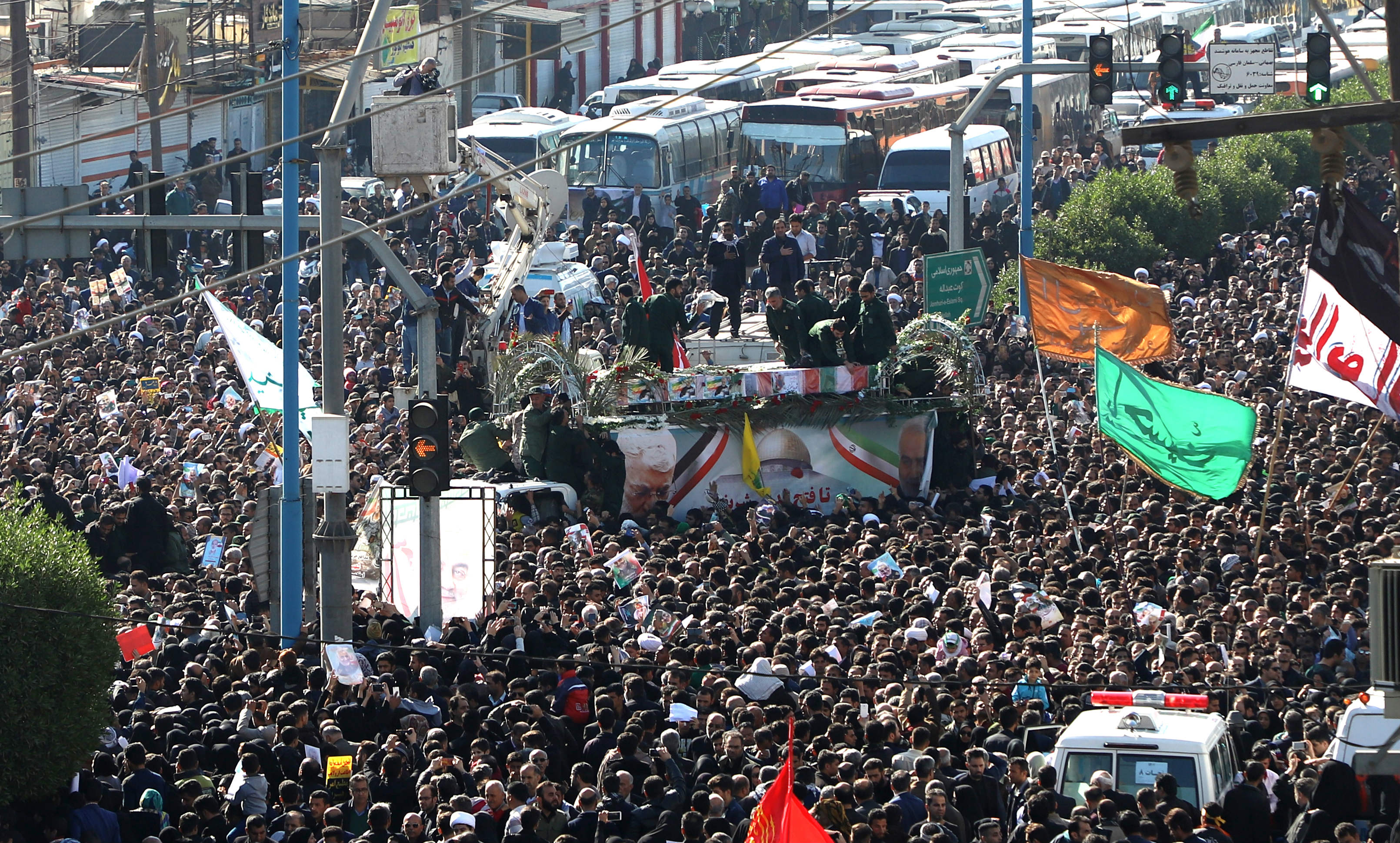
Thousands of Iranians lined the streets of Ahvaz in the first leg of a funeral procession to mark the death of Iranian General Qassem Soleimani.
Local authorities planned to take Soleimani's body to the holy city of Masshad on Sunday and Tehran and holy city of Qom on Monday, before burying him in his hometown of Kerman on Tuesday.
Saudi Crown Prince Mohammed bin Salman ordered his younger brother to travel to Washington and London to urge restraint as tensions rise between Tehran and Washington.
Unidentified sources told Asharq Al-Awsat newspaper that Deputy Defence Minister Khalid bin Salman will speak with western leaders in an attempt to ease tensions.
Gulf Arab states could be potential targets after US President Donald Trump ordered the assassination of Iranian general Qasim Soleimani.
Oman has called on the United States and Iran to seek dialogue to ease tensions, Oman News Agency reported, after a U.S. drone strike killed Iranian military commander Qassem Soleimani at Baghdad airport on Friday.
Oman, which maintains friendly ties with both the United States and Iran, has previously been a go-between for the two countries.
Tens of thousands attended the funeral process for General Qasim Soleimani in the Iranian city of Ahvaz.
The city is the first stop in the funeral procession after Soleimani's body arrived in Iran in preparation for his burial on Tuesday.
Saudi Arabia was not consulted by the United States over its decision to assassinate Iranian General Qasim Soleimani, a Saudi official said on Sunday.
"The kingdom of Saudi Arabia was not consulted regarding the US strike," a Saudi official told AFP, requesting anonymity.
"In light of the rapid developments, the kingdom stresses the importance of exercising restraint to guard against all acts that may lead to escalation, with severe consequences," the official added.
Iran has summoned the Swiss envoy over US President Donald Trump's threat to target 52 sites, including several cultural sites.
Tehran condemned Trump's comments and described his threat as similar to Mongol threats to ransack and pillage cultural sites.
UK Foreign Secretary Dominic Raab defended US President Donald Trump's decision to assassinate Major General Qasim Soleimani as an act of "self-defence".
Asked during an interview with the BBC on Sunday if the killing was legal, Raab said: "There is a right of self-defence."
"It was General Soleimani’s job description to engage proxies and militias ... to attack Western countries that were legitimately there and in those circumstances, the right of self-defence clearly applies," Raab told the BBC.
Iranian foreign minister Javad Zarif described any decision to target Iran's sites, including cultural sites, as a "war crime" hours after US President Donald Trump threatened such action.
Eliot Engel, the Democratic chair of the House Foreign Affairs Committee, said he will do everything he can to prevent war with Iran.
"We need to send a clear message to the White House: don’t plunge this country into an ill-conceived war against Iran," Engel said on Saturday.
The White House formally notified Congress of the strike that killed Soleimani on Saturday. Legislators received a classified memo, which a congressional aide described to Reuters as "brief and insufficient".
The Democratic Speaker of the House, Nancy Pelosi, was also unsatisfied with the notification.
"This document prompts serious and urgent questions about the timing, manner and justification of the Administration’s decision to engage in hostilities against Iran," Pelosi said in a statement.
She also decried Trump's "highly unusual" decision to classify the notification.
"The Trump Administration’s provocative, escalatory and disproportionate military engagement continues to put servicemembers, diplomats and citizens of America and our allies in danger."
Trump warned Iran against retaliating for Soleimani's death, saying that the US had identified 52 Iranian targets that would be hit if Americans are harmed.
More on Trump's comments here...
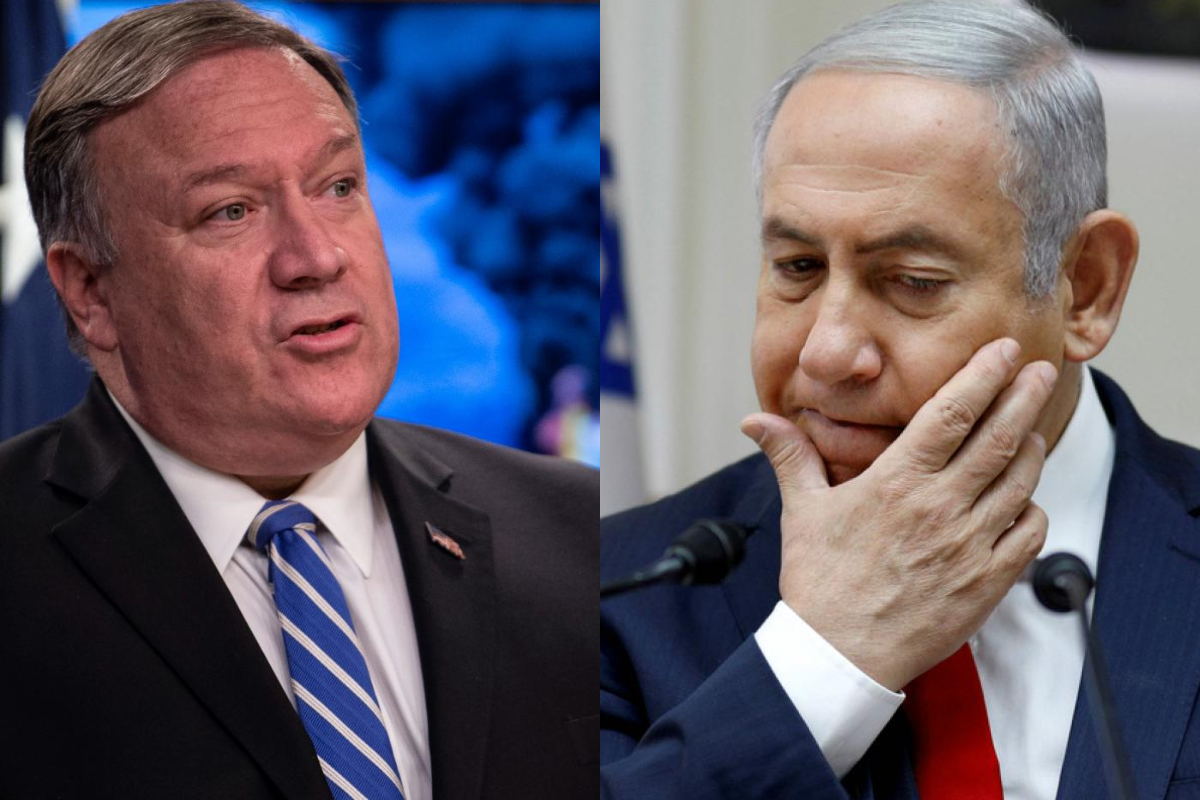
US Secretary of State Mike Pompeo has spoken to Israeli Prime Minister Benjamin Netanyahu for the third time this week.
"Secretary of State Michael R. Pompeo spoke today to Israeli Prime Minister Benjamin Netanyahu to discuss the situation in Iraq as well as Iran’s continued provocations and threats to the region," US spokeswoman Morgan Ortagus said in a statement on Saturday.
"The Secretary underscored the Trump Administration’s resolve in protecting American interests, personnel, facilities and partners."
Pompeo had phoned Netanyahu on Monday after US air strikes on Iran-linked paramilitary fighters in Iraq.
America's chief diplomat also spoke to the Israeli leader on Wednesday after Iraqi protesters attempted to storm the American embassy in Baghdad in response to the US attack.
"Secretary Pompeo thanked Prime Minister Netanyahu for Israel’s unwavering commitment to countering Iran’s malign regional influence and its condemnation of the December 31 attack on the US Embassy in Baghdad," Ortagus said at the time.
Wednesday's call came less than 36 hours before the assassination of Iran's top general Qassem Soleimani.
Britain's navy will once again accompany UK-flagged ships through the Strait of Hormuz to provide protection after the US killed Soleimani in an air strike, Reuters reported.
Britain was forced to escort its ships for a time last year after Iranian commandos seized a British-flagged tanker in the Strait.
The killing of Soleimani has raised fears that tankers may be targeted again.
British Defence Minister Ben Wallace said he had ordered the HMS Montrose and HMS Defender to prepare to return to escort duties for all ships sailing under a British merchant flag.