
Live: Israel says it will control bridges and area south of Lebanon’s Litani River

Live Updates
A pregnant Palestinian woman died on Thursday in the occupied West Bank from shrapnel wounds sustained after an Iranian missile attack, bringing the death toll from the incident to four, the Ramallah-based health ministry said.
Asil Samir Masalmeh, 32, who was six months' pregnant, died after missile fragments tore through a hair salon in the town of Beit Awa, near the city of Hebron, late on Wednesday, the ministry said.
The four women killed in the incident were the first Palestinians to die in the ongoing US-Israel war on Iran.
Palestinian authorities could not confirm if the shrapnel came from an Iranian missile or an Israeli interceptor used to shoot it down.
The health ministry said that a girl who was seriously injured in the blast was now in a stable condition in hospital.
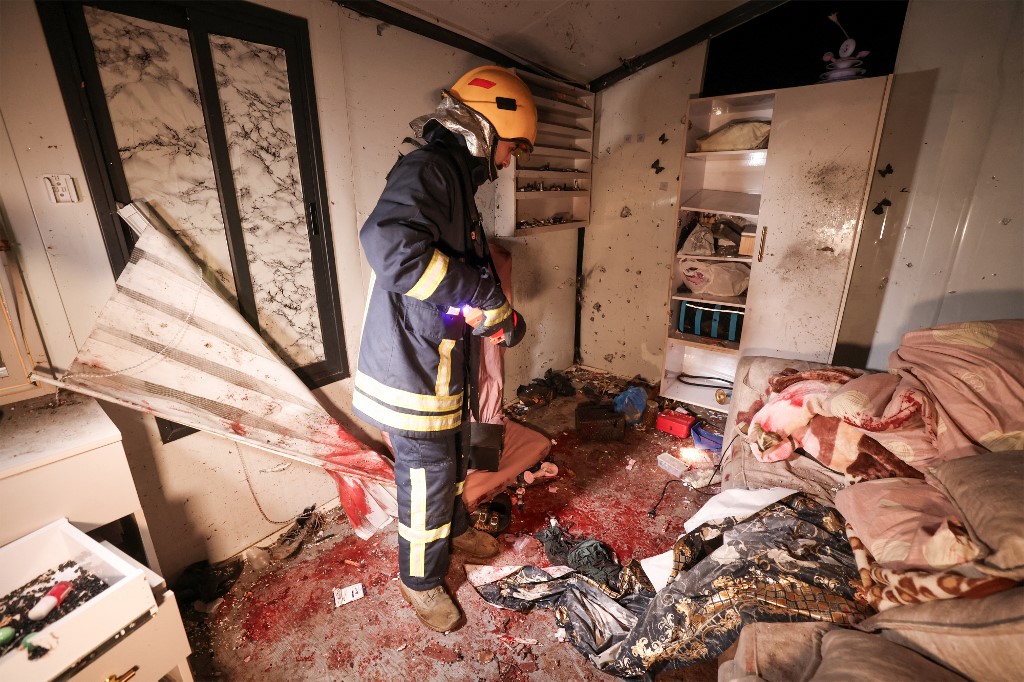

Iran's intelligence ministry has arrested 97 people for being "soldiers of Israel", state media reported on Thursday, in the latest round of a security sweep that has seen hundreds detained over alleged links to Israel and the US since the start of the war.
Earlier on Thursday, state media quoted the police commander of Alborz province as saying that 41 people were arrested for sending videos to foreign-based opposition media channels.
Israeli air strikes killed two people and wounded eight others in southern Lebanon’s Tyre district, the National News Agency reported.
Bazouriyah, Dabaal, al-Hawsh and Burj al-Shamali were among the towns in the district targeted by the Israeli strikes, the agency said.
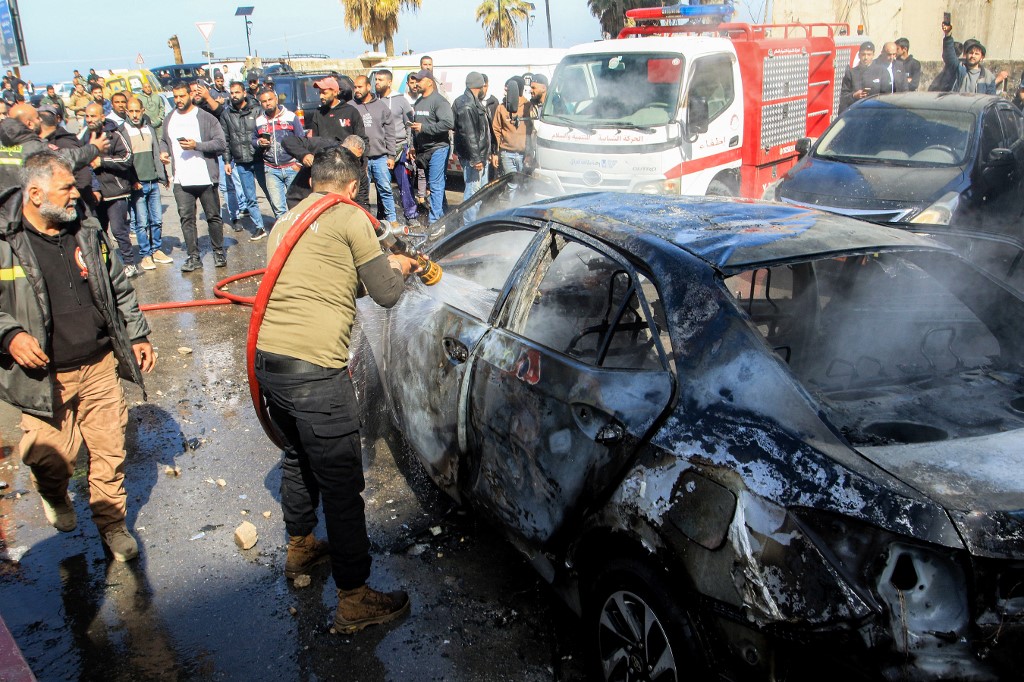
A drone attack near the northwestern city of Malekan in Iran has killed two people and injured three others, according to Tasnim news agency.
The attack came as an earlier Israeli-US attack killed 12 people earlier today in the western Dorud county.
China is clamping down on fertiliser exports to protect its domestic market, a number of industry sources said, putting an additional strain on global markets that were already grappling with shortages caused by the US-Israeli war on Iran.
China is among the largest fertiliser exporters - shipping more than $13bn worth of it last year - and it has a history of controlling exports to keep prices low for farmers. Fertilisers are essential for plant growth and crop yields.
Shipments through the war-blocked Strait of Hormuz account for roughly one-third of the sea-borne supply. In mid-March, Beijing banned exports of nitrogen-potassium fertiliser blends and certain phosphate varieties, sources told Reuters.
The ban, which has not been formally unveiled, was reported earlier this week by Bloomberg News.
Added to existing bans and export quotas for urea, only a handful of fertilisers - notably ammonium sulphate - can be exported, five sources said.
"This pattern is consistent: China restricts supplies rather than coming to the rescue during global tightness," said Matthew Biggin, a senior commodities analyst at BMI.
Reporting by Reuters
Iranian lawmakers have proposed a plan to impose tolls and taxes on ships passing through the strategic Strait of Hormuz, local media reported on Thursday.
"We in parliament are pursuing a plan under which countries will pay tolls and taxes to the Islamic republic if the Strait of Hormuz is used as a secure route for transit, energy and food security," Tehran lawmaker Somayeh Rafiei was quoted as saying by the ISNA news agency.
Oman’s foreign minister, Badr Albusaidi, said in an op-ed to The Economist that “America has lost control of its own foreign policy,” and Washington’s allies should help extricate it “from this unwanted entanglement”.
"This is not America's war," Albusaidi, who mediated the most recent indirect nuclear negotiations between the US and Tehran, wrote. He said, twice in nine months, the countries have been on the verge of a real deal, but Washington had made its "greatest miscalculation" by allowing itself to be drawn into the conflict.
“It was a shock but not a surprise when on February 28th – just a few hours after the latest and most substantive talks – Israel and America again launched an unlawful military strike against the peace that had briefly appeared really possible," Albusaidi said.
Iran’s retaliation against what it claims are American targets on its neighbours was an “inevitable, if deeply regrettable and completely unacceptable, result."
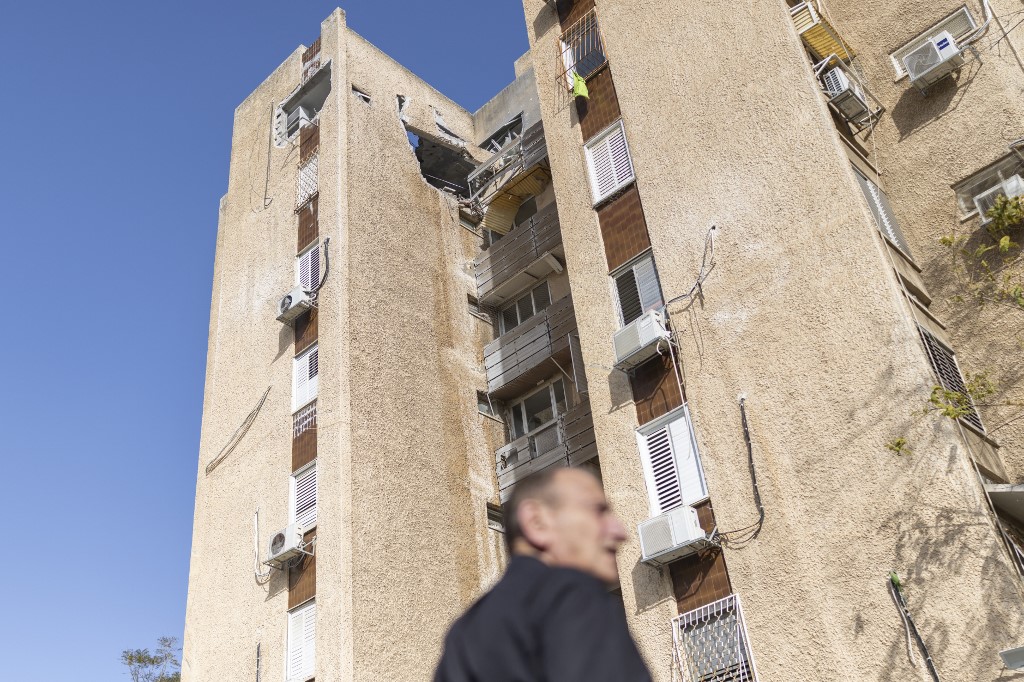
Three explosions were heard in Tel Aviv on Thursday after an Iranian missile alert, according to AFP.
The Israeli army had announced shortly before that it had "identified missiles launched from Iran towards the territory of the State of Israel" and added that the anti-aircraft defence had been activated to intercept them.
According to data published by the Israeli army, the missile launch from Iran, which targeted central Israel, is the sixth towards Israeli territory since midnight.
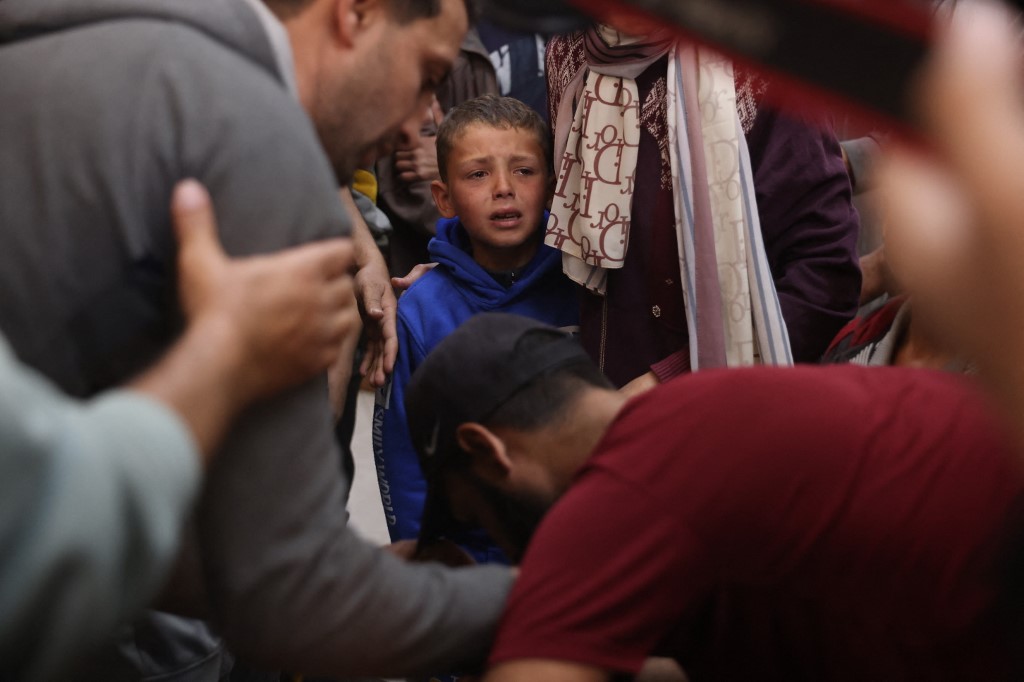
An Israeli drone strike killed two Palestinians in Gaza City’s Zeitoun neighbourhood, Al Jazeera reported, citing sources at al-Shifa Hospital.
The FBI has opened an investigation into a senior US counterterrorism official who quit in protest of the Iran war for allegedly leaking classified information, US media reported Wednesday.
Joseph Kent served as director of the National Counterterrorism Center (NCTC) until his resignation on Tuesday, writing to president Donald Trump that he could not "in good conscience support the ongoing war in Iran."
"Iran posed no imminent threat to our nation, and it is clear that we started this war due to pressure from Israel and its powerful American lobby," said Kent, a 45-year-old former special forces member.
The FBI investigation into Kent predated his departure, according to reports by outlets including the New York Times and CBS, both citing unnamed sources with knowledge of the situation.
A source told news website Semafor that the investigation was "months-long".
Kent is one of the highest-profile political appointees to resign in decades over a foreign war.
A fire erupted at a second refinery owned by Kuwait's national oil company after a drone attack, the information ministry said.
"One of the operational units of the Mina Abdullah refinery, belonging to the Kuwait National Petroleum Company (KNPC) was targeted by a drone attack, triggering a fire at the site," the ministry said on X.
The company's other oil refinery, Mina Al-Ahmadi, was also struck by a drone on Thursday, sparking a small blaze.
The Iranian foreign minister, Abbas Araghchi, has responded to a post on X by Emmanuel Macron, in which the French president called for a moratorium on attacks on civilian infrastructure.
“Macron has not uttered one word of condemnation of the Israel-US war on Iran. He did not condemn Israel when it blew up fuel storage in Tehran, exposing millions to toxins,” Araghchi said.
“His current ‘concern’ didn’t follow Israel’s attack on our gas facilities. It follows our retaliation. Sad!”
Macron has not uttered one word of condemnation of the Israel-US war on Iran. He did not condemn Israel when it blew up fuel storage in Tehran, exposing millions to toxins. His current "concern" didn't follow Israel's attack on our gas facilities. It follows our retaliation. Sad! https://t.co/lyfGbRm9NB
— Seyed Abbas Araghchi (@araghchi) March 19, 2026
China condemned on Thursday the killing of Iranian national security chief Ali Larijani by an Israeli air strike, calling it "unacceptable".
"We have always opposed the use of force in international relations. The acts of killing Iranian state leaders and attacking civilian targets are even more unacceptable," China's foreign ministry spokesman Lin Jian told a press conference, when asked about Larijani's death.
Iran’s foreign minister, Abbas Araghchi, reacted to the report that the Pentagon is seeking more than $200 billion to fund the war with Iran.
"We're only three weeks into this war of choice, imposed on both Iranians and Americans. This $200b is the tip of the iceberg," Aragchi said.
"Ordinary Americans can thank Benjamin Netanyahu and his lackeys in Congress for the trillion-dollar "Israel First tax" that's about to hit US economy," he added.
We're only three weeks into this war of choice, imposed on both Iranians and Americans.
— Seyed Abbas Araghchi (@araghchi) March 19, 2026
This $200b is the tip of the iceberg. Ordinary Americans can thank Benjamin Netanyahu and his lackeys in Congress for the trillion-dollar "Israel First tax" that's about to hit U.S. economy. pic.twitter.com/a2dsMQh3fK
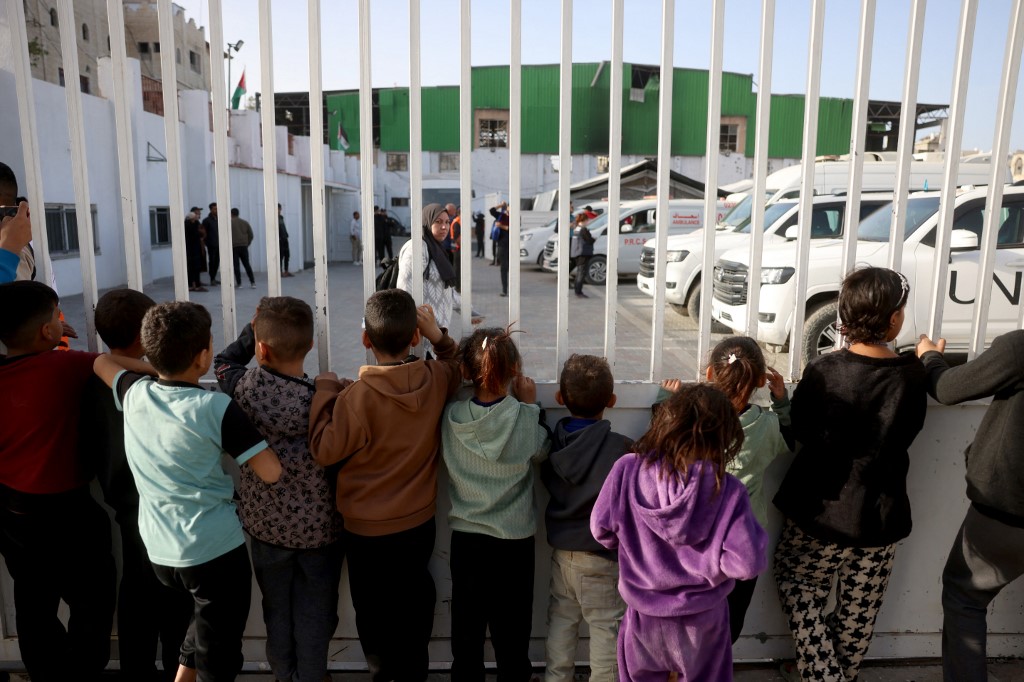
Gaza's Rafah crossing with Egypt reopened on Thursday, Egyptian state-linked media reported, for the first time since Israel closed it on 28 February when it launched joint strikes on Iran with the United States.
Al-Qahera News, which is close to Egypt's intelligence services, said the crossing had reopened "in both directions" and aired footage showing a small number of Palestinians - including those who had been receiving medical treatment in Egypt - preparing to cross from the Egyptian side back into Gaza.
The footage also showed several ambulances waiting to receive Palestinian patients coming out of the Strip.