The agonising wait for Gaza’s missing

Three years into Israel’s genocide in Gaza, Palestinian families are still searching for answers about thousands of relatives who vanished during the war.
Some disappeared during Israeli ground attacks on their neighbourhoods or displacement camps. Others went missing while searching for aid, checking on their homes or travelling near the so-called Yellow Line.
For their families, the absence of any definitive answer has left them suspended between hope and grief, unsure whether to keep waiting or begin mourning.
According to the Independent Commission for Human Rights, more than 11,000 people in Gaza remain unaccounted for, including those believed to be buried beneath the rubble and those suspected of enforced disappearance.
The Palestinian Centre for Missing and Forcibly Disappeared estimates that between 2,500 and 3,000 people are suspected of enforced disappearance, having gone missing or lost contact with their families since the start of the war and through the ceasefire announced on 9 October 2025.
New MEE newsletter: Jerusalem Dispatch
Sign up to get the latest insights and analysis on Israel-Palestine, alongside Turkey Unpacked and other MEE newsletters
Their fate remains unknown, with Israeli authorities still withholding the names of all those detained from the Strip and failing to identify approximately 620 bodies returned to Gaza.
For the families left behind, the disappearance of a loved one has become a daily ordeal. They live with the agonising uncertainty of not knowing whether their relatives are alive, detained, buried beneath the rubble or among the unidentified dead.
Middle East Eye spoke to three families whose relatives disappeared during the war about their hopes, fears and the long wait for answers.
Nidal al-Waheedi, 32 (at the time of disappearance)
“If I knew he had been killed, I would have accepted it like everyone else. But we do not even know whether he is alive or dead.”
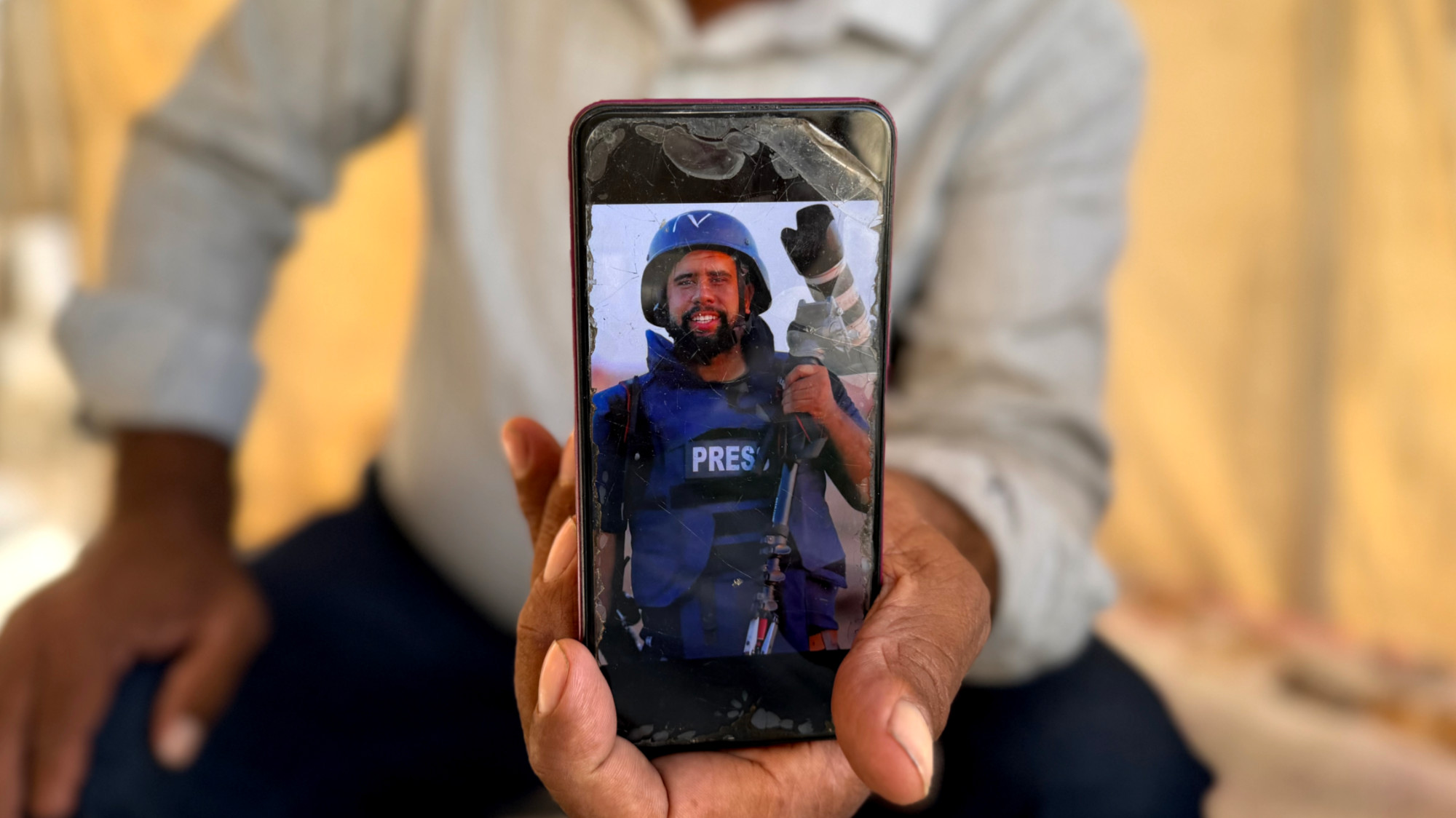

Inside a small tent on al-Nafaq Street in central Gaza City, Nidal al-Waheedi’s parents scroll through photographs of their son on a mobile phone.
The pictures are among the few things they have left of him after their home was bombed and his belongings destroyed.
“We have nothing to do but look at his pictures and wait,” his father, Suhail al-Waheedi, 62, told Middle East Eye.
'He was the backbone of our family'
- Suhail al-Waheedi, Palestinian father
“For three years, all we have done is wait and hope for any news about our son.”
Nidal, a journalist, disappeared in the early hours of 7 October 2023. He had left with colleagues to cover events at the Erez crossing in northern Gaza following the Hamas attack on the Israeli checkpoint. Minutes after arriving at the site, his family lost contact with him.
“Nidal is never far from our thoughts. We try to stay hopeful and keep waiting for some word from him,” his father said.
But the family has also grown increasingly frustrated with rights organisations. Al-Waheedi said he contacted the Red Cross and other organisations, but received no information about his son.
“None of the appeals we made to rights organisations helped us. In this war, sadly, there is no respect for human rights.
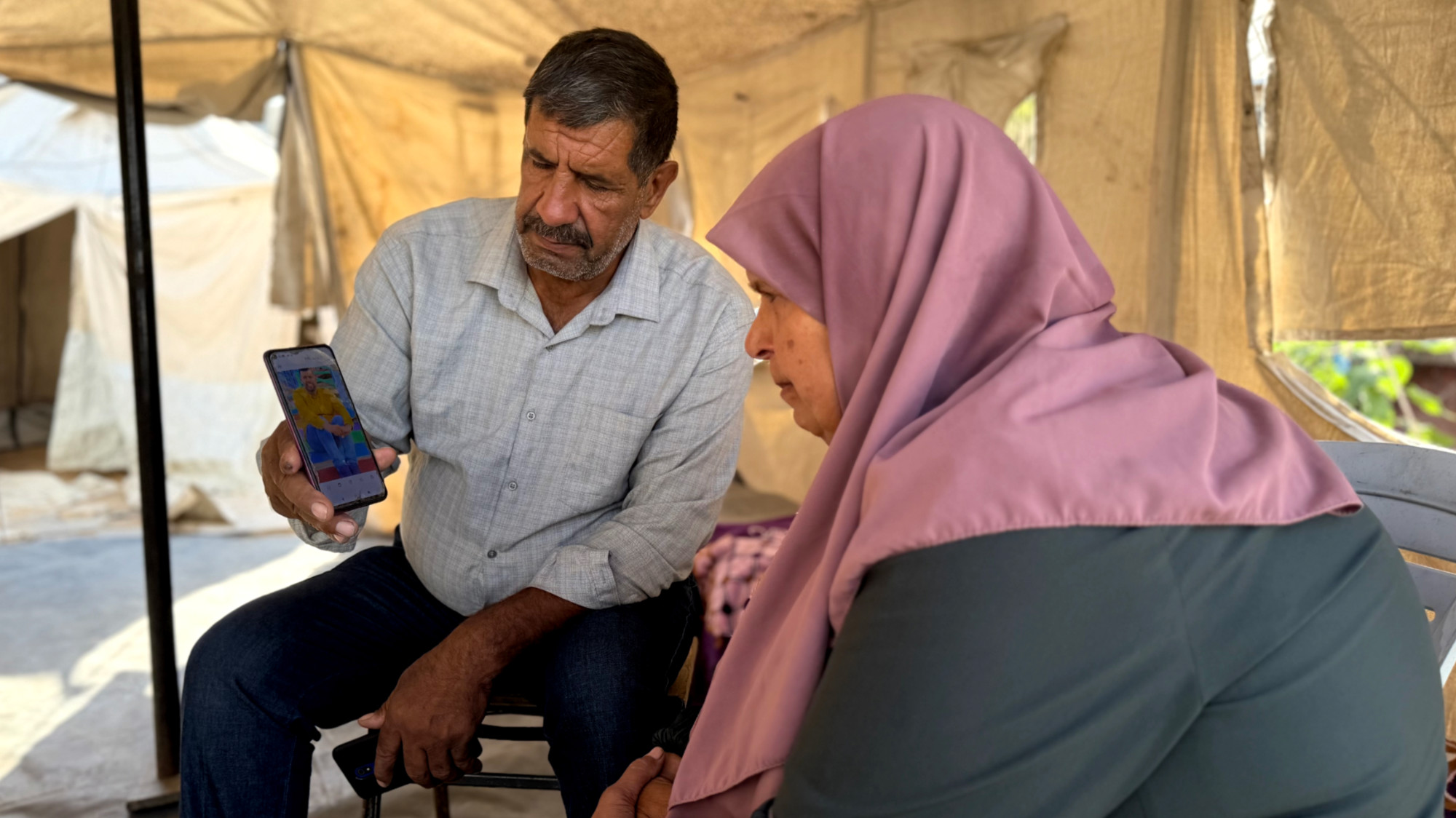
For al-Waheedi, what hurts most is not only not knowing what happened to his son, but living without the person he once relied on every day.
“Nidal was not just our son. He was our friend, the backbone of our family and my righthand man. I miss him most now. I keep thinking about how much easier these difficult days would be if he were here.”
Saeed Hajjaj, 59, and Qasem Hajjaj, 17 (at the time of disappearance)
“The pain of losing my father and brother has left us in a constant state of grief. We do not attend weddings, and we have not eaten sweets for more than two years.”
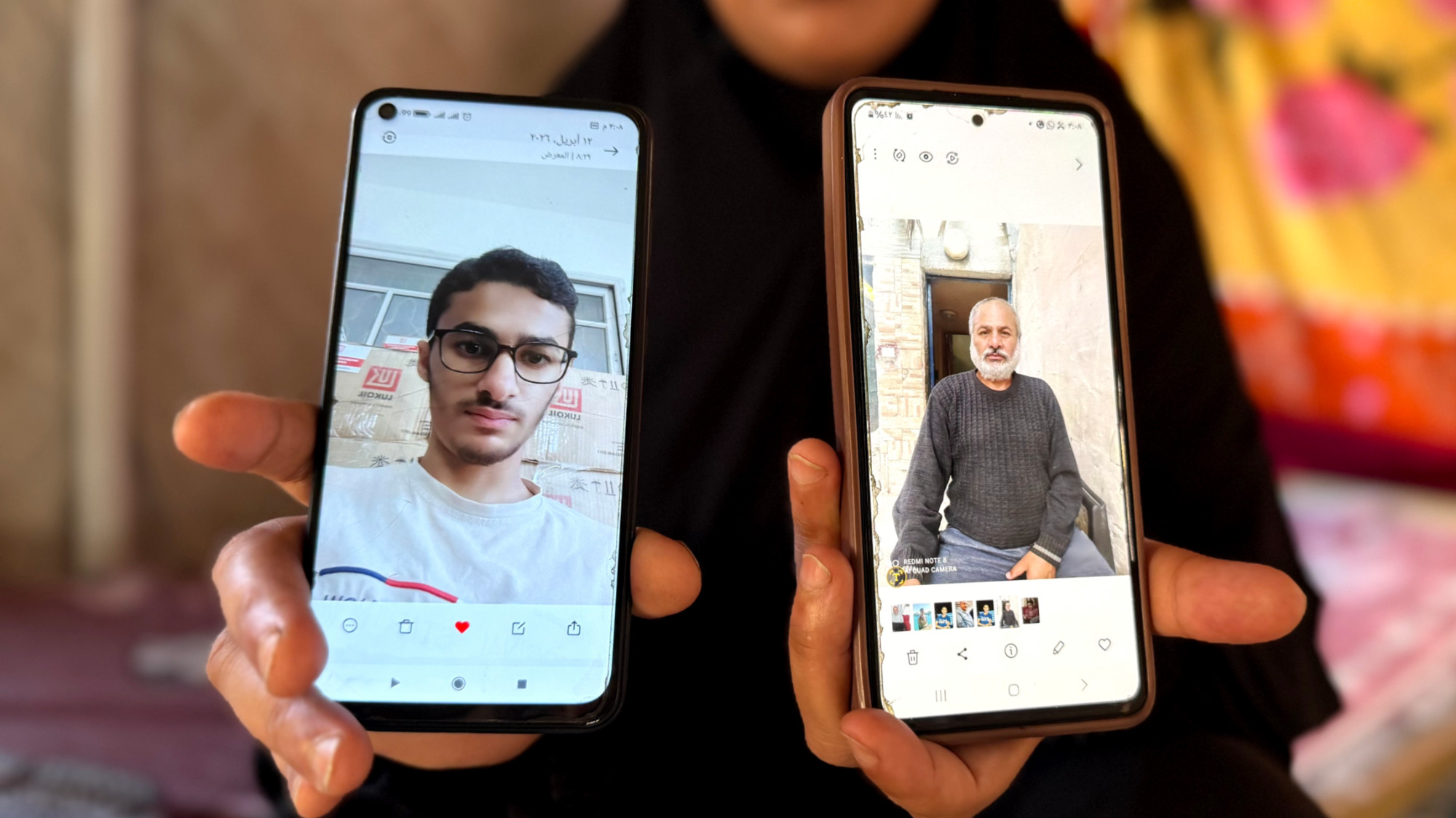
Before going to sleep, Mona Hajjaj, 52, sits on her mattress inside the tent where she is displaced at Palestine Stadium in central Gaza City.
After taking her heart medication, she and her two daughters talk about memories of her husband, Saeed, and son, Qasem. The family lost contact with both men on 26 December 2023.
“My mother developed heart problems from the grief of losing my father and younger brother,” Nisreen Hajjaj, 35, told MEE.
“Her eyesight also became weaker because she cried day and night, missing them and not knowing what had happened to them.”
The family had been staying with relatives in Sheikh Radwan, northern Gaza City, when they became trapped on 20 December during the Israeli invasion.
After raiding the area and destroying surrounding homes, Israeli forces stormed Hajjaj’s house.
The women were forced to leave for southern Gaza, while the men were detained.
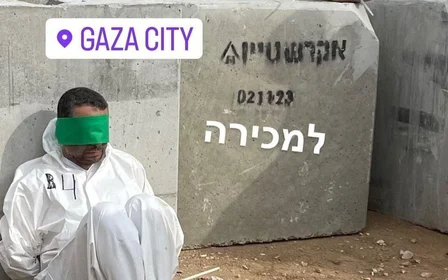
“The last time we saw my father and brother was when they were naked, handcuffed, tortured and humiliated. Since then, we have known nothing about them - where they are or what condition they are in,” Nisreen said.
The family has contacted rights organisations seeking information, but received no answers.
'They are still part of our lives, but we do not know whether to mourn them or wait for them'
- Nisreen Hajjaj, Gaza resident
The uncertainty has seeped into every part of their lives.
“They are still part of our lives, but we do not know whether to mourn them or wait for them,” Nisreen said.
“We have been left without the people we depended on. Sadly, support organisations do not deal with us because they are not listed as martyrs or prisoners.”
Hajjaj refuses to accept that they may have died in the incident without official confirmation. Even after all these years, she still hopes to hear news about them.
“My sister was offered a scholarship to cover her university expenses, but we had to provide a death certificate. We refused and gave up the scholarship because we do not want to accept that fate while there is still a glimmer of hope that he may come home alive.”
The Hajjaj family’s loss has affected more than their finances and daily lives; it has also taken away the family moments they had hoped to share.
“My brother’s wife was nine months pregnant, and my father was eagerly waiting to meet his first grandchild,” said Nisreen.
“Becoming a grandfather was his dream. When that finally happened, he was not there.”
Mohammad Mazen Abu Shaaban, 46 (at the time of disappearance)
“What hurts us most is when his children ask: Where is our father? Why can’t we see him anymore? When will he come back?”
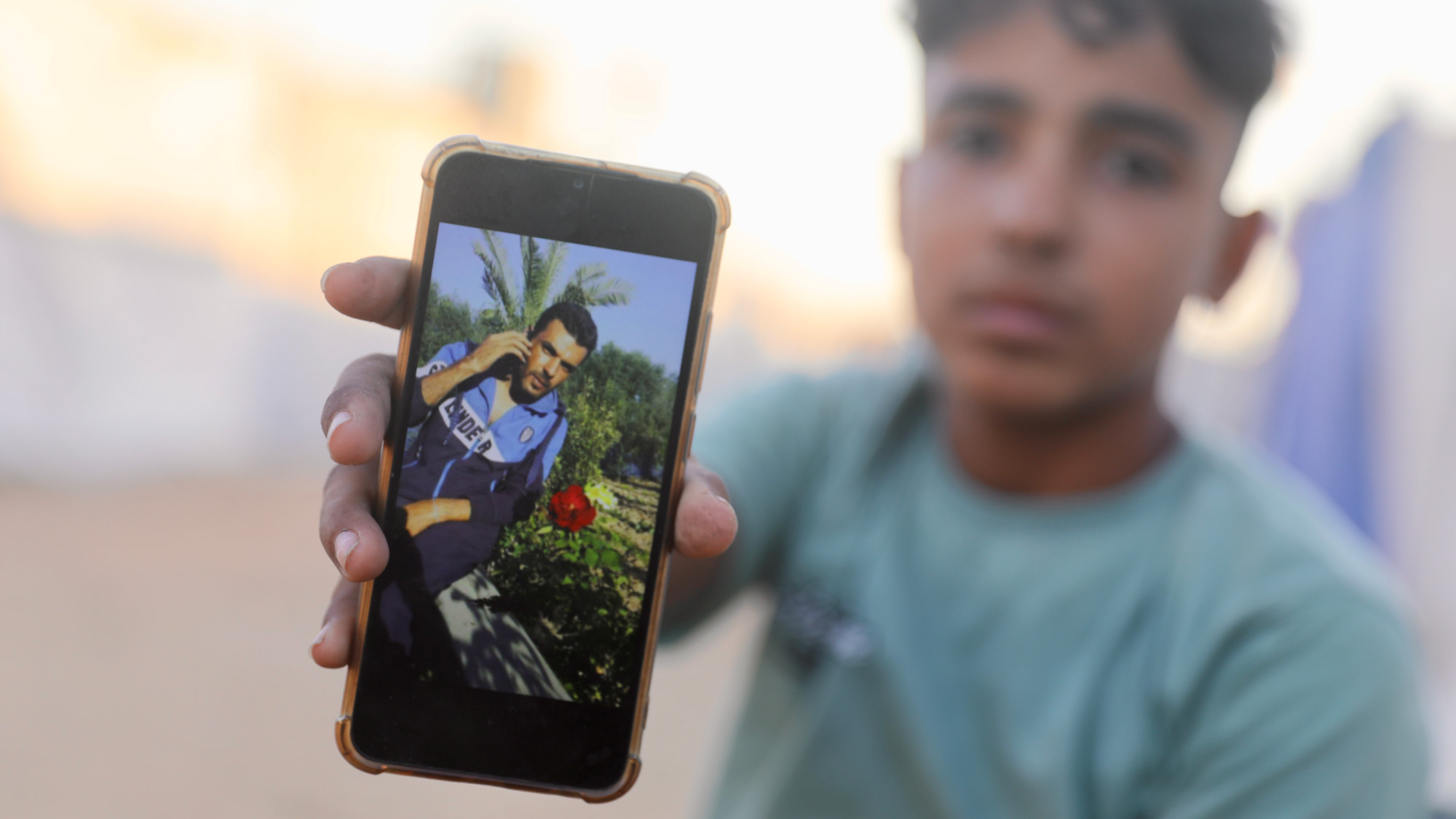
In a WhatsApp group set up by families searching for missing relatives in Gaza, Alaa Abu Shaaban, 48, posts a photograph of his younger brother, Mohammad, asking if anyone had seen or heard from him.
As Israeli bombs began raining down on Gaza on 7 October 2023, Alaa went to bring Mohammad’s family from their home in eastern Deir al-Balah to the family home, away from the areas near the fence separating Gaza and Israel. His wife and children left with Alaa. Mohammad chose to stay.
“He told me things would end soon, and there was no point leaving the house empty,” Alaa told MEE.
'For three years, we have not known what happened to my brother'
- Alaa Abu Shaaban, Gaza resident
“We spoke that afternoon and tried to convince him to leave. He said he would leave and come. That was the last time we spoke before we lost contact with him.”
Two months later, a relative received a message from Mohammad’s phone. He said he was in the Kissufim area, an area inside Israel adjacent to Deir al-Balah, and asked them to come and get him. But the family could not reach the area because it was too dangerous.
“For three years, we have not known what happened to my brother, how he disappeared, where he is or whether he is alive,” Alaa said.
“Some released prisoners told us they had heard his name in Ofer prison. We contacted all the rights organisations, but received neither confirmation nor denial.
“We have lived through this painful wait all this time. We now look after his family. But his eldest son was killed while waiting for aid.”
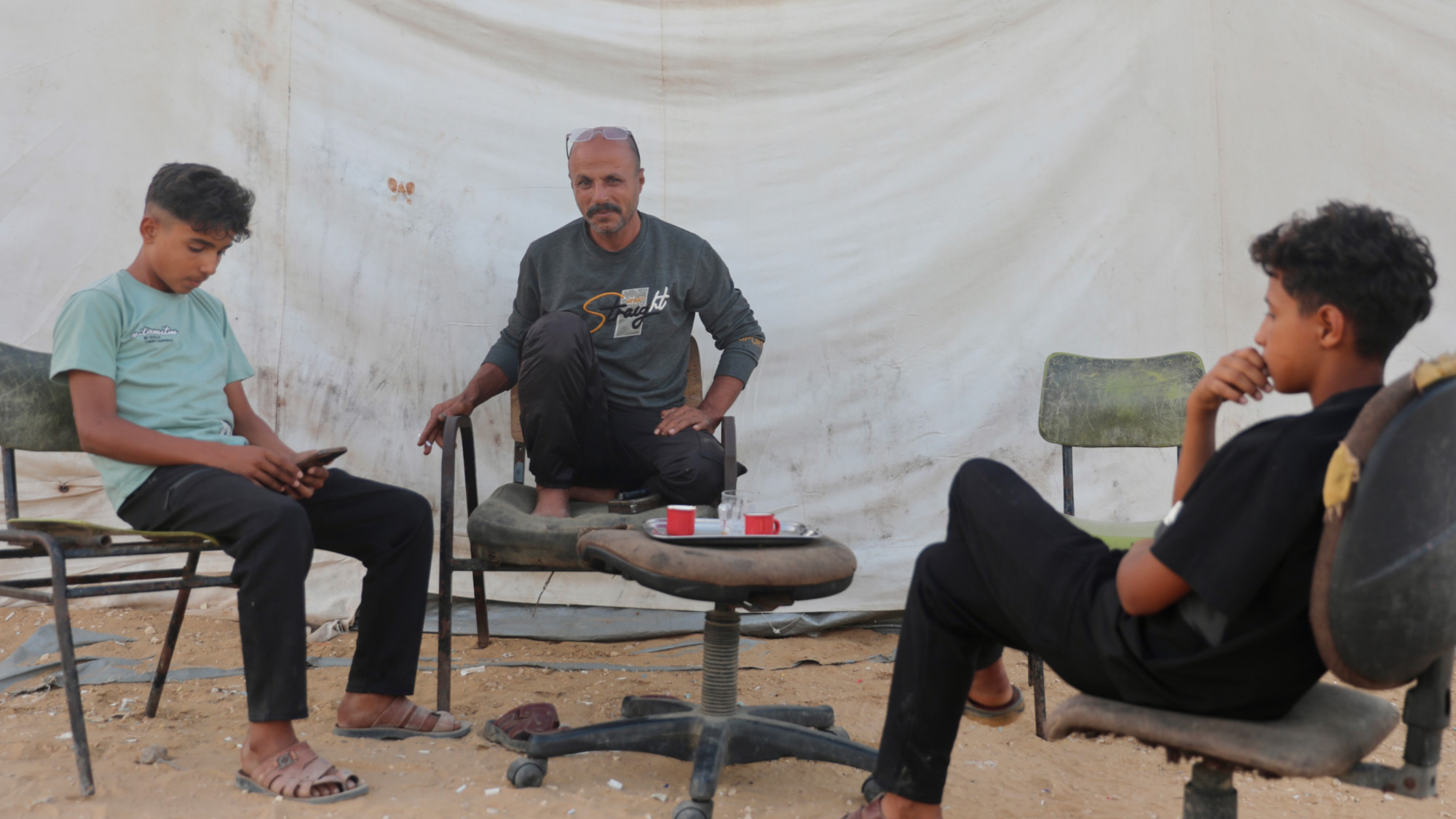
Abu Shaaban said the uncertainty had taken a heavy toll on his elderly parents’ health.
“My father and family believe Mohammad will come back one day. They hold on to that hope despite the pain. But not knowing anything about him leaves them overwhelmed with anxiety and grief,” he said.
Now, Alaa waits for released detainees, showing them his brother’s photograph and asking whether they saw him or heard his name.
“Many nights, I fall asleep in tears because I miss my brother and the support he gave me. It also breaks my heart that his eldest son was killed and we could not protect him while his father was gone,” he said.
Middle East Eye delivers independent and unrivalled coverage and analysis of the Middle East, North Africa and beyond. To learn more about republishing this content and the associated fees, please fill out this form. More about MEE can be found here.