Assad sets elections date as government endorses partial ceasefire deal

The Syrian government on Tuesday announced its acceptance of a cessation of hostilities agreement negotiated by Russia and the US and said that parliamentary elections in the country would take place in April.
The ceasefire agreement is set to come into force on 27 February, with all opposition and government troops willing to abide by the terms of the truce required to confirm their agreement to either the US or Russia before noon the day before.
But the statement said the government would "continue counter-terrorism efforts" against the Islamic State (IS) group and al-Qaeda-affiliated groups, which are also recognised as terrorist organisations by the US and the UN.
The High Negotiations Committee (HNC), which is considered the leading Syrian opposition group, gave its conditional acceptance to the deal late on Monday.
The ceasefire agreement was announced one day after IS claimed responsibility for two attacks in government-controlled areas that killed 134 people near a shrine south of Damascus and at least 64 in the central city of Homs.
New MEE newsletter: Jerusalem Dispatch
Sign up to get the latest insights and analysis on Israel-Palestine, alongside Turkey Unpacked and other MEE newsletters
It also followed a weeks-long offensive by the Syrian army and its allies against rebels in the northern Aleppo province and other areas of the country that has been backed by Russian air strikes.
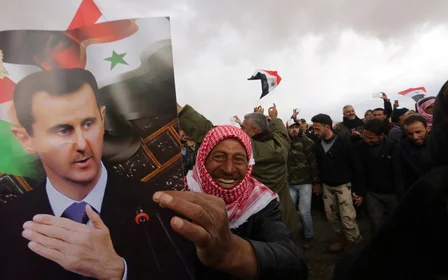
Meanwhile, Syrian President Bashar al-Assad issued a decree for parliamentary elections across Syria’s 15 provinces to take place on 13 April.
The last parliamentary elections took place in 2012, which marked the first time multiple parties were allowed to run alongside the ruling Baath party.
On that occasion, more than two-thirds of 250 members of parliament elected came from the Baath party or from the government's National Unity List coalition.
Independent MPs and members of the opposition Popular Front for Change and Liberation currently hold 82 seats.
Most opposition parties boycotted the last elections, which formed part of a United Nations-backed peace plan which never gained traction as the country's civil war escalated.
Rijab Hijab, who was appointed prime minister by Assad following the 2012 vote, subsequently defected and now leads the opposition HNC from Riyadh in Saudi Arabia.
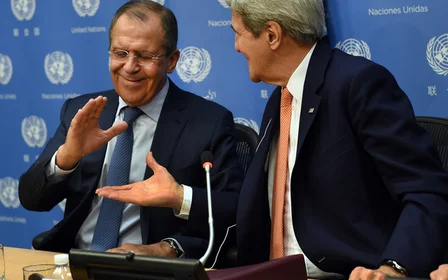
In a joint statement announcing the ceasefire agreement, the US and Russia called on the opposition and the Syrian government to allow “rapid, unhindered and sustained” humanitarian aid access to all areas.
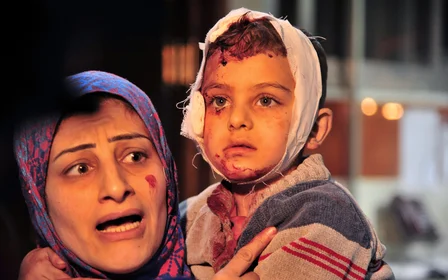
More than 470,000 people have been killed since civil war broke out in Syria in March 2011, according to a recent study. Millions have been forced to flee their homes, causing major refugee problems in neighbouring countries and Europe.
At a meeting in Vienna last November, world powers agreed on an ambitious but as yet to be implemented road map that outlined six months of talks leading to a new constitution and free elections within 18 months. Efforts to resolve the conflict have been undermined by disputes over who should represent the disparate opposition groups, and international disagreement over the future of Assad.
The US says that Assad must step down before a lasting peace can be established, while Russia favours the current Syrian president remaining in power while negotiations take place
Middle East Eye delivers independent and unrivalled coverage and analysis of the Middle East, North Africa and beyond. To learn more about republishing this content and the associated fees, please fill out this form. More about MEE can be found here.