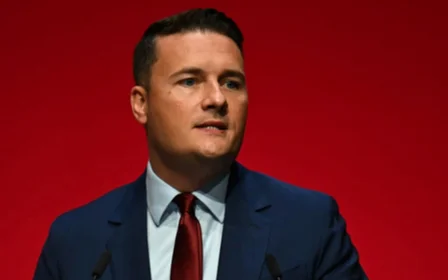

Gorton and Denton by-election: Inside the Reform-Green battle for crucial Labour seat

The exact location of Reform UK’s Gorton and Denton campaign headquarters has become one of northern England's most curious secrets.
By the time I arrived in the Greater Manchester constituency on Wednesday, I had failed to track down the building online.
The area is the site of a ferocious three-way battle between Labour, Reform and the Greens for a crucial by-election on 26 February. (You can find a full list of candidates here.)
It's a contest that comes as Labour Prime Minister Keir Starmer licks his wounds from an Epstein-related scandal that cost him his chief of staff, Morgan McSweeney, and dear ally Peter Mandelson.
On the ground in the constituency, I was pointed towards the Malbern Industrial Estate in a quiet corner of Denton.
New MEE newsletter: Jerusalem Dispatch
Sign up to get the latest insights and analysis on Israel-Palestine, alongside Turkey Unpacked and other MEE newsletters
That's where Starmer's main challengers for government, Reform, had apparently set up camp, hoping to turn their commanding lead in the polls into another seat in parliament.
The surrounding area was quiet, the estate itself almost silent.
But as I arrived, the headquarters was impossible to miss: a huge warehouse loomed into view.
To dispel any doubts that I had the wrong place, it had a huge, turquoise poster on one side showing party leader Nigel Farage with the local candidate, Matt Goodwin.

And there he was: Goodwin himself, emerging from the warehouse with his entourage. I tried to interview him but was told he was unavailable. The former academic – now a GB News presenter – disappeared into a car and was driven away.
Security was suspicious and tried to stop me talking to an affable member of the campaign team, who had struck up a conversation and said it was “nice to see young people” around.
Eventually, though, the communications manager emerged and I was admitted inside.
One side of the warehouse was empty, while the other contained a sleek, professional workspace with a small team on the computers. A giant Union Jack was hung along one of the walls, lest anyone doubt the party’s patriotism.
I met Sarah Pochin, Reform’s MP for nearby Runcorn, who was elected last year and famously called for a ban on the burqa in her maiden speech to Parliament.
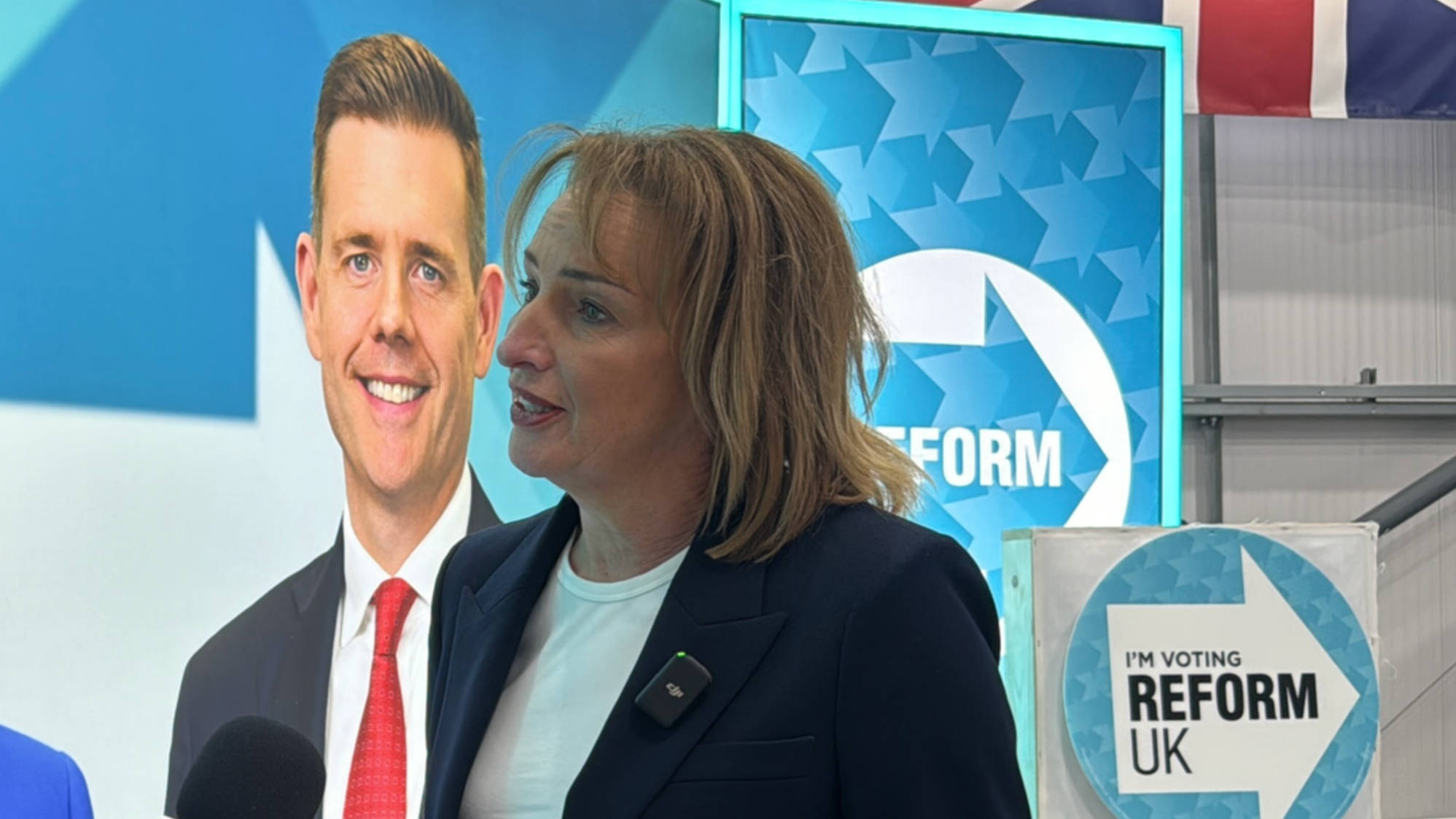

“It's a key by-election for Reform,” Pochin told me. “The two main parties historically in this country, the Conservatives and the Labour Party, for different reasons have really fallen by the wayside, certainly nationally.”
She said the constituency was “desperate for a strong voice to stand up for people that, quite frankly, have been forgotten by the people down in London, in the Westminster bubble, as we call it”.
A crucial contest
The national press, the major parties and Starmer himself are all watching Gorton and Denton.
Demographically, the constituency is split into the Gorton side, which is more ethnically diverse, and Denton, which is more white working class. Both traditionally voted Labour, but in recent years the right-wing Reform party has made inroads among white communities.
This crucial by-election, called after the seat's Labour MP stood down due to ill health, is widely seen as a referendum on Starmer himself.
In January, the Labour Party's ruling national executive committee blocked Greater Manchester Mayor Andy Burnham, widely seen as a potential challenger to Starmer's prime ministerial position, from standing for the seat.
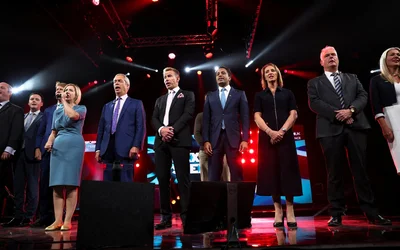
The candidate eventually selected, a local councillor, Angeliki Stogia, does not have a national profile.
Gorton is an area that has voted Labour since 1935, and if the party loses, Starmer will face fury from among his own MPs.
But the contest – to be decided by 76,000 potential voters – is also being seen as a significant test for the Greens and Reform, which represent diametrically opposed visions for the country.
The Green Party has surged in the polls following the election last summer of leader Zack Polanski and leads among young people, while Reform has been dominating in national polls for months.
This is a relatively poor constituency, ranking 16th in deprivation and child poverty across England and Wales.
It’s also diverse: around 44 percent of people in Gorton and Denton are from ethnic minorities and just over a quarter are Muslim.
'To be British is to be proud of this country, to integrate with our cultures, our values, and... not to be divisive'
- Sarah Pochin, Reform MP
Goodwin, the Reform candidate, has a track record of making controversial statements about Muslims and ethnicity. He has repeatedly insisted that British-born people with immigrant parents are not necessarily British.
He even said in 2024 that "millions of British Muslims – millions of our fellow citizens – hold views that are fundamentally opposed to British values and ways of life".
I put that comment to Pochin, who insisted it had been misinterpreted.
“The point that Matt was making was that to be British is to be proud of this country, to integrate with our cultures, our values, and... not to be divisive.
"I think we'd all agree with that, wouldn't we?"
'Hard-working, alarm-clock Britain'
I noted that Pochin had called for a burqa ban to help solve what she saw as an integration problem. Did she consider communities in Gorton and Denton to be not integrated?
“It's important that everybody, for example, speaks English,” she replied.
“You know, I spent twenty years working in the courts and a lot of people don't even speak the same language.
"It's almost impossible to integrate properly if people aren't all speaking as one, speaking one language.
“It's just about people respecting each other, respecting each other's cultures and religions.”
But some of Goodwin’s previous comments might come back to bite him. I asked Pochin how Reform would seek to effectively represent such a diverse constituency.
“We very much want to encourage integration of all ethnic minorities, diversity, you know,” Pochin said, “but our key is about hard-working, alarm-clock Britain, getting up in the morning and contributing to society.”
In Denton, which is largely white working class, Reform posters adorned many of the houses. Union Jack flags flew from numerous streetlamps.
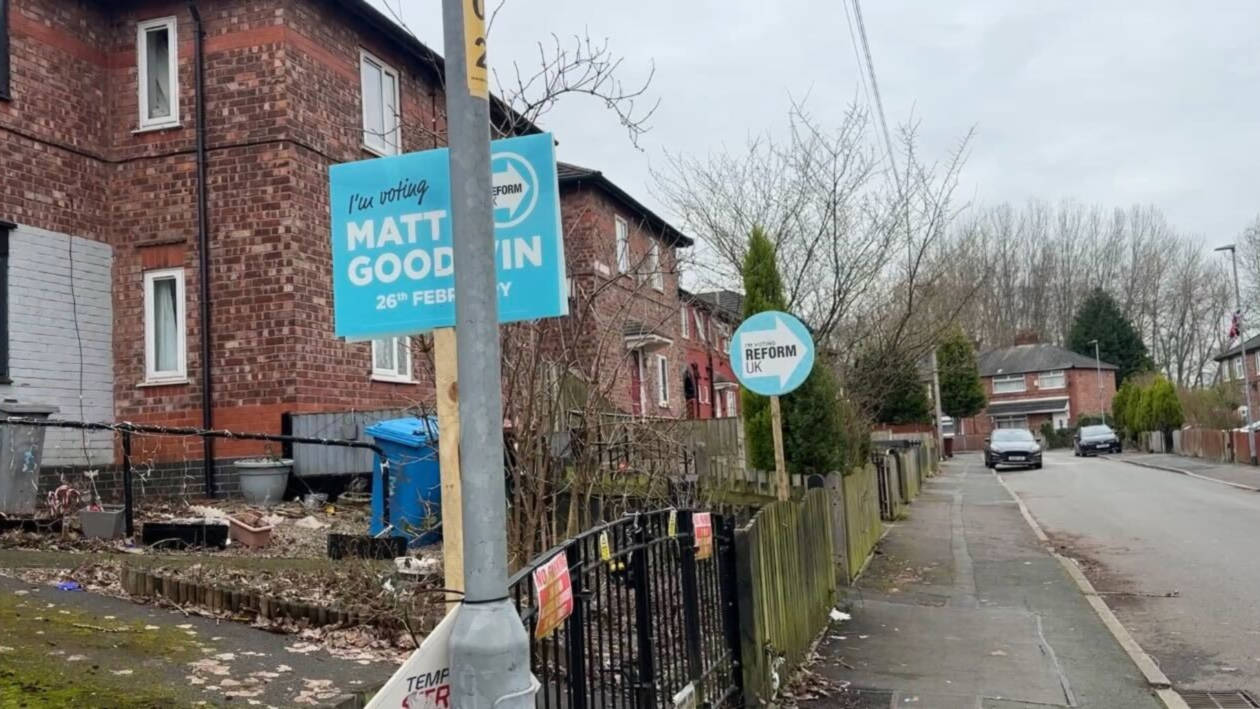
Elderly Reform volunteers could be seen tirelessly delivering leaflets around the area, despite the bitter cold and wind.
One of them, David, told us he had travelled to the constituency that day to help campaign for Goodwin. The biggest issue facing voters, he said, was “the cost of living".
"I think it's also open borders, and it's a great worry about the country because this is a government which is doing so many U-turns that people are getting dizzy.”
He said that “Labour has forgotten about the working people in this country. And this is a working constituency.”
'Proud to stick up for my Muslim neighbours'
In parts of the constituency, including the ethnically diverse Levenshulme, "Vote Green" signs were ubiquitous. Green Party posters were displayed by nearly every house on one street in a largely Muslim area.
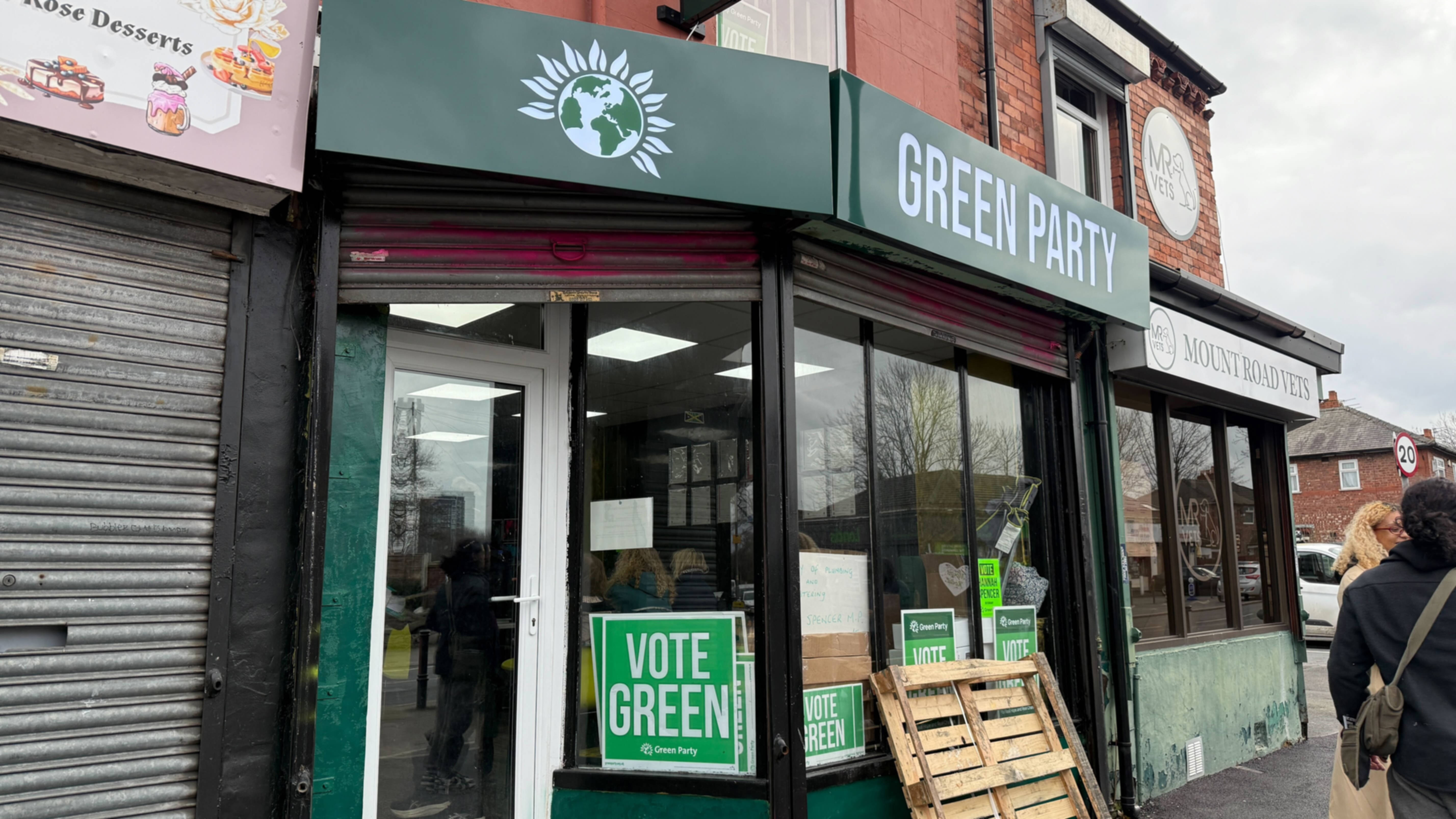
The Green campaign headquarters couldn’t be more different from Reform’s if it tried. Looking extremely green, the tiny premises on the busy high street was easy to spot.
The door was barely ever closed and people were constantly going in and out. Inside, volunteers included pensioners and students; they were ethnically diverse, too. “You don’t see Matt Goodwin coming round here,” one woman commented.
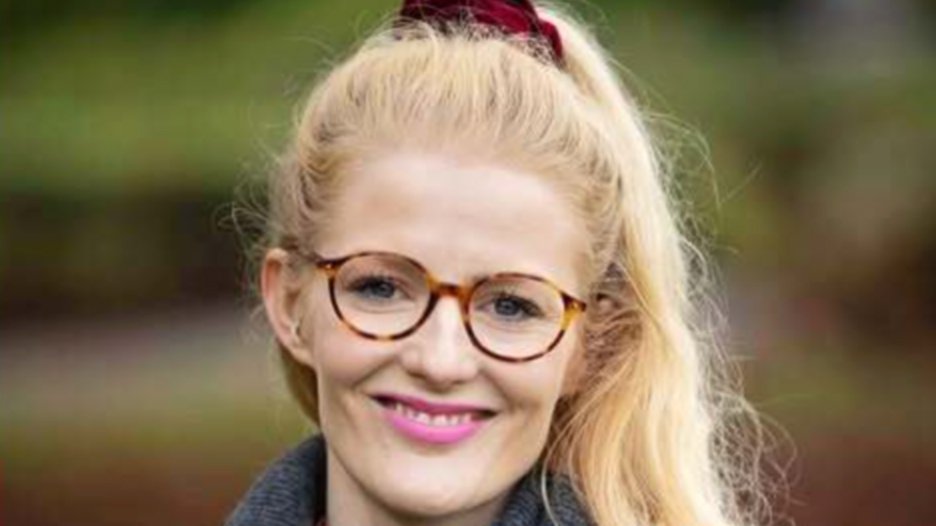
Hannah Spencer, 34, is the Green candidate – and a plumber and plasterer by trade, in stark contrast to academic-turned-presenter Goodwin.
“I've been a plumber since I left school,” Spencer said. “Quite a long time now, but I've only recently been doing a full-time plastering course, which I qualified for last week.”
As we walked through the local area, Spencer, dressed appropriately for the weather in a long green coat and a scarf, was regularly recognised and greeted by locals. A group of them posed for a photo with her.
“I want to bring people's bills down,” she told me. “I think we need to look at rent controls. We have really high levels of people renting here in insecure accommodation.”
Asked about Goodwin, Spencer said her rival candidate has “said some deeply offensive things and he said some really racist things”.
She added: “I know from my friends who are Muslim, like from my neighbours who are Muslim, from the people I work with who are Muslim, that they have the same British values I do, and that's caring for each other, that's looking after each other, and it's working hard.
“In the same way that I'm really proud to stick up for my white working-class roots, I'm really proud to stick up for my Muslim neighbours who are as British as I am.”
I put Spencer’s accusation against Goodwin to Sarah Pochin; she called the Greens “desperate”.
“Who is going to vote for Green?" Pochin said. "You must be out of your mind if you give the Green Party a vote. Because if you want social division and disruption, a drug problem going through the roof, then vote Green by all means.”
'It goes way beyond racism'
Sian Berry, the Green Party MP for Brighton Pavilion, was up for the day, helping the local Greens with their campaign.
When I spoke to her outside the campaign headquarters she was very critical of Goodwin.
“It goes way beyond racism, in my view, and how can we expect people to vote for him when he's… that prejudicial against Islam in particular?”
She said Reform was “hoping to win by stoking division in a community that really just wants to live together and build a strong community”.
Berry also took aim at the Labour government’s continued collaboration with Israel despite its genocide in Gaza.
“Arms embargos, bans on settlement goods, sanctions on members of the [Israeli] government -– this is normal foreign policy. And could we persuade [Labour] to do it? No.
“It's frustrated so many, many people, in many, many parts of the country. But I think here we've got a really significant part of the population who are ready to turn their backs on Labour, which they never thought they would do.”
Likewise, Spencer said Gaza was a significant issue “across communities”, not just among Muslims.
“It’s just that thing I keep saying of [doing] the right thing, and [saying] we will stand up against an injustice.”
The Greens’ messaging is clearly cutting through to many people. One taxi driver of Pakistani background said he would be voting Green for the first time next week – if he gets a chance in his busy working day to go to the polling station.
Asked about Reform, he said that “this sort of politics, about caring only for yourselves, is coming from America. It is popular across the world right now. But it won’t always be.”
'I have always voted Labour'
It is clear, however, that Labour still enjoys significant and widespread support. Billboards around the constituency warn voters that only Labour can beat Reform.
Spencer criticised this message: “I would say to vote with your gut. I think what we saw last time is people voted for a Labour government because they promised change. And things have changed, but they’ve changed for the worse.”
Berry said that people who have been traditionally loyal to Labour feel “even more let down”. A Green victory would be a “real sign that we've come of age”, she told me.
But in some areas with large Pakistani-origin populations, Labour posters were far more common than Green.
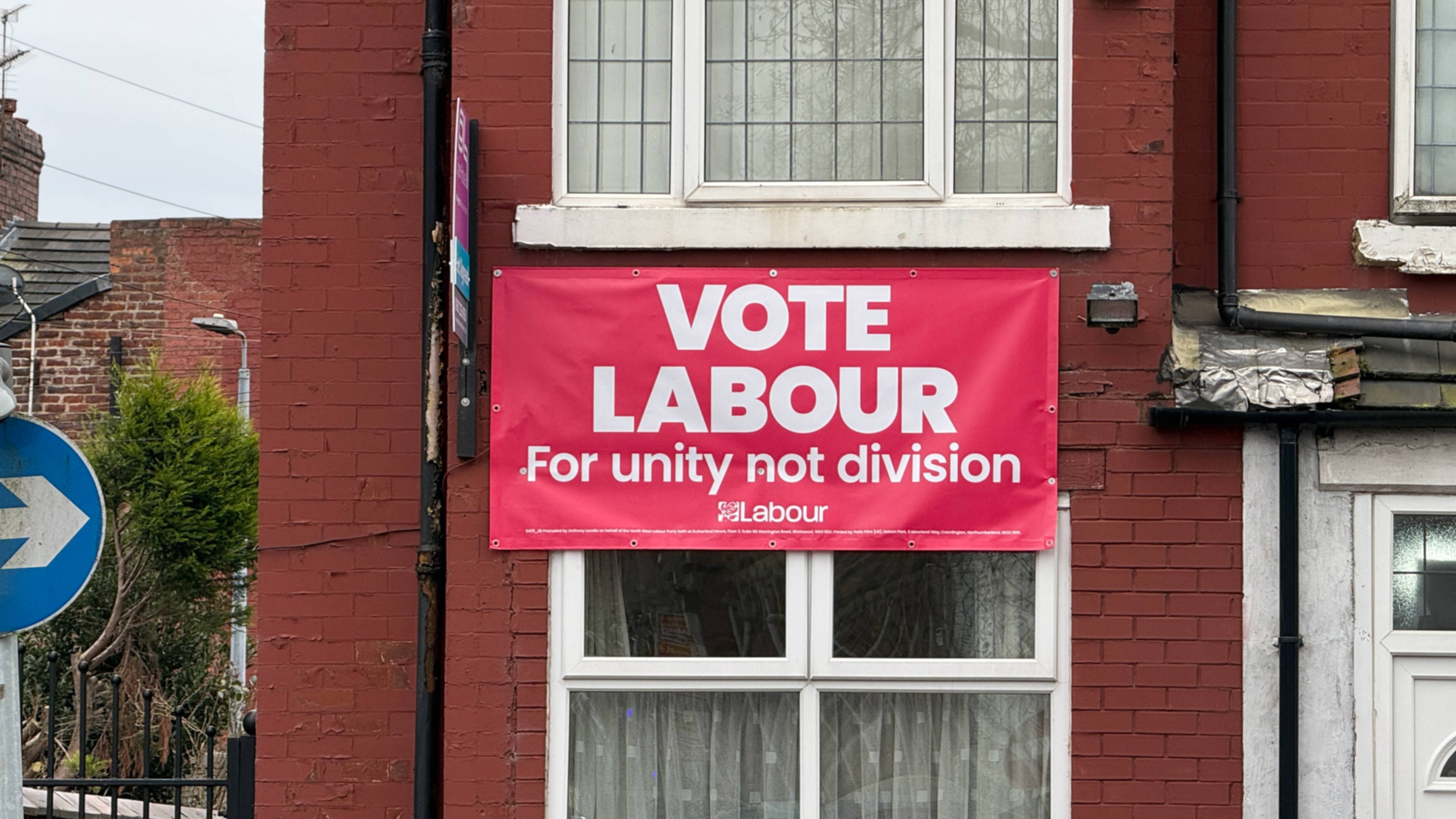
It is likely that Labour has more support among people who don’t closely follow British politics than the Greens do.
One Afghan man who came to Britain about 20 years ago insisted that he would vote for Labour. Why? I asked.
“Because I have always voted Labour,” he shrugged. “When I first came to this country, people told me Labour [is] good, we vote for Labour.”

He didn't know what the Green Party was and had never heard of Nigel Farage, the leader of Reform.
I asked Labour’s campaign team for an interview but didn’t receive a response.
The contest in Gorton and Denton may have national stakes, but it is being fought primarily as a fierce ground war. The constituency is heavily polarised and so is the politics.
A historic Labour majority being smashed is quite plausible – less than two years after a historic Labour general election victory.
The Greens and Reform are campaigning tirelessly against Labour and against each other. Meanwhile, the Conservatives, the party of government for 14 years until July 2024, have been rendered entirely irrelevant. Do they even have a campaign headquarters? No one I spoke to was sure.
The vote may be too close to call, but one thing is clear: the old two-party system is dead and buried.
Middle East Eye delivers independent and unrivalled coverage and analysis of the Middle East, North Africa and beyond. To learn more about republishing this content and the associated fees, please fill out this form. More about MEE can be found here.