
Iran's president says capital must move from Tehran over ecological concerns

Iranian President Masoud Pezeshkian has suggested his country's capital will need to be moved from Tehran due to ecological unsustainability in the city.
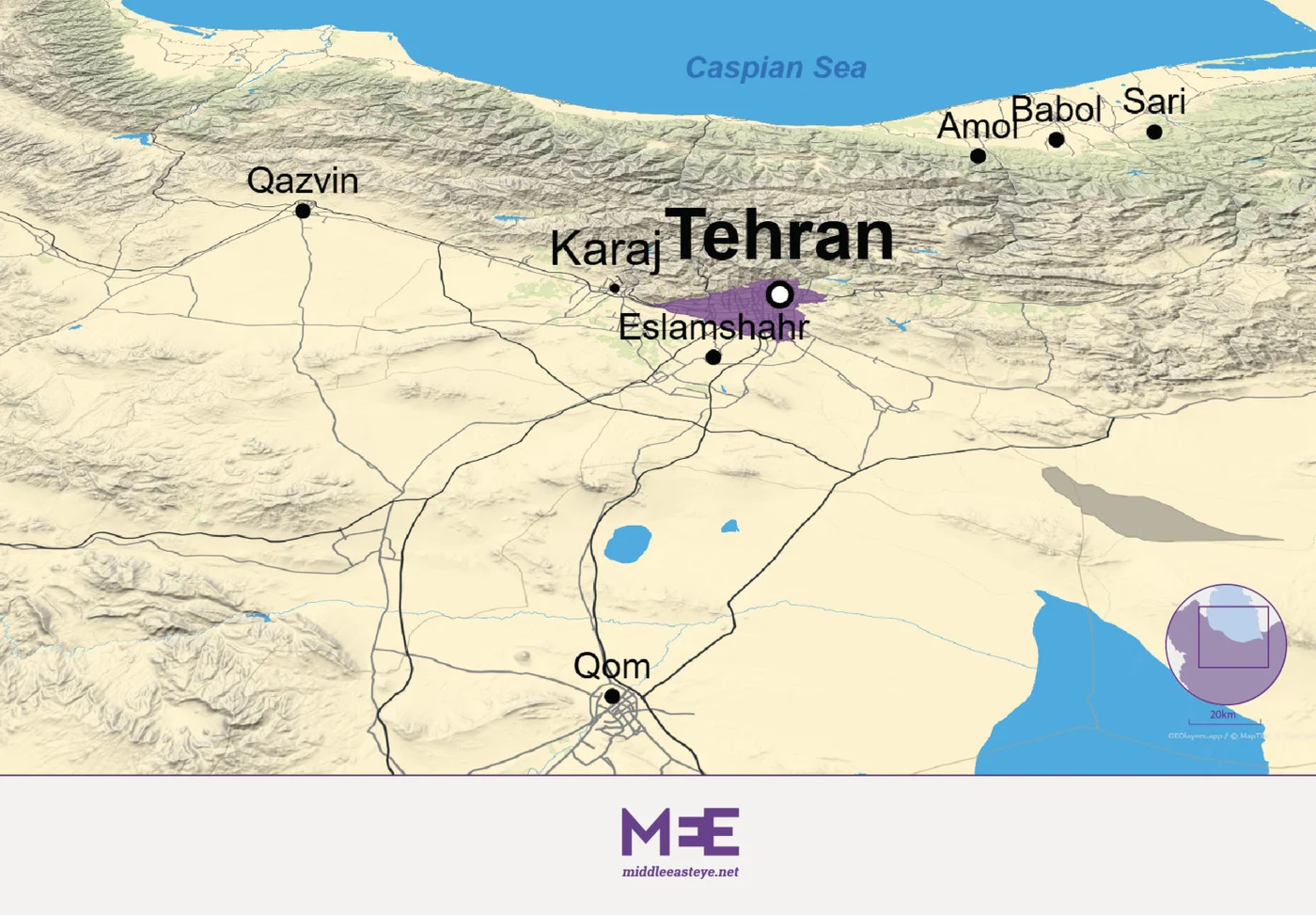
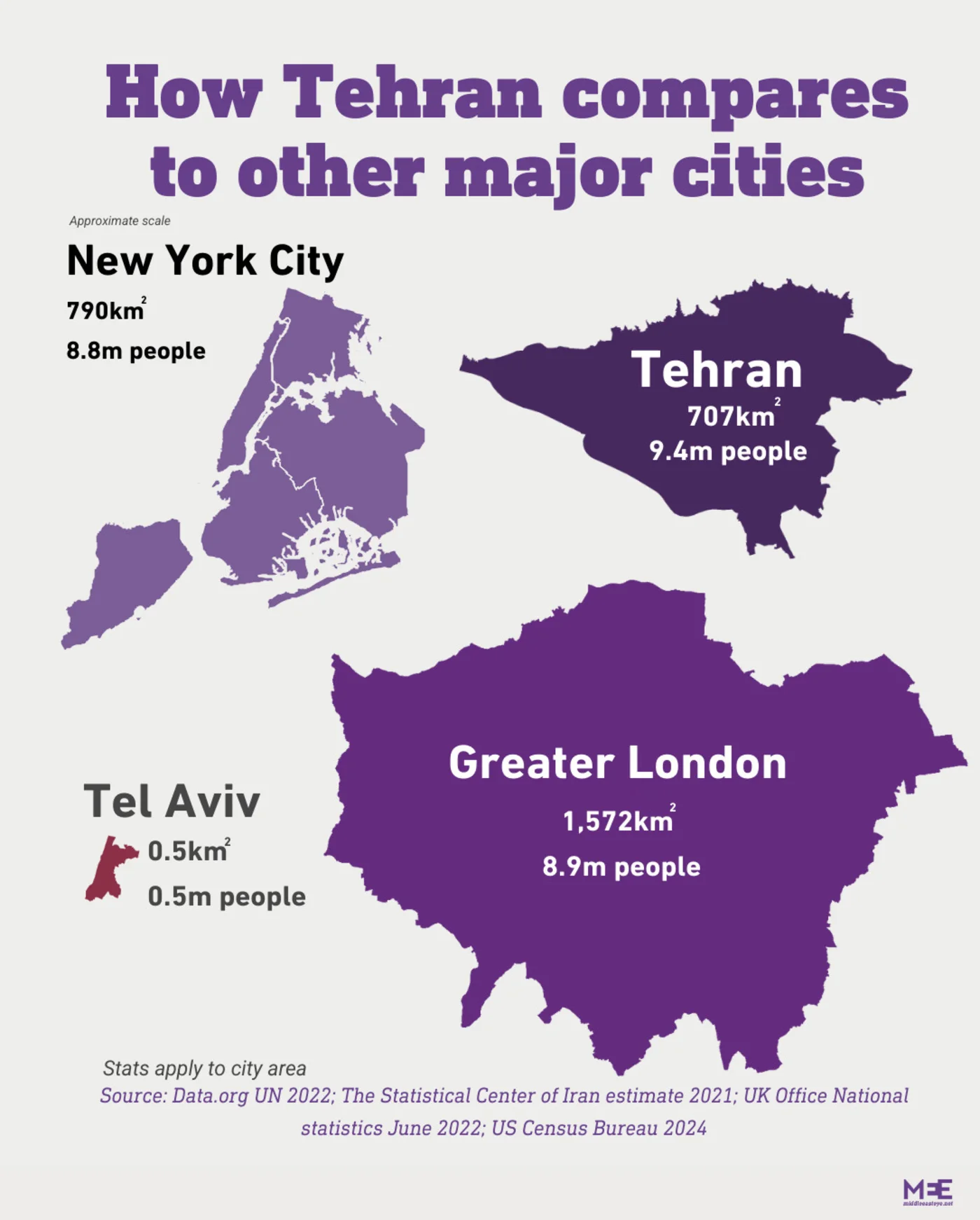
Speaking at a meeting in Qazvin, the president warned that relocating the capital would become unavoidable given the overcrowding and water shortages in the city of 9.7 million.
His government has proposed the underdeveloped Makran region in southeastern Iran as a possible new location.
"When we proposed relocating the capital, we lacked the budget - otherwise it might have happened," Pezeshkian told officials.
"People said it was impossible, but now it’s no longer optional."
New MEE newsletter: Jerusalem Dispatch
Sign up to get the latest insights and analysis on Israel-Palestine, alongside Turkey Unpacked and other MEE newsletters
Pezeshkian said continuing to develop Tehran was unsustainable.
"We can’t keep adding population and construction here. Expansion is possible, but the water problem cannot be solved," he said.
Concerns over water shortages have been mounting in Tehran, which has been struck by a crippling drought with Iranian media even speculating about the possibility of evacuating the capital.

Environmental experts have said the city needs to use water-saving equipment and shift to modern water management methods.
They have warned that, alongside the ongoing drought, poor management of water resources is a major cause of rationing in the capital.
Hassan Akhani, a prominent environmental expert, told the reformist Arman-e Melli outlet earlier this week that the government had repeatedly ignored their warnings.
“We said years ago that Tehran’s ecological capacity had reached its limit and no one paid attention,” he said.
“The fact that no one listened is not our fault, and there is nothing more we can do.”
Tehran’s dams normally supply 70 percent of the city's water, with the rest provided by underground resources. Low rainfall and increased evaporation have, however, reduced the dams’ water share and put pressure on groundwater.
Pezeshkian has been among those repeatedly warning about the need for action over Tehran's water crisis.
Last month, he said he had raised the prospect of moving the capital with Iran's Supreme Leader Ali Khamenei.
Tehran's pollution crisis
Tehran did not officially became Iran's capital until 1906 following the Constitutional Revolution.
It is a young city, with an average age of 32. The wider country has the largest number of Shia Muslims globally - making up 90 percent of the population.Tehran's pollution crisis
During the past half-century Tehran has faced the Islamic Revolution, Saddam Hussein's war on Iran, and the imposition of sanctions by the US and others. The result has been failing infrastructure, gridlocked transport networks and declining services.
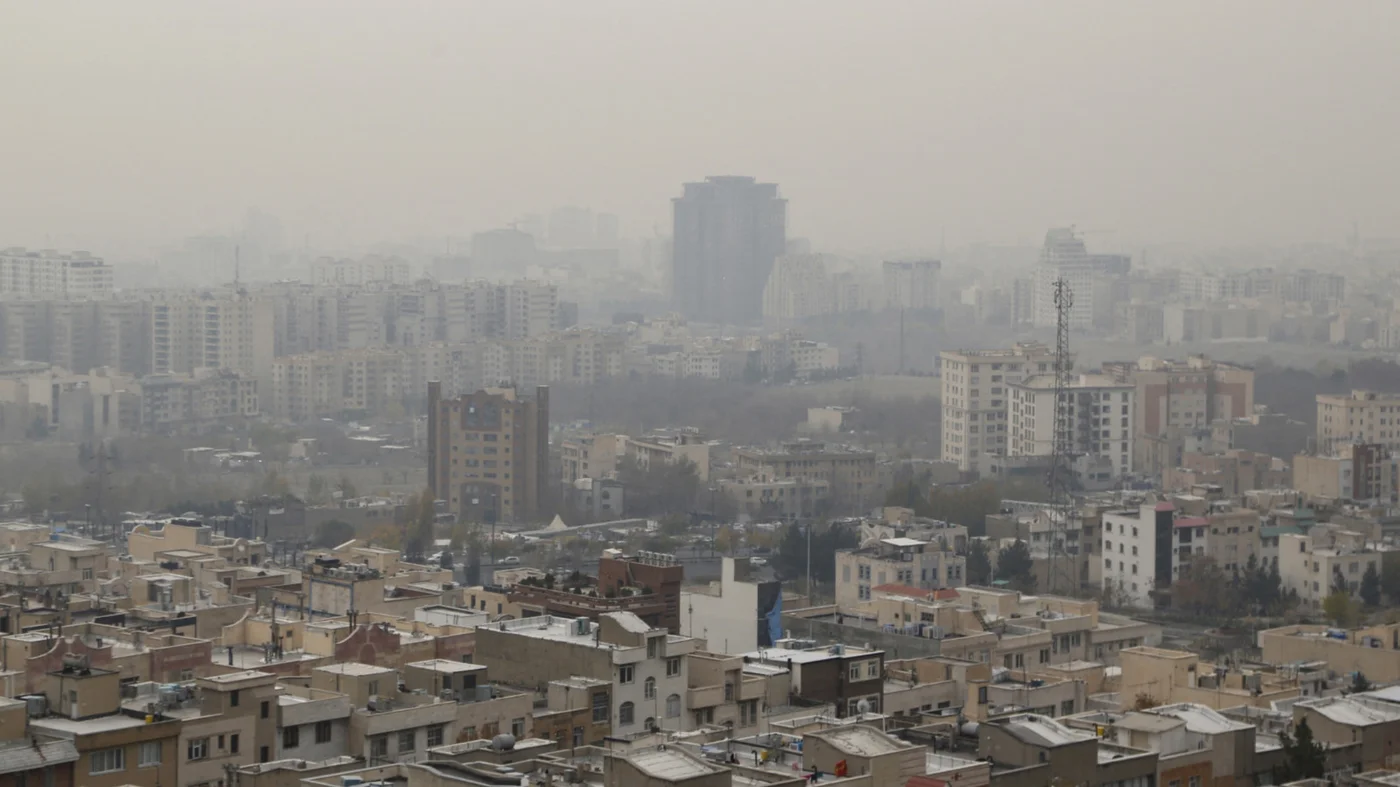
The city is renowned for its congestion and pollution, made only worse by aged vehicles which take to the roads every day, and only partly relieved by subway system, which has been running since 1999 and now carries more than three million people daily.
Tehran is frequently shrouded in fog, exacerbated by the mountains to the north, which prevent winds blowing in from the Caspian and trap hot air coming from the south.
Middle East Eye delivers independent and unrivalled coverage and analysis of the Middle East, North Africa and beyond. To learn more about republishing this content and the associated fees, please fill out this form. More about MEE can be found here.