
'Missing the beauty': Israel bans Ramadan decorations in Jerusalem

Like all Palestinians in Jerusalem, Ahmad was looking forward to seeing the city's alleyways clothed in Ramadan lights, decorations and cheer.
Ramadan in Jerusalem is "otherworldly", he says.
However, this year the walls of the Old City are empty and festivities are strikingly muted. Israel has banned Ramadan decorations and restricted various other traditional ways of celebrating the Islamic holy month.
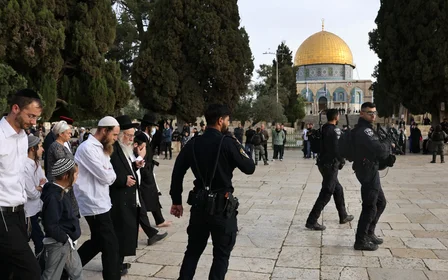
Palestinians even struggle to access Al-Aqsa Mosque to pray, while Israeli settlers are able to storm the site and perform their own prayers for longer than previously allowed.
"I am always waiting for Ramadan to come so that I can see the decorations as well as the joy and excitement of others,” Ahmad tells Middle East Eye.
New MEE newsletter: Jerusalem Dispatch
Sign up to get the latest insights and analysis on Israel-Palestine, alongside Turkey Unpacked and other MEE newsletters
But Israeli forces are "causing fears among residents", says Ahmad, who uses a pseudonym for security reasons.
Most Palestinians MEE approached to speak about the Israeli suppression of Ramadan celebrations refused to speak at all, fearing reprisal.
Ahmad said despite the Israeli restrictions, the atmosphere is beautiful.
“While the mood is calm at the moment, it is unfortunate that there are no decorations to welcome Ramadan and celebrate Ramadan like we are used to every year,” he said.
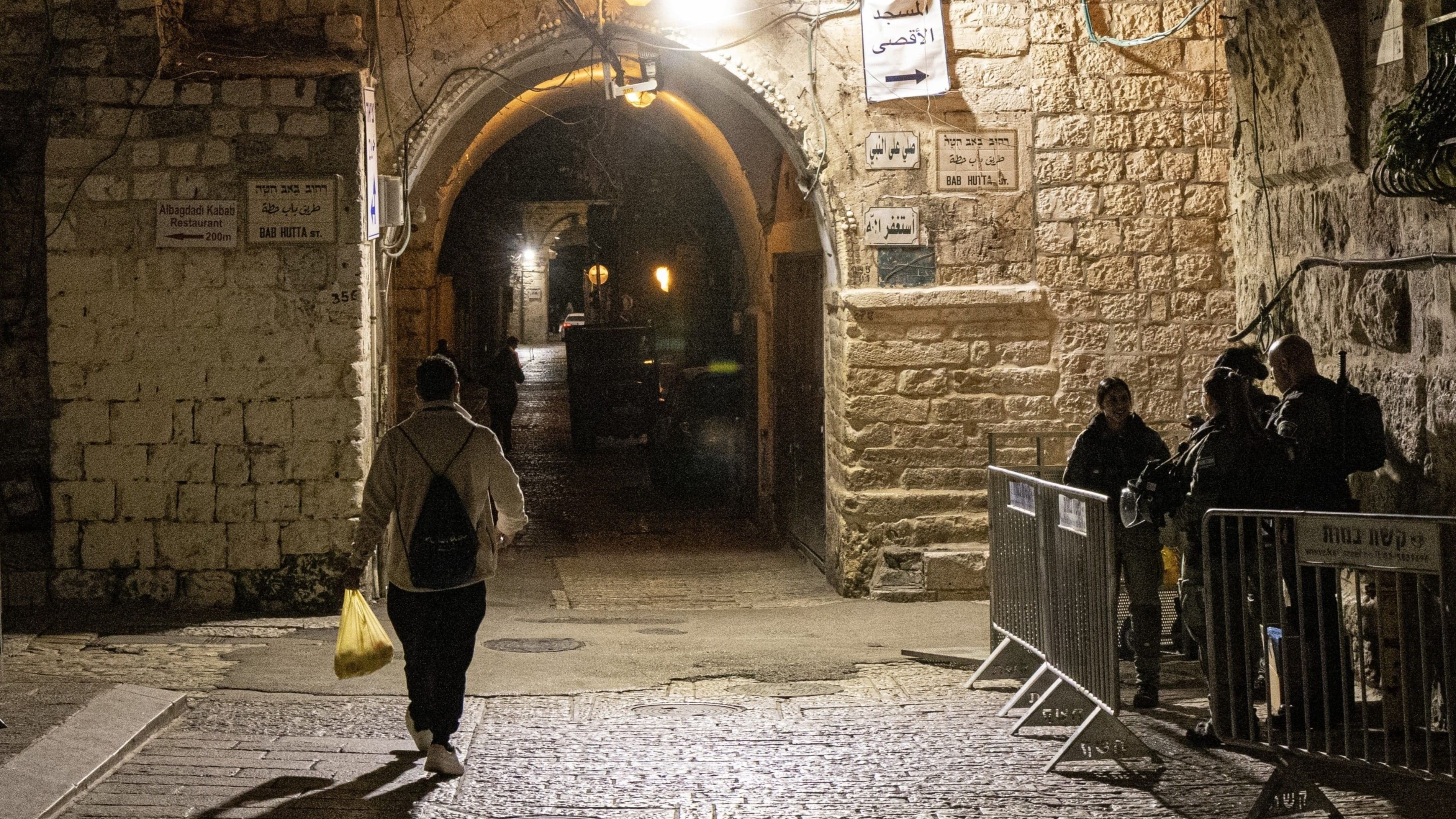

Ramadan began in Palestine on Wednesday. Across occupied East Jerusalem and the West Bank, Israeli forces have increased their presence and carried out additional arrests in recent days.
Certain traditions associated with fasting have been targeted. That includes restricting the activity of the mesaharati, a volunteer who walks through the streets waking up neighbours in time for the morning prayer.
Yara Rashaa, a Jerusalem resident, told MEE that the increased regulations make this Ramadan “feel different to previous years”.
“We are walking through the streets and feeling like we are missing the beauty that was once here,” she said.
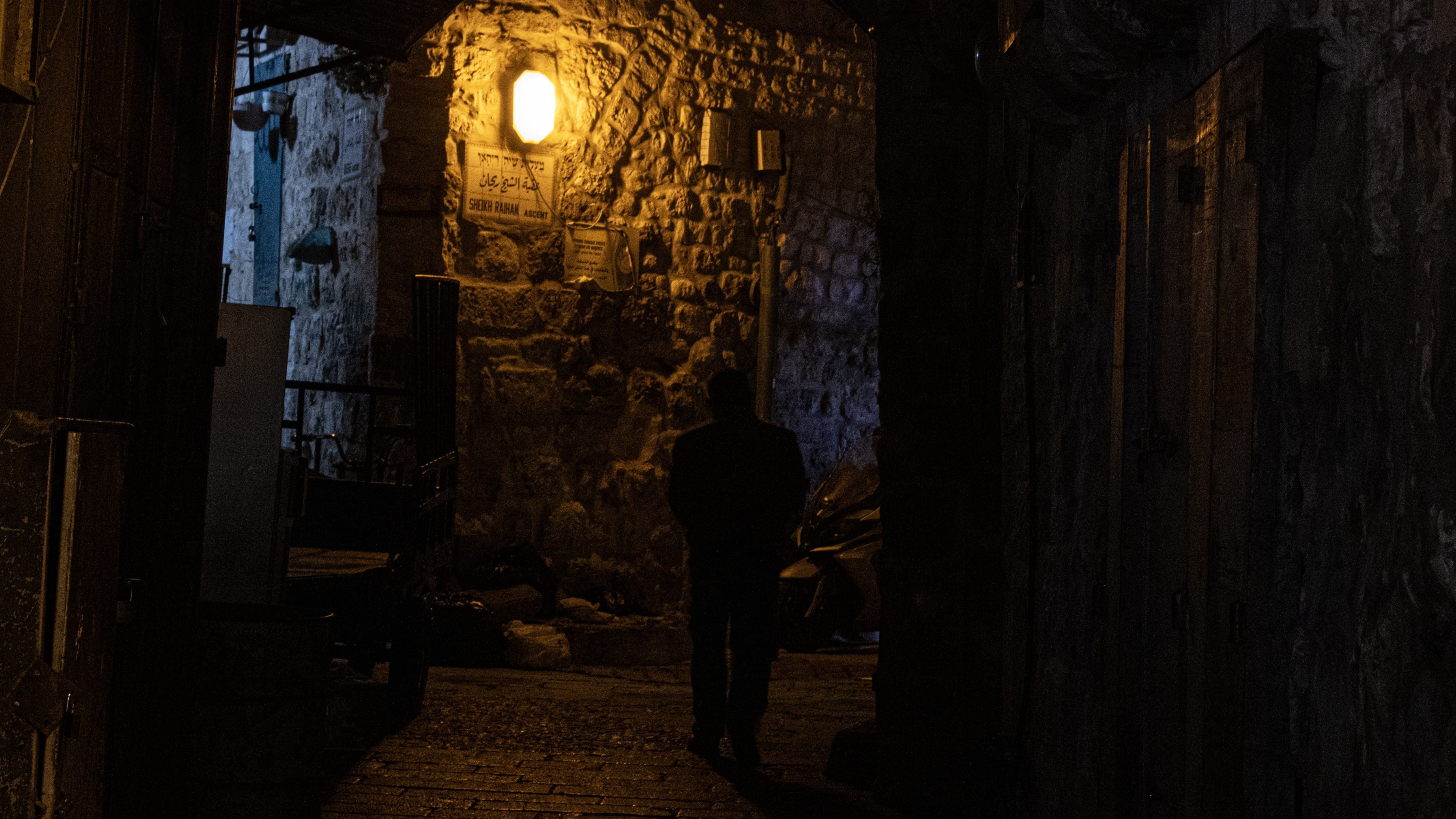
Decorations gave the city “flavour and life”, Rashaa added, noting the bittersweet atmosphere.
“It is somewhat lovely and somewhat miserable. We are not used to there being no decorations.”
Restrictions on Al-Aqsa
Israeli authorities said they will significantly limit the number of Palestinians from the occupied West Bank allowed to enter Al-Aqsa during Ramadan.
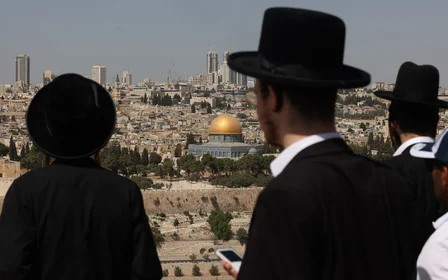
One of the holiest sites in Islam, Al-Aqsa Mosque stands in East Jerusalem's Old City, which has been occupied by Israel since the 1967 Middle East war.
Only 10,000 people – either over the age of 50 or under 12 – will be permitted entry from the West Bank, and only on Fridays.
Visitors will require prior approval from the Israeli army.

Ahmad is one of many Palestinians who have been barred from entering the mosque’s grounds. Instead, he has been forced to pray outside its gates.
“There’s a huge presence of Israeli police… they are attempting to frustrate anyone entering the area,” he says.
“Al-Aqsa will be without a lot of its people,” Rashaa adds.
“There’s a lot of restrictions at the gates. Inside, the police presence has increased. Wherever you look, you will see the police.”
She says that this level of security presence is unlike any previous year.
Since the Israeli occupation of East Jerusalem began, Al-Aqsa Mosque has been governed by an international arrangement upholding its religious status as an exclusively Islamic site.
But Israelis have been gradually eroding that status through increasing restrictions on Palestinian and Muslim access, while expanding Jewish presence and control.
Middle East Eye delivers independent and unrivalled coverage and analysis of the Middle East, North Africa and beyond. To learn more about republishing this content and the associated fees, please fill out this form. More about MEE can be found here.