
World Cup 2026: For some fans, the tournament ends at the US border

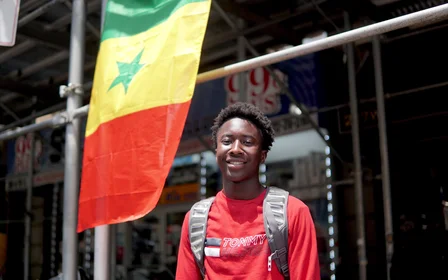
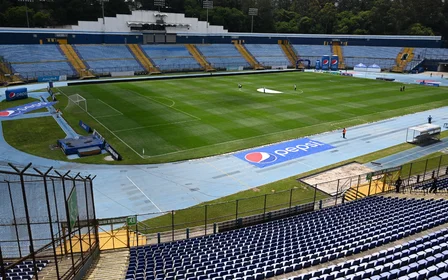
When Tunisia takes the field in Kansas City on 25 June, one of its most devoted supporters will be missing from the stands.
Mohamed Sadok Fradi has followed the Tunisian national team to the last two World Cups, but this year his journey will end in Mexico because of US visa requirements.
Fradi, a football enthusiast who sees the World Cup as a way of bringing people together, says the restrictions are not only absurd but contrary to the spirit of the tournament itself.
"I didn't apply [for a US visa] because I don't accept that football supporters need to go through all this pain," he told Middle East Eye.
"I believe a football supporter should buy his ticket, take his flag and go support his team."
New MEE newsletter: Jerusalem Dispatch
Sign up to get the latest insights and analysis on Israel-Palestine, alongside Turkey Unpacked and other MEE newsletters
When the World Cup kicked off last week, supporters of the qualified teams endured long journeys to host cities, bringing a piece of their homeland to the world stage.
'This is the third World Cup I've attended, always following the national team, but it has never been as difficult or complicated as it is with the US'
- Mohamed Sadok Fradi, Tunisian fan
In Monterrey, where Tunisia is playing its first two matches, fans have arrived in force with bright red jerseys, oversized flags and traditional drums, ready to cheer on the "Eagles of Carthage".
For many, however, the journey will be cut short.
Strict visa restrictions and high fees introduced by the US government have deterred them from travelling to the US where Tunisia will play its third group-stage match.
"I am not going, unfortunately," said the 35-year-old Fradi.
"I will have to watch it on TV."
'The vibe will not be the same'
Since the start of his second term, US President Donald Trump has imposed travel bans on several countries, primarily in the Middle East and Africa, alongside higher visa-related costs.
Earlier this year, the US expanded its controversial Visa Bond Program, requiring travellers from 50 countries, including Tunisia, to pay deposits of up to $15,000 to secure a tourist visa. If visitors overstay, the money is forfeited.
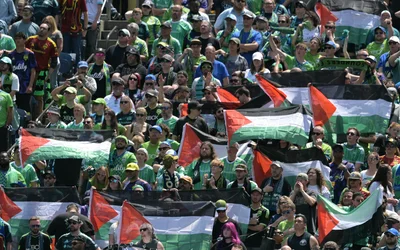
Hours before Tunisia's opening match, fans gathered in Monterrey's popular Barrio Antiguo district to begin their pre-game celebrations. Mexican residents joined in as supporters chanted in the streets.
Anwar Sbissi, a Canadian citizen, plans to attend the match in Kansas City but warns that "the vibe will not be the same".
Like many fans in Monterrey, he said the $15,000 bond requirement has discouraged many supporters from making the trip, adding that the stadium in the US is likely to be filled largely by fans already based there.
Carrying a Free Palestine flag, Anis Ghozzi, who lives in Montreal, said he is boycotting the US leg of the tournament. He cited several reasons, including ongoing conflicts in the Middle East, the genocide in Gaza, and tariffs imposed on Canada and Mexico.
"I prefer to bring my money into Mexico than in the US," he said.
'I wish Mexico were hosting the World Cup on its own'
Sitting under the blazing sun and still weary from a 23-hour journey from Qatar, Fradi expressed frustration with this year's tournament.
Having attended the previous World Cups in Qatar and Russia, where both host nations implemented easier travel requirements for ticket holders, he said the current process is exclusionary and at odds with Fifa's claim that "football unites the world".
"This tournament has many complications in terms of access and hospitality," he added.
'I hope I can go to America... I have my visa, but we'll see'
- Faten Drira, travelling fan
While the US State Department issued a waiver exempting valid ticket holders from the bond requirement and offered priority visa scheduling through Fifa, the option was only available to those who applied before a 15 April deadline.
Echoing the views of other supporters in Monterrey, Fradi and Ghozzi praised Mexico's relatively straightforward entry process and the hospitality of its people.
Tunisian citizens travelling to Mexico waited less than a month for visas, while exemptions were available to those holding valid visas or permanent residency permits from the US, Canada, Japan, the United Kingdom or countries in the Schengen area.
"This is the third World Cup I've attended, always following the national team, but it has never been as difficult or complicated as it is with the US," Fradi said. "I wish Mexico were hosting the World Cup on its own - only Mexico."
Fears persist despite visa approvals
While Fifa's president, Gianni Infantino, insisted after meetings with Trump administration officials in mid-May that the US would be open to the world during the tournament, the situation on the ground suggests otherwise.
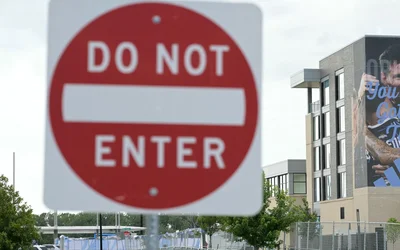
Even with a valid visa, US border officials retain the authority to deny entry.
Recent incidents, including Somali referee Omar Abdulkadir Artan being turned away at Miami International Airport, have heightened fears about fans being denied entry.
Faten Drira, who plans to travel to the US with her husband after the matches in Monterrey, said she remains uncertain whether having a visa will be enough to guarantee entry.
"I hope I can go to America!" she said in a nervous tone.
"I understand they don't accept all people. I have my visa, but we'll see."
Middle East Eye delivers independent and unrivalled coverage and analysis of the Middle East, North Africa and beyond. To learn more about republishing this content and the associated fees, please fill out this form. More about MEE can be found here.