Former MK Basel Ghattas released after two years in Israeli prison

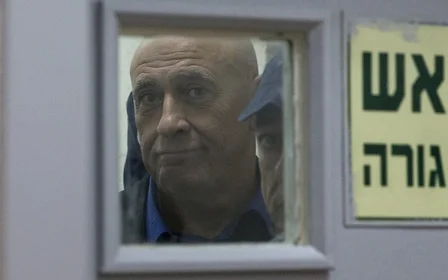
Israeli authorities on Monday released Basel Ghattas, a former member of parliament and prominent Palestinian politician, after he completed a two-year sentence for smuggling mobile phones to prisoners.
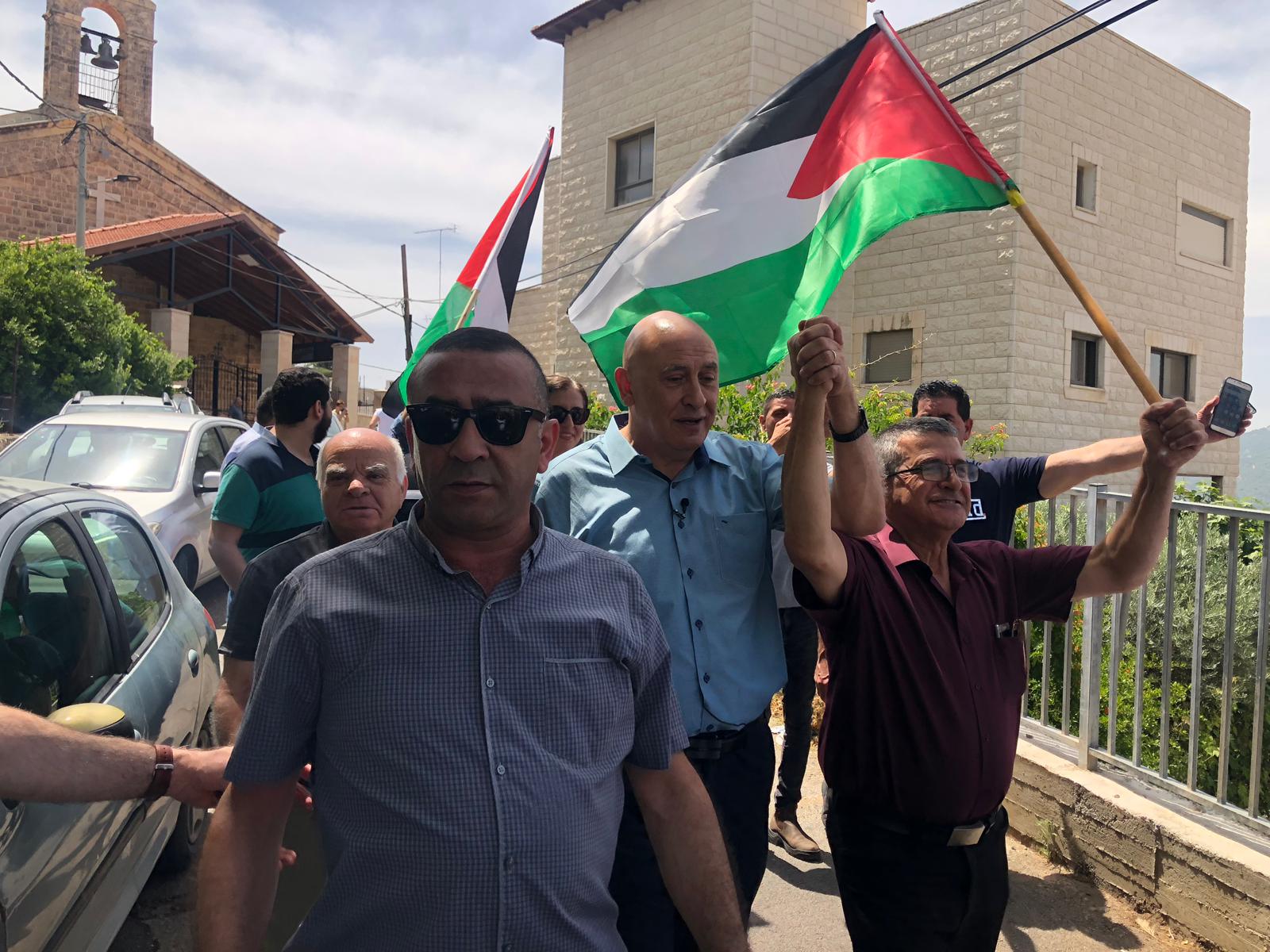
Ghattas, who was elected to Israel's parliament, the Knesset, as a member of the now-defunct Joint List, left Megiddo prison in northern Israel and returned to his village of al-Rameh.
In a news conference outside his house, Ghattas said: "I am happy that I was released from prison and I wish all the prisoners I left behind me to be released.
"Before I arrived at my house I visited the grave of my sister. I was not allowed to participate in her funeral. Our people know the pain of losing a sibling, especially when you are in prison."
He added that "freedom for all Palestinian prisoners inside Israeli jails will remain at the top of Palestinian demands".
New MEE newsletter: Jerusalem Dispatch
Sign up to get the latest insights and analysis on Israel-Palestine, alongside Turkey Unpacked and other MEE newsletters
The ex-MK is a Palestinian citizen of Israel, a community that makes up some 20 percent of the country's population.
He was arrested in December 2016 and investigated over giving mobile phones to Palestinian prisoners after he visited Ketziot prison in the Negev desert.
The Israeli Prison Service (IPS) claimed it found 12 mobile phones inside prisoners' cells after Ghattas' visit.
Ghattas insisted that he did not commit any violation, saying his advocacy for prisoners is a humanitarian issue.
Under severe media and political pressure, Ghattas resigned from the Knesset and his parliamentary immunity was lifted. In April 2017, an Israeli court sentenced him to two years in prison.
The former MK is also notable for participating in the Third Freedom Flotilla in 2016, which sought to break the Israeli siege imposed on the Gaza Strip.
In an op-ed published by Middle East Eye, Ghattas said he smuggled the phones into Ketziot in response to the IPS's denial of Palestinian prisoners' right to communicate with their relatives by phone.
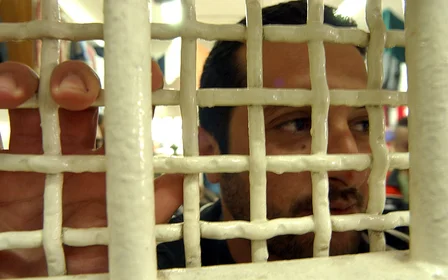
Palestinian prisoners are only allowed to see close relatives once a month.
In April, prisoners ended an eight-day hunger strike after the IPS agreed to instal landline phones inside prisons and release inmates held in solitary confinement. Israel has installed jamming devices to prevent prisoners from making surreptitious calls from mobile phones.
Imprisonment is a common experience for Palestinians. In 2014, the Institute of Palestine Studies estimated that about 80 percent of the adult male population in the occupied West Bank and Gaza Strip had been subjected to some form of Israeli detention since 1967.
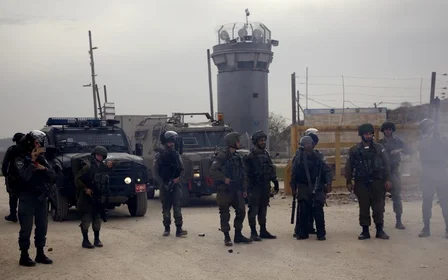
Human rights groups say that Israel's holding of Palestinian prisoners arrested in the occupied territories in prisons inside Israel breaches international law.
In February about 5,700 Palestinian prisoners were languishing in Israeli jails, including 48 women and 230 children, according to figures published by Addameer, a prisoners' rights group.
Almost 500 Palestinian prisoners are also currently being held in "administrative detention" without charge.
Middle East Eye delivers independent and unrivalled coverage and analysis of the Middle East, North Africa and beyond. To learn more about republishing this content and the associated fees, please fill out this form. More about MEE can be found here.