Starving Palestinians prepare for Ramadan amidst death and destruction

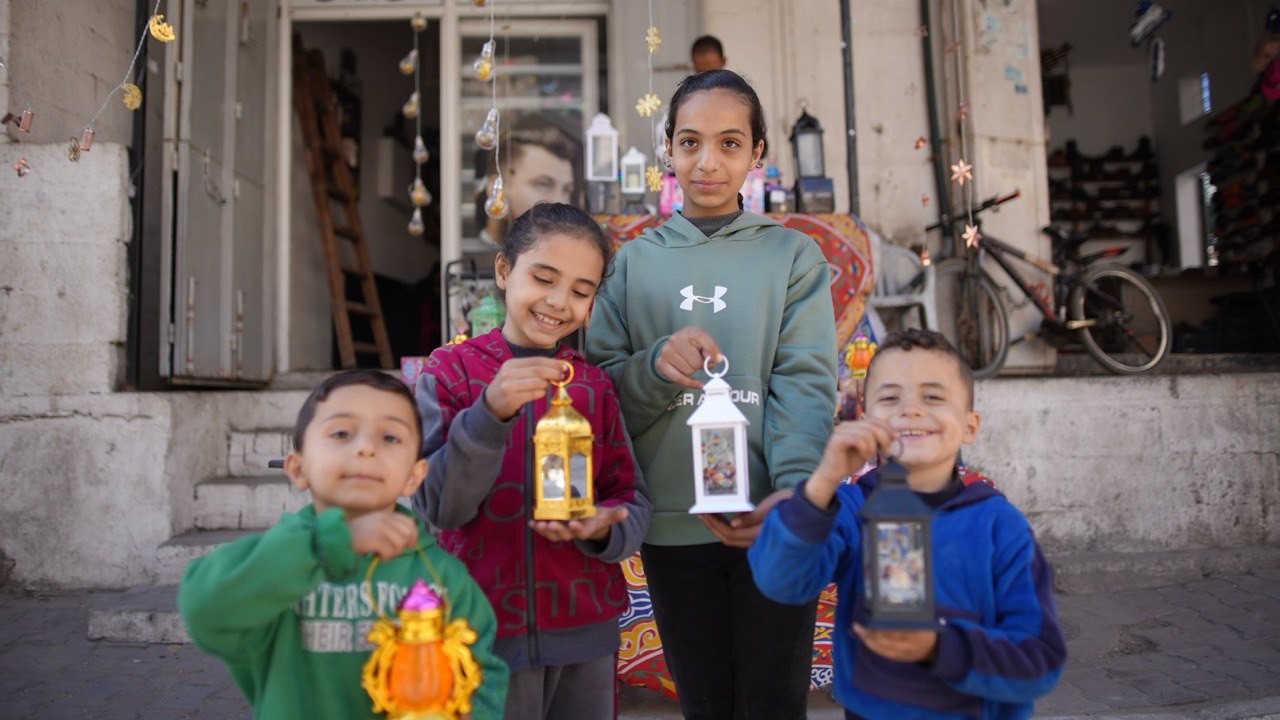
When the holy month of Ramadan rolled around every year, Diab al-Zaza, 77, and his family would typically decorate the streets of his neighbourhood.
He and his 10 children would walk around near their home and distribute traditional lanterns and sweets to their neighbours.
The holy month is usually keenly anticipated in Gaza, as it offers Muslims time to reflect and engage in acts of worship as well as spend more time with their family and loved ones.
This year, however, Ramadan, which is set to start on Monday, has filled many people with anxiety, after over five months of war in the besieged enclave.
"I have been through many hardships, but in all my life I have never lived more difficult days than these because of hunger, thirst, loss and separation," Zaza told Middle East Eye.
“We are now living in conditions worse than the Nakba," he said, referring to the period when Palestinians were killed or driven from their homes when the state of Israel came into existence. "At the time of the Nakba there were fewer people and the country was open, but now we are besieged from all sides," he said.
"Ramadan this year will be sad because the war has not left us anything. They [Israeli army] destroyed the mosques, they even destroyed the Al-Omari Mosque, which was more than 1,400 years old. There is no place for us to pray Tarawih now,” he added, referring to voluntary night prayers performed during Ramadan.
READ MORE: Starving Palestinians prepare for Ramadan amidst death and destruction