What 'special relationship'? Ten other occasions when the US and UK fell out

President Donald Trump has criticised UK Prime Minister Keir Starmer after he refused to let the US launch strikes on Iran from British military bases.
“I’m not happy with the UK,” Trump said on 3 March, describing London as “uncooperative”. He added of Starmer: “This is not Winston Churchill that we’re dealing with.”
It is not the first time Trump has taken aim at the UK since he returned to office in 2025: other complaints have included British immigration policy, online speech laws, trade with China, energy and support for Danish sovereignty over Greenland.
Such criticism has been interpreted as a blow to the “special relationship” between Washington and London.
But this is not the first time that the US and the UK, supposedly the strongest of allies, have disagreed.
New MEE newsletter: Jerusalem Dispatch
Sign up to get the latest insights and analysis on Israel-Palestine, alongside Turkey Unpacked and other MEE newsletters
Much of the strain, not least in the 20th century, came as the US sought to assert itself on the world stage as the dominant superpower, against the waning post-colonial clout of London. Washington has also been heedful of several domestic pressures and other international alliances over its ties with London.
What is the 'special relationship'?
UK Prime Minister Winston Churchill popularised the phrase “special relationship” during his "Sinews of Peace" speech in Fulton, Missouri, in March 1946.
During the speech, given while he was out of office, Churchill spoke of a “special relationship between the British Commonwealth and Empire and the United States”.
The speech was also notable for Churchill’s use of the phrase “Iron Curtain”, which was to become shorthand for the geo-political divide between the West and the Union of Soviet Socialist Republics (USSR).
Since World War Two, London and Washington have usually maintained strong relations, notably during the Cold War and in the wars and subsequent action against Iraq in 1991 and 2003, as well as in Afghanistan in 2001.
Each has usually refrained from criticising the other. When it has happened, it has often drawn attention, as when US President Barack Obama commented on the UK's Brexit debate in 2016.
1946: Palestine, Attlee and Truman
Jewish settlement in Palestine, which had steadily increased during the 20th century, grew further in the wake of the Second World War and the Holocaust, during which an estimated 6 million Jews were killed.
The territory, administered by the British under an international mandate since the end of the First World War, had been rocked by Zionist militia insurgencies and attacks against the largely Arab population.
In October 1946, US President Harry Truman advocated the settlement of 100,000 Jewish refugees in Palestine.
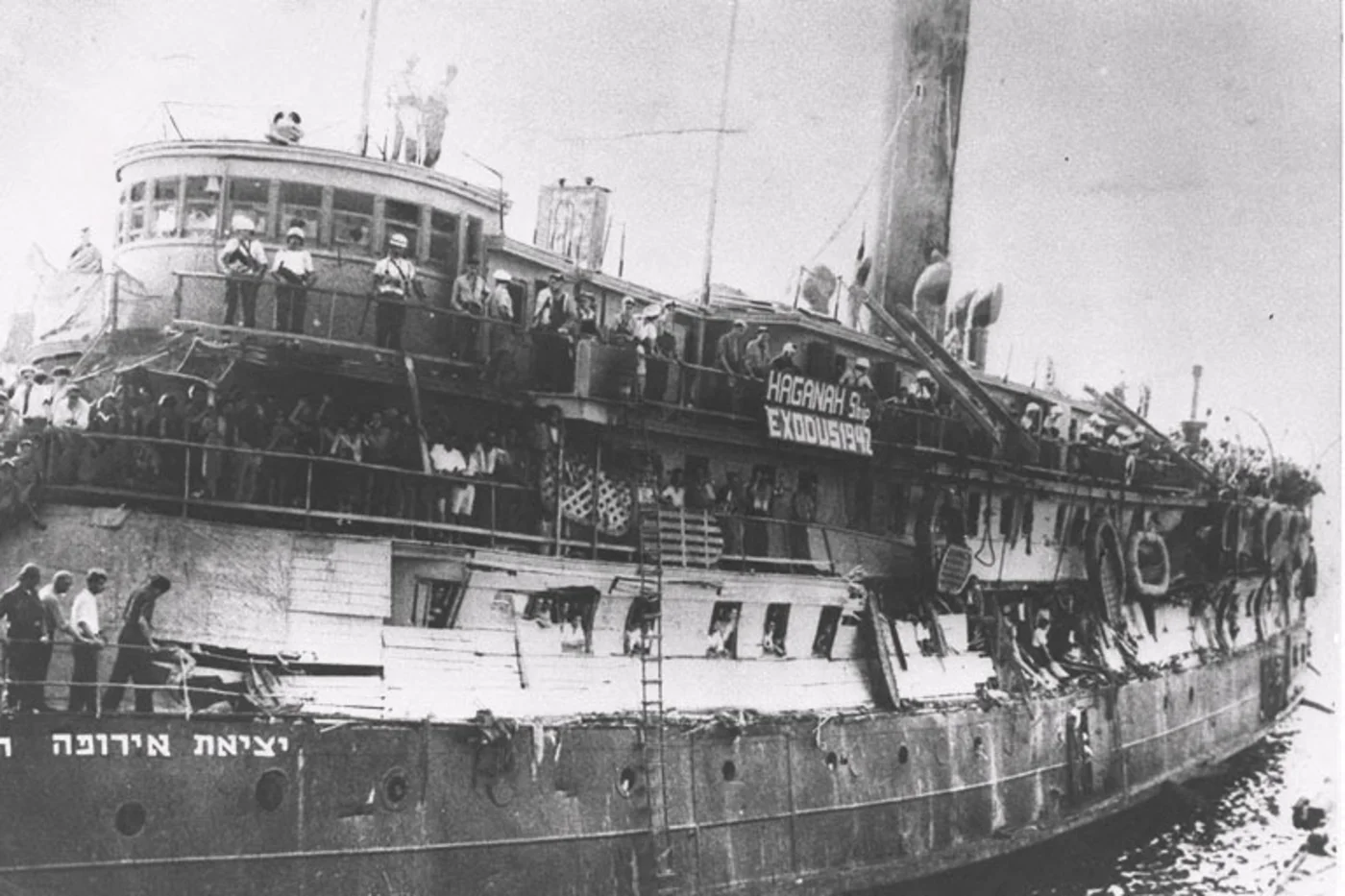

His statement was issued ahead of Yom Kippur, the holiest day in Judaism, amid domestic pressure and upcoming elections.
London said that Truman’s statement “may well jeopardize a settlement in Palestine”. Behind the scenes, UK Prime Minister Clement Attlee was angered by Truman’s unilateral intervention.
In February 1947, Britain referred the issue of Palestine to the UN, surrendering its mandate. The General Assembly passed Resolution 181 in November 1947 with heavy US support, calling for the partition of Palestine into separate Jewish and Arab states.
Within hours, further fighting broke out, and Zionist militias seized much of the land intended for Arab control. In the coming months, an estimated 750,000 Palestinians were displaced and approximately 13,000 killed during what became known as the Nakba. The state of Israel was declared on 14 May 1948.
1956: Suez, Eden and Eisenhower
The Suez Canal, which crosses Egypt, has been one of the most important waterways for global trade since it opened in 1869.
By the mid-20th century, it was Egyptian property but operated under a concession agreement by the Suez Company, whose shareholders were mostly British and French. London and Paris periodically blocked countries they opposed from using the canal, including during both World Wars.
In July 1956, the government of President Gamal Abdel Nasser seized and nationalised the canal.
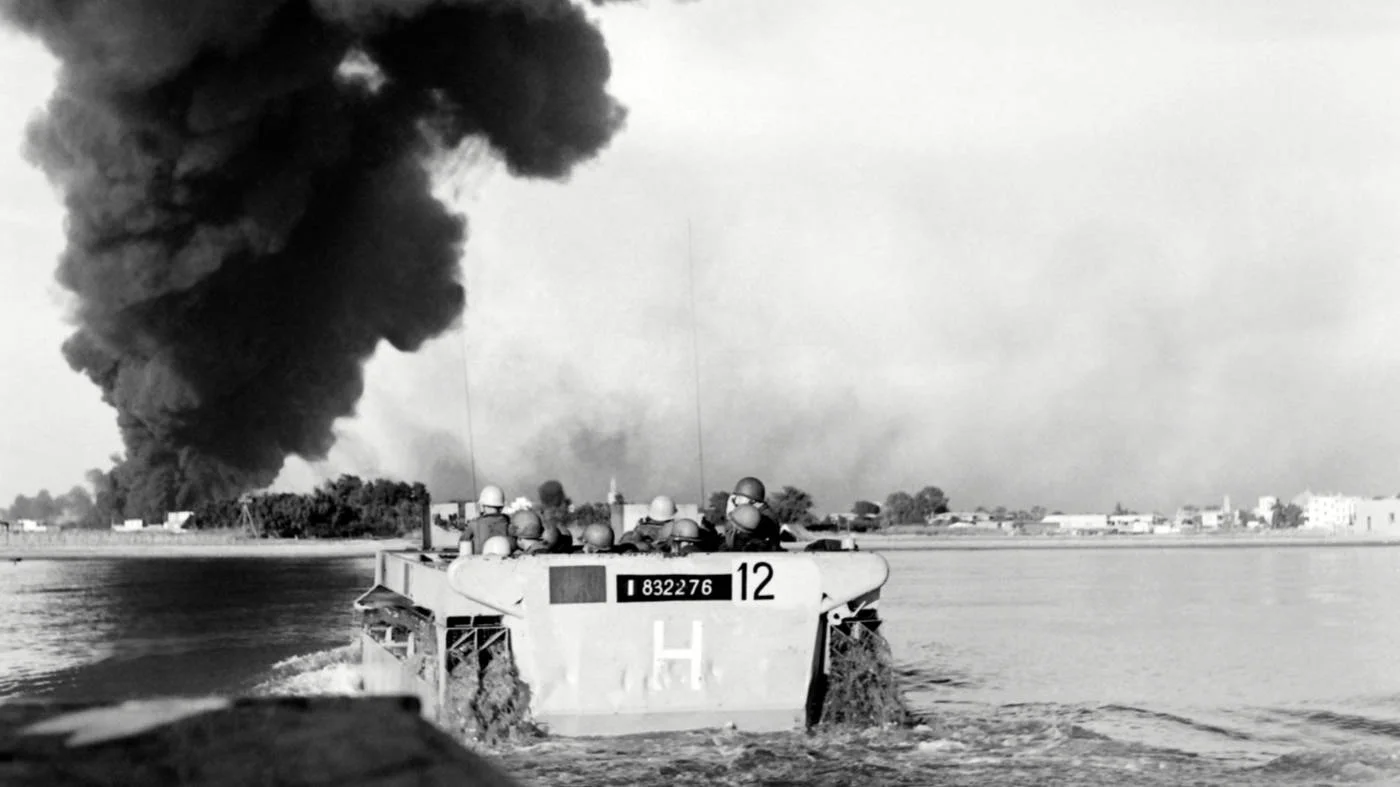
The UK, France and Israel struck a deal whereby Israel would invade the canal zone, which it did on 29 October 1956. The following week, and after days of bombing Egyptian airfields, British and French forces invaded under the pretext of “peacekeeping”.
But US President Dwight D Eisenhower had not been consulted about the Anglo-French plan. He was also wary that the actions of the two European colonial powers might drive Arab nations towards the USSR, as he tried to assert Washington’s growing power in the post-colonial world order.
At the UN, the US led international condemnation of London and Paris, its fellow Security Council members, sponsoring UN General Assembly resolutions that called for the withdrawal of the invading forces.
Washington also blocked International Monetary Fund support for the UK, threatened to crash the UK economy with a sell-off of sterling and informally blocked oil supplies. Seventy years later, it remains the biggest strain on the special relationship.
US pressure led to British and French withdrawal in December 1956 after more than 1,000 Egyptians were killed, in what was widely perceived as a humiliation for the two former imperial powers.
On 9 January 1957, UK Prime Minister Anthony Eden resigned, his ill health exacerbated by the backlash to the Suez Crisis. Israel withdrew in March 1957 and Egypt gained full control of the canal.
1962: Skybolt, Macmillan and Kennedy
In the early 1960s, the development of British nuclear weapons lagged behind both the US and the USSR.
In 1960, the US agreed to supply Britain with missiles from its Skybolt programme. The UK, in turn, cancelled its less advanced Blue Streak missile programme, leaving its nuclear capabilities dependent on the US.
But in 1962, the administration of President John F Kennedy cancelled the Skybolt missile programme. US Defence Secretary Robert McNamara said in June 1962 that “limited nuclear capabilities, operating independently, are dangerous, expensive, prone to obsolescence and lacking in credibility as a deterrent”.
Dean Acheson, US special adviser on Nato affairs, went further in December 1962. “Britain's attempt to play a separate power role - that is, a role apart from Europe, a role based on a special relationship with the United States, a role based on being the head of a Commonwealth which has no political structure or unity or strength and enjoys a fragile and precarious economic relationship - this role is about played out.”
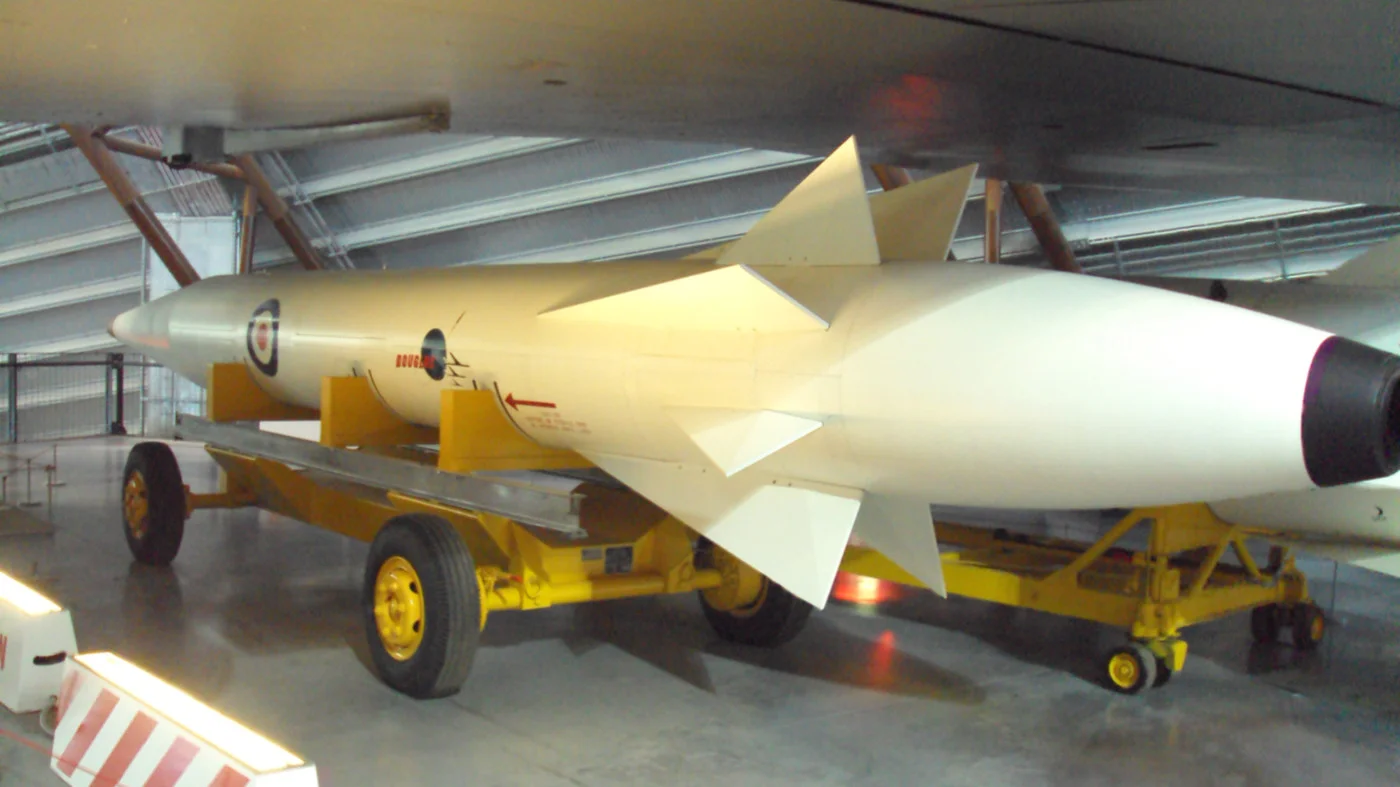
The decision panicked the government of UK Prime Minister Harold Macmillan, with Defence Minister Peter Thorneycroft saying that cancellation would have "serious consequences".
The crisis was resolved through the Nassau Agreement in December 1962, through which the US instead promised Britain submarine-launched Polaris missiles.
The row also caused ruptures with other international partners. French President Charles de Gaulle regarded the deal as making London little more than a vassal of the US and repeatedly vetoed the UK’s bid to join the European Economic Community, the forerunner of the EU.
1964: Vietnam, Wilson and LBJ
During the mid-1960s, US President Lyndon B Johnson sought UK military support in Vietnam, where the US had hundreds of thousands of troops deployed against a growing communist insurgency.
UK Prime Minister and Labour leader Harold Wilson told his cabinet in December 1964: “Lyndon Johnson is begging me even to send a bagpipe band to Vietnam.”
But Wilson opted to remain out of the conflict, providing only tacit support for the US campaign, such as shipments of napalm and bombs from Hong Kong, which was a British territory at the time.
Wilson faced widespread public and parliamentary Labour Party opposition to the war and instead sought to mediate a negotiated settlement in 1967.
The tensions culminated in an angry, late-night phonecall between Johnson and Wilson, in which the two men debated Wilson’s lack of support for US strategy in Vietnam. A US government memorandum of the conversation records Johnson saying to Wilson: “Why don’t you run Malaysia and let me run Vietnam?"
The subsequent government of Conservative Prime Minister Edward Heath (1970-74) expressed greater support for the war but still kept British troops out of Vietnam.
1982: Falklands, Thatcher and Reagan
In April 1982, Argentina invaded the Falkland Islands, which had been under British control since the 19th century.
Despite a request, the US initially declined to offer military assistance to the UK and chose to remain neutral, although it later supplied munitions and gave logistic support.
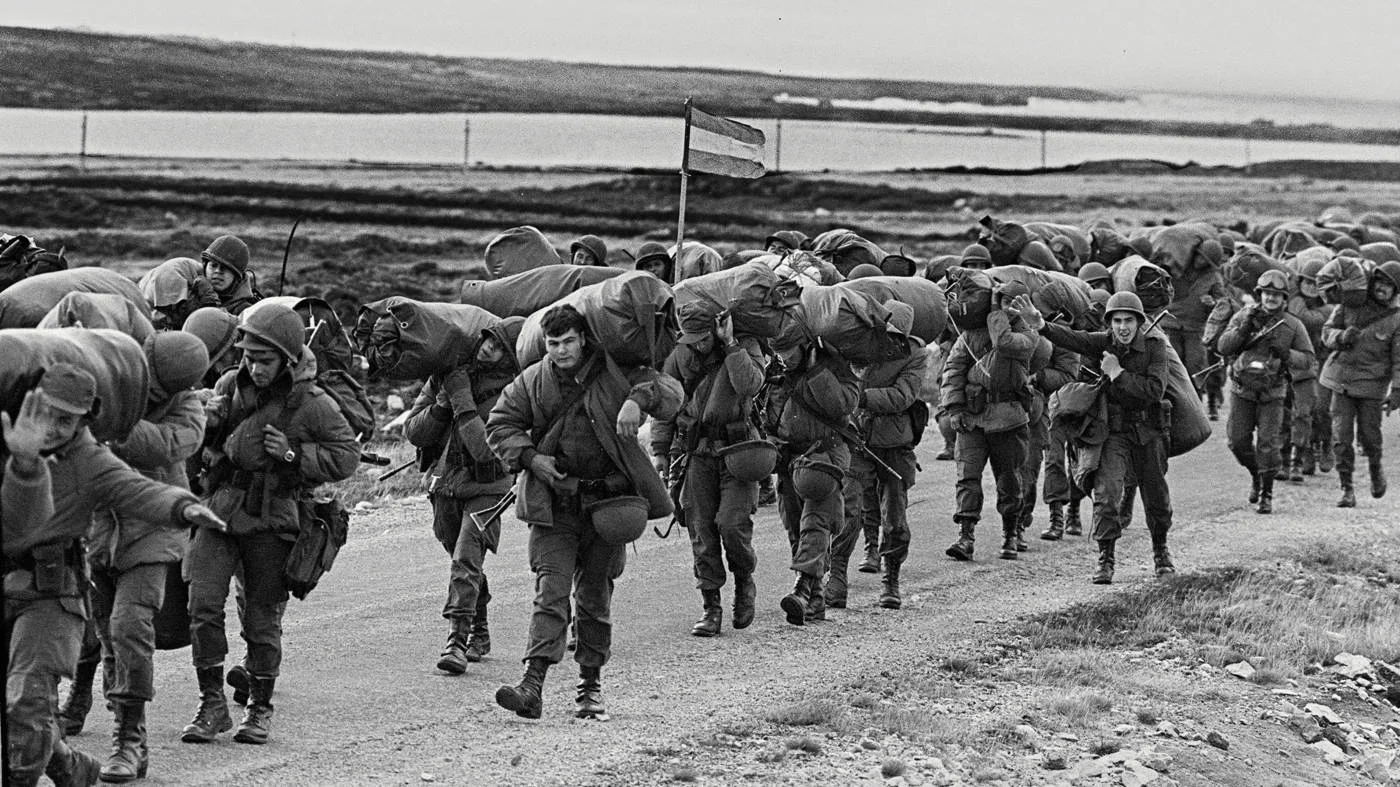
At the time, both London and Buenos Aires were allies of Washington. The Reagan administration was also divided between those who valued the “special relationship” and others who did not want to upset US allies in Latin America.
Declassified UK government documents from May 1982 showed that then-US President Ronald Reagan urged UK Prime Minister Margaret Thatcher to seek a peace deal with Argentina, under which the countries would jointly control the islands, backed by a US-Brazilian peacekeeping force.
But Thatcher insisted that the only acceptable outcome for the UK was for Argentina to surrender without negotiation.
“Britain had not lost precious lives in battle and sent an enormous task force to hand over the queen’s islands to a contact group,” she told Reagan.
The UK recaptured the islands after a 10-week war, which saw the loss of 255 British troops and an estimated 650 Argentine troops.
1983: Grenada, Thatcher and Reagan
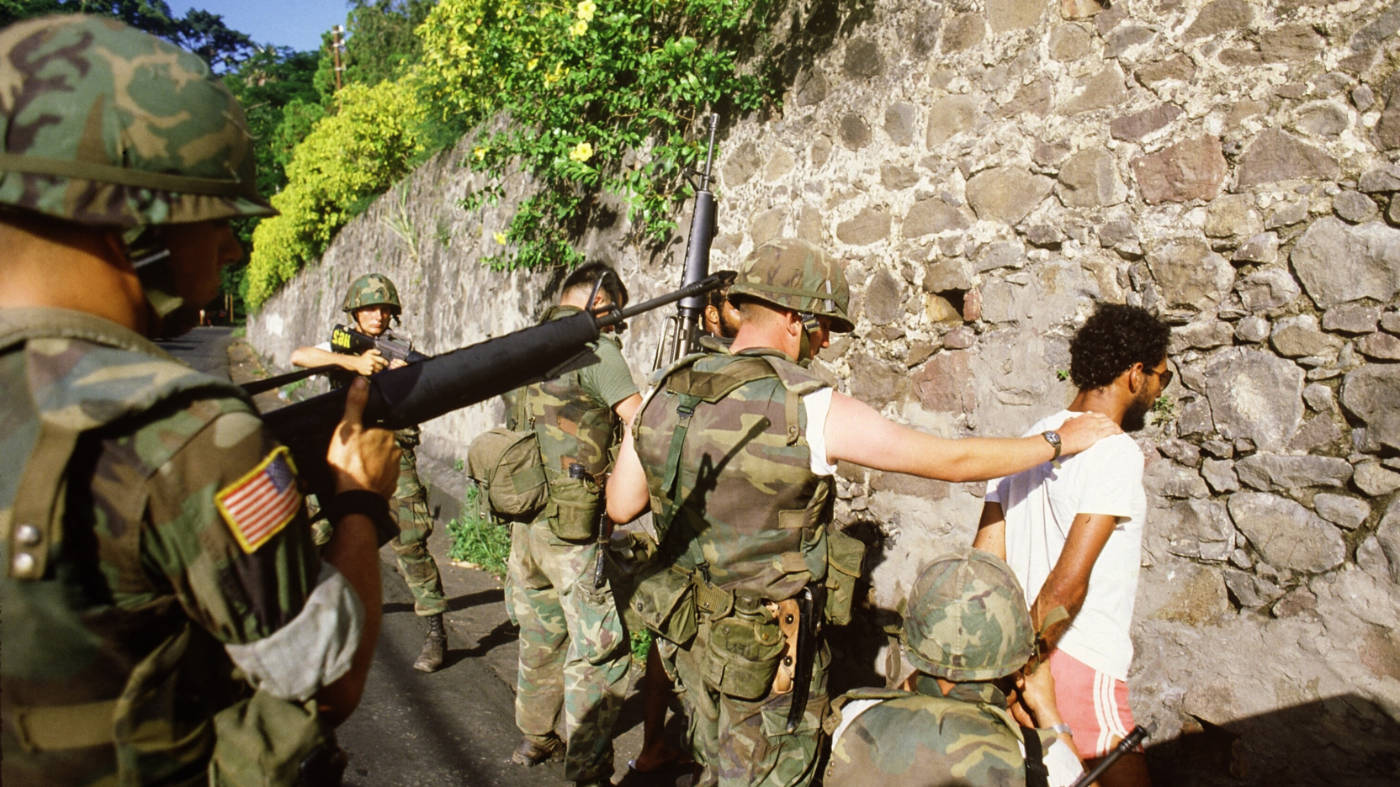
In October 1983, the US invaded Grenada amid a period of political turmoil on the island, during which revolutionary communist leader Maurice Bishop was assassinated by his deputy, Bernard Coard.
Grenada had been a British colony and remained a member of the Commonwealth, with Governor-General Paul Scoon serving as the queen’s representative on the island.
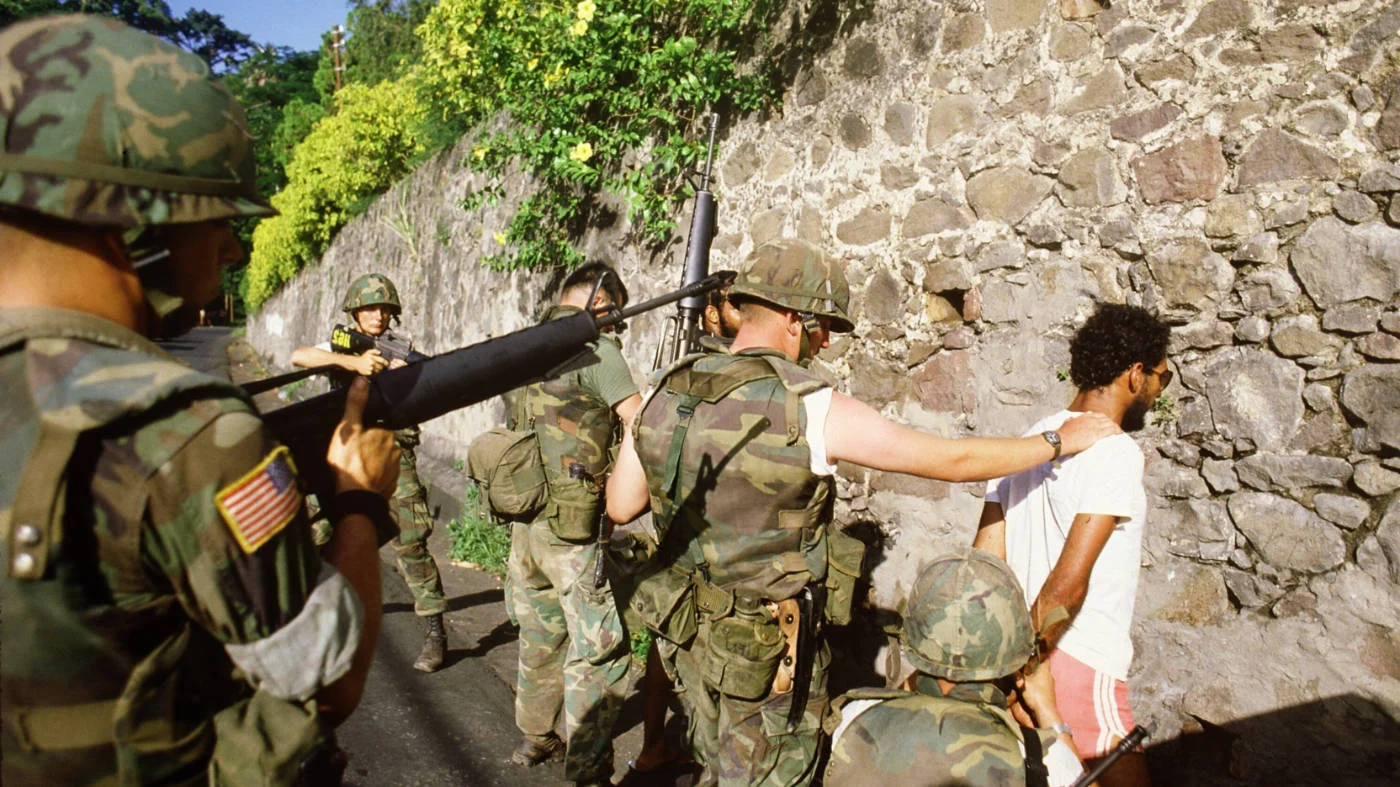
The invasion angered Thatcher, who was not informed in advance of the plans. A declassified telephone conversation between Thatcher and Reagan revealed that Thatcher had expressed concerns about the plans to the US, by which time Reagan said the US troops were already “on their way”.
"We regret very much the embarrassment that's been caused to you," Reagan said. "If I were there, Margaret, I'd throw my hat in the door before I came in."
"There's no need to do that," Thatcher replied.
1994: Northern Ireland, Major and Clinton
In January 1994, the UK tried to stop Gerry Adams, the leader of the Northern Irish political party Sinn Fein, from obtaining a US visa.
Adams was alleged to have been a member of the Irish Republican Army (IRA) paramilitary group, which carried out assassinations and bombings across the UK and Ireland, something he has repeatedly denied.
In the early 1990s, Adams was invited to speak at an event hosted in New York by the National Committee on American Foreign Policy amid growing advocacy for a stronger US role in the Northern Ireland peace process.
Declassified UK government documents show that the British government, led by Prime Minister John Major, lobbied against the visit through the UK ambassador in Washington.
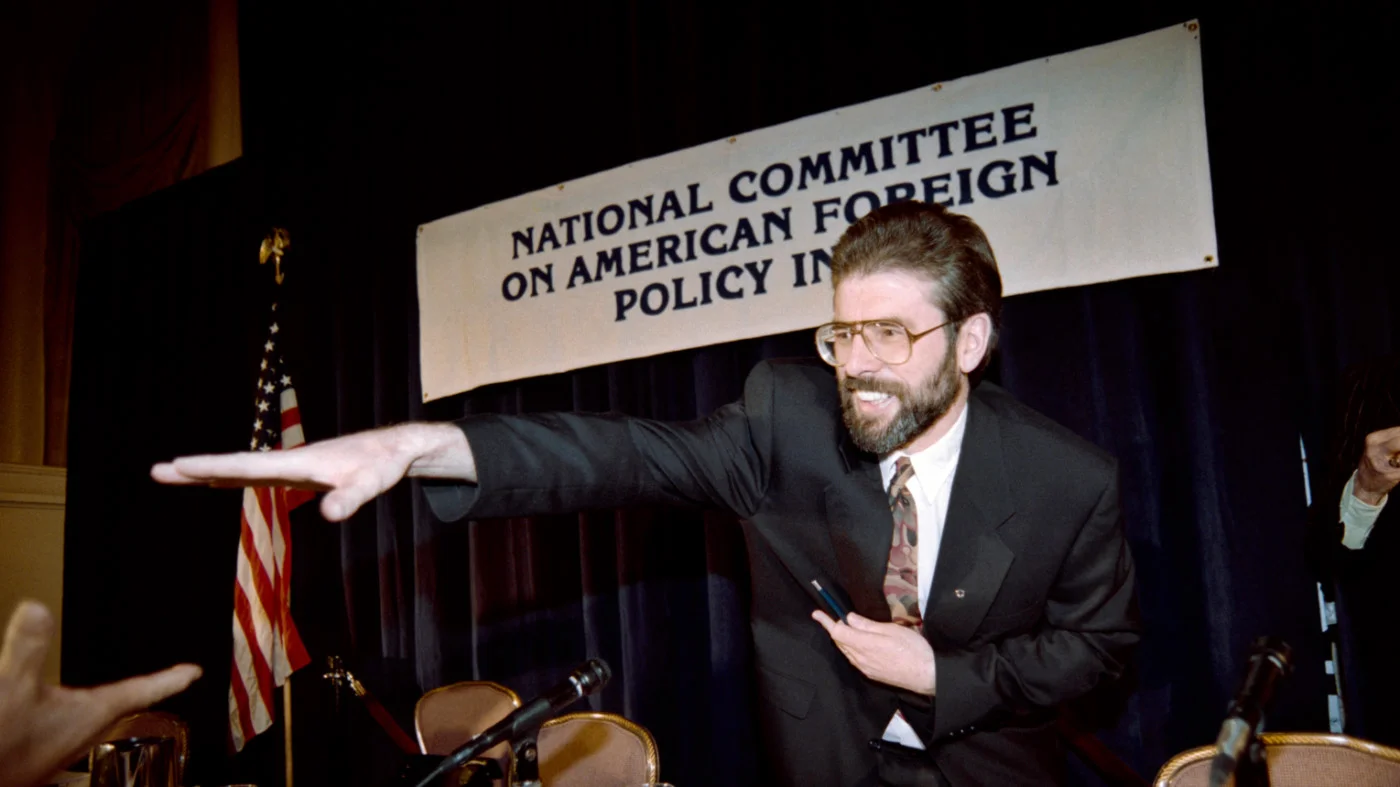
But US President Bill Clinton ignored the protests and granted Adams a 48-hour visa to travel to the US.
In 2013, former Irish diplomat Sean Donlon revealed the levels of British anger at the move as being “incandescent”, adding: “John Major refused to take phone calls from President Clinton for a number of weeks - he just wouldn’t take the call”.
Adams said in 2019 that the visit “was a very small thing itself that symbolically was very important” and served to fast-track the call for a ceasefire in August 1994.
Bill Clinton responded: "The visa decision was highly controversial but critical to jumpstarting the process. Gerry made it clear this would advance peace and I'll always be grateful he kept his word.”
1999: Kosovo, Blair and Clinton
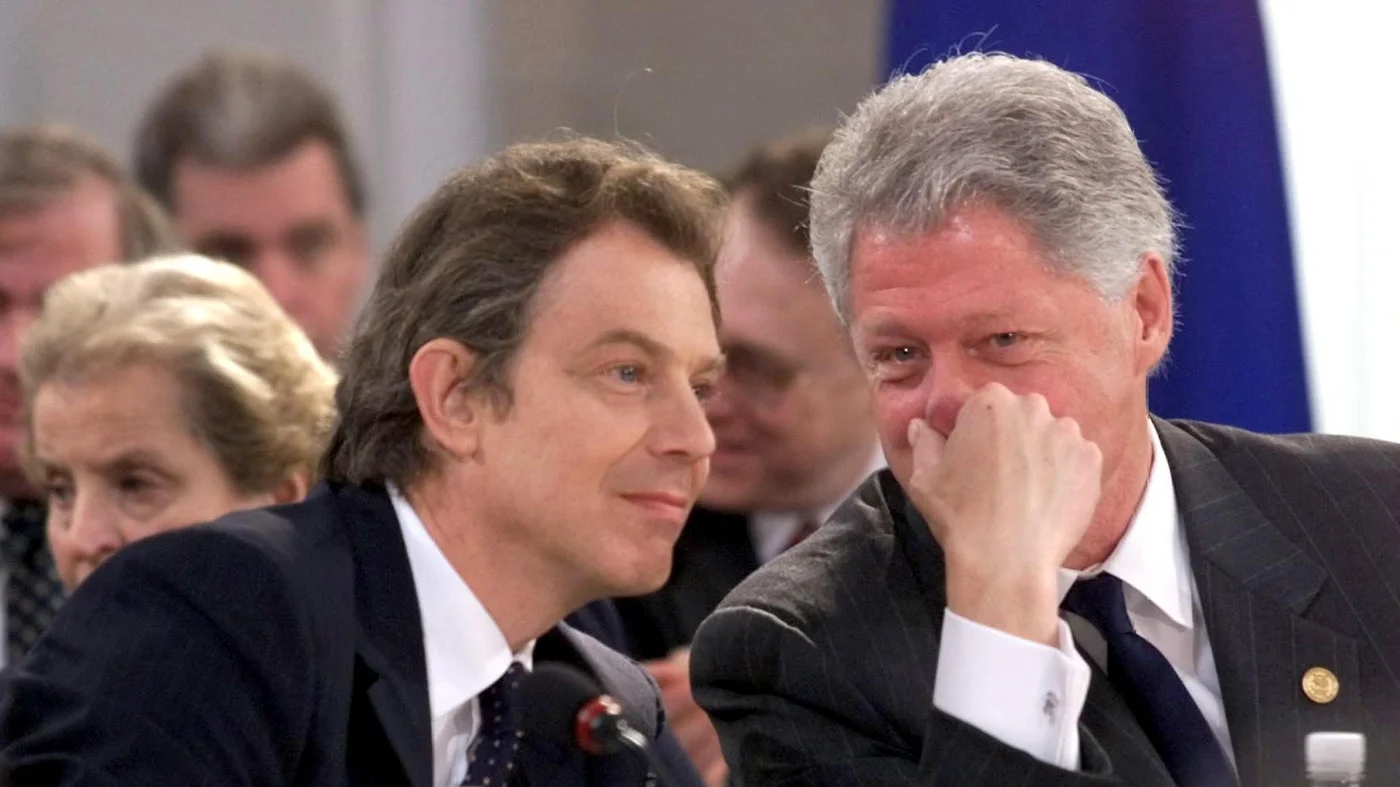
US President Bill Clinton and UK Prime Minister Tony Blair fell out over whether to deploy ground troops to the war in Kosovo in 1999.
During the early 1990s, Yugoslavia fragmented following the collapse of communism. Kosovar Albanians were driven from their homes in Kosovo by Serbian forces intent on ethnic cleansing, including massacres and sexual violence.
Nato involvement in Kosovo had previously consisted of aerial bombing of Serbian forces.
Blair advocated the deployment of Nato ground troops. But amid domestic opposition, Clinton was reluctant and instead favoured the aerial campaign.
The difference over military strategy escalated into a row that included Clinton telling Blair during a tense 90-minute phone call that he should “get control” of staffers who might be encouraging media reports of the rift.
Eventually, the UK committed 4,000 ground troops to Kosovo as part of a joint UN-Nato peacekeeping mission.
2011: Libya, Cameron and Obama
Tensions also developed between US President Barack Obama and UK Prime Minister David Cameron over military intervention in Libya in 2011.
In an interview with The Atlantic in April 2016, Obama criticised Cameron for participating in military action to remove Libyan leader Muammar Gaddafi, but failing to deal with what he described as the subsequent “mess”.
The UK spent nearly 13 times as much on bombing Libya as it did on rebuilding the country afterwards.
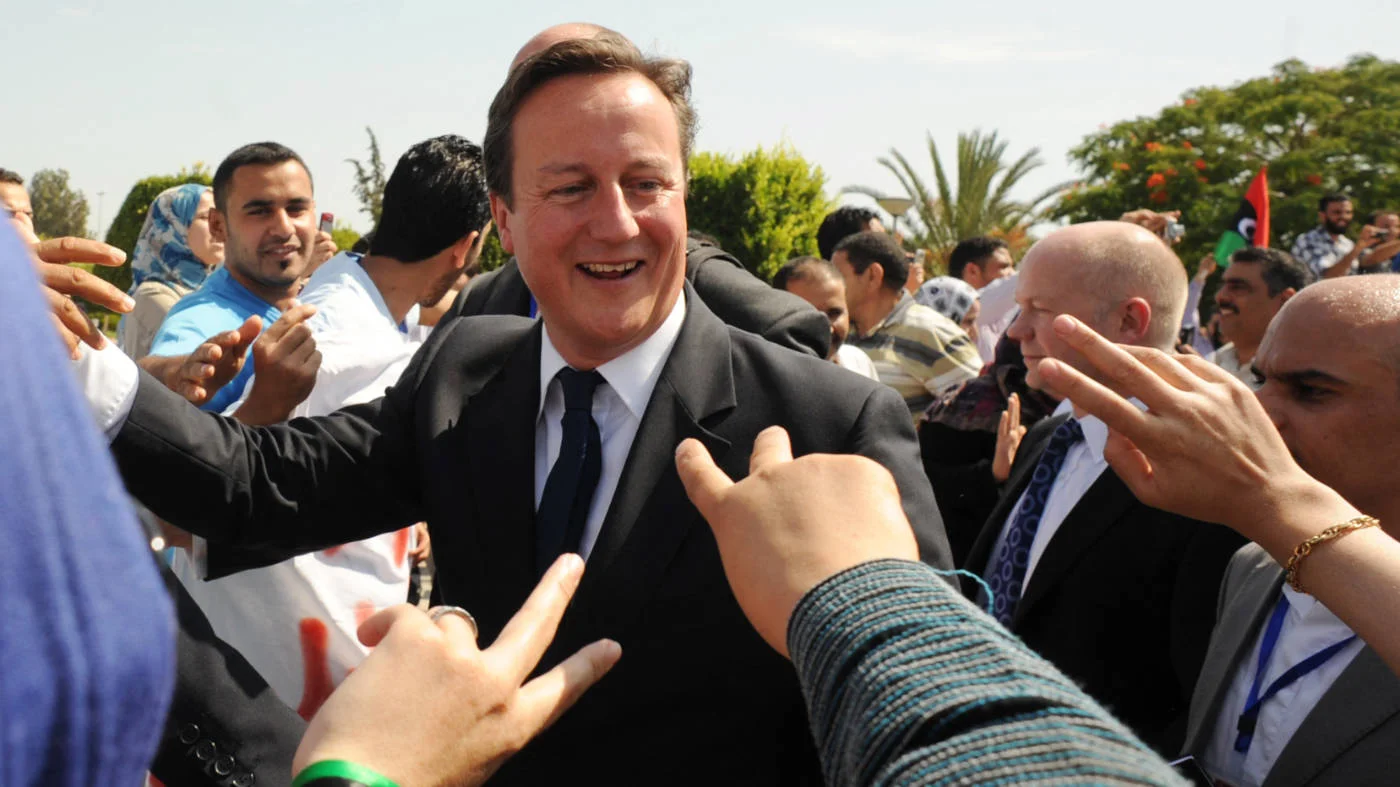
“When I go back and I ask myself what went wrong, there's room for criticism, because I had more faith in the Europeans, given Libya's proximity, being invested in the follow-up,” Obama told The Atlantic.
Obama also described European leaders as “freeriders” and complained that Cameron had been "distracted by a range of other things" at the time.
The Nato intervention, which Obama privately called a “shitshow”, was widely criticised as a catastrophic foreign policy blunder that has left Libya fragmented to this day.
2021: Afghanistan, Johnson and Biden/Trump
Relations between the US and UK were strained by the US withdrawal from Afghanistan in August 2021.
It led to the Taliban swiftly regaining control of the country, two decades after the initial US-led invasion aimed at displacing them.
UK Prime Minister Boris Johnson appeared to criticise US President Joe Biden.
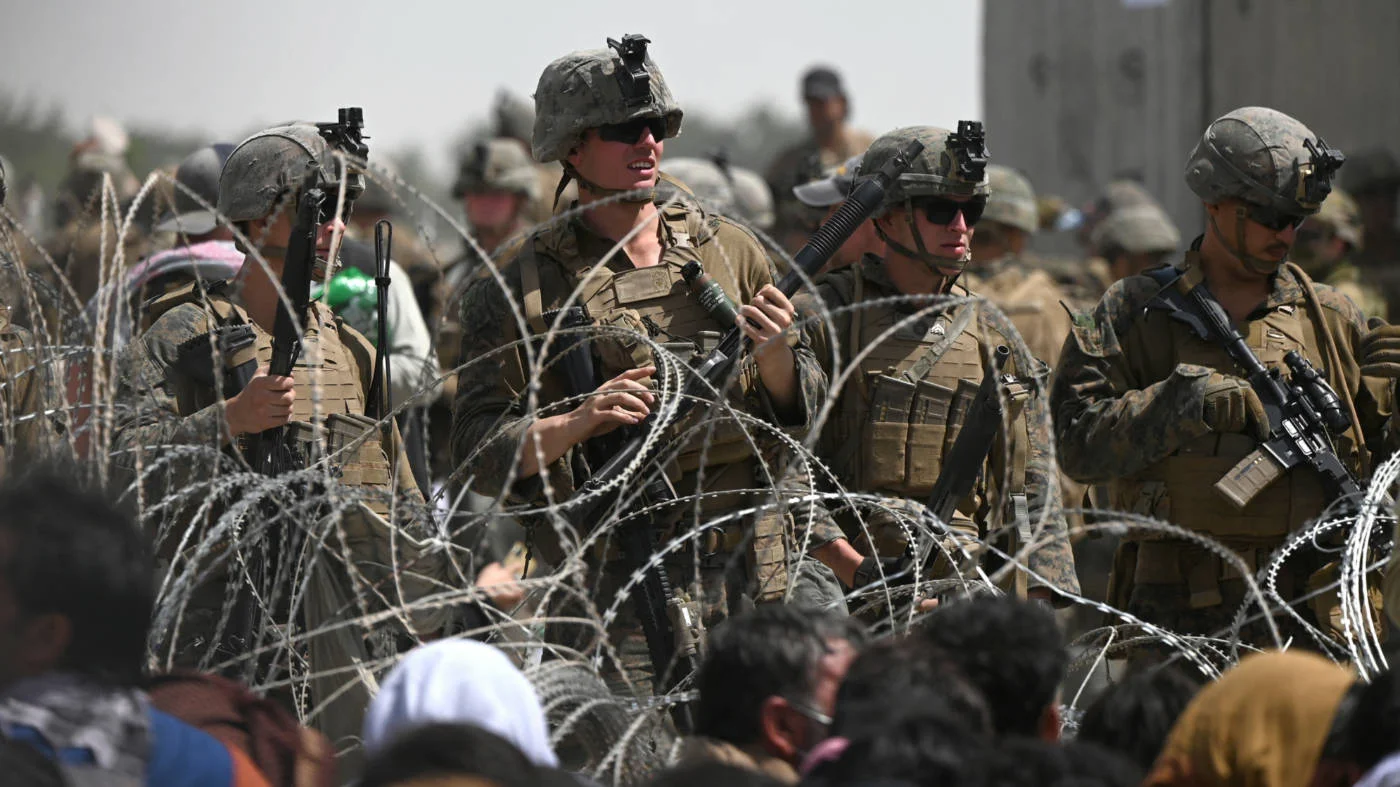
"It is fair to say that the US decision to pull out has accelerated things," Johnson said on 15 August after the Taliban retook Kabul, the Afghan capital.
In the coming days, Ben Wallace, the UK defence secretary, called the Doha agreement to withdraw allied troops struck by the previous Trump administration in 2020 a “rotten deal".
Johnson subsequently lobbied Biden at a G7 leaders’ meeting in August 2021 to extend the evacuation timeline beyond the end of that month. Biden refused.
Middle East Eye delivers independent and unrivalled coverage and analysis of the Middle East, North Africa and beyond. To learn more about republishing this content and the associated fees, please fill out this form. More about MEE can be found here.