RSF drone strikes shatter sense of optimism in Sudan's el-Obeid

Early in the morning of 12 August, life in the embattled Sudanese city of el-Obeid was strangely normal.
The streets were full of children on their way to school. Voices selling fruit drowned out the rumble of buses, and under the shade of trees people snatched a cup of tea or coffee before heading to work.
A certain sense of optimism had diffused through the North Kordofan state capital.
Not only had the Sudanese Armed Forces (SAF) partially lifted the long Rapid Support Forces (RSF) siege on el-Obeid, but the rainy season was also beginning, heralding a physical and metaphorical change in fortunes for people who had suffered with severe scarcities of food or clean water.
Suddenly, everything changed. The crowds scattered in all directions and people pointed at the sky. There, RSF drones reappeared, and so the residents’ fears as well.
New MEE newsletter: Jerusalem Dispatch
Sign up to get the latest insights and analysis on Israel-Palestine, alongside Turkey Unpacked and other MEE newsletters
The sounds of SAF air defences were deafening. Middle East Eye watched at least four drones fall after being picked out of the sky to cries of “Allahu Akbar” from bystanders.
One young woman was herself downed, wounded by a falling drone fragment and rushed to hospital.
The drone attack that morning was the first time the paramilitary Rapid Support Forces had responded to significant defeats it suffered in Bara, a city 60km north of el-Obeid, and other surrounding areas.
'We adapted ourselves to these RSF attacks on civilians that happen from time to time. We won’t leave this city whatever happens'
- Ahmed al-Mardi, a taxi driver
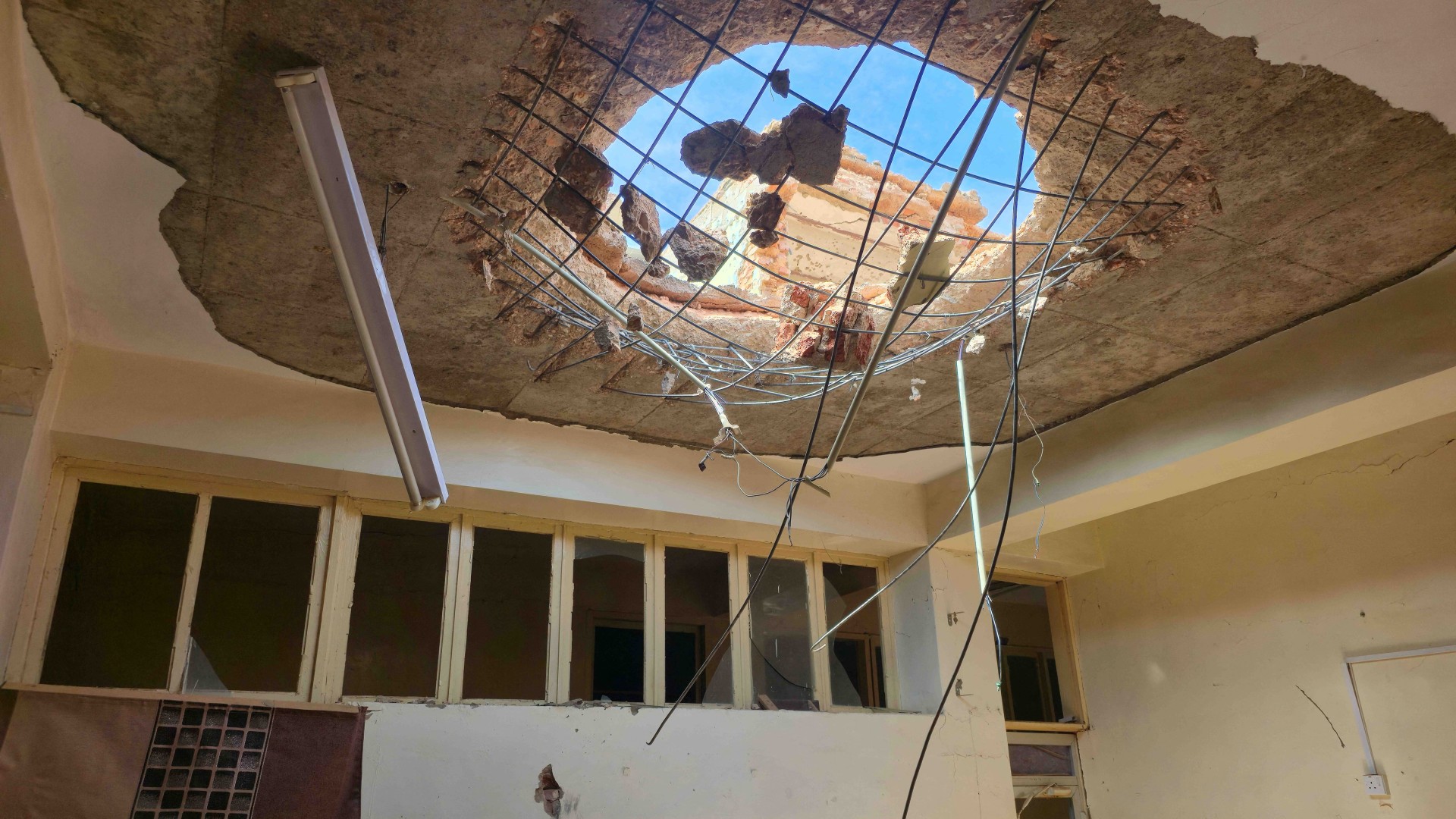
El-Obeid has been no stranger to drone attacks over the past three years of war. Evidence can be seen everywhere: craters on the roads, oil and electricity facilities destroyed, and bombed-out hospitals, markets and homes.
Despite that, the estimated one million Sudanese living there have insisted on living life as normally as possible.
“We adapted ourselves to these RSF attacks on civilians that happen from time to time. We won’t leave this city whatever happens,” Ahmed al-Mardi, a taxi driver, told MEE as the drone strikes unfolded that August morning.
A trader in the market nearby, who preferred not to be named, asked why the RSF never seemed to target SAF instead of civilians.
“The RSF doesn’t care about the civilians or the life of the people of el-Obeid,” he said.

Osman Abdullatif, head of a civilian committee supporting the SAF and the Popular Resistance auxiliary units, told MEE that the RSF intentionally targets civilians in an attempt to displace whole populations.
“We have seen in el-Genena, Khartoum, el-Jazira and el-Fasher that the RSF strategy is dependent on forcing people into displacement,” he said.
Abdullatif said Sudanese in el-Obeid saw how the RSF massacred Masalit people in West Darfur’s el-Geneina in the summer of 2023, after which supporters of the paramilitary group occupied houses and land belonging to members of the community.
“We understood the lesson and would never leave,” he stressed.
Filthy, disorganised, expensive
El-Obeid has spent much of the past three years under siege and under attack.
Though its residents display incredible resilience, the city itself reveals the burden of such resistance: el-Obeid is filthy, disorganised and expensive, with basic necessities often absent.
'Our victory in Bara is very strategic, we seized a lot of weapons and military vehicles, lifted the siege of el-Obied and opened access for more supplies'
- senior military source
Hundreds of thousands of people have fled the city, but similar numbers have used it as a refuge after being displaced from other areas of Kordofan, Darfur and nearby regions. There are camps for these displaced people all around the city.
The market is open. Universities and schools are too, and even marriages are being held despite the danger in the sky.
One activist, who asked not to be named for security reasons, told MEE that these everyday scenes were just a veneer.
There are large numbers of SAF soldiers, former Darfuri rebels in the Joint Forces, and mobilised civilians that make up the Popular Resistance, which residents find very intimidating.
“We have seen more than 40,000 military personnel in the city, destruction and the wide deployment of the undisciplined Joint Forces of the former Darfur rebels. This situation has to be organised, or it will lead to serious consequences,” he warned.
Vital importance
El-Obeid is ringed by barricades and checkpoints, with just one route linking it to Khartoum through neighbouring White Nile State. The road to the capital is more than 700km long and the drive takes around 10 hours.
SAF is trying to secure and reopen the Export Road, the traditional and strategic route to Khartoum from Kordofan, which before the war was the conduit for the region’s rich produce, such as gum Arabic.
In July, Bara and other areas along the road were retaken by SAF. But the RSF has responded with counterattacks, and the Export Road remains in play.
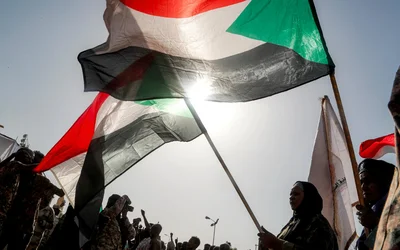
The RSF claimed it inflicted significant losses on SAF and its allies in Gabrat al-Shiekh, Geraigikh, Girfa - which SAF denies. Drone attacks on el-Obeid have stepped up over the past month in tandem with the counterattacks.
El-Obeid is the largest and most significant city in western Sudan that is still under SAF control.
For months, it has been the frontline between the army and its paramilitary enemy, which controls all of Darfur in Sudan’s west.
Its strategic location has previously made it a humanitarian hub during UN operations in South Sudan and Darfur, and el-Obeid may yet play that role again.
With this in mind, both SAF and the RSF have great interest in being the ones to administer the city and therefore be the authorities that the international community has to work with.
According to a senior military source in el-Obeid, the seizing of Bara has been of vital importance to the North Kordofan capital’s future.
“Our victory in Bara is very strategic, we seized a lot of weapons and military vehicles, lifted the siege of el-Obeid and opened access for more supplies to ourselves,” he said.
The RSF, the source said, is now in its weakest position since Kordofan became the Sudanese war’s main theatre after the paramiitaries seized el-Fasher in October 2025.
“We cut the supplies coming from Libya to Kordofan through Darfur, which had been the lifeline for the RSF in North Kordofan,” said the source, who spoke on condition of anonymity because he was not authorised to speak to the media.
“We are now ready to move from North to West Kordofan, more specifically al-Nuhud, Mazrob, al-Kwai and Babanousa. If SAF seizes these areas during this rainy season, the way to Darfur would be opened,” he added.
“This is why we have seen the RSF trying to counterattack us in North Kordofan, but we repulsed all their attempts and kept the new areas that we liberated.”
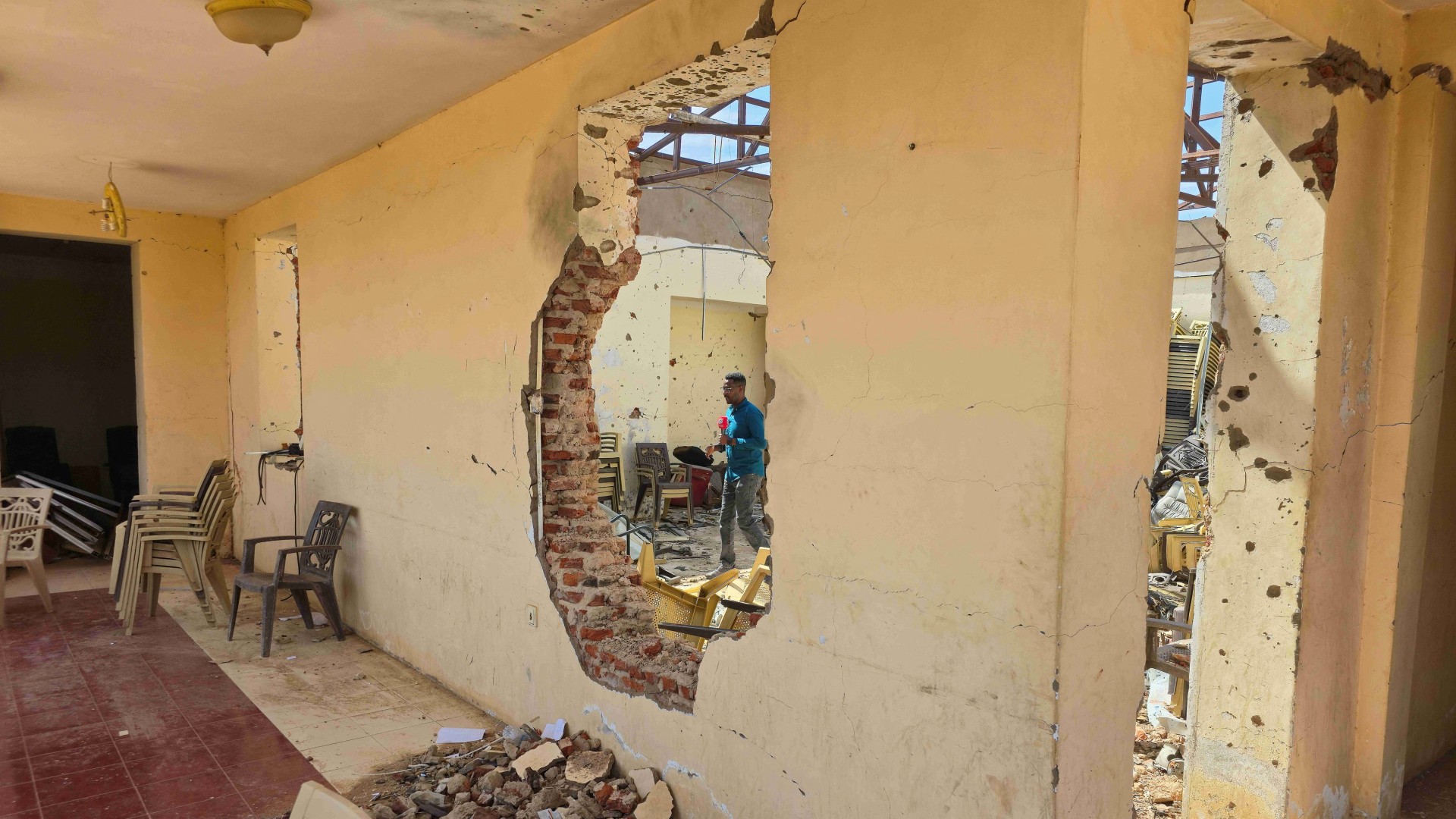
A military expert and retired officer with much experience of North Kordofan told MEE that the war is at a crucial moment because of Kordofan’s strategic location.
“We have seen how the two sides have tried to gain more territory in Kordofan as international pressure has grown to stop the fighting and cease fire across the country. SAF wants to liberate the greater Kordofan [region] and be closer to the RSF capital in Nyala, while the RSF wants to remain a threat to el-Obeid and even Omdurman,” said the expert, who preferred not to be named for security reasons.
El-Obeid is critical for the supply route for both sides, including the supplies of fighters, he explained. "SAF has managed to secure Omdurman and el-Obeid by seizing Bara and Gabrat al-Sheikh, where the drones were coming from,” he added.
“However, the RSF is opening a new front and seized new areas in the Blue Nile State, but I think it is doing so to distract SAF, because the main battle is in Kordofan rather than anywhere else.”
Middle East Eye delivers independent and unrivalled coverage and analysis of the Middle East, North Africa and beyond. To learn more about republishing this content and the associated fees, please fill out this form. More about MEE can be found here.