Live: Trump says he views Hormuz as 'American territory right now'

Live Updates
Here are some of the latest developments in the occupied West Bank, as reported by the Wafa news agency:
-
Israeli forces opened fire on Palestinians near al-Ram, north of occupied Jerusalem, as military vehicles raided the area. No casualties were immediately reported.
-
In a separate raid, Israeli forces deployed in central Tubas and fired stun grenades at young men.
-
Israeli forces destroyed water pipelines in Atouf and Ras al-Ahmar, southeast of Tubas, to build a military road, causing significant losses to the agricultural sector, according to a local activist.
-
Israeli settlers set fire to agricultural land east of Jiljilyya, north of Ramallah, before civil defence crews brought the blaze under control.
-
Israeli settlers besieged a Palestinian family’s home on the outskirts of Qusra, south of Nablus, for a second consecutive day, blocking access, food deliveries and visitors, and preventing the family from leaving. Israeli soldiers joined the settlers in prayer and took selfies with them before leaving without ending the siege.
-
Israeli forces raided Balata refugee camp near Nablus, shooting and injuring a young man and detaining five Palestinians.
-
Israeli authorities issued a military order to seize land in Marda, Salfit, to build a communications tower.
US-brokered talks between Lebanon and Israel will resume in Rome early next month, Al Jazeera reported, citing a US State Department official.
The official said initial implementation of the pilot zones within the trilateral framework has begun, and the military coordination group on Lebanon is working to ensure their successful rollout.
“Both sides face political constraints, and we are working to address them systematically,” the official said.
“The process remains positive, and no one is slowing down the implementation of the agreement."
The official also noted that the framework is being implemented, the first zones are operational and working groups have standardised terminology, maps and procedures.
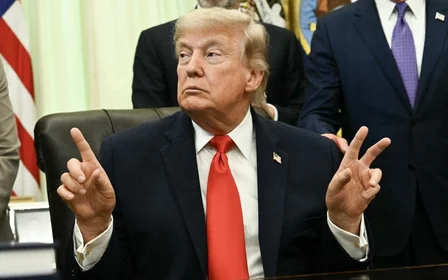
US President Donald Trump said on Monday that the United States controls the Strait of Hormuz and had swept the strategic oil waterway for Iranian mines.
"Look, the only one that has control of the Strait of Hormuz right now is the United States Navy," Trump told reporters in the Oval Office.
"We've mine-swept the entire strait."
President Donald Trump insisted Monday that his relationship with Prime Minister Benjamin Netanyahu is "very good" despite the Israeli leader's rejection of a US-led Gaza plan.
“The relationship is very good,” Trump said in response to a shouted question from a journalist at the end of an Oval Office event.
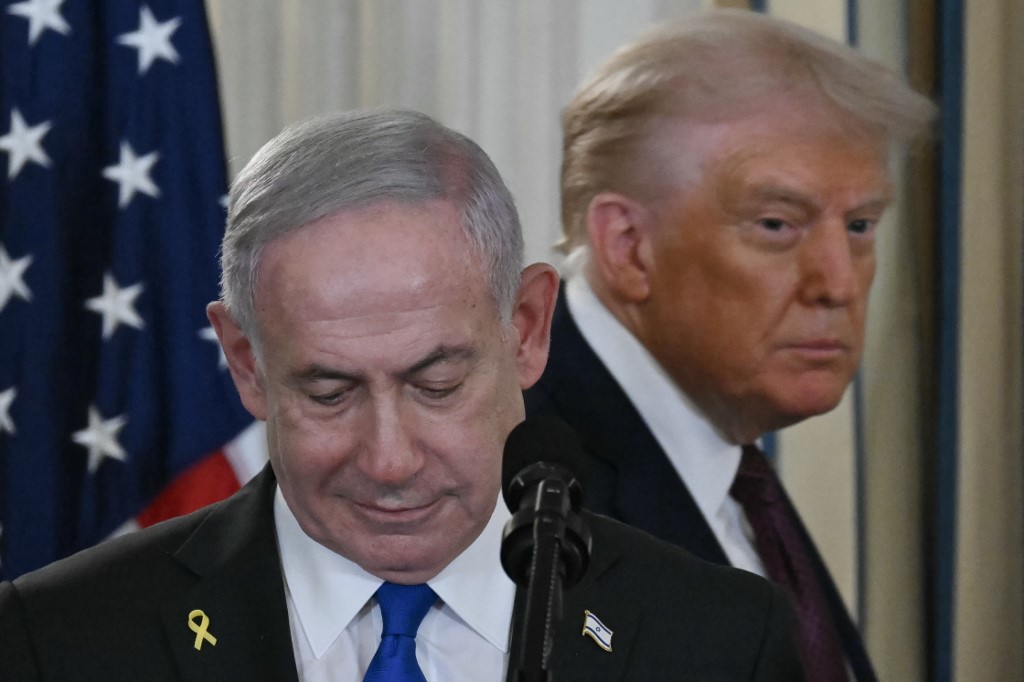

US President Donald Trump's Gaza plan is still operative, and discussions with Israel are continuing, a "Board of Peace" official said on Monday after Prime Minister Benjamin Netanyahu rejected an Israeli withdrawal until Hamas is "genuinely disarmed".
Netanyahu on Sunday restated his rejection of the Gaza plan in televised remarks to his right-wing government.
"The plan is very much still operative and advancing," the official told Reuters.
"The process is based on implementation and verification on the ground. Discussions with Israel are continuing, and the framework is designed so that each stage only moves forward once the required commitments have been met," the official said.
When Turkish President Recep Tayyip Erdogan travelled to Mecca on Friday to sign a security pact with Pakistan and Saudi Arabia, Turkish officials chose to keep the trip secret.
The visit did not appear on Erdogan's official schedule. Instead, the three countries decided abruptly on Tuesday that the signing ceremony would take place on Friday.
People familiar with the matter told Middle East Eye that senior Turkish officials feared that publicising Erdogan's schedule would give unwanted powers an opportunity to disrupt the agreement.
Their concerns were understandable.
Read more: Why Egypt held back from joining Turkey, Saudi Arabia and Pakistan's defence pact
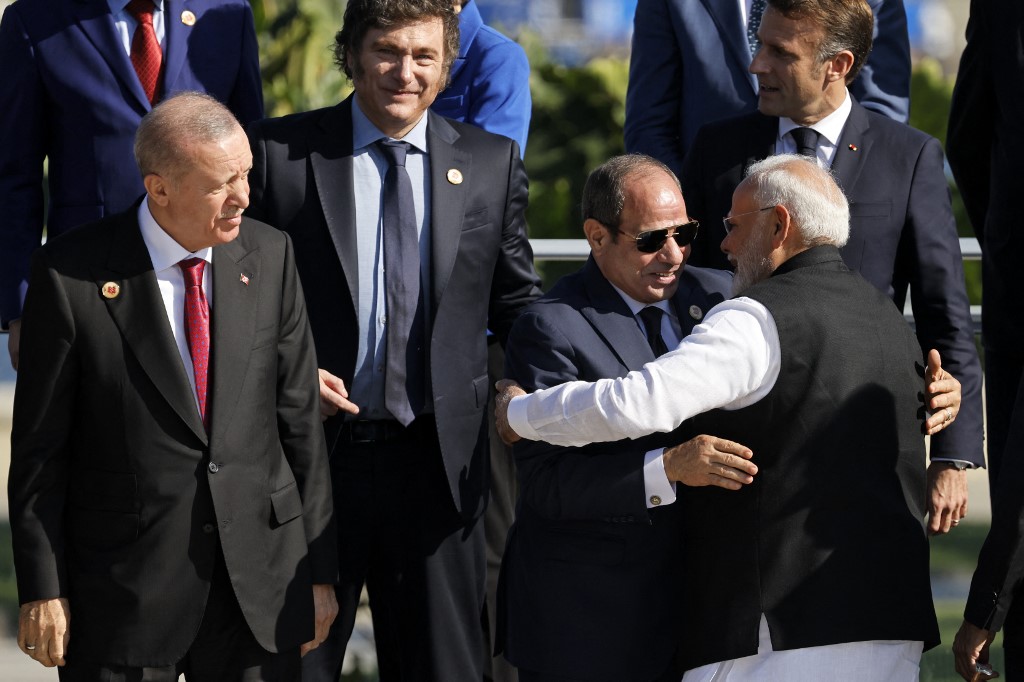
US President Donald Trump said on Monday he will demand that Iran pay compensation for "all of the people that they have killed and gravely wounded", in response to Iran seeking compensation for the damages it has incurred from US and Israeli attacks.
Trump's social media post came after Iran said over the weekend it was nearing a deal with Oman defining new shipping lanes between them through the Strait of Hormuz, but repeated that the US must meet conditions including compensation and an end to sanctions and military threats, before the strategic waterway is reopened.
"It is an interesting idea because now I am likewise demanding compensation from Iran, for all of the people that they have killed and gravely wounded with their roadside bombs and many conflicts," he wrote on Truth Social.
Trump also referenced and claimed compensation from Iran for the October 2000 deadly bombing of the US Navy guided-missile destroyer USS Cole at a Yemeni port. The FBI has attributed that bombing, which killed 17 sailors and wounded more than three dozen others, to al-Qaeda.
Trump added that Tehran should also pay compensation to the families of the thousands of people killed during anti-government protests in January, Iran's worst domestic unrest since the era of its 1979 Islamic Revolution.
Iranian Supreme Leader Mojtaba Khamenei named Islamic Revolutionary Guard Corps General Ali Abdollahi head of the country's armed forces on Monday, while also confirming a new commander of the Guard, putting his imprimatur on the country's military.
Abdollahi had previously led the Khatam al-Anbiya, Iran's inter-branch central military command tasked with coordinating operations.
A statement on Khamenei's website announced that "Major General Ali Abdollahi has been appointed chief of staff of the armed forces. Brigadier General Ahmad Vahidi has also been appointed Commander-in-Chief of the Islamic Revolutionary Guard Corps with the rank of major general."
The pair represent Khamenei's first senior military appointments since being named supreme leader early in the Middle East war after the death of his father in US-Israeli strikes.
Nima Moradi was a 23-year-old sailor on his maiden voyage aboard Anna, a commercial ship in the Caspian Sea, carrying iron from Russia to Iran.
He was from the port city of Bandar Anzali in northern Iran and had dreamed of becoming a mariner since he was a child.
The boat he was travelling on was hit by a Ukrainian long-range drone on 25 July - Moradi was killed in the attack, and another crew member was wounded.
In a post on social media, Moradi's father Masoud wrote: “My son, I can’t believe the sadness your absence brings – you left me... we are in pain without wet tears.”
Read more: The Caspian gamble: Iran-Ukraine tensions widen the 'geography of instability'
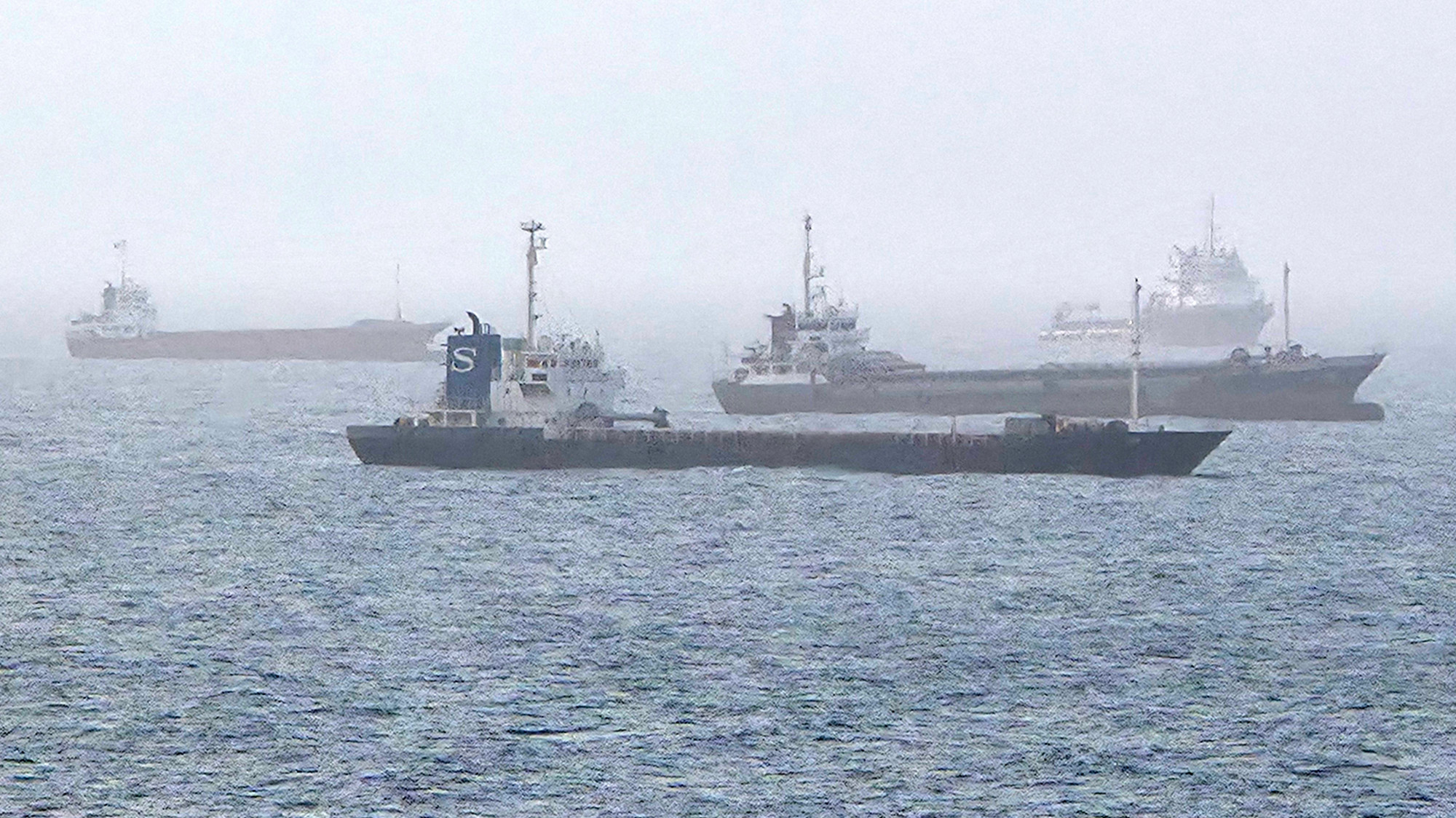
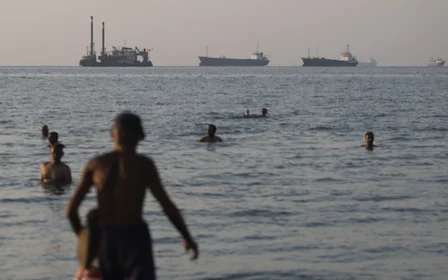
Ship-tracking firm Marine Traffic has said that traffic through the Strait of Hormuz this weekend has declined, falling to just six crossings on Sunday.
Bab al-Mandab remained busier, with close to 40 crossings yesterday.
Weekend vessel traffic diverges
— MarineTraffic (@MarineTraffic) August 10, 2026
Maritime traffic through the Strait of Hormuz weakened markedly over the weekend. Confirmed crossings fell from 15 on Friday to 11 on Saturday and six on Sunday, with 32 vessels crossing between 7 and 9 August. Routing remained concentrated,… pic.twitter.com/YcFZ6TNbvO
Abu Dhabi National Oil Co (Adnoc), the Emirate's national oil company, announced plans to construct a new gas export facility to bypass the Strait of Hormuz.
The company reported its income for the second quarter of 2026 earlier today, beating forecasts with a net income of $665m and strong guidance for the rest of the year, contingent on exports being fully restored in the fourth quarter.
Adnoc also announced its intention to construct a liquefied natural gas (LNG) export facility on the eastern coast of the UAE, which would allow it to move LNG out of the Persian Gulf without having to cross the Strait of Hormuz.
The company's ships have come under repeated attacks while transiting through Hormuz, with three of its vessels having been attacked by drones and missiles last week.
Tehran has described Iranians as “professional chess players” in their dealings with the US, as it insisted that Washington must meet its demands for the re-opening of the Strait of Hormuz.
US President Donald Trump on Sunday indicated that he was prepared to let economic pressure mount against Iran, appearing to back away from more military strikes after Tehran issued a list of demands for opening the Strait of Hormuz.
Trump was quoted by Axios as saying he was "low-keying it" with Iran.
"We are only semi-negotiating with them. We are just watching Iran with its huge inflation and the fact they have no money," he said.
"It will work out. It always works out. It's like a chess game," Trump added.
Read more: Iran says its people are ‘professional chess players’ in dealing with the US
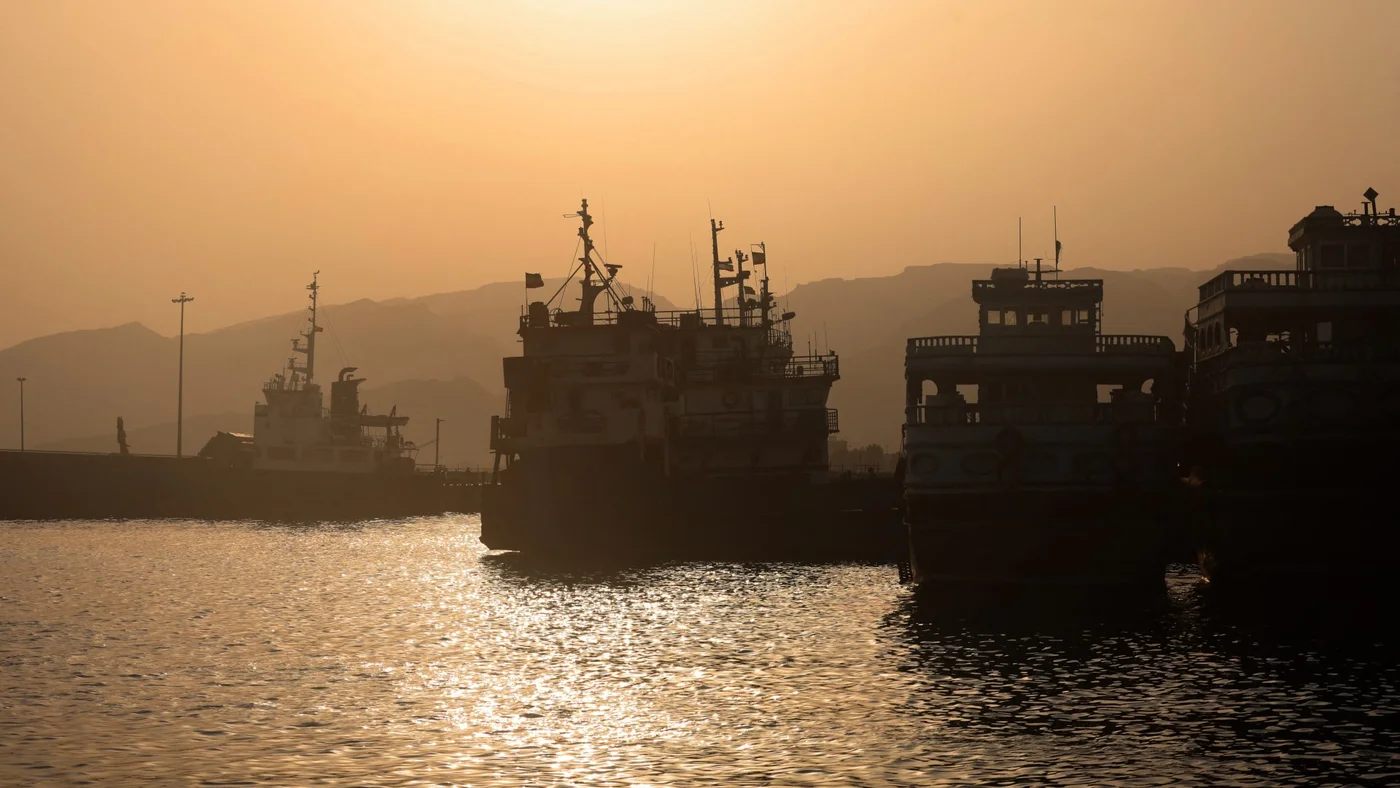
Smoke billowed from the port city of Mocha, Yemen, after a Houthi attack that killed 11 people on Sunday. It followed an earlier drone attack on a Saudi oil refinery on the coast of the Red Sea
Smoke billowed from the port city of Mocha, Yemen, after a Houthi attack that killed 11 people on Sunday.
— Middle East Eye (@MiddleEastEye) August 9, 2026
It followed an earlier drone attack on a Saudi oil refinery on the coast of the Red Sea pic.twitter.com/gBNI1H8KlG
Hans Grundberg, the UN special envoy for Yemen, has expressed "deep concerns" about Yemen's Houthis' attacks on the Red Sea port of Mocha, which killed at least seven people and wounded 30 others, including some civilians.
He called on all parties to "exercise maximum restraint", and said the conflict could only "end sustainably through an inclusive political process".
I am deeply concerned by the recent attacks by Ansar Allah on Mokha, which reportedly resulted in civilian and military casualties and caused damage to infrastructure, including at the port.
— @OSE_Yemen (@OSE_Yemen) August 10, 2026
These attacks come amid the most significant intensification of military activity since…
A British couple detained in Iran accused of spying have ended their latest months-long hunger strikes protesting their treatment in prison, their family said Monday.
Lindsay and Craig Foreman, both aged in their early 50s, were seized in January 2025 as they passed through Iran while on a round-the-world motorbike trip.
They were sentenced in February to a decade in prison on espionage charges that they deny, with two years subsequently added to Craig Foreman's term for talking to the media.
They launched their latest hunger strikes in May, protesting the "serious physical toll" their detentions were taking, with Craig Foreman lasting 93 days and his wife 84 days, according to their relatives.
The couple has consistently complained about overcrowded and unsanitary conditions in the prison they are detained in.