Live: Israel shells towns and razes homes in southern Lebanon

Live Updates
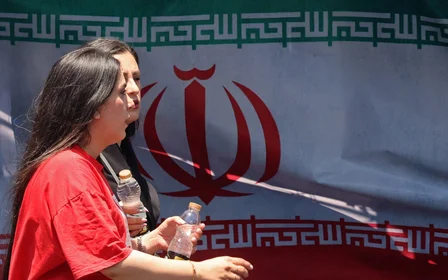
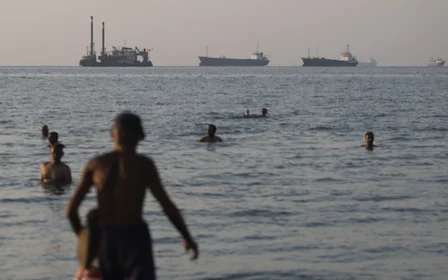
A spokesperson for the Iranian parliament said on Friday that a framework of understanding with Oman regarding the Strait of Hormuz has been agreed upon.
“The general framework of the understanding with Oman has been determined, and the final text and details will be announced soon,” he told the Iranian state media.
He noted that "the final decision must be made at higher levels”.
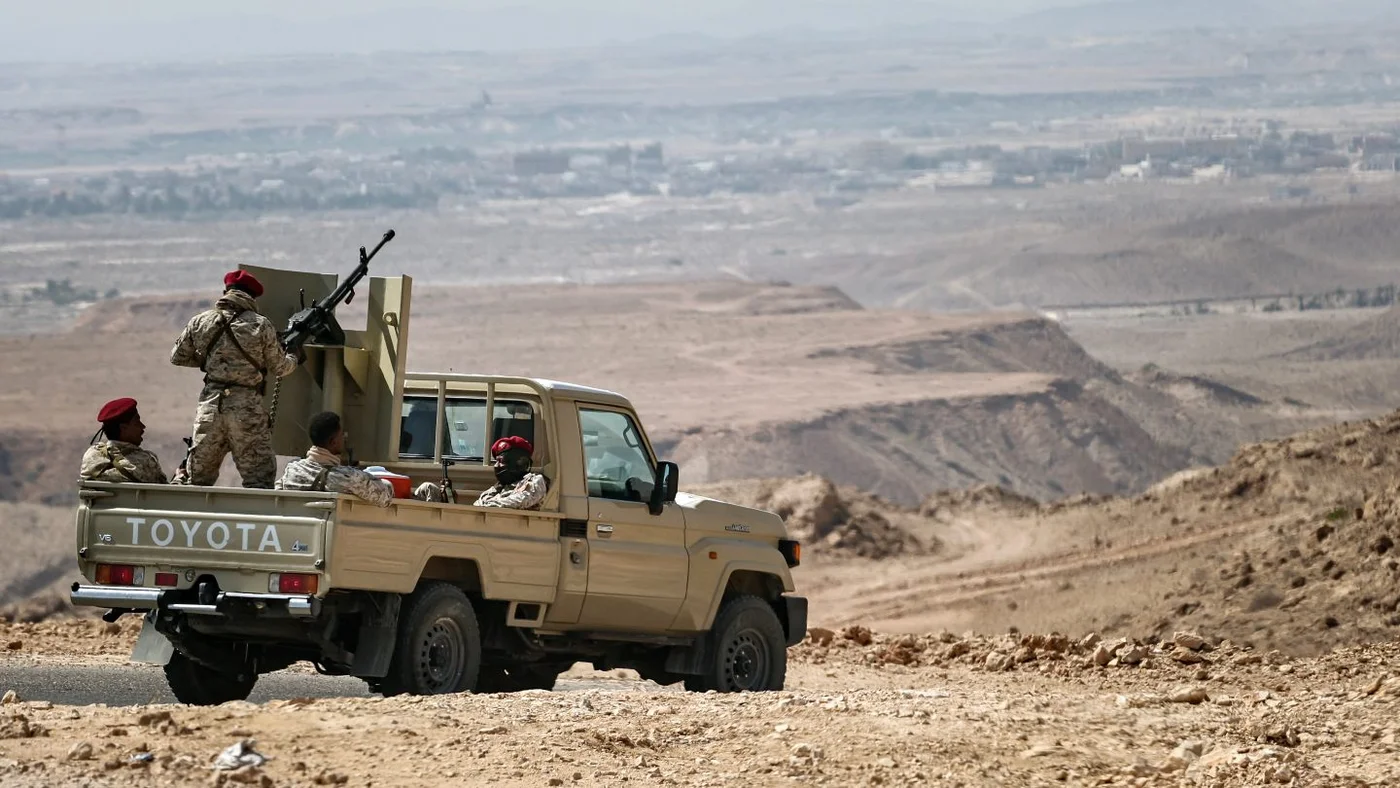
At least 38 members of Yemen's government forces were killed and 29 others were wounded in missile and drone attacks carried out by Houthis on Thursday, according to AFP.
The attack marked the deadliest assault on forces of Yemen's internationally recognised government since the 2022 United Nations-brokered truce, military officials have said.
The Houthis said the attacks were in retaliation for the "Saudi-backed military buildup", as Yemen's long-running conflict shows signs of intensifying alongside the broader US-Iran confrontation.
Houthi military spokesman Yahya Saree said the group targeted government military positions with ballistic missiles and drones, naming al-Ruwaik, al-Thaniyah and al-Abr as among the areas struck.
"We are prepared to confront any escalation," Saree said.
Read more: Houthi missile and drone attacks kill dozens of Yemeni government troops

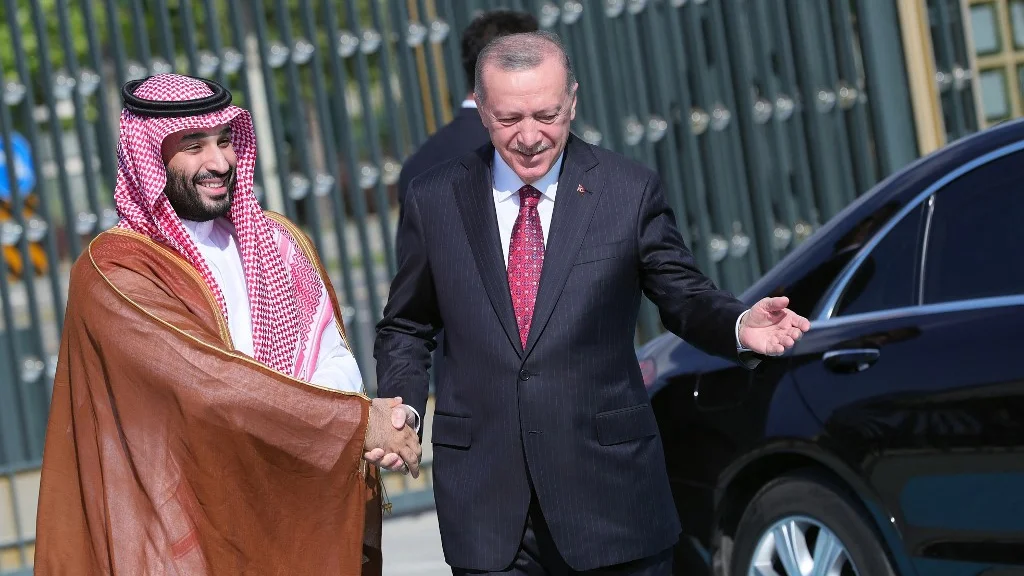
Saudi Arabia, Pakistan and Turkey signed a defence agreement on Friday, Pakistan's foreign ministry and Saudi broadcasters said.
The pact, which was called the "Mecca Joint Defence Agreement", ties together the three countries amid the backdrop of war on Iran and a revived conflict with Houthis in Saudi Arabia's southern neighbour Yemen.
A Turkish spokesperson said the deal was purely defensive in nature, and not against any actor in particular.
A source close to the Saudi military said on Friday that the Saudi-led coalition supporting Yemen's government since 2015 would not "stand idly by" as the Houthi rebels escalated their attacks on Yemeni troops.
"The coalition does not seek escalation, but we will not allow the current balance of power on the ground to be changed," the source added.
Turkey, Saudi Arabia and Pakistan will sign a joint defence agreement later on Friday, sources in Ankara told Middle East Eye.
The deal, which has been under negotiation since last year, marks a significant new trilateral framework amid a deepening regional crisis following Israeli and US attacks on Iran.
Saudi analysts have previously said that Riyadh could activate the defence pact it currently has with Pakistan should it enter the Iran war.
Friday's proposed deal could have similar implications for Turkey, which is already a US and Nato ally.
However, it is not clear what Friday's deal will include in terms of mutual defence.
The deal is expected to be signed in Mecca, one of Islam’s holiest sites, by the leaders of the three Muslim-majority countries.
Read more: Turkey, Saudi Arabia and Pakistan to 'sign defence pact' on Friday
Israeli drones have been sighted flying above Beirut and its suburbs, Lebanese national media report.
The Israeli military has also bombed Wadi Houjeir and Meiss el-Jabal in south Lebanon on Friday, and there are reports that the Chacra water pumping station has been set on fire by Israel.
A Houthi drone attack on Yemen's Marib province killed three members of government forces on Friday and wounded another four, a Yemeni military source told AFP.
"Three killed and four wounded in a preliminary toll from the Houthi drone attack on the Harib area, in the south of Marib," the source said.
Turkish Foreign Minister Hakan Fidan told reporters on Wednesday that Hamas has "fulfilled many of the responsibilities" to implement the US-backed Gaza peace plan while Israel continues to undermine the process.
Fidan warned that Israel is using negotiations to advance its own policies rather than achieve a settlement, adding that Israel’s expansionist policies could lead to a global crisis.
"Israel has no intention or plan for peace," he said.
“Israel has no intention or plan for peace.”
— Middle East Eye (@MiddleEastEye) August 6, 2026
Turkish Foreign Minister Hakan Fidan told reporters on Wednesday that Hamas has “fulfilled many of the responsibilities” to implement the US-backed Gaza peace plan while Israel continues to undermine the process pic.twitter.com/ajMVhh6fbh
Good morning Middle East Eye readers,
Here are the latest developments from across the region:
-
At least 58 people have been killed in attacks from the Houthis on Yemen's Saudi-backed forces, a military source told AFP on Thursday. Yemen's Houthis earlier said that they conducted attacks on "Saudi military deployments" in Marib and Hadramout in response to Saudi Arabia's "large military buildup" in Yemen.
-
Turkish President Recep Tayyip Erdogan will visit Saudi Arabia on Friday for talks with Crown Prince Mohammed bin Salman and Pakistani Prime Minister Shebaz Sharif, Erdogan's office announced on Thursday. The leaders will discuss the US-Israeli war on Iran and its effects on the Strait of Hormuz.
-
Iranian Parliament Speaker Mohammad Bagher Ghalibaf said that Washington has pursued a "failed strategy" and called on the US to "acknowledge the facts and fulfill your commitments". He also criticised Washington's changing decisions regarding a ceasefire with Tehran, calling it "theater diplomacy".
-
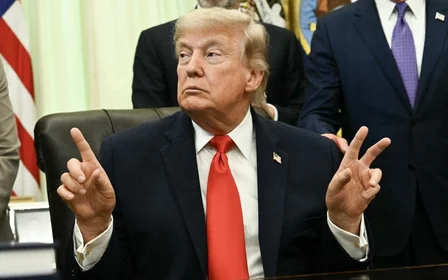
US President Donald Trump told reporters on Thursday that he believes the war with Iran is "going to end pretty soon". He also said that the US has “an unlimited supply” of weapons, denying reports of low munitions supplies once again.
-
Saudi Arabia, Turkey and Pakistan are expected to sign a joint defence agreement in Jeddah on Friday, AFP reported citing sources close to the Saudi authorities. Regional powers are aiming to strengthen their security ties amid the US war on Iran.
-
At least two were killed and 14 others injured in the Jaramana bombing on the outskirts of Syria’s capital of Damascus. The blast was reportedly caused by an explosive device planted in a minibus.
-
The Israeli army withdrew from the Qalandiya refugee camp after a large-scale raid that left at least 51 Palestinians wounded. The Palestinian Prisoners’ Society said Israeli forces had detained or subjected more than 60 Palestinians, including women and children, to field interrogation during the operation.
Lebanese military units overnight entered the town of al-Mansouri, in the southern city of Tyre, to begin clearing roads previously blocked as a result of recent Israeli attacks, state media reported.
According to the NNA, the army is working to facilitate the safe and secure return of residents displaced by the Israel's assault in the area.
At least two were killed and 14 others injured in the Jaramana bombing on the outskirts of Syria’s capital of Damascus.
The blast was reportedly caused by an explosive device planted in a minibus.
The director of the Health Ministry’s Referral, Ambulance and Emergency Directorate, Najeeb al-Nassan state-media that body parts found at the scene were being handled by forensic teams.
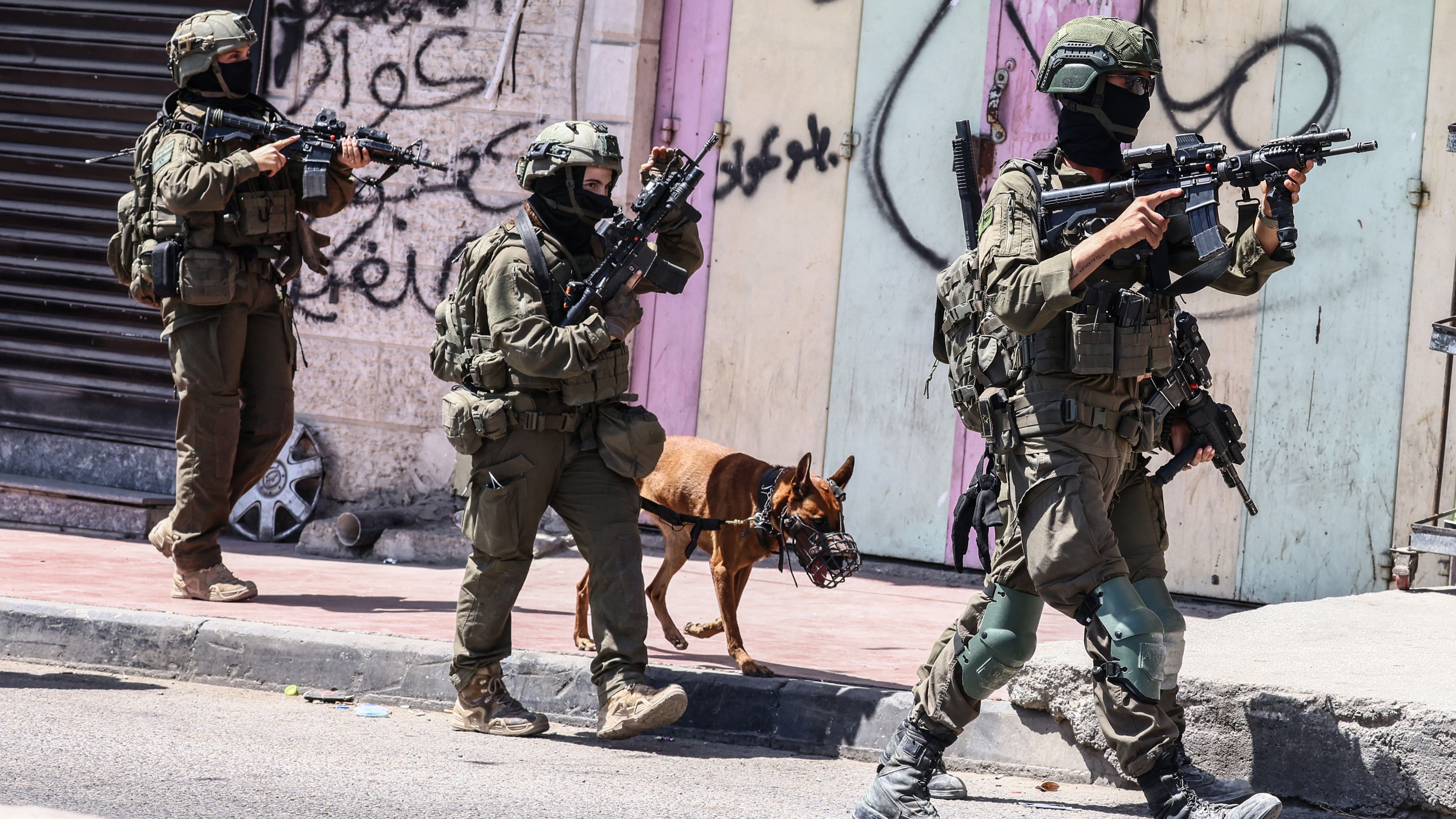
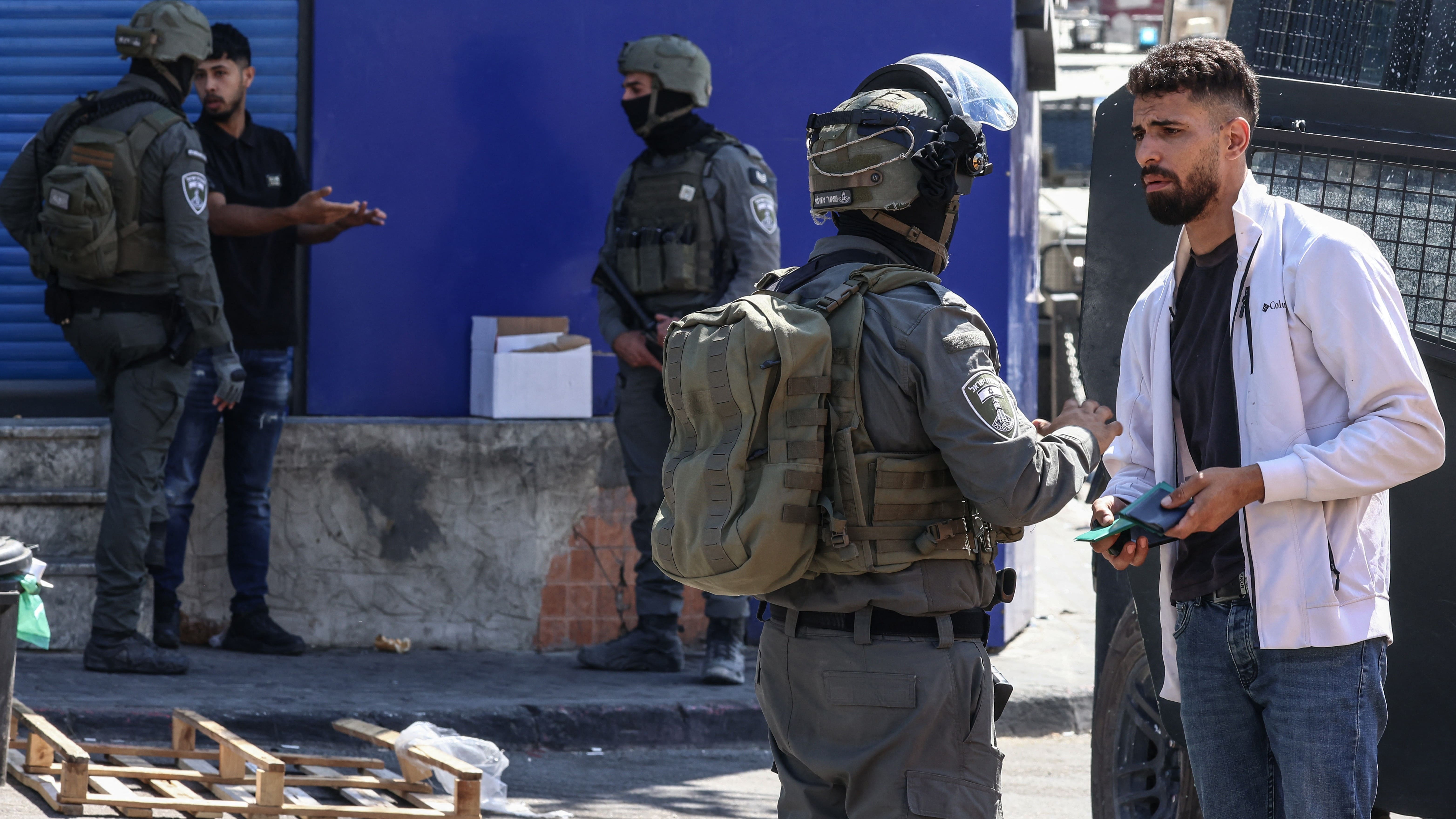
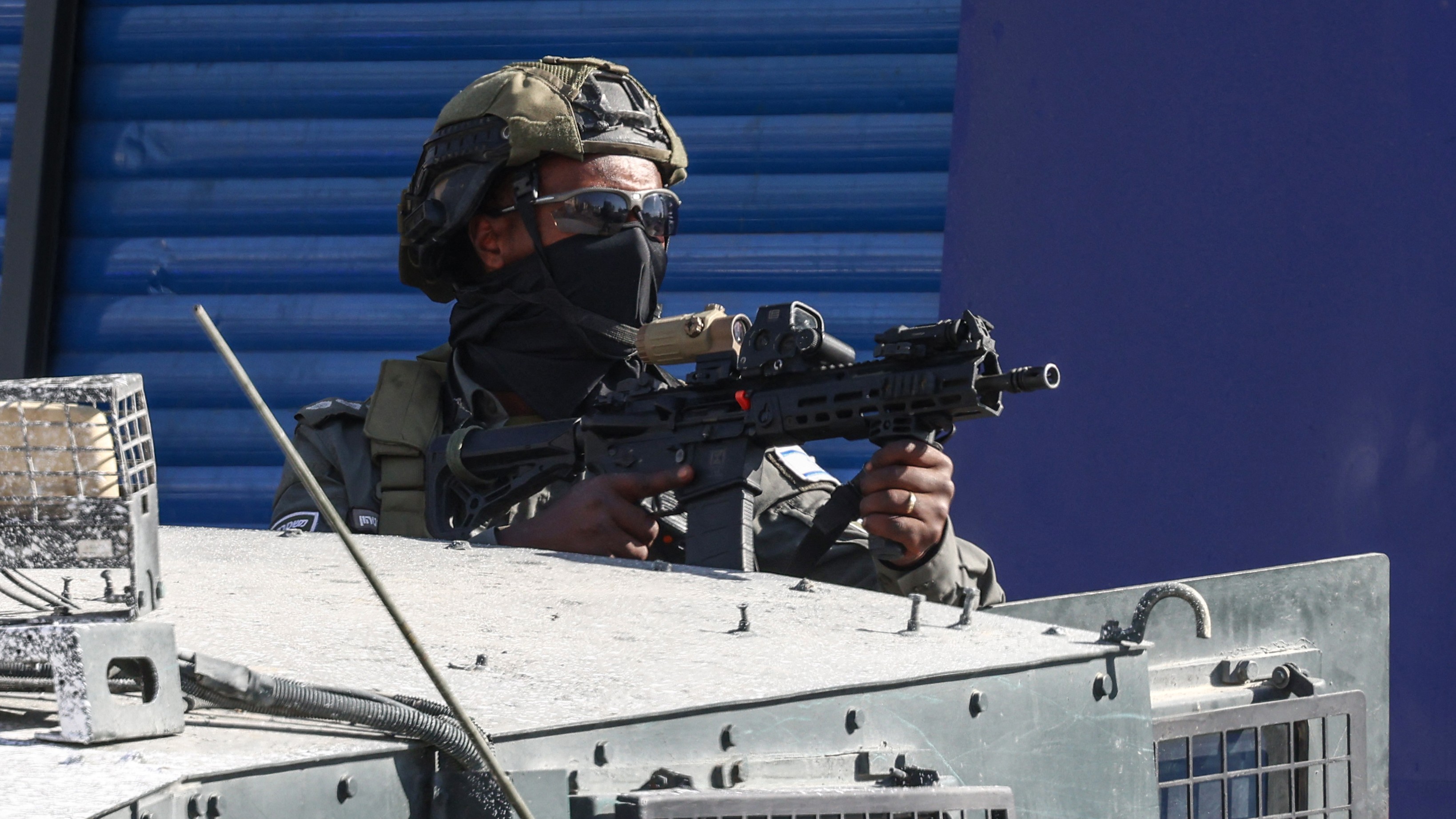
The Israeli army withdrew from the Qalandiya refugee camp after a large-scale raid that left at least 51 Palestinians wounded.
The operation began on Wednesday, when dozens of military vehicles stormed the camp before dawn, carrying boxes, equipment and maps.
Soldiers deployed across several neighbourhoods as home raids and searches continued. Meanwhile, a number of homes and other buildings were seized and turned into detention and field interrogation centres.
According to the Palestinian Prisoners’ Society, Israeli forces had detained or subjected more than 60 Palestinians, including women and children, to field interrogation.
Qalandiya camp is home to more than 15,000 Palestinian refugees living in a densely populated area.
Its location between Jerusalem and Ramallah, close to Israeli settlements and other Israeli-controlled areas, has made it a frequent target of Israeli military raids over the years.
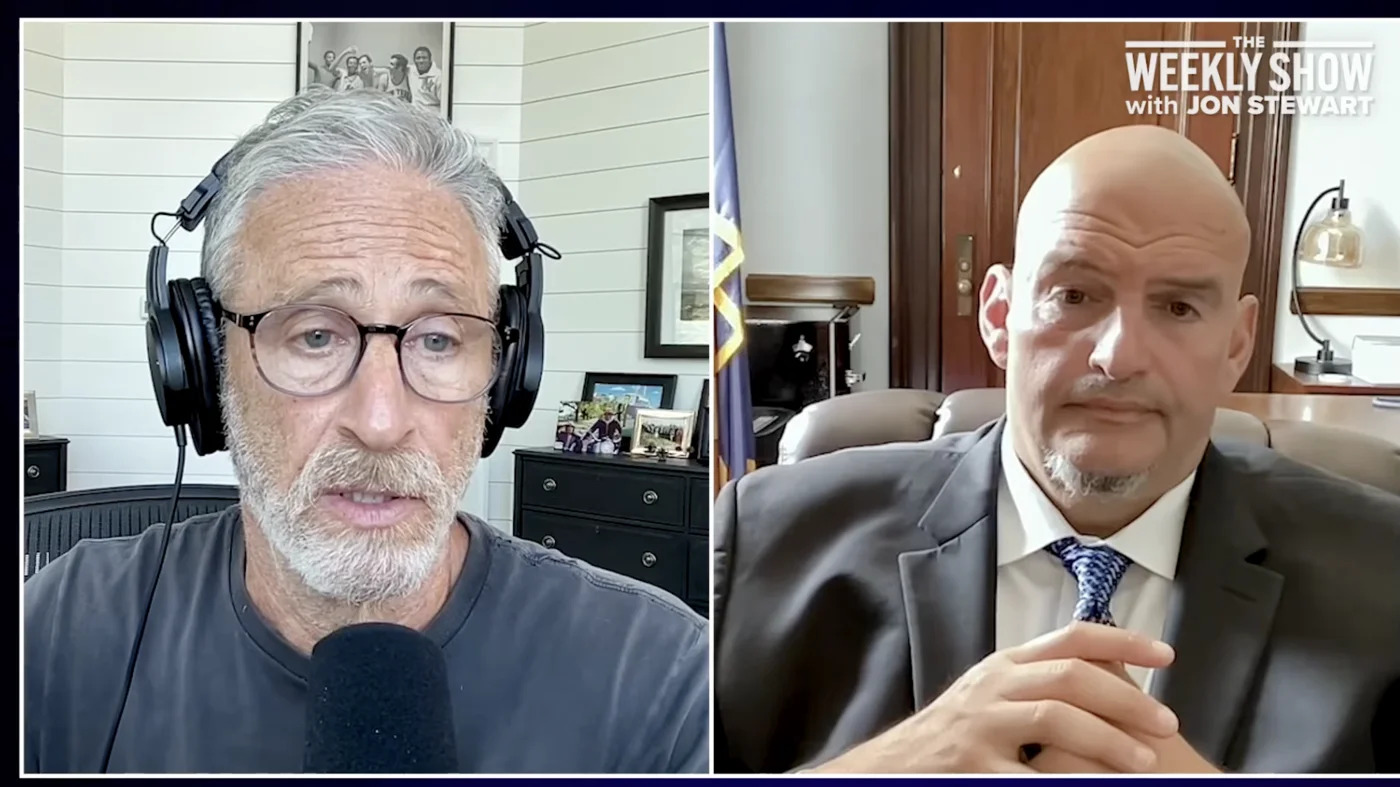
The staunchly pro-Israel Democratic Senator John Fetterman has told television host and podcaster Jon Stewart that he would rather lose support in his own party than turn his back on Israel for any reason.
The comments are striking because they come at a time when progressive Democrats who are vocal on Palestinian rights are making substantial election gains around the country.
On Wednesday, in the key battleground state of Michigan, Abdul El-Sayed beat out a pro-Israel candidate funded by the American Israel Public Affairs Committee, moving one step closer to becoming the first Muslim senator in US history.
Read more: US Senator Fetterman struggles to defend support for Israel as progressives win big
Saudi Arabia, Turkey and Pakistan are expected to sign a joint defence agreement in Jeddah on Friday, AFP reported citing sources close to the Saudi authorities.
Regional powers are aiming to strengthen their security ties amid the US war on Iran.
"It was under discussion for a long time but the latest developments in the region expedites it," one source said.
Former Israeli prime minister Naftali Bennett blamed Qatar for the ICC cases against Israeli leaders, and said he expects Israel leaders to call Qatar “an enemy”.
“They're killing us. They're killing our soldiers. Qatar is killing Israeli citizens,” Bennett said on Wednesday on an Israeli podcast.
He accused Qatar of financing the former ICC chief prosecutor Karim Khan, who sought arrest warrants against Israeli leaders.
Former Israeli prime minister Naftali Bennett blamed Qatar for the ICC cases against Israeli leaders, and said he expects Israel leaders to call Qatar “an enemy”. pic.twitter.com/PKAexNefxS
— Middle East Eye (@MiddleEastEye) August 6, 2026