Live: US and Iran agree to halt strikes ahead of Doha talks

Live Updates
Israeli national security minister Itamar Ben Gvir and finance minister Bezalel Smotrich criticised the US-Iran agreement and voiced opposition to a ceasefire linked to the deal.
In a social media post, Ben Gvir said: "The state of Israel must not accept the ceasefire between the United States and Iran."
The two ministers also called for continued military pressure in southern Lebanon despite the agreement.
“The state of Israel must not accept the ceasefire between the United States and Iran.”
— Middle East Eye (@MiddleEastEye) June 16, 2026
Israeli National Security Minister Itamar Ben Gvir and Israeli Finance Minister Bezalel Smotrich criticised the US-Iran deal and called for the continued destruction of southern Lebanon pic.twitter.com/SuXWtJ3u6u
Good morning Middle East Eye readers,
The US-Iran peace agreement entered its implementation phase overnight, with both sides confirming the accord has been signed electronically ahead of a formal ceremony in Geneva.
Shipping activity resumed in the Strait of Hormuz, nuclear oversight discussions moved forward and world leaders welcomed the breakthrough. However, disagreements over Lebanon and Israel's future military role remain unresolved.
Here are the latest updates:
-
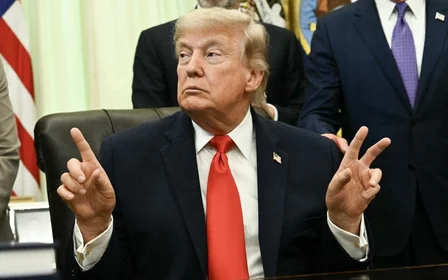
President Donald Trump said the memorandum of understanding with Iran has been fully signed electronically and that the Strait of Hormuz will be completely reopened by Friday.
-
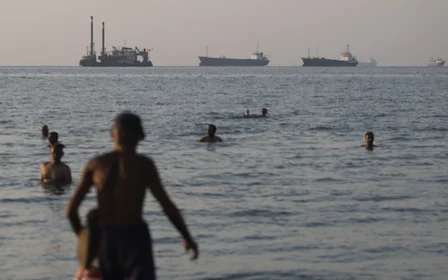
Iranian media reported that three oil tankers and two cargo ships successfully crossed the Strait of Hormuz after the US lifted its naval blockade.
-
US Vice President JD Vance said International Atomic Energy Agency inspectors are expected to return to Iran as part of the agreement's implementation.
-
Vance said there will be no tolls or special fees for vessels transiting the Strait of Hormuz during the 60-day negotiation period.
-
Iran's President Masoud Pezeshkian described the agreement as an important step toward ending the war, while stressing that a final comprehensive settlement has yet to be completed.
-
Hezbollah welcomed the agreement and said it has not carried out military operations against Israeli forces since the accord was announced.
-
Hundreds of displaced Lebanese residents began returning to towns in southern Lebanon following signs of reduced regional tensions.
-
Israeli Prime Minister Benjamin Netanyahu said Israeli forces will continue to occupy parts of southern Lebanon despite the US-Iran agreement.
-
Israeli officials reiterated that Israel does not consider itself bound by all provisions of the Washington-Tehran accord, particularly those related to Lebanon.
-
Markets responded positively to the accord, while shipping executives cautioned that full confidence in Hormuz transit will depend on conditions on the ground rather than political declarations alone.
Shipowners are unlikely to resume regular transit through the Strait of Hormuz for several weeks despite the Iran-US agreement, according to the chief executive of Japan's Mitsui OSK Lines (MOL).
Speaking to the Financial Times before the deal was announced, Jotaro Tamura said confidence would depend on conditions in the waterway rather than diplomatic declarations alone.
"What will have to come in place is not just a simple agreement between the relevant countries, but it has to be material and translated into the real situations in the Strait of Hormuz, so that shipping lines can make themselves comfortable to go through," he said.

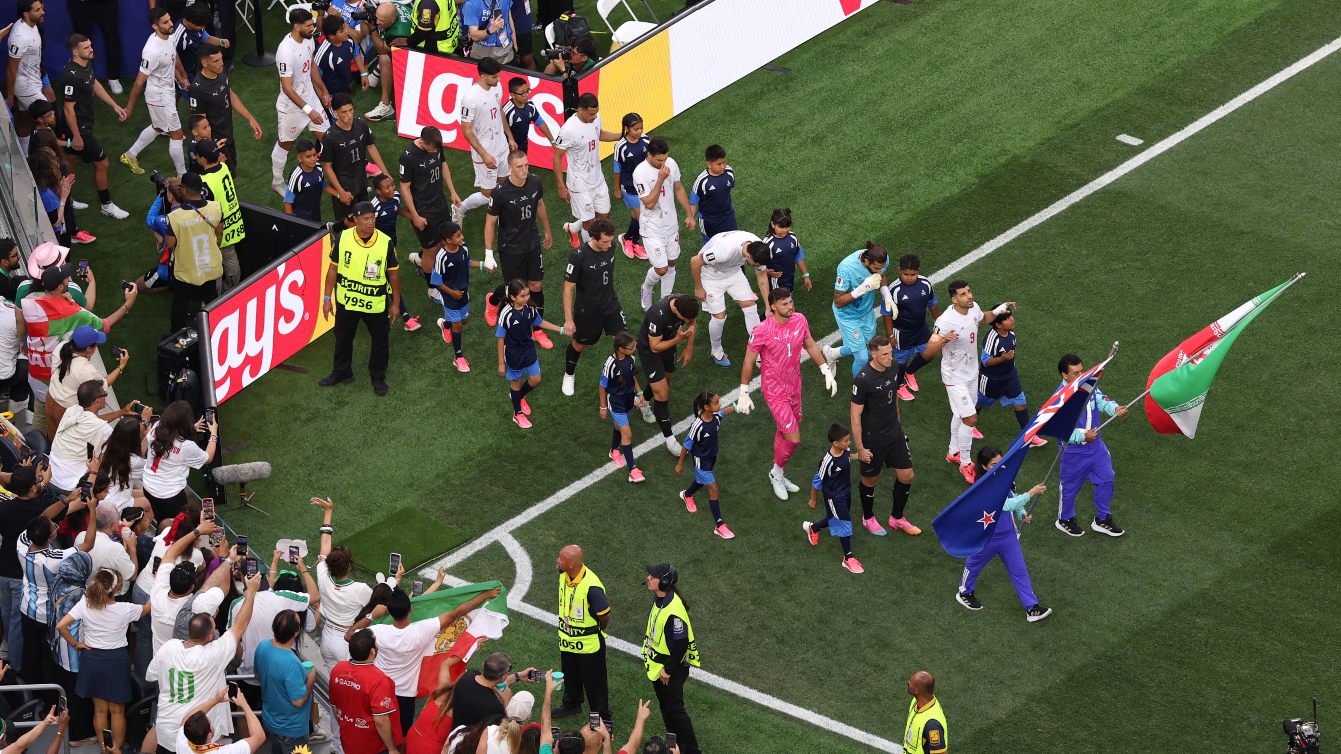
Iranian supporters displayed a banner in the stands commemorating 168 children killed in a strike on a primary school in the southern city of Minab during Iran's World Cup match against New Zealand.
The banner referred to the killing of the children in a strike that Iranian authorities say took place at the start of the US-Israeli war on Iran. Reports have previously linked the number "168" to a campaign by Iran's national team to honour the victims.
The Iranian news agency ISNA reported that Fifa President Gianni Infantino visited Iran's dressing room after the match and praised the team's performance following the 2-2 draw with New Zealand.
According to the report, Infantino met with players after the game, as attention remained focused on both the team's on-field performance and the symbolic tributes to the Minab victims.
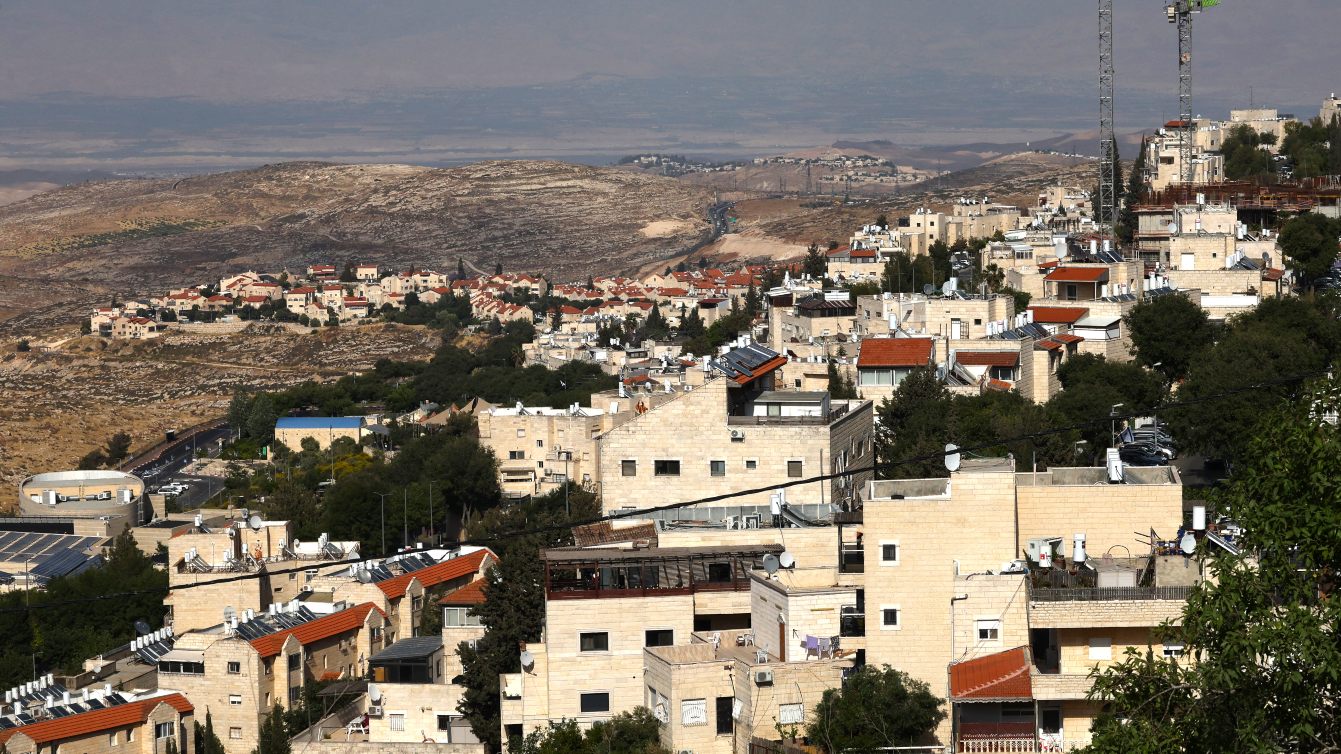
A new report by legal non-profit Global Echo alleges that fruit and vegetables grown in Israeli settlements in the occupied Palestinian territory and the Syrian Golan Heights were routinely declared as Israeli products for export to Europe.
The investigation examined more than 30,000 export documents covering over 6,800 shipments between October 2017 and February 2026 and found that about one in six shipments to Europe contained settlement produce, much of it labelled as originating in Israel.
The report, titled Importing Occupation, described the practice as helping settlement goods benefit from tariff preferences granted to Israeli exports.
Michael Lynk, a former UN Special Rapporteur on Palestine, called the issue "systematic concealment", adding: "Settlement produce are hidden in plain sight, redirected through sham addresses, or mingled with goods from within Israel's recognised borders until legal distinction is dissolved in bureaucratic practice."
The report also accused European importers of "financially sustaining the Israeli settlement enterprise", while Global Echo said it plans to pursue "legal action to force action on these violations".
The American Israel Public Affairs Committee (Aipac), a leading pro-Israel lobbying group in the United States, issued a cautious response to President Donald Trump's announced memorandum with Iran, saying it was awaiting further details.
"We look forward to learning the full details of the framework for these negotiations, including whether the deal preserves the sovereign right of our democratic ally Israel to respond to the security threats it confronts," the group said.
Aipac said the US Congress "will play a critical role in working with the administration throughout these negotiations and in reviewing the ultimate agreement".
It added that any final deal should address Iran's missile and drone programmes as well as its support for armed groups across the region.
The organisation has long backed a tougher approach towards Iran and supported the scrapping of the 2015 nuclear deal negotiated under former President Barack Obama, a policy later adopted by Trump.
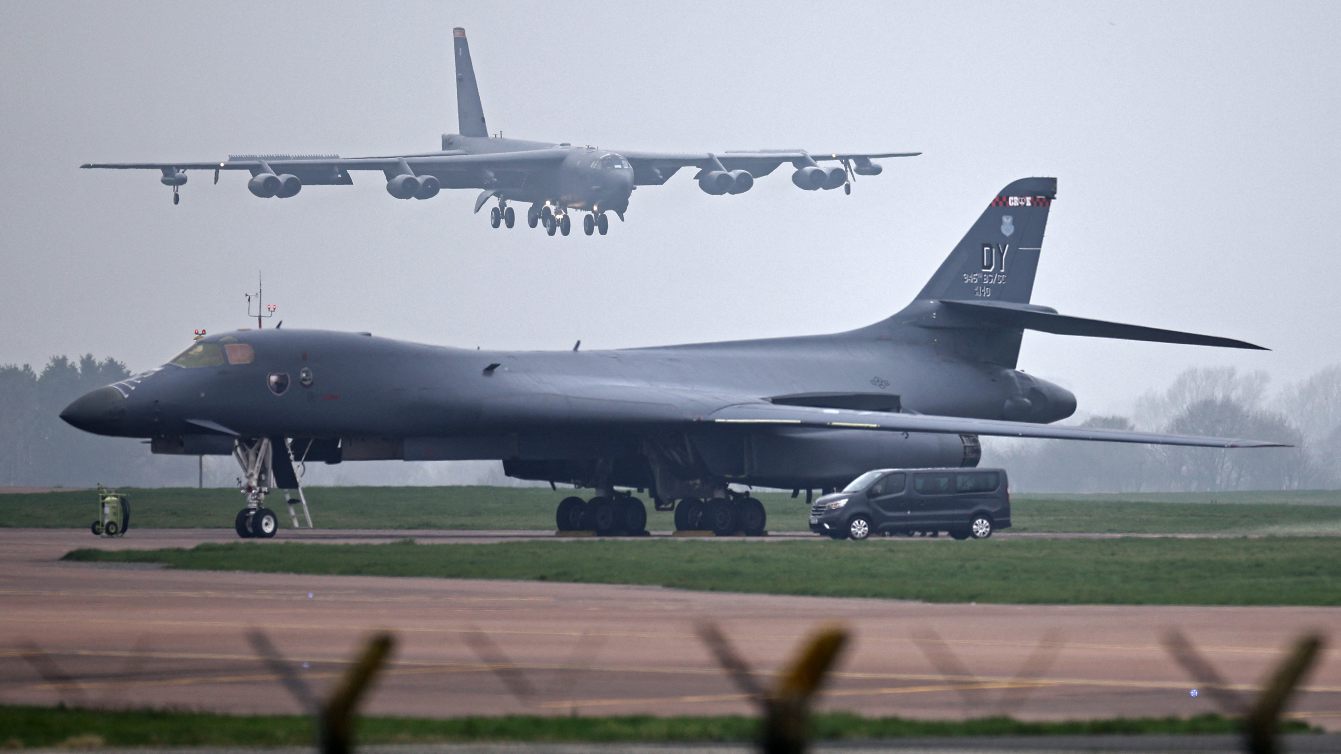
A US Air Force B-52 Stratofortress bomber crashed and burst into flames shortly after take-off during a routine test mission at Edwards Air Force Base in California's Mojave Desert, killing all eight people on board.
The aircraft went down on Monday while supporting the base's radar modernisation programme, sending a large plume of black smoke into the sky.
Aerial footage showed a scorched crash site with little of the aircraft remaining.
Colonel James Hayes, deputy commander of the 412th Test Wing, described the incident as a "horrible tragedy".
"We lost eight great Americans," he said. "This crash is deemed to be unsurvivable."
Emergency teams extinguished the fire and secured the area, while officials confirmed there were no injuries on the ground and that the crash was contained within the base.
Lebanese Prime Minister Nawaf Salam expressed hope that the US-Iranian agreement would help bring an end to the war, pledging to intensify efforts in negotiations with Washington to secure Israel's withdrawal from Lebanese territory and the release of prisoners.
Hezbollah, meanwhile, said Lebanon should make better use of the regional and international support available to achieve full sovereignty through internal unity.
The Lebanese army urged residents to postpone their return to villages and towns along the southern border and to follow military instructions to ensure their safety amid the risk of Israeli violations. It also called for the reporting of any unexploded ordnance.
In Israel, Channel 12 quoted a security source as saying that the army is reducing its operations in Lebanon and is awaiting a decision from the political leadership.
The Wall Street Journal said that the agreement reached by US President Donald Trump with Iran does not amount to a complete strategic victory.
Instead, the newspaper said it reflects a retreat from Washington’s original objectives at the outset of the conflict, noting that the US accepted the reopening of the Strait of Hormuz in exchange for Iranian pledges to resume negotiations over its nuclear programme.
In a special editorial, the newspaper’s editorial board said President Trump began to pull back as domestic political pressure intensified and the risks associated with continued military operations grew.
The newspaper asserts that Trump's use of military force inflicted significant damage on Iran's nuclear, military, and industrial infrastructure.
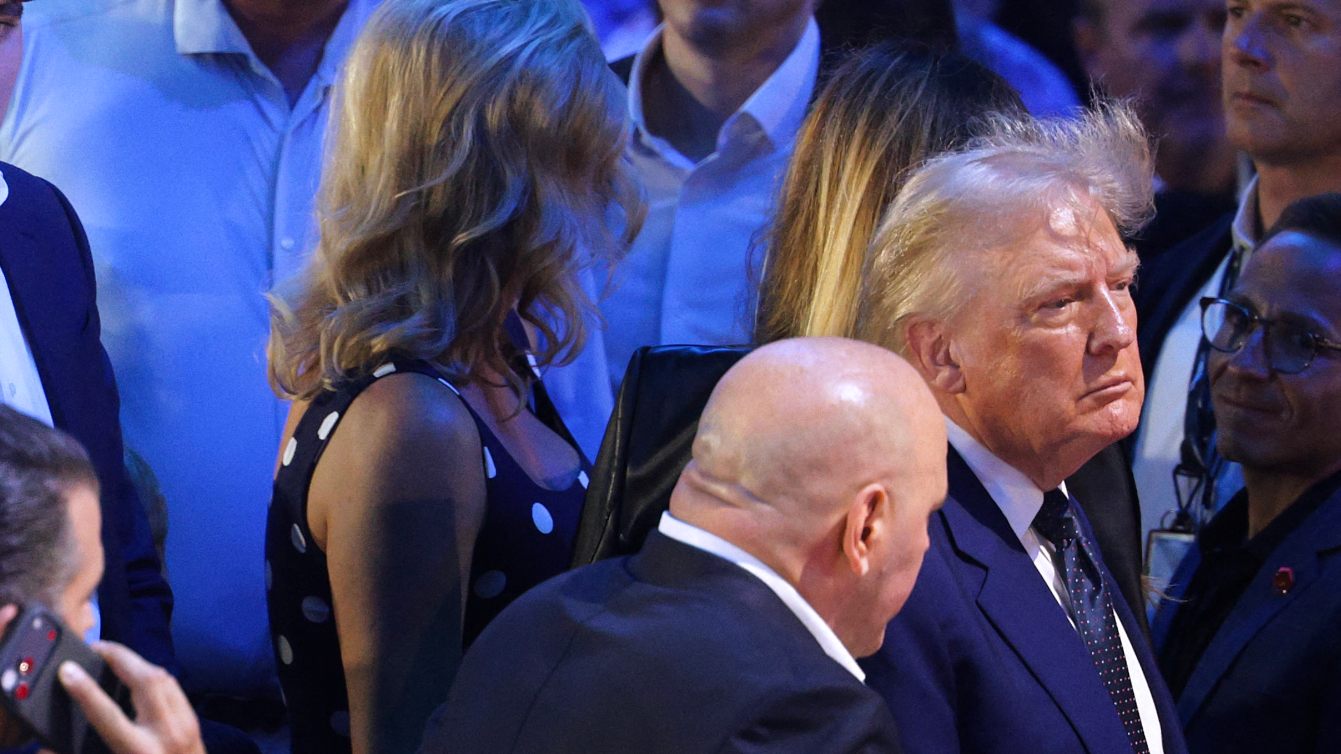
US Vice President JD Vance has launched a series of television appearances to promote and defend the agreement between Washington and Tehran amid mounting criticism and calls for greater transparency.
In interviews with US media, Vance argued that the agreement would prevent Iran from obtaining a nuclear weapon while emphasising that key benefits for Tehran would depend on future compliance.
Vance said the agreement had already been digitally signed, denied reports that Iran would immediately receive “billions of dollars of assets”, and insisted the United States retained leverage in future negotiations.
He also defended the accord against criticism from Republican lawmakers, said Iran would not receive “a dime” unless it changed its behaviour, and stated that international nuclear inspectors would “absolutely” return to Iran under the framework designed to end the conflict and pave the way for a broader agreement.
Brigadier General Esmail Qaani said the war against Iran had “completely discredited America” and accelerated the “collapse” of what he called the “criminal Israeli regime”, according to remarks carried by Iranian media.
Qaani said that despite “unprecedented pressure, maximum destruction, and horrific crimes”, “not a single resistance group abandoned the field”, adding that the resilience of regional allies had “terrified the enemies”.
The Iranian commander also said regional armed groups independently chose to support Iran during the conflict, stating: “This was their own decision, without anyone even asking them a single word.”
He declared that Hezbollah “cannot be dismantled” and argued that “everything you have seen from Hezbollah is only the tip of the iceberg”.
Qaani also praised Iran’s diplomatic team, saying that “steadfastness in the Lebanon issue proved that the men of the battlefield and diplomacy are of the resistance kind”.
Australian activists who were detained after Israeli forces intercepted a Gaza-bound aid flotilla say the Australian government has committed to investigating allegations of assault, sexual assault and mistreatment during their detention.
According to the activist group Global Movement to Gaza Aotearoa-Australia, the commitment followed meetings with Australian Foreign Minister Penny Wong, Minister for International Development Anne Aly and senior representatives from the Australian Federal Police and the Department of Foreign Affairs and Trade.
“The Australian Government has committed to undertaking an independent investigation into Israel’s assaults, sexual assaults and torture of the flotilla activists,” the group said in a social media post.
The activists were among participants on a Gaza-bound aid vessel intercepted by Israeli forces in international waters. Similar inquiries have been launched in Italy and France over the treatment of flotilla participants.
Italy’s investigation reportedly includes scrutiny of comments and footage shared by Itamar Ben-Gvir that showed detainees being restrained aboard a vessel after the interception.
US Representative Yassamin Ansari cautiously welcomed the agreement between Washington and Tehran, describing an end to the conflict as a positive development while calling for congressional scrutiny of any final accord.
In a post on X, Ansari said, “An end to the war is a positive step,” but noted that lawmakers have yet to see the details of what has been agreed.
“Congress must have extensive review of any final agreement signed with the Islamic Republic,” she said.
Ansari, one of two Iranian-American members of Congress, also argued that the conflict imposed high costs on both countries.
“The deal comes after a conflict that inflicted enormous costs and leaves both the United States and the Iranian people worse off,” she wrote, citing “tremendous loss of life, international instability, and skyrocketing gas prices” adding, “This never should have happened in the first place.”
While we await the final details of the agreement, an end to the war is a positive step. But it comes after a conflict that inflicted enormous costs and leaves both the United States and the Iranian people worse off. Tremendous loss of life, international instability, and…
— Congresswoman Yassamin Ansari (@RepYassAnsari) June 15, 2026
US President Donald Trump has dismissed reports that Washington agreed to make payments to Iran as part of the newly announced memorandum of understanding.
In a post on Truth Social, Trump wrote: “Iran has agreed to never have a Nuclear Weapon! Also, the story that the US is paying Iran 300 million Dollars is Fake News, put out by the Dumocrats!!!”
Meanwhile, Iranian media reported that Iranian oil tankers and cargo vessels had begun transiting the Strait of Hormuz following the announced lifting of the US naval blockade.
According to Fars News Agency, several Iranian ships crossed what it described as the blockade line without obstruction, including a very large crude carrier bound for Iranian ports and a vessel carrying livestock supplies.
"Iran has agreed to never have a Nuclear Weapon! Also, the story that the U.S. is paying Iran 300 million Dollars is Fake News, put out by the Dumocrats!!!" - President Donald J. Trump pic.twitter.com/Y9N9QWUqKm
— The White House (@WhiteHouse) June 15, 2026
US President Donald Trump, Vice President JD Vance and Iranian Parliament Speaker Mohammad Bagher Ghalibaf have electronically signed the memorandum of understanding between Washington and Tehran, Reuters and AFP reported, quoting US officials.
Trump has previously said the agreement had already been signed electronically, while a formal signing ceremony remains scheduled for later this week.
“The president wanted to sign it personally because he wanted to show his dedication to bring this through to a successful resolution,” a senior US administration official told AFP.
Speaking to reporters at the G7 summit in France, Trump said Vance would travel to Switzerland for the official signing ceremony on Friday and added that the text of the agreement would be made public soon.
Earlier, Ghalibaf wrote on X that Iran had taken a “great step toward final victory” following what he described as the country’s “historic resistance” against the United States and Israel.
ملت دوستداشتنی و سروقامت ایران!
— محمدباقر قالیباف | MB Ghalibaf (@mb_ghalibaf) June 15, 2026
با مقاومت تاریخی شما و رشادت نیروهای مسلح دربرابر آنان که قصد جان این ملت و نابودی و تسلیم این مملکت را کرده بودند، ایران گامی بلند به سوی پیروزی نهایی برداشت. میخواستند و نتوانستند.
ایستادهایم و در نهایت #ایران_ما پیروز خواهد شد، به لطف خدا. pic.twitter.com/i1rCmB58y3