
Live: Israel says it will control bridges and area south of Lebanon’s Litani River

Live Updates
Nato has withdrawn almost all personnel from Iraq amid regional instability caused by the war on Iran, according to officials at Iraq’s National Security Advisory speaking to AFP and Al Jazeera.
Officials said the withdrawal was “temporary” and Nato personnel would return when the conflict ends and the situation stabilises again.
The Nato mission, composed of several hundred personnel, is based in Baghdad, close to the US embassy and has been a target of frequent attacks, leading to all units being evacuated except for a small contingent.
Debris from an intercepted missile has fallen near occupied East Jerusalem's Old City.
Images and video shared online show a crater outside the city walls surrounded by Israeli security forces. Other footage shows damaged cars.
AFP reported that the debris hit the so-called Armenian and Jewish quarters of the Old City.
Israeli police said they were "conducting searches to locate the impact sites of weapons and munitions or interception fragments within the Jerusalem District", AFP reported
The head of the International Energy Agency (IEA), Fatih Birol, told the BBC on Friday that governments need to “be more vocal” about cutting energy usage amid an unprecedented threat to global energy security caused by US-Israeli attacks on Iran.
A report released by the IEA on Friday advised reducing energy demand in businesses and households by reducing motorway speed limits and working from home where possible.
He said that the challenge posed by the conflict is “much bigger” than the natural gas shock from Russia’s invasion of Ukraine, and the aftermath of the 1970s oil shock, out of which the IEA was created.
Birol added that the “single most important solution” to the crisis was to reopen the Strait of Hormuz.
However, he warned that “the damage to energy infrastructure” is likely to take “months and months” to return to prewar levels, and will have “repercussions for the economy, especially emerging and developing countries”.
A fire broke out on Friday at a facility in the Czech Republic with ties to Israel’s largest weapons manufacturer, Elbit Systems.
A previously unknown underground group called Earthquake Faction, has claimed responsibility for the attack, saying in a statement shared with Middle East Eye that the facility develops weapons used to commit genocide in Gaza.
The group described itself as an “internationalist underground network that targets key sites critical to the Zionist entity… to destroy all limbs of empire from within, by any means effective”.
“Every weapon developed by Elbit Systems is first ‘tested’ on Palestinians before being sold off to international governments,” the statement from the group continued, warning that "wherever Elbit Systems and their accomplices obscure and hide their business of bloodshed across the world, we will come for them."
They said no one was harmed in the attack.
The site is a joint operation with the Czech company LPP Holding and Elbit Systems, the latter of which describes itself as “the backbone of the Israeli Army” and provides the vast majority of weapons for Israel’s attacks in Iran and Palestine.
🚨 BREAKING: Elbit Factory set ablaze in Czech Republic, the Earthquake Faction is launched.
— Calla (@CallaWalsh) March 20, 2026
“On 20th March 2026, the Earthquake Faction struck the epicenter of the Israeli weapons industry in Europe. In Pardubice, Czech Republic, Elbit Systems' "Centre of Excellence" was newly… pic.twitter.com/NHgt9KIA4s
An Iranian military spokesperson has said Israeli and American officials and military personnel will not be safe in “resorts and tourist centres around the world”, Iranian media are reporting.
The threat comes after senior Iranian officials, including the intelligence minister and the Revolutionary Guard’s spokesman, were killed in recent strikes from the US and Israel, as tensions continue to escalate in the region.
Switzerland has said that it will block exports of weapons to the United States amid the ongoing attacks on Iran, citing its neutrality.
“The export of war material to countries involved in the international armed conflict with Iran cannot be authorised for the duration of the conflict,” the government said in a statement.
The Israeli army has said Iran on Friday launched a new barrage of missiles targeting southern Israel, reporting that its defence systems are working on intercepting the missiles.
The UAE, Saudi Arabia, Kuwait and Bahrain have all similarly reported interceptions of Iranian missile and drones overnight and Friday morning, according to their defence ministries.
The UK energy price cap is set to rise by more than 20 percent as a result of the US and Israel's war on Iran, according to the latest forecast from energy analysts at Cornwall Insight.
This means energy bills could jump by £330 ($445) a year for UK households.
Meanwhile, surging gas prices are already starting to bite US household finances, a new Reuters/Ipsos poll shows.
Fifty-five percent of respondents to the poll taken from Tuesday to Thursday reported that their finances were at least “somewhat” affected by rises in gas prices, with 21 percent of those saying their finances had been affected “a great deal”.
The average price of gasoline in America has increased by nearly a dollar per gallon since US-Israeli attacks on Iran began on 28 February.
Trump’s approval rating for his handling of the cost-of-living crisis has fallen to 29 percent from 35 percent at the start of his administration.
European gas prices have also surged to more than double since the beginning of the war on Iran, and are expected to increase further as global gas supply continues to face disruption.
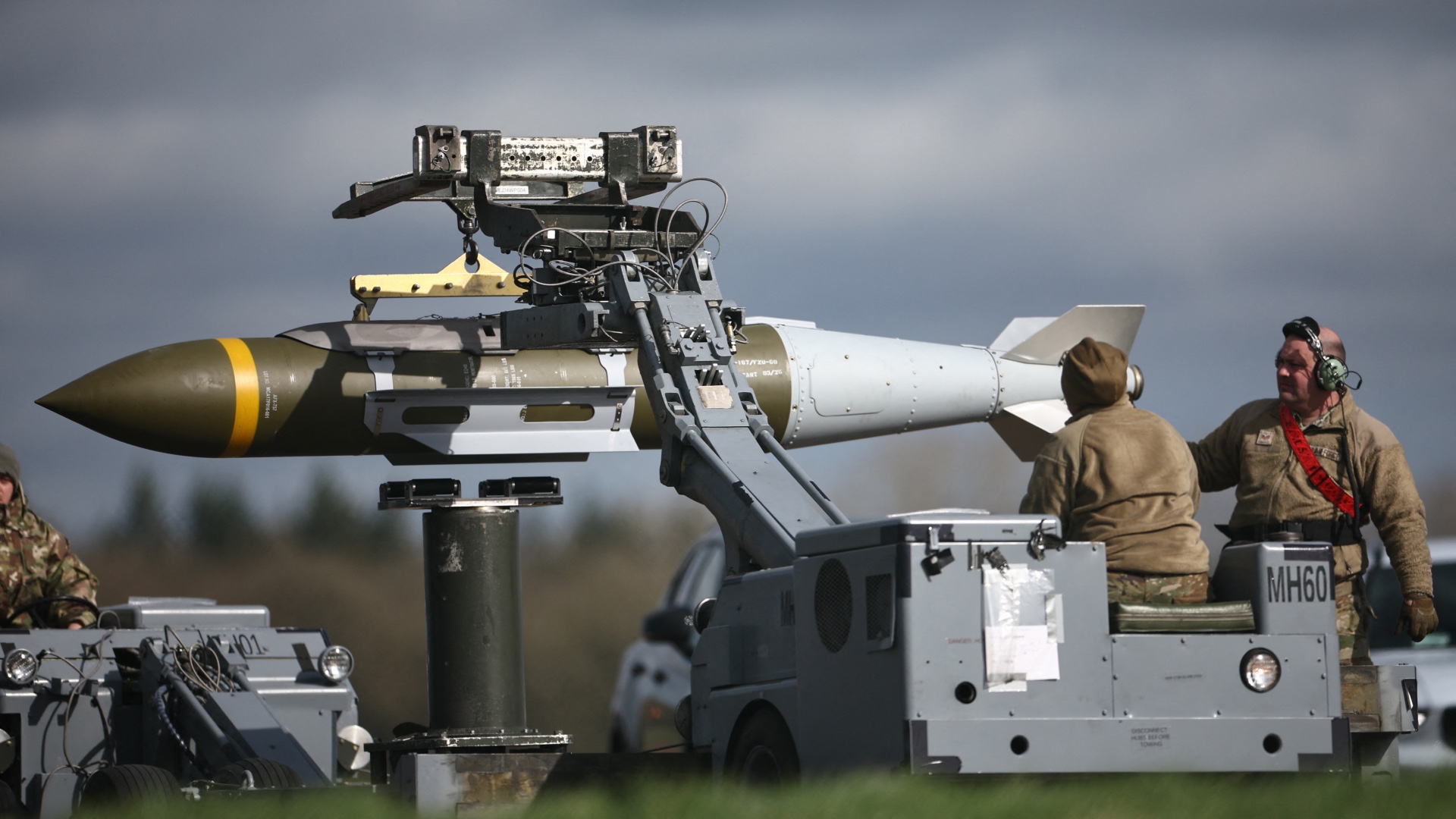
Two US B-52 strategic bombers that flew out of RAF Fairford in Gloucestershire, England, on Thursday returned to the base after 15 hours.
A weapons analyst told BBC News that he counted 12 cruise missiles under the wings of each aircraft when they departed, but no weapons remained when it returned.
It is unclear where these weapons were used and what they were targeting.

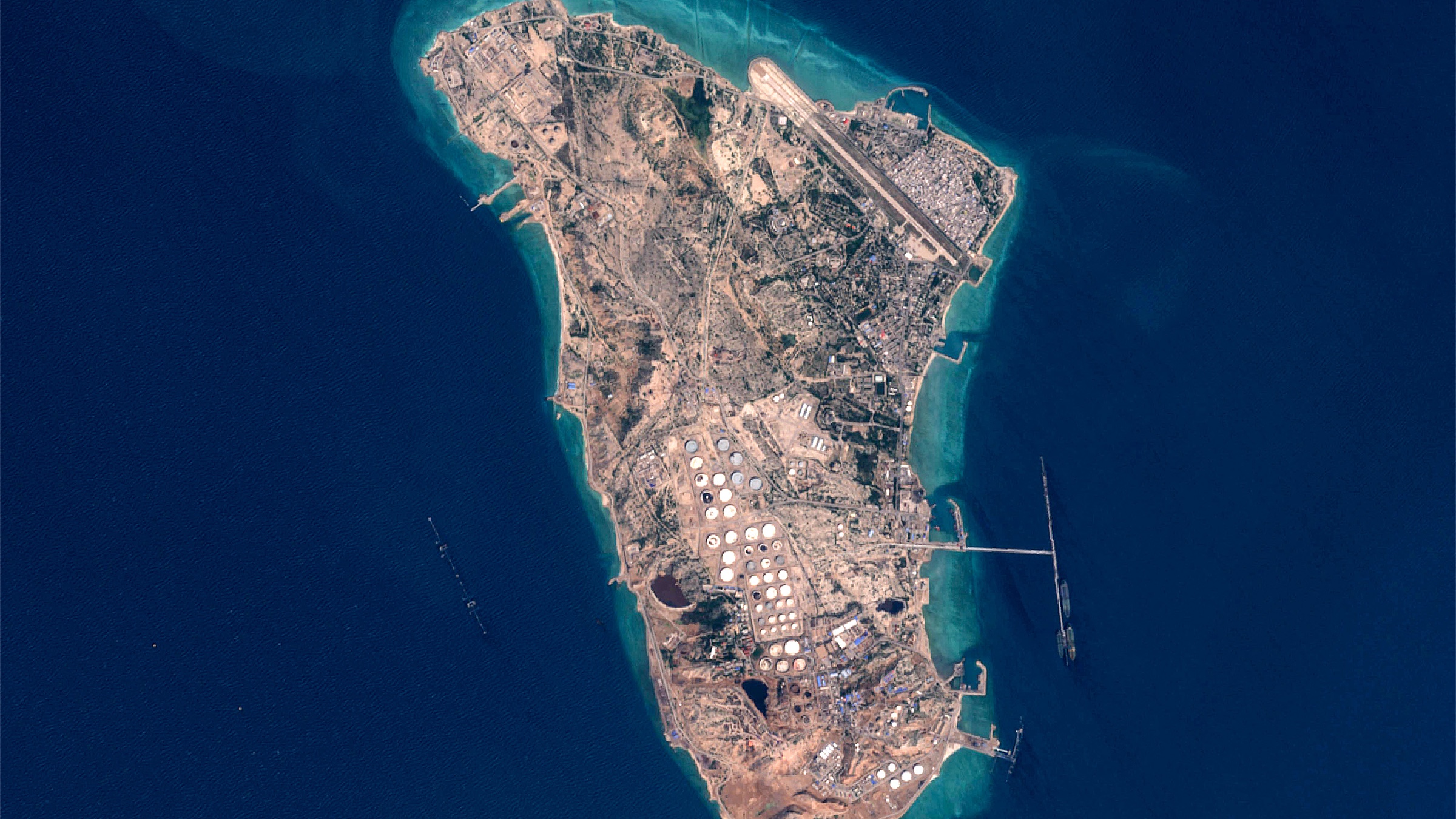
The Trump administration is reportedly considering risky plans to occupy or blockade Iran’s Kharg Island to pressure the country to reopen the Strait of Hormuz, sources told Axios on Friday.
Meanwhile, global energy prices surge as disruptions to oil and gas supplies continue.
The Iranian foreign ministry says it told the UK that allowing the US to use British military bases will be treated as “participation in aggression”.
Foreign Minister Abbas Araghchi told his British counterpart Yvette Cooper during a phone call that UK assistance to the US would be an “escalation of the situation”.
In a statement posted on his Telegram channel, Araghchi criticised the “negative and biased approach of the United Kingdom and some European countries towards this blatant aggression, which violated international law”.
He emphasised Iran’s right to self-defence under Article 51 of the UN Charter after being targeted by the US and Israel and said Iran only attacked neighbouring countries to strike American bases.
Araghchi also criticised the UK’s failure to condemn Israeli strikes on Iran’s South Pars gas field despite condemning Iran’s retaliation against Qatar’s refinery.
American bombers have been spotted at bases in Gloucestershire in England, with doubts being raised as to what they are being used for and if it is the purely "defensive" action that Prime Minister Keir Starmer claims.
Ali Mohammad Naini, the spokesman for Iran's Islamic Revolutionary Guard Corps (IRGC), has been killed in a missile strike, the group confirmed in a statement to state media.
The IRGC is a branch of the Iranian Armed Forces that was formed following the 1979 Iranian revolution and answers directly to the supreme leader.
Naini has served as the official spokesperson for the IRGC since 2024 and was previously a professor of social sciences at Imam Hossein University.
This comes after Israel killed Iran’s intelligence minister, Esmail Khatib, on Wednesday.
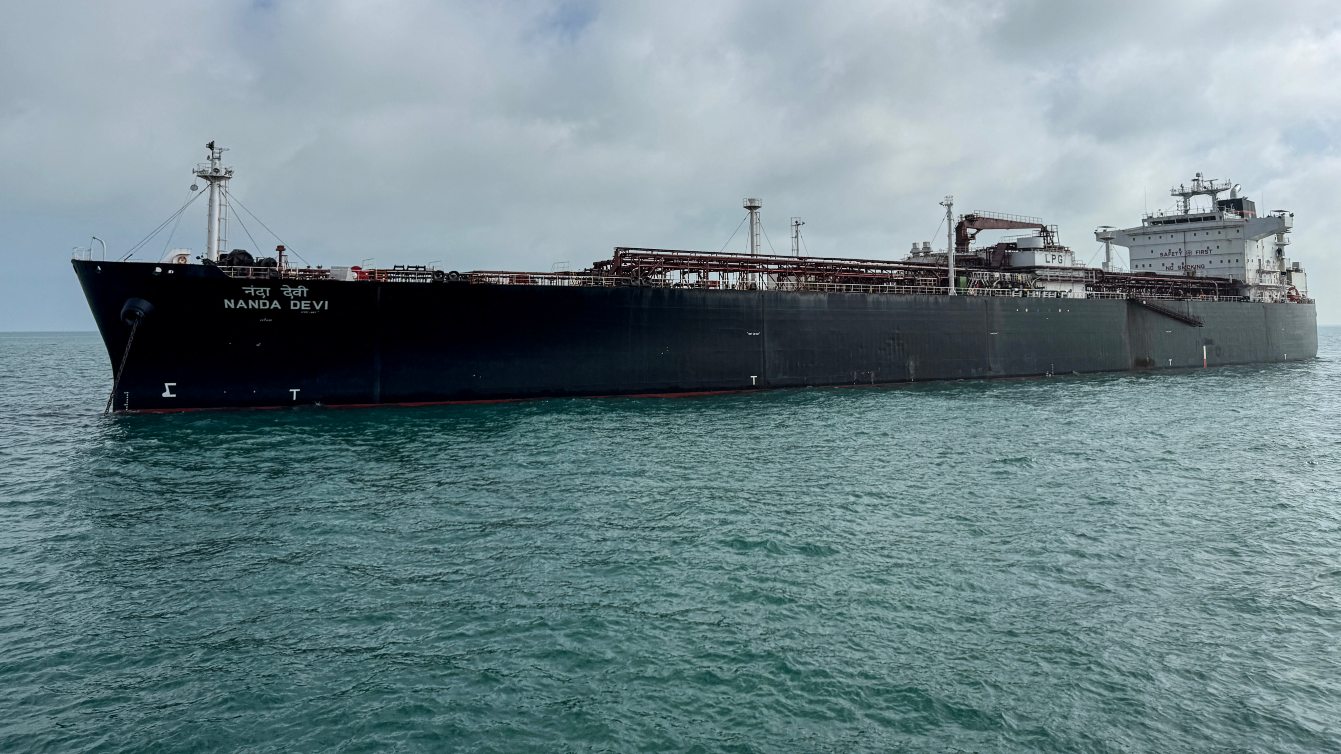
Iran is moving toward a “selective blockade” of the Strait of Hormuz, allowing passage for ships from certain countries while developing a vetting and registration system for transit, Lloyd’s List, a maritime news and analysis service, reported.
Countries including India, Pakistan, Iraq, Malaysia and China are in talks with Tehran over access to the strategic waterway, the maritime publication said.
The report said at least nine ships have already passed through a corridor near Iran’s Larak Island, with one tanker reportedly paying about $2m for transit.
Iran’s leader, Ayatollah Seyyed Mojtaba Hosseini Khamenei, on Friday called for continued efforts to maintain national security, local media reported.
Khamenei also offered condolences following the killing of intelligence minister Hujjat al-Islam Seyyed Esmaeil Khatib, praising his service.
In a message addressed to President Masoud Pezeshkian, Khamenei described the minister as a “hardworking” and long-serving official.
“The void left by him must be filled through the redoubled efforts of other officials and staff of that sensitive ministry,” Khamenei said, adding that officials must ensure that "security is stripped from internal and external enemies".
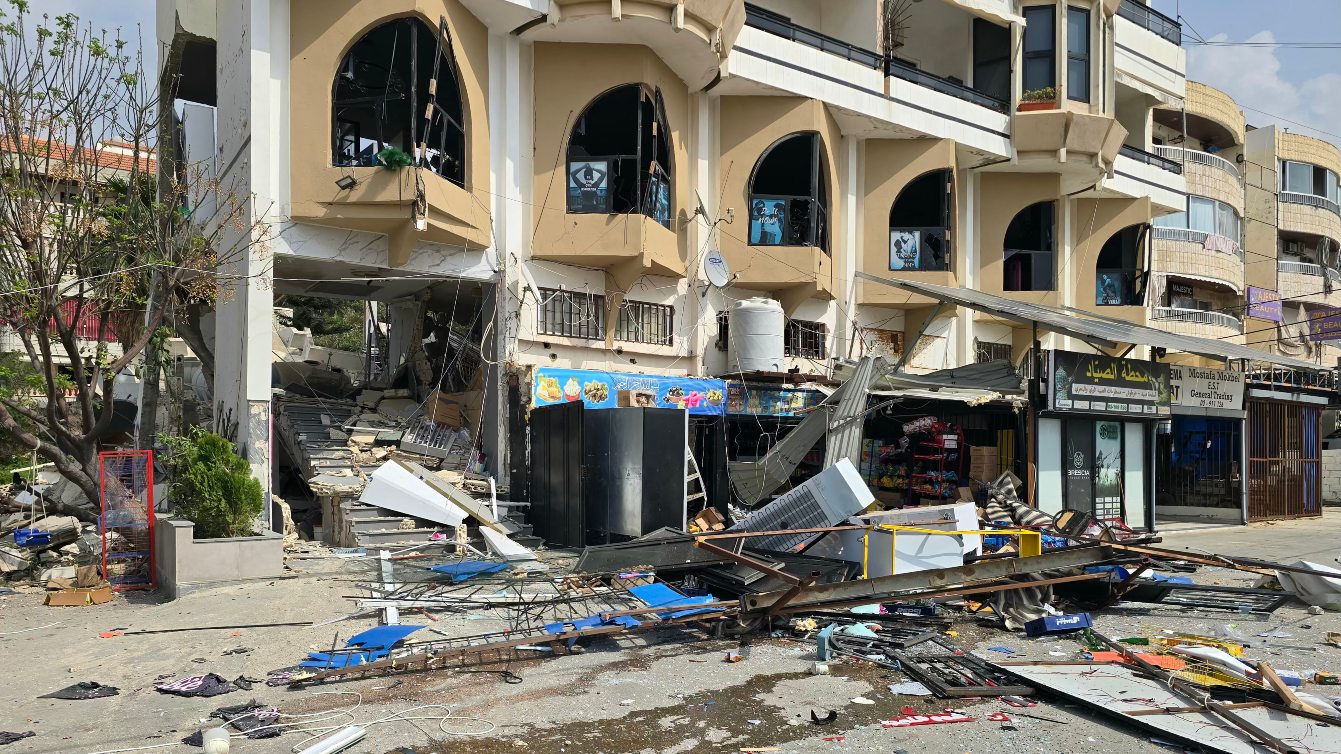
Israeli air strikes hit towns in southern Lebanon overnight, targeting multiple locations across the region, Lebanon’s state news agency reported.
Strikes at dawn hit Bafliyeh and Hanine in the Tyre and Bint Jbeil districts, with separate attacks reported in at least five other towns.
Lebanon’s health ministry said the death toll from Israeli attacks since 2 March has risen to 1,001, including 79 women, 118 children and 40 healthcare workers, with more than 2,584 people wounded.
In recent days, air strikes have also targeted Beirut, Baalbek and Sidon, expanding the scope of the Israeli campaign.