
How China eased pressure on oil markets by halting purchases and relying on reserves

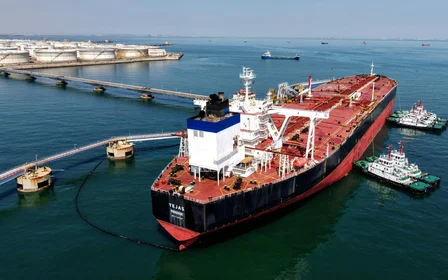
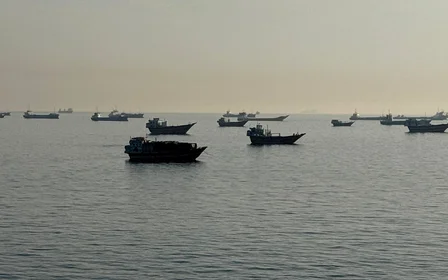
The closure of the Strait of Hormuz should, in principle, have caused a far greater shock to oil markets than it has. This, in large part, is due to China’s policy of using its strategic stockpiles rather than purchasing crude oil at inflated prices due to the war.
Before the war, the strait carried roughly 20 million barrels per day (bpd) – a fifth of global daily oil consumption – with an estimated 10 to 14 percent of global supply remaining inaccessible six months on.
Even so, it has not had the same repercussions as previous comparable Middle East crises.
The 1973 Arab oil embargo, which quadrupled prices, disrupted only seven percent of global supply, while both the 1979 Iranian revolution and 1990 invasion of Kuwait more than doubled prices, each blocking only six to seven percent.
In comparison, current oil prices have risen by “only” around 50 percent, with Brent crude, the international benchmark, stabilising near $85-90 a barrel, up from around $60 at the start of the year.
New MEE newsletter: Jerusalem Dispatch
Sign up to get the latest insights and analysis on Israel-Palestine, alongside Turkey Unpacked and other MEE newsletters
This is due to unprecedented emergency releases from the International Energy Agency of 400 million barrels, as well as sharply reduced consumption in Asia.
For China, the world’s largest crude oil importer, the reduction was primarily possible because of its strategic oil reserves amounting to over 1.2 billion barrels, which analysts believe could last at least a year.
Beijing has maintained that stockpile, built up gradually over two decades and accelerated since 2022, even as it massively halted seaborne crude imports, a decrease of over three million bpd.
Rather than purchasing oil at inflated wartime prices, China has reduced consumption by restricting exports of refined products such as diesel, petrol, and jet fuel to prioritise the domestic market, and by scaling back its refinery activity to meet only essential domestic needs.
Jack Prandelli, a commodity trader, described Beijing’s strategy to Middle East Eye as “preserving a high cushion,” using its reserve as a “buffer instead of chasing barrels in a disrupted Gulf market”.
But in the past few weeks, China has partially lifted some restrictions on refined product exports and briefly imported some Gulf crude. Economists suggest that when China begins restocking its reserves in full, the repercussions on global oil markets could be substantial.
Oil surplus
In July, China posted a small surplus of 210,000 bpd, which came as a surprise to many analysts given the drastic reduction in imports since March.
But the surplus reflects Chinese refiners slowing output faster than exports have dropped, rather than a meaningful increase in crude imports.
'It looks more like a pause in an extended destocking cycle than a decisive pivot to aggressive restocking'
- Jack Prandelli, commodity trader
Prandelli said it looked more like “a pause in an extended destocking cycle than a decisive pivot to aggressive restocking”.
Duncan Wrigley, chief China economist at Pantheon Macroeconomics, told Middle East Eye that a “slight improvement in oil imports in August [was] likely due to improved refiner margins, [in turn] due to the drop in crude oil prices”.
Brent fell to $78 a barrel in the first week of August, down from an average above $90 the previous month.
Prandelli added he was not confident the trend would continue, noting “import volumes are already expected to stall or even reverse in August,” as “refiners lean more on inventories amid higher prices and Hormuz disruption”, with no US-Iran agreement on Hormuz in sight.
Lifting export limits
In parallel, China further relaxed limits on refined fuel exports for a second consecutive month in August.
Reuters reported that Beijing had approved shipments of up to 2.7 million metric tons to international destinations, citing sources close to the matter.
Analysts called this move “unexpected” given the continued instability facing vessels transiting through Hormuz.
Wrigley, the China economist, said the easing “indicated perhaps misplaced optimism that global oil supplies would start to normalise”.
He added a stabilisation of the situation in Hormuz would let China's refiners “return to normal levels of output”.
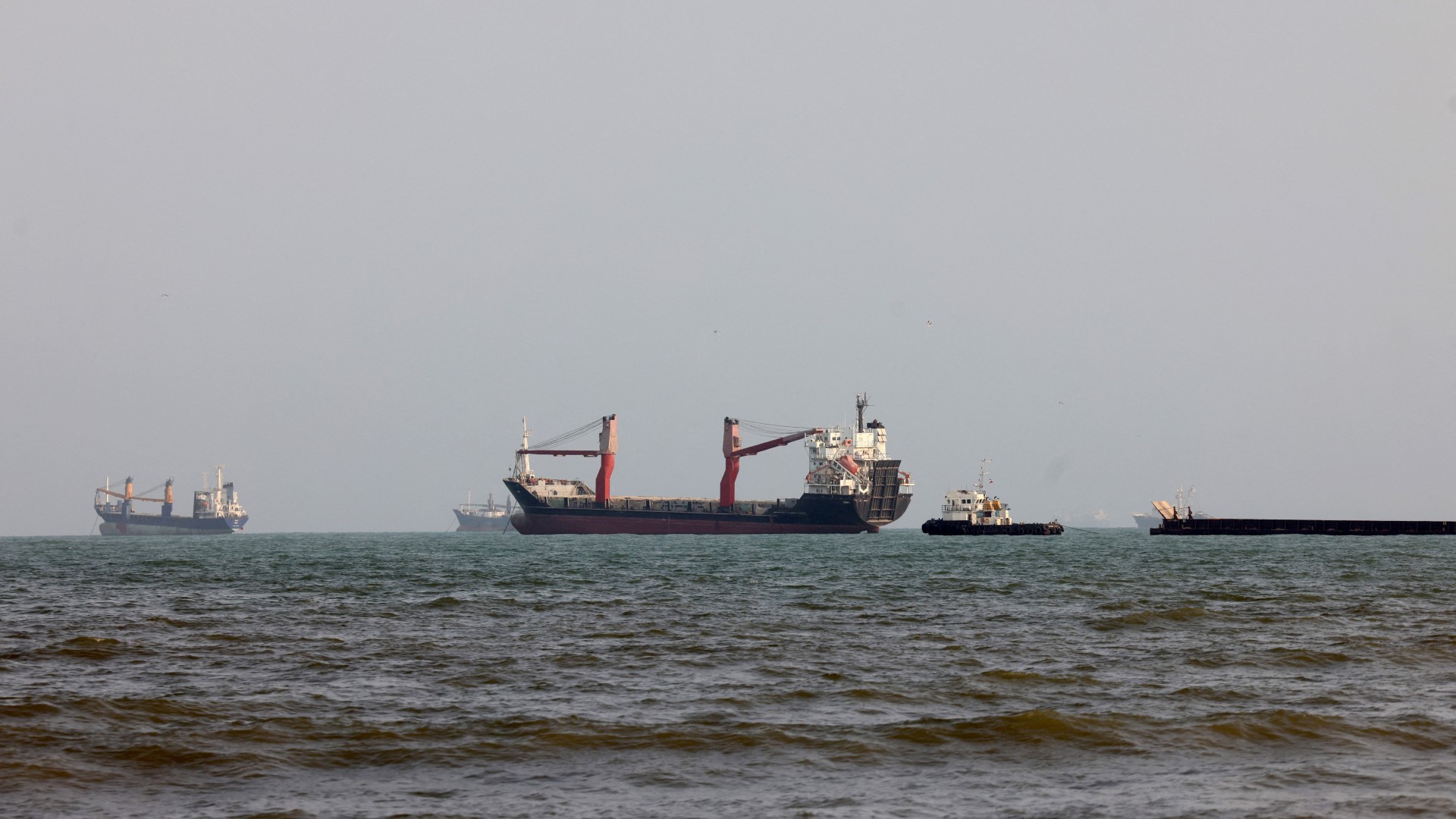

Hopes that the waterway would reopen grew in early August as diplomatic signals from the US, and from mediators Qatar and Pakistan, suggested that Washington and Tehran might reach a longer-term agreement on the strait.
This shifted on 9 August, when Trump said he would keep “economic pressure” on Iran, before reiterating military threats. Iran has been under US sanctions since November 1979.
The memorandum of understanding between the two countries expired on 17 August without renewal, leading to record low traffic through the strait with only five vessels last weekend.
Wrigley said Chinese refined oil export increases suggested, “China isn't that worried about its inventories, commercial and strategic, of oil and fuels running low.”
Prandelli added China’s reserves are “equivalent to well over 100 days of net import cover”.
Analysts think refiners are unlikely to export anywhere near the 2.7 million tons allowed given the conditions attached to the quota, which fell just short of the pre-war monthly average of 3.04 million tons in 2025.
The easing is seen as a step towards restoring pre-war oil flows, but Prandelli nuanced that since Chinese refiners are still drawing on reserves, it won’t drive short-term crude imports and “automatically translate into a one-for-one increase in crude runs”.
Back to the Gulf?
Analysts agree China won’t resume filling its strategic reserves from the Gulf until Hormuz stabilises.
Wrigley said Chinese refiners are opportunistic buyers, likely to step up purchases only after a “marked fall in crude oil prices”.
'China is likely to move from an oil price deflator to an inflator, limiting the scope for declines in global benchmarks'
- Rory Green, China economist
Prandelli set two conditions for the return: first, clarity that the war has moved from “acute disruption” to stability, and second, “a meaningful discount on Gulf barrels versus Russian and Atlantic Basin alternatives”.
He said this would most likely come from “the reopening of Hormuz”, or “the scaling up of bypass routes from Saudi Arabia and the UAE”.
If the disruption persists before those bypass routes are reinforced, China resuming imports under those conditions “risks pushing prices higher even before Hormuz fully reopens,” Prandelli warned.
China’s reserves have so far deflated oil prices rather than raising them: the rapid pause in crude imports cut global demand strongly enough to absorb much of the initial shock from the closure of Hormuz.
Rory Green, China economist at TS Lombard, said this could reverse once the strait reopens, and Beijing’s restocking is “likely to move from an oil price deflator to an inflator, limiting the scope for declines in global benchmarks".
Less vulnerable
China’s energy strategy has made the country particularly resilient to energy shocks. It relies on domestic energy production, mass electrification, and supplier diversification on top of the strategic stockpiles.
Beijing produces 60 percent of its own natural gas from domestic shale and coal, electrification reduces import dependency, and electric vehicles now accounting for over half of all cars in China. The country has also diversified its crude suppliers beyond the Gulf, including Central Asia, Russia, Iran, Latin America, and Africa.
This has left China far better placed than its neighbours, such as Japan, South Korea, and Taiwan, which were very reliant on Middle Eastern crude, and developing economies such as the Philippines, Pakistan, or Thailand having to resort to emergency measures.
Diversification was key to Beijing’s resilience, as “China can cover a substantial portion of its needs through sanctioned barrels sitting in floating and bonded storage, especially Iranian cargoes already positioned in Asia and Chinese ports”, said Prandelli.
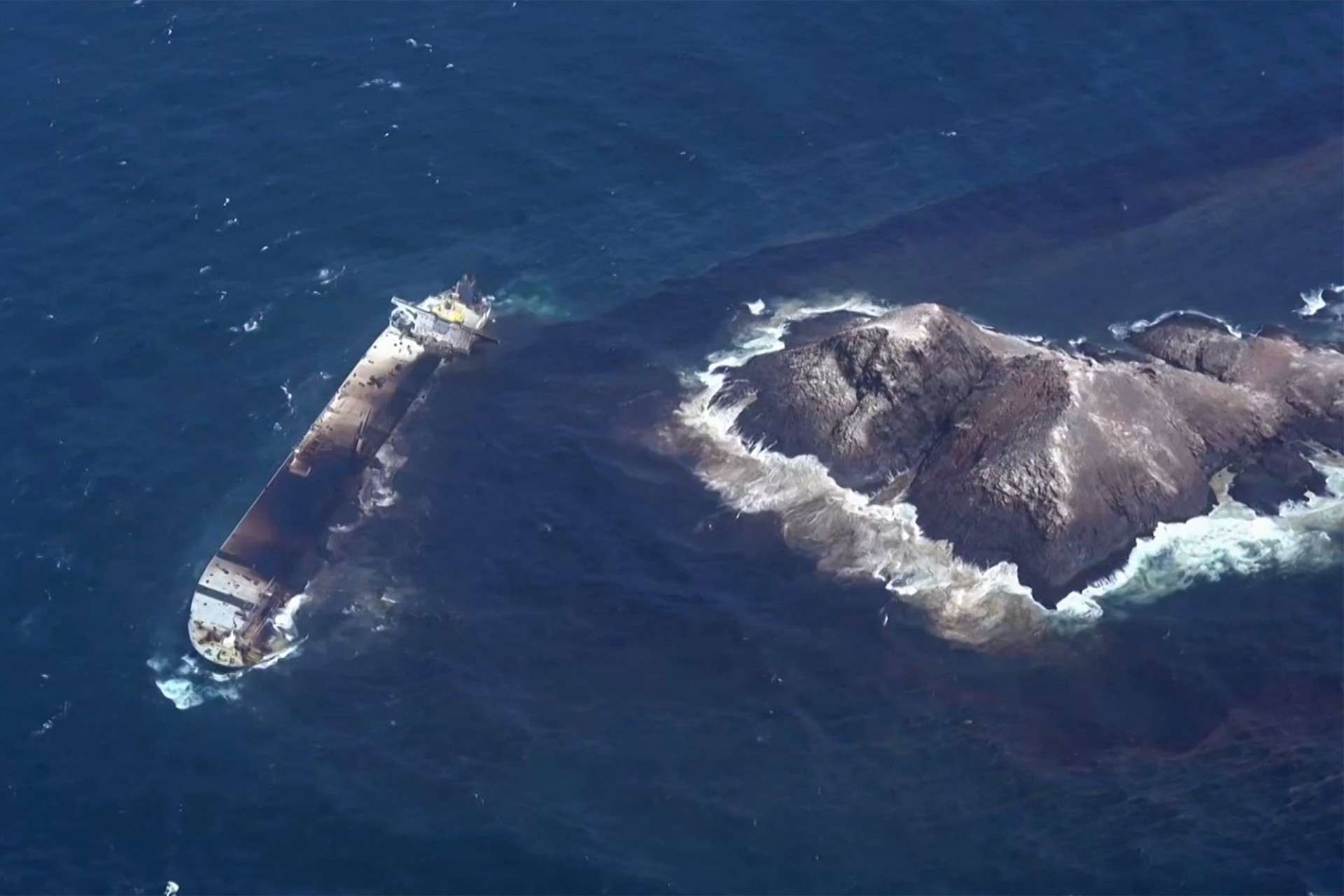
China bought up to 90 percent of Iran’s oil exports before the war and, despite a sharp drop in volumes, continues to source crude from Tehran and evade sanctions. This is mainly done through small tankers that switch off their transponders, with oil sold to China at a discount.
Russia has now become China’s largest crude supplier at over two million bpd, over a fifth of its total imports. Much of this moves through Russia’s “shadow fleet” of clandestine tankers used to evade western sanctions, many of them ageing and at risk of environmental disaster.
Vessels have also used the Arctic’s North Sea route, cutting transit time between Europe and China by more than half compared with the increasingly vulnerable Suez Canal alternative.
But analysts are doubtful that Russian oil is a long-term fix: while “Russian oil is a workable substitute in the near term, it’s not a perfect one-for-one replacement for Middle Eastern flows in terms of logistics, grades, and political diversification,” said Prandelli.
Some analysts have argued in recent months that China is taking on some of the influence long held by the Organisation of the Petroleum Exporting Countries (Opec), the group of oil producers that coordinates supply to influence global prices, particularly since the UAE left the organisation last April.
China's reserves have certainly helped stabilise prices since Hormuz closed, but the analysts Middle East Eye spoke to are sceptical this amounts to any lasting rivalry.
When asked whether Beijing was rivalling Opec, Wrigley said: “I don't think China is doing so at all.” The drop in China's oil imports, he explained, “is an intended by-product of policy, rather than a strategic move to set oil prices.”
Prandelli agreed that China was, for now, “setting the cyclical pace” of the oil market, but argued Opec still controlled its “structural pace”: “if and when Hormuz resolves, that balance shifts back toward a more traditional Opec+ centric structure”.
Middle East Eye delivers independent and unrivalled coverage and analysis of the Middle East, North Africa and beyond. To learn more about republishing this content and the associated fees, please fill out this form. More about MEE can be found here.