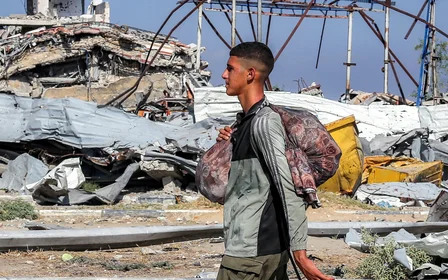
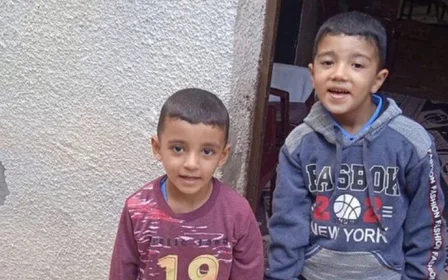
Rising maternal malnutrition in Gaza drives up newborn mortality

The number of newborns who died at birth in Gaza has increased by 75 percent, according to new data by the United Nations Children's Fund (Unicef).
Between July and September, an average of 47 baby deaths were recorded each month, almost double the monthly average of 27 in 2022.
Data also showed that in 2022, prior to Israel's genocidal war on Gaza, an average of 250 babies per month – 5 percent – were born underweight. That figure has risen sharply, to roughly 460 low birth-weight babies each month.
Children born underweight (less than 2.5 kilograms) are 20 times more likely to die than those born at a healthy weight.
Data presented by Unicef on Tuesday shows that 38 percent of pregnant women screened were diagnosed with acute malnutrition, with the agency admitting at least 8,300 pregnant and breastfeeding women for treatment in October alone.
New MEE newsletter: Jerusalem Dispatch
Sign up to get the latest insights and analysis on Israel-Palestine, alongside Turkey Unpacked and other MEE newsletters
Health officials in Gaza have previously warned that Israeli-driven starvation in the besieged enclave is putting pregnant women and their babies at severe risk, with premature births and low birth-weight deliveries on the rise.
Unicef’s communications manager, Tess Ingram, said most newborns in Gaza are either dying in neonatal intensive care units or surviving only to face malnutrition and potentially "lifelong health complications".
"In Gaza’s hospitals, I met newborn babies weighing less than one kilogram, their tiny chests heaving with effort just to stay alive," Ingram said.
She described the pattern of malnourished mothers giving birth to underweight or premature babies as "unmistakable".
"This domino effect, from mother to child, should have been prevented," Ingram added, noting that the cycle of suffering "could have been prevented, if international humanitarian law had been respected".
'Aid must enter'
The famine in Gaza has affected much of the enclave’s population of over 2 million, with its most vulnerable groups – including pregnant women, children, the sick and the elderly – hit the hardest.
Despite the ceasefire coming into effect over two months ago, Israel continues to block vital aid from entering the territory, in violation of guidelines mandating the entry of humanitarian relief and medical assistance.
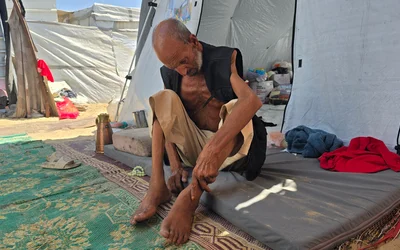
Since October, only 14,534 trucks have entered the Gaza Strip out of the 37,200 stipulated for delivery and distribution.
Moreover, Israeli authorities have repeatedly denied entry to medical delegations, further worsening the healthcare system in Gaza.
"We are doing everything in our power to support families. But to improve the response, more aid must enter the Gaza Strip, especially aid that strengthens the health of pregnant and breastfeeding women and equips hospitals with everything they need to save lives," the Unicef manager said.
Around 9,300 children across the Gaza Strip were identified as acutely malnourished in October.
Deaths relating to starvation and dehydration have surpassed 450 since October 2023, with over 154 of them children.
Middle East Eye delivers independent and unrivalled coverage and analysis of the Middle East, North Africa and beyond. To learn more about republishing this content and the associated fees, please fill out this form. More about MEE can be found here.