Russia ties Black Sea grain deal with Ukraine to halt in oil refinery strikes

Both the Russian and Ukrainian governments view Turkey’s proposal for a moratorium on Black Sea shipping attacks as “positive”, but Kyiv does not expect a breakthrough soon because of Moscow’s “irrelevant” additional demands, regional diplomats familiar with the issue told Middle East Eye.
Turkish Foreign Minister Hakan Fidan told local media on Saturday that Ankara had sent proposals to both sides, but that their positions on the Black Sea were “difficult to reconcile”.
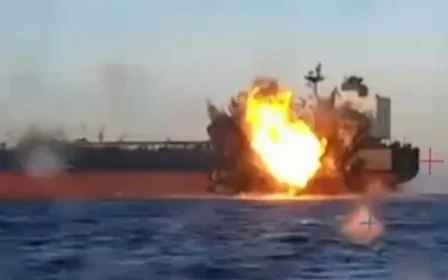
A Turkish official told MEE that around 72 ships had been targeted between January and the first week of September, often in drone attacks.
Of those vessels, 50 had ties to Turkey through their ownership, management or the nationality of their captains, the official said.
Three Turkish nationals have been killed and 18 others injured in attacks on the Black Sea, which borders Russia, Turkey, Ukraine, Romania, Georgia and Bulgaria.
New MEE newsletter: Jerusalem Dispatch
Sign up to get the latest insights and analysis on Israel-Palestine, alongside Turkey Unpacked and other MEE newsletters
Earlier this month, Ankara summoned the Ukrainian ambassador to express its frustration over what it said were Ukrainian attacks on emergency response vessels attempting to rescue sailors and assist damaged ships.
'The problem with Russia is that they always ask for more'
- Ukrainian official
A Ukrainian official told MEE that Kyiv was ready to agree to a deal modelled on the 2022–2023 Black Sea Grain Initiative, under which specific ports in both Ukraine and Russia were designated for grain and fertiliser exports.
“Then a centre could track the ships and inform the parties on the process,” the official said.
Grain and fertiliser exports impacted
A Turkish official told AFP that Ankara’s proposal builds on Ukraine’s existing shipping route along the Romanian and Bulgarian coasts. A separate route for Russian ships could follow the coastlines of Georgia and Turkey, subject to the participation of the countries concerned.
The Turkish official who spoke to MEE said disruptions to Black Sea shipping had already created problems for 13 African countries that import grain and fertiliser from both Ukraine and Russia.
Earlier this month, Turkey and Russia signed an agreement on mineral fertiliser shipments to strengthen Ankara’s access to fertilisers and related raw materials.
The Ukrainian official said reaching a deal with Russia would be extremely difficult, noting that Moscow, not Kyiv, had abandoned the previous grain pact in 2023.

“The problem with Russia is that they always ask for more,” the official said. “There are always additional demands in areas which aren’t connected to the grain whatsoever.”
For example, the official said, Moscow was making any agreement on grain shipments conditional on Kyiv halting its attacks on Russian oil refineries.
“So there are pre-conditions, and they are irrelevant,” the official said.
Ukrainian President Volodymyr Zelensky sounded more open to a possible agreement after meeting Turkish President Recep Tayyip Erdogan on Wednesday. He said that if Russia stopped striking Ukrainian infrastructure, Ukraine could reciprocate by halting its long-range strikes.
At a separate press conference the same day, US Secretary of State Marco Rubio told journalists that Ukraine was targeting Russian oil infrastructure, while Moscow was striking Ukraine’s electricity grid and disrupting daily life.
He added that reaching a solution would be difficult.
Middle East Eye delivers independent and unrivalled coverage and analysis of the Middle East, North Africa and beyond. To learn more about republishing this content and the associated fees, please fill out this form. More about MEE can be found here.