Saudi Arabia further eases alcohol restrictions according to residents

Saudi Arabia has seemingly further loosened its restrictions on the sale of alcohol, with a number of foreign residents saying they were able to purchase drinks from the kingdom's sole liquor store.
Though the kingdom's first liquor store was opened in Riyadh in January 2024, it was intended only to cater for foreign non-Muslim diplomats.
However, locals with premium visa status confirmed to AFP that the rules had been quietly changed.
"I heard about it from friends who tried it. I went there two days ago and it actually worked," one premium visa-holder said.
"It saved me a lot of money rather than buying from the black market. Prices are reasonable and we finally can buy alcohol."
New MEE newsletter: Jerusalem Dispatch
Sign up to get the latest insights and analysis on Israel-Palestine, alongside Turkey Unpacked and other MEE newsletters
Premium resident status in Saudi Arabia was launched in 2019 and is available to a select group of foreigners who meet a variety of requirements, including making a one-time payment of 800,000 riyals ($213,000).
Although the government has not confirmed the change, it would mark a further loosening of what was once a total ban on alcohol in the kingdom.
Separately, Reuters reported that the kingdom also planned to open two new alcohol stores, including one serving non-Muslim, foreign staff at state oil giant Aramco.
Sources briefed on the subject told Reuters that the new store in the city of Dhahran would be set up in a compound owned by Aramco, while a third liquor store was also being planned for non-Muslim diplomats in the city of Jeddah.
Both are set to open in 2026, though no official timeline has been announced.
Since 1952, the kingdom has strictly banned alcoholic beverages in the country, without even the limited exceptions made by some otherwise teetotal neighbouring Gulf states such as the United Arab Emirates and Qatar.
Saudi Crown Prince Mohammed bin Salman has been keen to push a number of social reforms in the kingdom as part of his much-touted Saudi 2030 Vision.
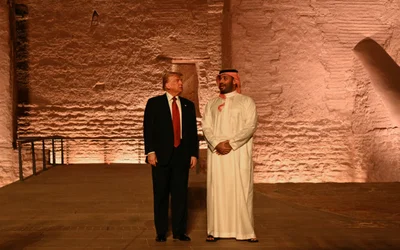
He overturned a ban on women driving in 2018 and has allowed public concerts and the proliferation of cinemas, even as he imposed a widespread crackdown on both liberal and conservative critics within the kingdom and stifled dissent.
While underground consumption of alcohol has always existed in the country (with foreign officials often acquiring it through diplomatic pouches), the loosening of rules may anger conservative Muslims who view consumption as prohibited by Islamic teachings.
The 1952 ban came in response to an incident involving Prince Mishari bin Abdulaziz Al Saud and a British diplomat, Cyril Ousman.
At a party hosted by the diplomat, then British vice-consul in Jeddah, the 19-year-old prince shot Ousman dead after he refused to serve him more alcohol.
Following the killing - which saw Prince Mishari sentenced to life imprisonment - King Abdulaziz Ibn Saud, founder of the modern Saudi state, banned all alcohol in the country.
People convicted of consuming alcohol in Saudi Arabia could previously be served with fines, jail time, public flogging and deportation for foreigners.
Middle East Eye delivers independent and unrivalled coverage and analysis of the Middle East, North Africa and beyond. To learn more about republishing this content and the associated fees, please fill out this form. More about MEE can be found here.