US strikes severely damaged one Iran nuclear site, two others could restart in months: Report

The US severely damaged one of Iran's nuclear sites, but two other facilities were only degraded to the point that the Islamic Republic could restart uranium enrichment at them within months, NBC News reported on Thursday, citing five current and former US officials.
The report is likely to cast further doubt on US President Donald Trump's assertion that Iran's nuclear programme was "blown up to kingdom come".
The US carried out strikes on Iran's Fordow, Natanz and Isfahan nuclear facilities on 22 June, assisting Israel, which had already been trading missile fire with Tehran since 13 July.
Iran responded to the strikes by firing ballistic missiles at the US’s al-Udeid military base in Qatar. Washington and Doha were informed at least one day earlier about the choreographed strikes.
Shortly after, the US announced a ceasefire between Israel and Iran, capping 12 days of unprecedented fighting.
New MEE newsletter: Jerusalem Dispatch
Sign up to get the latest insights and analysis on Israel-Palestine, alongside Turkey Unpacked and other MEE newsletters
Two days after the 22 June strikes, CNN reported that an initial assessment by the US Defence Intelligence Agency found that the main components of Iran's nuclear programme remained intact and were likely only set back by months.
The report sparked a furious response from the White House, which acknowledged its authenticity but said it was a "preliminary" and "low confidence" assessment.
The US director of national intelligence applies a three-tiered confidence rank to such analysis. In an unusual move in response to the article, CIA director John Ratcliffe released a statement saying that Iran's three nuclear sites were "severely damaged".
For its part, information coming out of Iran has been just as uncertain.
Shortly after the US attack, Iran's foreign ministry spokesman, Esmail Baghaei, said the nuclear facilities had been "badly damaged".
The Trump administration actually cited the Iranian assessment to push back against CNN’s report, but Iran's supreme leader, Ayatollah Ali Khamenei, downplayed the impact, saying Washington did "nothing significant" to Iran's nuclear infrastructure and that Trump "exaggerated events".
Trump rejected a long war with Iran
Trump has said that the US and Iran will meet to restart negotiations. However, on Wednesday, he told reporters that he was "in no rush to talk because we obliterated their site".
Iranian President Masoud Pezeshkian left the window open for negotiations in an interview with US conservative podcaster Tucker Carlson, but the foreign ministry has not confirmed any date.
The status of Iran’s nuclear programme is important because it will inform how Trump responds to Israeli lobbying efforts.
US and Arab officials who have been briefed on recent diplomacy and have spoken to Middle East Eye say that Netanyahu visited the White House in July seeking American buy-in for more strikes. As the dust settles from the 12-day conflict, the results are looking more inconclusive. Israel would need American support to attack again, officials say.
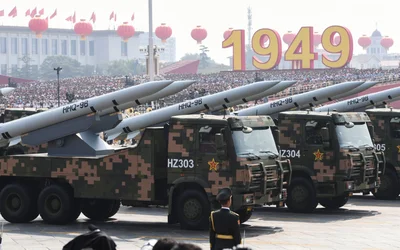
Israel assassinated scores of Iranian commanders and scientists, destroyed ballistic missile launch pads and weapons facilities. But Iran is rebuilding its air defences, including by buying Chinese surface-to-air missile batteries, MEE revealed previously.
Current and former US officials believe that Israel does not want to allow Iran the chance to rebuild its defences. However, there are risks associated with restarting the conflict. Israel and the US ran through their missile interceptors during the conflict. And the focus on air defence appears to be shifting to Ukraine.
In one potential sign of Trump’s limited appetite for further intervention, the NBC report said that Trump was offered an alternative battle plan by the US military that called for strikes on three additional sites in an operation that would have "stretched for several weeks", but Trump rejected it.
The plan called for the US to bomb three additional unnamed sites and more of Iran’s air defence and ballistic missile capabilities.
Middle East Eye delivers independent and unrivalled coverage and analysis of the Middle East, North Africa and beyond. To learn more about republishing this content and the associated fees, please fill out this form. More about MEE can be found here.