Saudi Arabia and UAE cross-border trade faces delays amid tensions: Report

Cross-border trade between the UAE and Saudi Arabia is facing delays, in a sign that tensions between the Gulf neighbours are rippling through the business world.
Semafor reported on Thursday that delays at the border crossing from the UAE into Saudi Arabia are lasting “several days”. The report said that delays have been worsening in recent months, with some truck drivers forced to sleep under their trailers for as long as a week while they wait for approval to cross.
The border delays follow multiple reports that bank transfers from Saudi Arabia to the UAE have been blocked or delayed.
The Financial Times reported this week that payments from Saudi banks to UAE-based accounts belonging to companies and individuals in Dubai had been returned or held up since May, often without explanation.
The banking and trade issues echo the early days of the rift between Qatar and its Gulf neighbours a decade ago. At the time, Saudi Arabia and the UAE teamed up to impose an official blockade of the Gulf state.
New MEE newsletter: Jerusalem Dispatch
Sign up to get the latest insights and analysis on Israel-Palestine, alongside Turkey Unpacked and other MEE newsletters
The current tensions underscore how quickly allegiances in the region have changed, with Saudi Arabia now more closely aligned with Turkey, Pakistan, Qatar, and Egypt. The UAE is at odds with Saudi Arabia and has moved closer to Israel.
Saudi Arabia and the UAE are supporting opposite sides in Sudan’s civil war. In Yemen and Somalia, the UAE has supported secessionist forces that Riyadh opposes.
Tensions in Yemen reached a crisis point after the Southern Transitional Council (STC), a secessionist group backed by the UAE, launched an offensive against Saudi-aligned forces in December. Riyadh launched strikes on the STC, and the UAE was forced to withdraw its military personnel from Yemen.
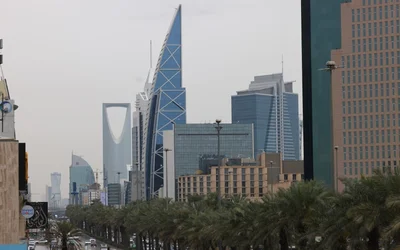
The two Gulf states are also economic competitors.
The UAE exited the Saudi-led energy alliance Opec in May over disputes about oil production limits.
Saudi Arabia is the Arab world’s largest economy, but it is racing to diversify its industry. The kingdom wants to expand into critical minerals, tourism and logistics.
This is not the first time delays have been noted at the border. The UAE and Saudi Arabia are both members of the Gulf Cooperation Council (GCC), whose trade is governed by a free trade agreement.
But in 2021, Saudi Arabia imposed new rules excluding items made in free zones from preferential GCC tariff treatment. The UAE has established over 45 free trade zones, including in Jebel Ali Port.
Saudi Arabia targeted products with a “Made in the UAE” stamp, which it deemed to be of local UAE production value.
The crackdown came as Saudi Arabia increased pressure on international firms to establish their headquarters in Riyadh, rather than their traditional bases in Dubai.
Middle East Eye delivers independent and unrivalled coverage and analysis of the Middle East, North Africa and beyond. To learn more about republishing this content and the associated fees, please fill out this form. More about MEE can be found here.