What does the UAE own in the UK? Football clubs, London landmarks and billion-pound assets

The UAE is one of the world’s richest countries, with its seven monarchies owning sovereign wealth funds worth in excess of $2 trillion.
Fuelled by revenues from oil as well as finance, tourism and the gold trade, it has invested billions internationally, holding vast stakes in everything from banks to airports and restaurant chains across North America, Europe and beyond.
But this partnership is facing unprecedented scrutiny in the UK, where the UAE has committed to invest almost $30bn for the period 2021-2026 through the UAE–UK Sovereign Investment Partnership.
In September, Manchester City Football Club, owned by Emirati royal and vice-president Sheikh Mansour bin Zayed Al Nayhan, was found to have breached 114 Premier League financial rules by disguising more than £830m ($1.1bn) in illicit funding. The club denies the claims.
UK Prime Minister Andy Burnham is at the heart of the storm, having served as Manchester mayor from 2017 until June, during which time Emirati cash transformed both Manchester City football club and the wider city.
New MEE newsletter: Jerusalem Dispatch
Sign up to get the latest insights and analysis on Israel-Palestine, alongside Turkey Unpacked and other MEE newsletters
Doing business with the UAE has only become more controversial given its role in Sudan’s civil war, where it is accused of supporting the Rapid Support Forces, a paramilitary group whose mass killings UN investigators say bear the “hallmarks of genocide”. The UAE denies the allegations.
But Burnham is also keen to balance public uproar against the UAE with the steady flow of Gulf investment, which both defenders of the football club and the government say has boosted economic growth.
If nothing else, the rows have exposed just how many UK institutions Abu Dhabi and Dubai, the wealthiest emirates and biggest investors, have a stake in.
Sport
Manchester City was bought by Abu Dhabi United Group, a private equity firm owned by the Emirati royal Mansour bin Zayed, in 2008 for £200m.
At the time, Manchester City was not an elite club, usually finishing mid-table and getting relegated in 2001.
But since the sale, the club has dominated top-flight English football, winning eight Premier League titles, plus the Uefa Champions League. Khaldoon al-Mubarak, an adviser to Abu Dhabi’s royal family and CEO of its Mubadala sovereign wealth fund, is the club’s chairman, while the club’s stadium is named the Etihad Arena, after Abu Dhabi’s government-owned airline.
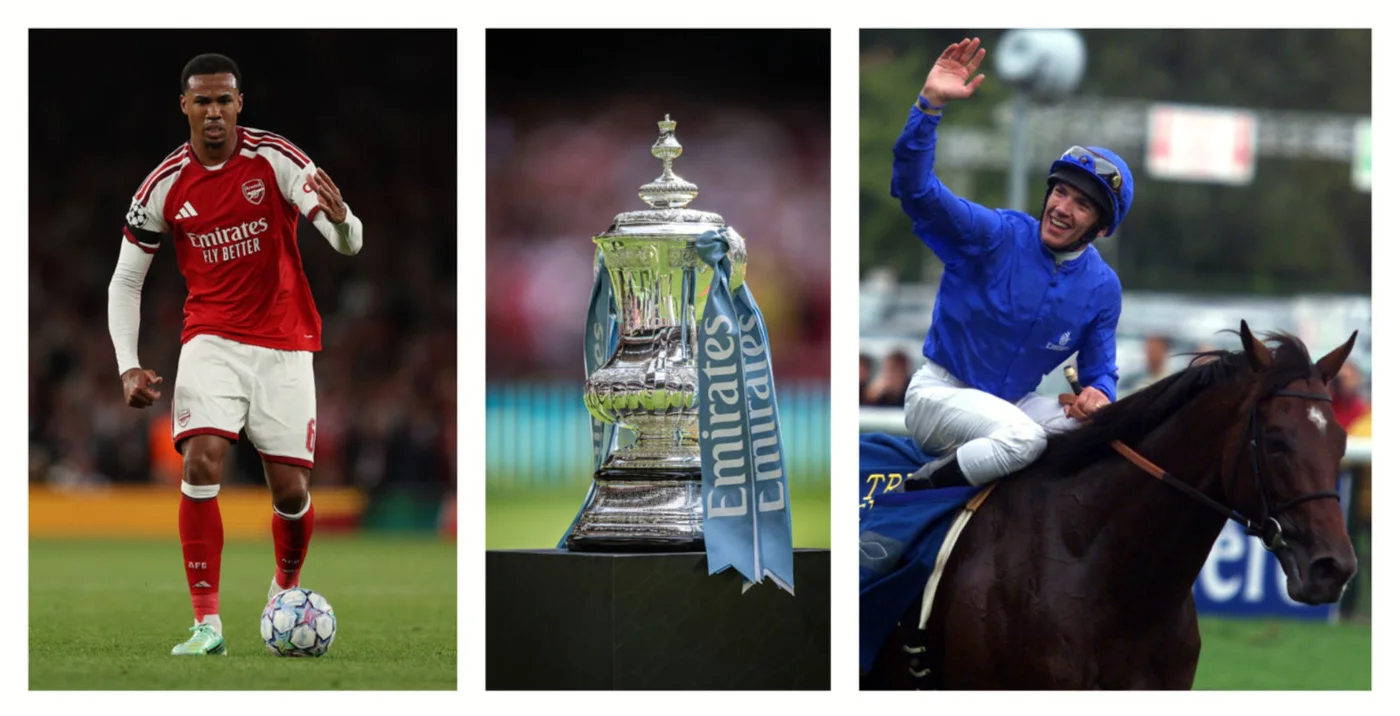

The UAE also has stakes elsewhere in the Premier League. In 2004, the airline Emirates, owned by the government of Dubai, purchased naming rights to Arsenal’s home ground, now called the Emirates Stadium, and the club’s shirt sponsorship for £100m. The deal was renewed in August until 2033 for an undisclosed fee.
The airline has also sponsored the FA Cup since 2015, and Lancashire Cricket Club since 2013.
Abu Dhabi’s CYVN Holdings has a minority stake in McLaren Racing, which owns McLaren’s Formula One team, based in Woking, southern England and was the winner of back-to-back Teams’ Championships in 2025. Bahrain’s Mumtalakat fund owns the rest of the stake, as well as parent company McLaren Group.
CYVN separately bought McLaren’s car manufacturing business, McLaren Automotive, outright in 2025 for an undisclosed fee.
Dubai’s royal family owns Godolphin, the world’s largest horseracing team that operates the biggest stable in the UK outside Newmarket in Suffolk, eastern England. Through Godolphin and other horses, Dubai royals have won the British Flat Racing Champion Owner title 31 times since 1985, including this year.
Property
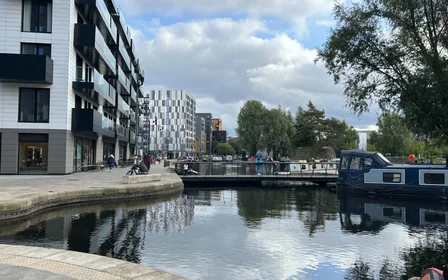
Besides owning Manchester City football club, the UAE also owns lucrative property developments across the city. Among the largest is Manchester Life, a glitzy, mixed-use regeneration project in Manchester’s Ancoats area launched in 2014 in a deal between Manchester City Council and the Abu Dhabi United Group reportedly worth £1bn.
Abu Dhabi also invested an undisclosed figure in Manchester’s Co-Op Live arena, through its 81 percent share of the City Football Group, which in turn owns 47.5 percent of the UK's largest indoor venue.
It emerged in October that Manchester City Council gave Sheikh Mansour’s Abu Dhabi United Group the right of first refusal on some of these projects in what critics have dubbed a “sweetheart deal” that sidelined rival developers.
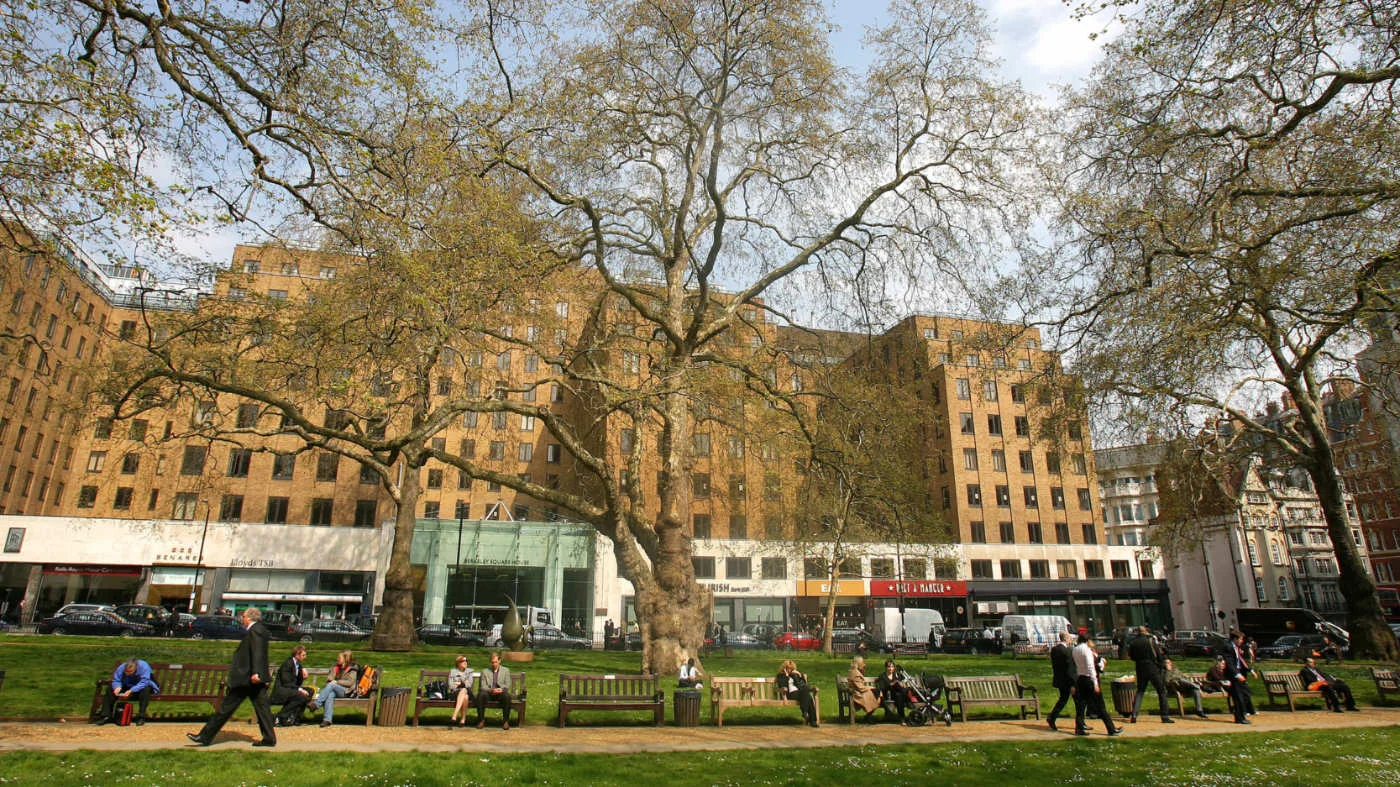
In London, the Emirati royal family amassed a property empire under Sheikh Khalifa bin Zayed bin Sultan al-Nahyan, ruler of the UAE from 2004 until his death in 2022. Valued in 2020 at over £5bn, this includes luxury properties in some of London’s most expensive areas, including Mayfair and Knightsbridge, much of which was acquired via opaque companies registered in tax havens.
Abu Dhabi also picked up country estates in the Scottish Highlands and Surrey, and owns London’s Excel exhibition centre, the city’s largest conference hall. Much of this property has since been divided up among Khalifa’s heirs, although which Emirati royal owns what isn’t always clear.
Since then, the UAE’s property spree has continued. In 2023, a real estate firm owned by Abu Dhabi’s government bought London Square, the developer behind London’s controversial Nine Elms regeneration project, for $291m. It announced earlier this month plans to build a further 9,000 homes at the site.
Ports, shipping and infrastructure
DP World, the Dubai government’s ports and logistics giant, owns London Gateway and Southampton, the UK’s second and third largest shipping terminals by container volume. The London site was approved for a £1bn expansion by the government in 2024.
Part of the UK’s freeports scheme, the ports are special economic zones in which DP World and other businesses pay less tax and face weaker regulation than they would elsewhere in the UK.
DP World also owns P&O, the UK’s long-established shipping company, sold off from public ownership in 2006 for £3.6bn. It separately bought P&O Ferries in 2019 for £322m.
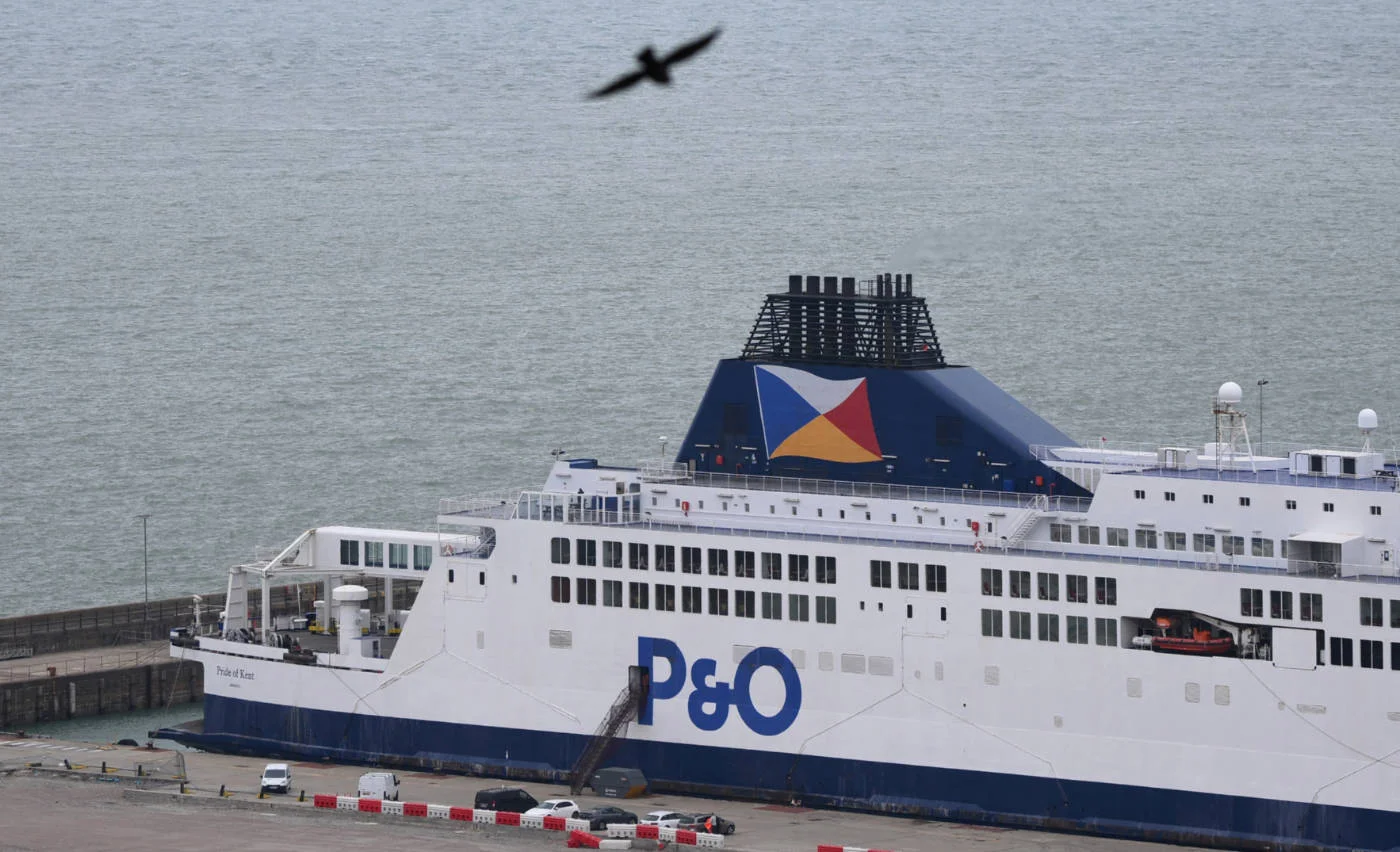
In 2022, DP World faced heavy criticism, including from the UK government, for sacking 800 of P&O Ferries’ British staff and replacing them with foreign agency workers paid less than the UK minimum wage.
But DP World consolidated its logistics empire further in August when it purchased six grocery distribution centres serving Asda, Sainsbury’s and the Co-op from the US conglomerate GXO Logistics.
The UAE has also targeted tech. Abu Dhabi's Mubadala invested an undisclosed sum into Yondr in 2024, one of the operators of a data centre campus in Slough on the outskirts of London. And Masdar, the UAE’s state-owned renewable energy company, has stakes in the UK’s wind farms, including the London Array off the coast of Kent and Dogger Bank South in the North Sea. Mubadala meanwhile holds a minority stake in CityFibre, the UK’s third largest network provider, as of 2021.
In 2011 Abu Dhabi bought a 9.9 percent stake in Thames Water, although the UAE wrote off the investment as worthless in its 2024 accounts, amid the utility firm’s financial toils.
Abu Dhabi’s sovereign wealth fund also owns nearly eight percent of London Gatwick, the UK’s second busiest airport, having sold down its stake from 15 percent in 2018. It has coveted owning part of Heathrow.
Abu Dhabi was also approached as a potential investor into the Sizewell C nuclear power plant in 2023, before the shares were instead sold to the French state-owned energy firm EDF and a Canadian pension fund, among other investors.
In July, Etisalat, a telecoms firm majority-owned by the UAE government, sold its £4.4bn stake in Vodafone, the British telecoms multinational, after its ownership was called a “national security risk” by the UK government and it was forced to establish a special committee overseeing sensitive work.
Finance and research
In 2024, Abu Dhabi gained a one-third stake in Hargreaves Lansdown, the UK’s largest retail investment house, in a £5.4bn takeover alongside American and European private equity firms. Later that year, Mubadala bought an undisclosed stake in the British digital bank Revolut as part of a $500m secondary share sale.
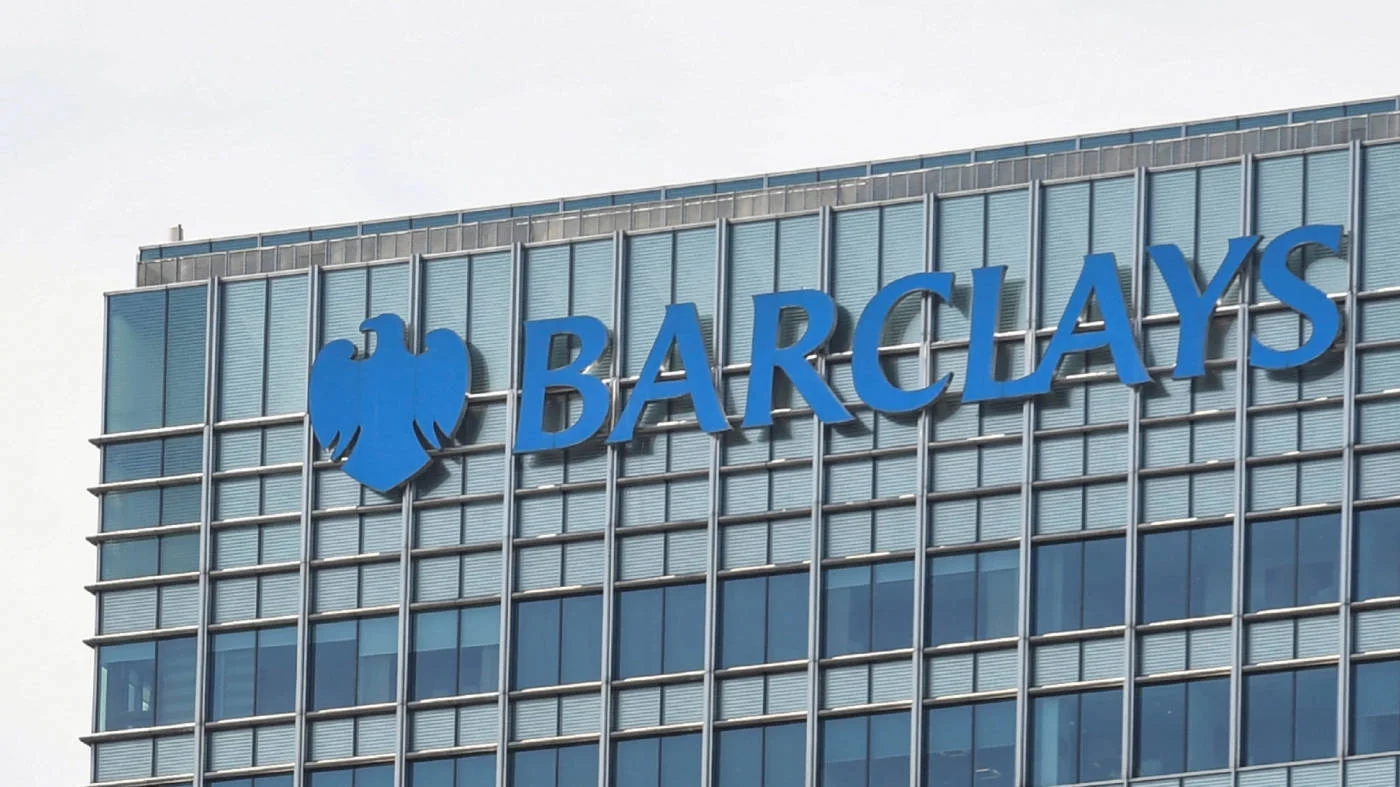
Sheikh Mansour attracted controversy in 2008 when he and investors from Qatar bought a 16 percent share in Barclays during the global financial crisis. Worth an estimated £4bn, the deal helped the bank avoid a government bailout imposed on some of its rivals, to which conditions were attached.
The Financial Conduct Authority in 2024 fined Barclays £40m for misleading its shareholders about payments of over £300m to Qatari investors involved in the deal. Abu Dhabi sold all of its stakes by 2013.
The UK is also courting Emirati investment for a “growth corridor” located between Oxford and Cambridge that the government has dubbed "the UK’s Silicon Valley”. But the UAE is now reportedly threatening to pull out of the plans amid fallout over its guilty verdict in the Manchester City case.
Hospitality and retail
The UAE has stakes on British high streets, much of which it acquired in 2024 when Mubadala bought a 68 percent share of equity owned by Fortress Investment Group, a US firm with over $55bn of assets under management.
In the UK, Fortress owns Punch Pubs, which operates 1,400 pubs and bars across the country, the cinema chain Curzon, the budget shop Poundstretcher, and the wine retailer Majestic.
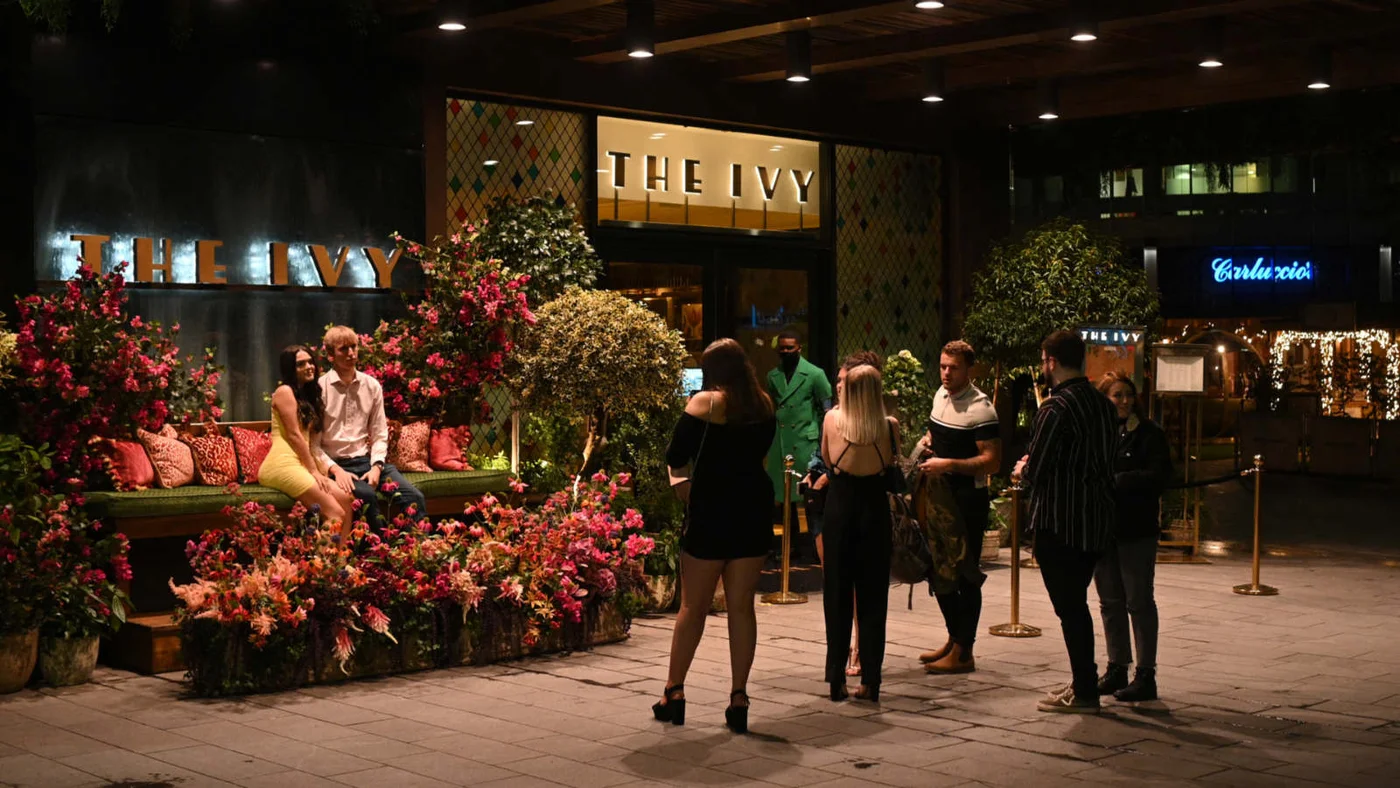
In April, Sheikh Tahnoon's International Holding Company paid £1.4bn for the restaurant empire of hospitality mogul Richard Caring, which includes the Ivy chain and the elite member’s club Annabel’s in Mayfair’s Berkeley Square, where the UAE also owns other properties.
Media
Abu Dhabi launched a bid to buy the Telegraph newspaper and Spectator magazine in 2023 alongside the US private equity firm Redbird Capital Partners.
The deal, which was headed by Sheikh Mansour, sparked massive scrutiny over censorship concerns, and ultimately fell through after the UK government introduced new laws barring leaders of foreign governments from owning media companies. The Telegraph was instead sold to the German media giant Axel Springer in June, while the Spectator was bought by GB News co-owner Paul Marshall in September 2024.
But Abu Dhabi has gained a stake in media elsewhere via its takeover of Fortress, which led a lender consortium that bought Vice Media Group in 2023 after the broadcaster and magazine filed for bankruptcy.
Vice had months earlier signed a lucrative partnership with the MBC Group, a media company backed by the UAE’s sometime rival, Saudi Arabia.
Middle East Eye delivers independent and unrivalled coverage and analysis of the Middle East, North Africa and beyond. To learn more about republishing this content and the associated fees, please fill out this form. More about MEE can be found here.