Live: Israel shells towns and razes homes in southern Lebanon

Live Updates
Progress is being made between Iran and Oman on the Strait of Hormuz and "we expect a deal soon," a US official told Reuters on Friday.
Once a deal is announced to restore commercial shipping without impediments, the United States will lift its blockade of Iranian ports, the official said.
The United States on Friday sanctioned an unlicensed multi-state cryptocurrency exchange, alleging it processed millions of dollars of crypto for Iran’s Islamic Revolutionary Guard Corps and other groups linked to the Iranian state.
The designation follows a Reuters investigation published on 31 July that identified the Dubai-based exchange, Shelbit, as the hub of a $4bn Iranian sanctions evasion scheme. The investigation found that Shelbit, one of the world’s largest illegal online gambling networks, moved crypto on behalf of Iran’s central bank and to addresses linked by the Israeli government to the IRGC.
The US Treasury also sanctioned the expatriate Iranian who founded Shelbit and a network of other companies, Siavash Kayvanpour, for providing material support to the IRGC and Nobitex, Iran’s biggest cryptocurrency exchange. The US sanctioned Nobitex on 2 June for enabling the Iranian government to circumvent western sanctions.
“Treasury will hunt down and dismantle the illicit financial networks that keep the regime afloat,” Secretary of the Treasury Scott Bessent said in a statement.
The Iranian regime’s reliance on digital assets and shadow banking networks is further evidence that Economic Fury is working. We will continue to increase the economic pressure. Whether in dollars, rials, or crypto, Treasury will hunt down and dismantle the illicit financial… https://t.co/phPYBx4Zxr
— Treasury Secretary Scott Bessent (@SecScottBessent) August 7, 2026
Yemen's Houthis attacked and hit Saudi-backed forces, depots and military equipment near the central city of Marib, the group's spokesman Yahya Saree said on Friday.
In a post on Telegram, Saree said the Houthis will continue to “strike forcefully any Saudi mobilisation or forces brought by the Saudi enemy to maintain the siege imposed on our country”.
Lebanon and Israel have agreed on a shortlist of countries that could send troops to verify the disarmament of Hezbollah under a US-brokered agreement, a Lebanese official said on Friday, with the United States due to pick countries from the list.
The official declined to identify any of the countries on the shortlist or say how many there were. Another Lebanese official and two foreign diplomats have previously told Reuters that Israel and the US had vetoed France.
The list was produced during meetings between Lebanon and Israel at the US embassy in Rome this week, the latest round of talks on how to implement a previous deal on 26 June that linked Israel's progressive withdrawal of troops from Lebanon to the disarmament of Hezbollah, which would be "verified" by a third party.
Hezbollah is not a party to the agreement and has refused to give up its arsenal.
"We have reached a short list of countries. We decided which parties were impossible for each and set the potential actors," the Lebanese official said.
"The Americans will now decide, and could pick more than one country."
Israeli forces beat and detained a Palestinian man during an attack by troops and settlers on Beit Furik, east of Nablus in the occupied West Bank, Wafa news agency reported, citing local sources.
The Palestine Red Crescent Society said Israeli forces prevented an ambulance from reaching the man, who is in his 40s, before detaining him. His condition was not immediately known, and the group said it was coordinating with the International Committee of the Red Cross to follow up on his case.
Settlers attacked homes and smashed surveillance cameras in eastern Beit Furik as Israeli forces raided the area and assaulted several residents. Residents confronted the settlers, according to the sources.
Settlers also attacked homes in Khirbet al-Himma in the northern Jordan Valley.
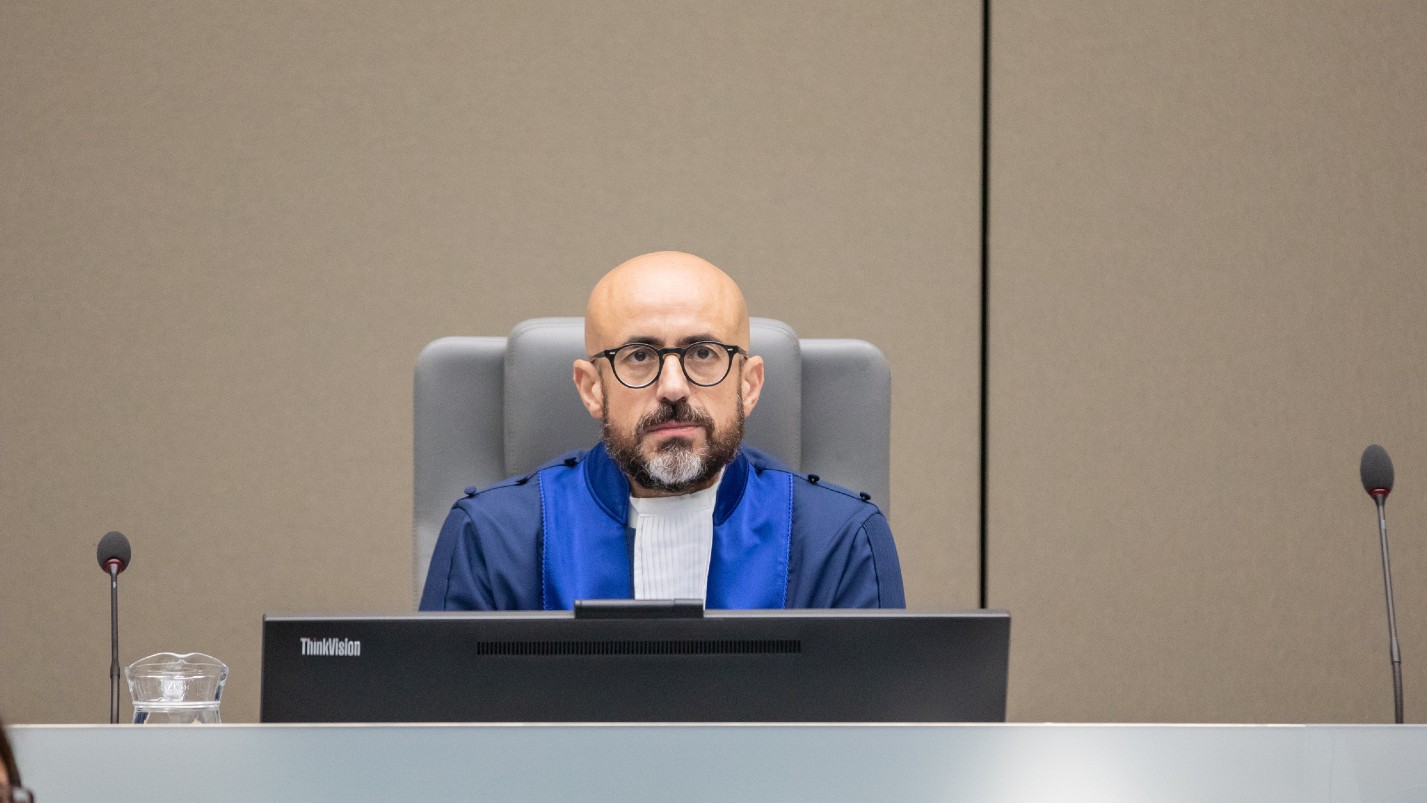
Judges at the International Criminal Court (ICC) have ordered prosecutors to open a standalone investigation into allegations of gender persecution by the Taliban, separating it from the court's long-running Afghanistan war crimes probe that covered US nationals, Middle East Eye can reveal.
According to court documents obtained by MEE through independent sources, a three-judge panel in pre-trial chamber II issued the request to the Office of the Prosecutor in mid-July.
If prosecutors proceed, the Taliban investigation will effectively be split from a broader Afghanistan inquiry looking into alleged war crimes committed since 2003 by Afghan National Security Forces, the US military and CIA personnel, in addition to the Taliban and the Islamic State-Khorasan Province (IS-K) group.
The move is likely to raise questions about whether the court is seeking to ease tensions with Washington by signalling that it will no longer pursue allegations against US forces and their allies.
Read more: Exclusive: ICC judges order Taliban case split from Afghanistan probe that covers US troops

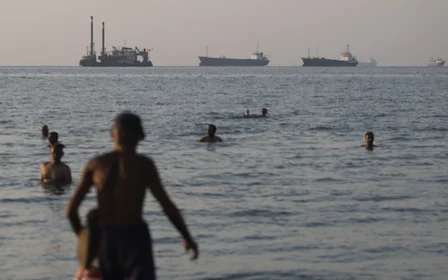
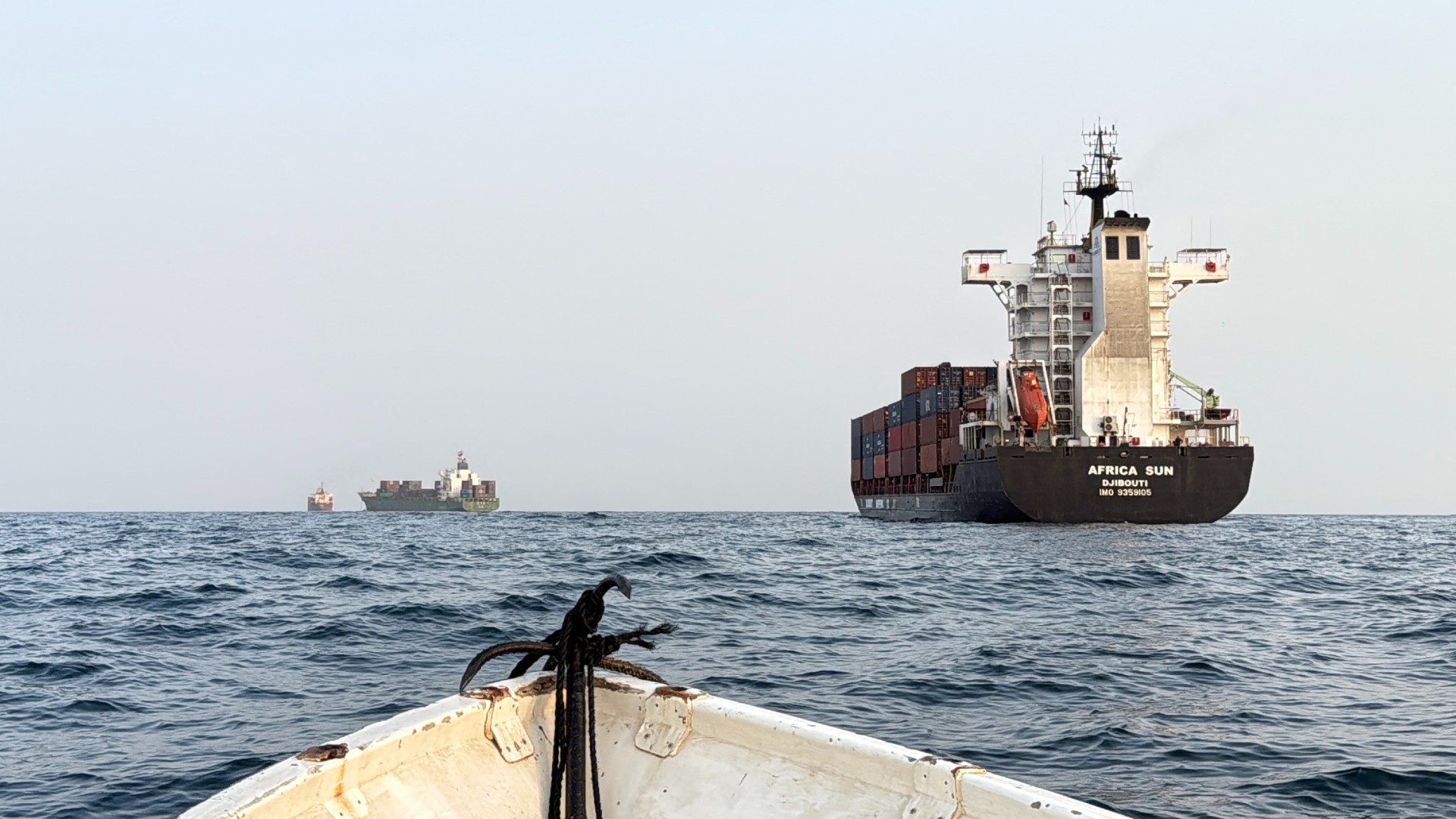
The Abu Dhabi National Oil Company said on Friday it continued to be significantly impacted by what it described as unprovoked attacks, but was taking measures to protect its people, assets and operations while meeting customer requirements as much as possible.
The company said in a statement that 15 of its vessels had been attacked by missiles and drones while transiting the Strait of Hormuz since the start of the war, including three this week, leaving one crew member dead and 20 injured.
The Houthis said on Wednesday that they had fired ballistic missiles at the NCC Wafaa, a Saudi oil tanker, off the coast of Yanbu, a major Saudi port city in the northern Red Sea.
It is the northernmost attack by the Yemeni group since it began a blockade on Saudi Arabia on 22 July, and analysts warn a shift north towards Egypt and the Suez Canal would lead to increasing economic pressure on the Gulf kingdom.
Until now, the Houthis had mostly targeted ships off Yemen's coast, in the southern Red Sea and Gulf of Aden. The group accused the Wafaa of violating the blockade and ignoring warning calls before it was struck.
Since the US-Israel war on Iran began, Saudi Arabia had kept part of its oil flowing through the alternative route of Bab al-Mandab. But the Houthi blockade on the strait is now limiting that option.
Read more: Saudi Arabia's last major oil route comes under Houthi pressure
The Qatar ministry of foreign affairs has released a statement saying it rejects the targeting of civilians and affirms its solidarity with measures being taken by Saudi Arabia in response to a Houthi attack earlier this week.
Statement | Qatar Condemns Houthi Attack on Najran Region in Saudi Arabia
— Ministry of Foreign Affairs - Qatar (@MofaQatar_EN) August 7, 2026
Doha | August 07, 2026
The State of Qatar condemns the Houthi attacks on the Najran region in the Kingdom of Saudi Arabia that injured several civilians, considering it a severe violation of sovereignty… pic.twitter.com/K0fqjVs2fu
The Abu Dhabi National Oil Company (Adnoc) said it continued to be significantly impacted by what it described as "unprovoked attacks", but was taking measures to protect its people, assets and operations while meeting customer requirements as much as possible.
Adnoc said in a statement that 15 of its vessels had been attacked by missiles and drones while transiting the Strait of Hormuz since the start of the Iran war, including three this week, leaving one crew member dead and 20 injured.
The company added that freedom of navigation and safe uninterrupted passage of commercial shipping through international waterways must be respected and protected.
Yemen's Houthi movement killed more than 60 Saudi-backed troops belonging to the internationally recognised Yemeni government between Thursday and Friday, marking the deadliest toll since the civil war stalled under a 2022 truce.
Yemen's Houthi movement killed more than 60 Saudi-backed troops belonging to the internationally recognised Yemeni government between Thursday and Friday, marking the deadliest toll since the civil war stalled under a 2022 truce. pic.twitter.com/CQ2zuczKp7
— Middle East Eye (@MiddleEastEye) August 7, 2026
Iranian lawmaker Ebrahim Rezaei says the new defence pact with Pakistan and Turkey will not bring security to Saudi Arabia, and that Riyadh should instead focus on changing its policies.
سعودیها باید بدانند که توافق کاغذی با ترکیه و پاکستان برای آنها امنیتآور نیست، همانطور که سالها شیردهی یکطرفه به آمریکاییها برایشان امنیت نیاورد. سیاستهایتان را اصلاح کنید تا نیاز نباشد از دیگران #گدایی_امنیت کنید.
— ابراهیم رضایی (@EbrahimRezaei14) August 7, 2026
A spokesperson for the Iranian parliament said on Friday that a framework of understanding with Oman regarding the Strait of Hormuz has been agreed upon.
“The general framework of the understanding with Oman has been determined, and the final text and details will be announced soon,” he told the Iranian state media.
He noted that "the final decision must be made at higher levels”.
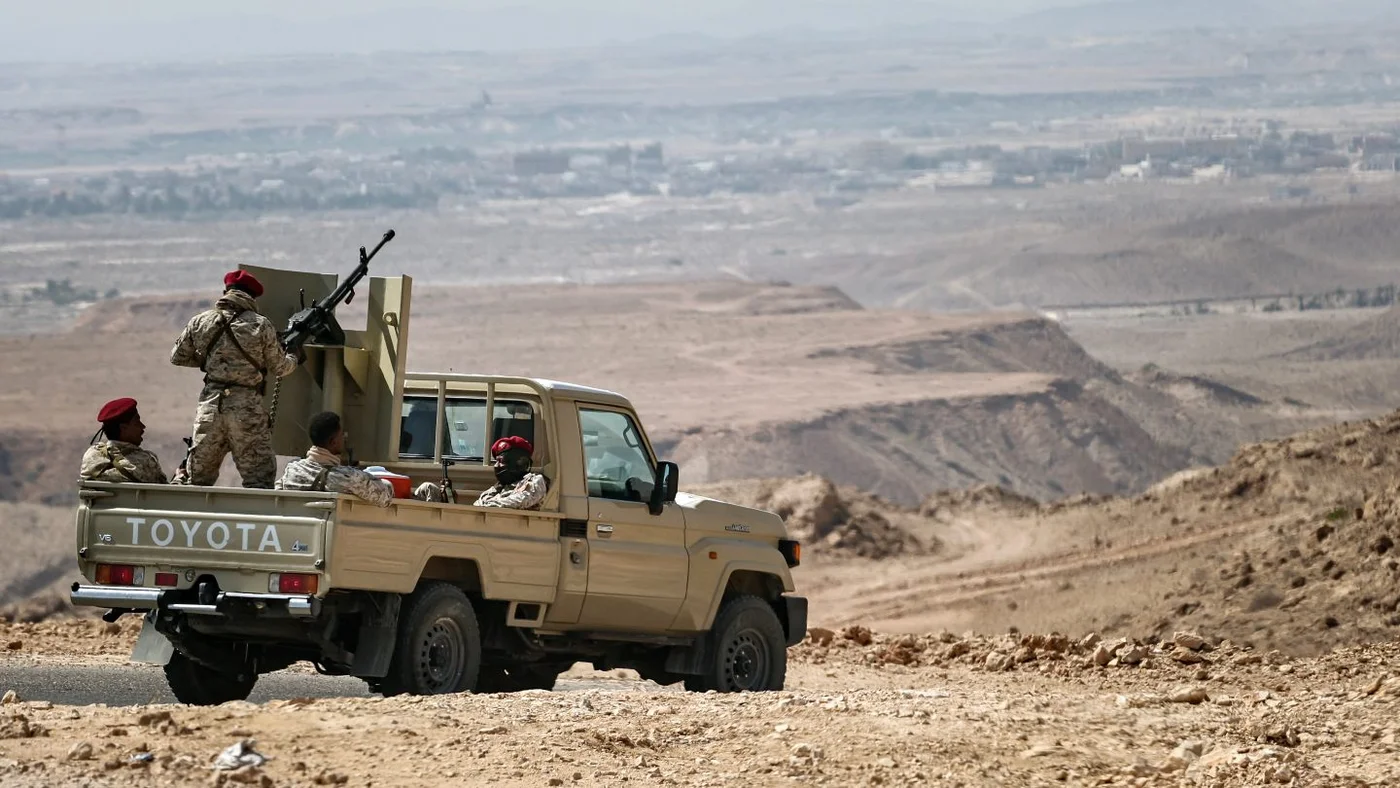
At least 38 members of Yemen's government forces were killed and 29 others were wounded in missile and drone attacks carried out by Houthis on Thursday, according to AFP.
The attack marked the deadliest assault on forces of Yemen's internationally recognised government since the 2022 United Nations-brokered truce, military officials have said.
The Houthis said the attacks were in retaliation for the "Saudi-backed military buildup", as Yemen's long-running conflict shows signs of intensifying alongside the broader US-Iran confrontation.
Houthi military spokesman Yahya Saree said the group targeted government military positions with ballistic missiles and drones, naming al-Ruwaik, al-Thaniyah and al-Abr as among the areas struck.
"We are prepared to confront any escalation," Saree said.
Read more: Houthi missile and drone attacks kill dozens of Yemeni government troops
Saudi Arabia, Pakistan and Turkey signed a defence agreement on Friday, Pakistan's foreign ministry and Saudi broadcasters said.
The pact, which was called the "Mecca Joint Defence Agreement", ties together the three countries amid the backdrop of war on Iran and a revived conflict with Houthis in Saudi Arabia's southern neighbour Yemen.
A Turkish spokesperson said the deal was purely defensive in nature, and not against any actor in particular.